Perimenopause
Sources:
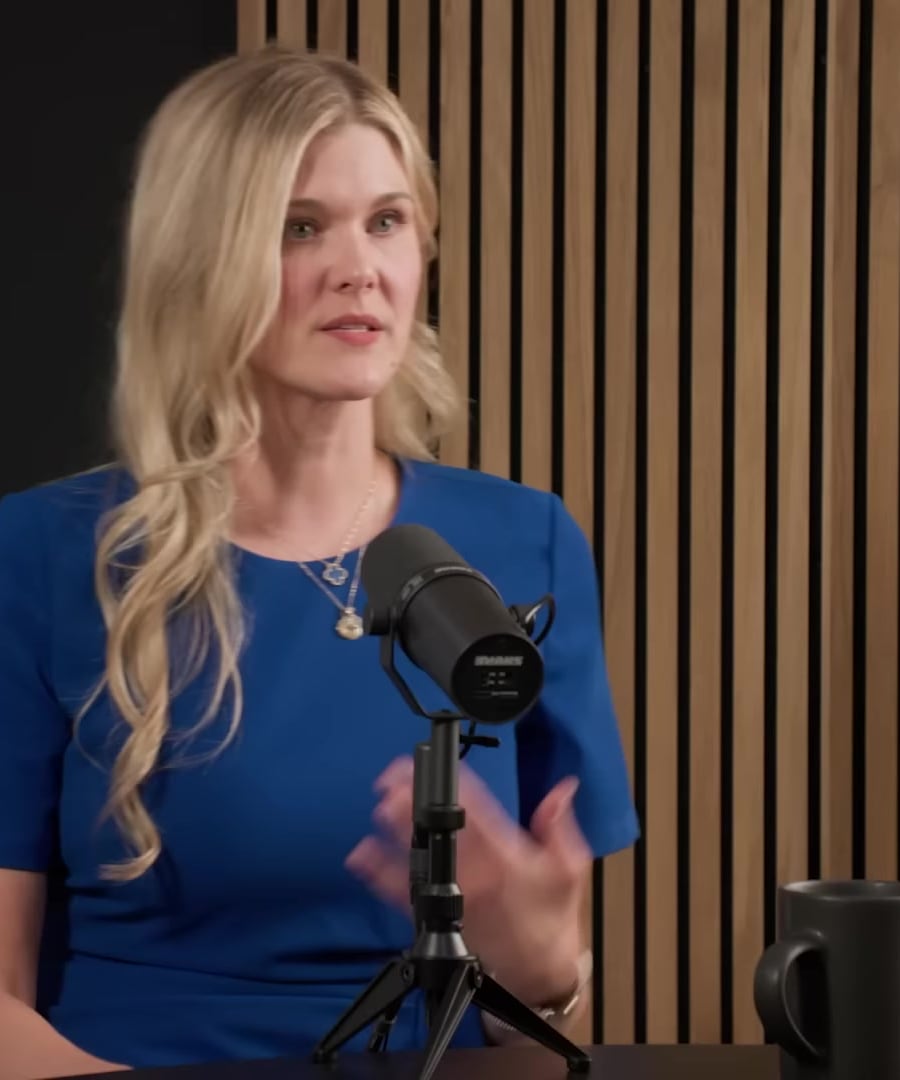
Perimenopause is the period before a woman's final menstrual cycle that can last up to ten years or more, with symptoms often starting in the thirties or forties. It can involve changes such as cycles getting closer together, poor sleep due to decreased progesterone, and increased anxiety possibly related to estrogen receptors. Fascinatingly, Heather Mosconi's research at Cornell points to massive alterations in female brain cerebral metabolism around age 40, with approximately a 20% decline from pre-menopause to post-menopause. Women experiencing significant perimenopausal and menopausal symptoms, such as hot flashes and night sweats, exhibit the most considerable cerebral hypometabolism, a condition almost akin to pseudo-dementia that can map onto Alzheimer's disease risk 1.
Hormonal shifts during perimenopause, particularly the decrease in estrogen around age 40, are believed to drive the cerebral hypometabolism. This is described as having symptoms like brain fog, which has led to women considering hormone therapy to mitigate risks, including declines in brain function. However, there's caution against hormone therapy unless needed for severe hot flashes or night sweats, due to the infamous Women's Health Initiative (WHI) study related concerns 2.
Meanwhile, lifestyle factors also influence the onset of menopause. Behaviors like smoking, exposure to toxins, and untreated chronic diseases like diabetes can lead to earlier menopause. Living a lower-inflammation lifestyle and avoiding toxins can help naturally prolong the time before menopause. Early menopause is associated with increased health risks such as dementia, heart disease, and osteoporosis 3.
Regarding hormone therapy during menopause, it is highlighted that if started within ten years of menopause, typically between ages 51-52, hormone therapy can be very beneficial. The WHI study indicated that premature use of hormone therapy could lead to adverse health effects, but when initiated at the right time, the outcomes are generally positive, leading to decreased cardiovascular disease, improved bone health, and reduced diabetes progression 4.
Lastly, hormone replacement therapy (HRT) for menopausal symptoms has evolved from using only estrogen, which increased uterine cancer risk, to combining estrogen with progesterone to mitigate such risks. The WHI study in the 1990s tackled this with two parallel arms to assess the proper approach for HRT 5.
Summarize Dr. Sara Gottfried: How to Optimize Female Hormone Health for Vitality & Longevity | Huberman Lab
Episode Summary: Dr. Sara Gottfried: How to Optimize Female Hormone Health for Vitality & Longevity
In this episode of the , discusses female hormone health with , a gynecologist and bestselling author. The conversation covers a wide range of topics critical to understanding and optimizing female hormone health for both vitality and longevity.
Key Topics:
-
Female Hormones and Health:
- The discussion starts by explaining the role of key female hormones and how they impact overall health.
-
Hormonal Balance:
- Importance of maintaining hormonal balance, including the interplay (referred to as the "hormonal tango") between different hormones and their effects on the body.
- How hormonal contraceptives can influence hormonal balance.
-
Microbiome Insights:
- The connection between the gut microbiome and estrogen levels.
- The role of probiotics and prebiotics in promoting gut health.
-
Nutrient Testing and Supplements:
- The significance of micronutrient testing and the benefits of specific supplements like magnesium for women's health.
-
Constipation and Gut Health:
- Discussion on managing constipation, signals to look for, and interventions to improve bowel movements.
- The impact of stress and alcohol on gut health and constipation.
-
Stress and Women's Health:
- Techniques to manage stress, including breathing exercises.
- The effects of cortisol on health and strategies to lower cortisol levels.
-
PCOS (Polycystic Ovary Syndrome):
- Detailed insights into PCOS, its health implications, and the role of insulin.
- Use of continuous glucose monitors to manage insulin levels.
-
Menopause and Brain Health:
- Changes in the brain during perimenopause and menopause.
- Hormone therapy for menopause and its effects on preventing conditions like dementia.
-
Fertility and Birth Control:
- Risks associated with birth control, including potential links to ovarian cancer.
- Fertility assessment and planning.
-
Diet and Inflammation:
- Benefits of a ketogenic diet for some women.
- The role of omega-3 fatty acids in reducing inflammation.
-
Vitality and Longevity:
- Overall strategies to maintain vitality and prolong longevity through optimal hormone health and lifestyle choices.
This episode is a comprehensive guide on how women can take charge of their hormone health to enhance their overall well-being and lifespan.
For those wanting more details, the full episode is available on the .
RELATED QUESTIONS-
Perimenopause
Summarize Dr. Sara Gottfried: How to Optimize Female Hormone Health for Vitality & Longevity | Huberman Lab
- RELATED QUESTIONS