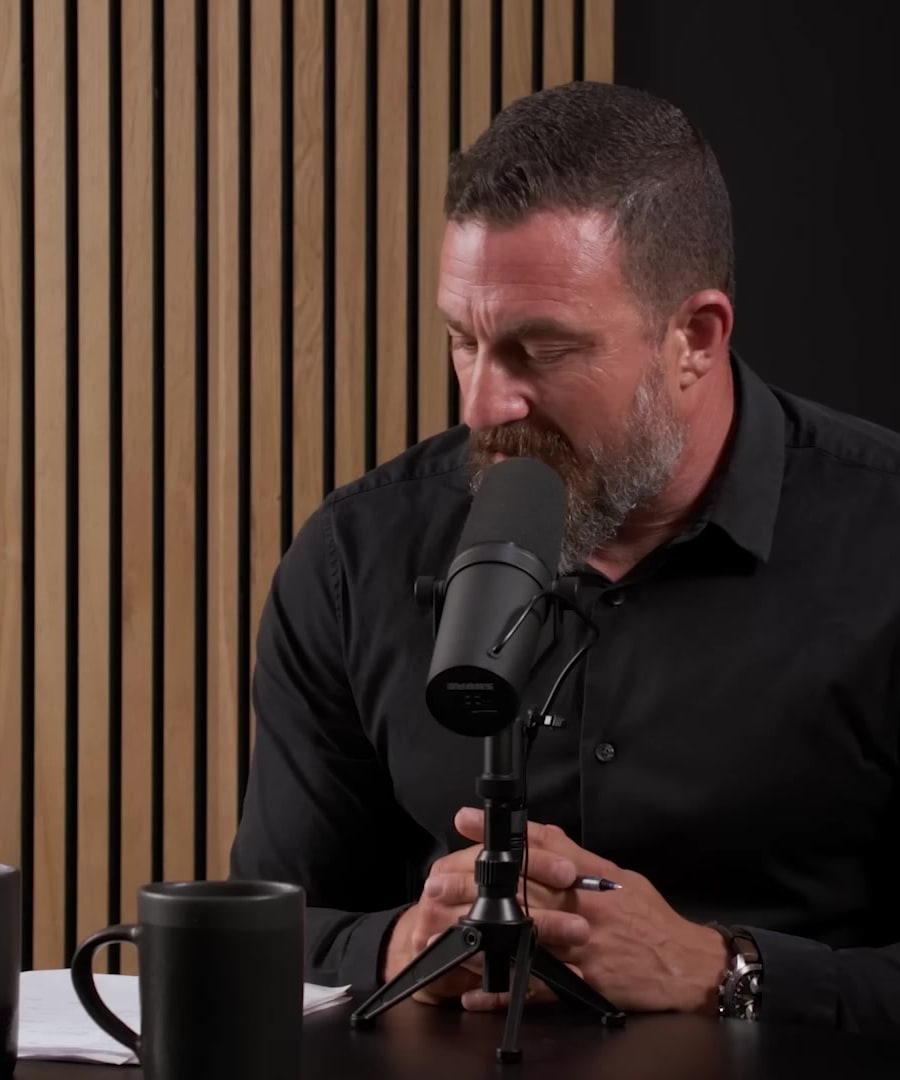
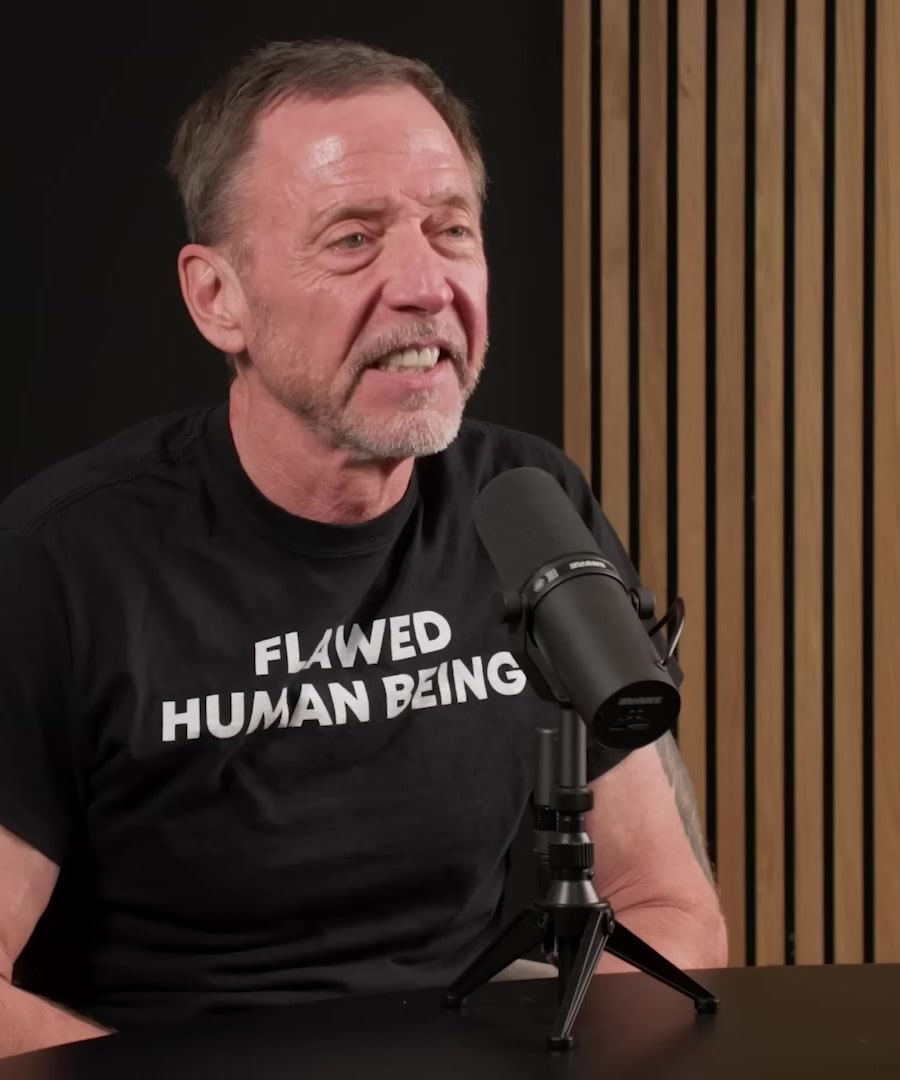
I have a question about this episode How to Double Your Revenue | Donald Miller | EntreLeadership and this Understanding Customer Pain I have a question about the episode Negotiation Strategies for Regular People & Brain Hacks to Get Things Done That You Hate To Do and the clip Negotiation Tactics. How do you negotiate the price of a new car?
Sources:
Negotiating the price of a new car involves understanding certain negotiation tactics that can help you achieve a favorable deal. As discussed by in various clips on negotiation dynamics, here are a few strategies to consider:
-
Ask How and What Questions: These types of questions encourage deep thinking and can help you gauge the dealer's response. For example, asking "How did you arrive at that price?" or "What flexibility do you have on the price?" can be effective to start the negotiation process 1.
-
Stay Calm and Observant: It's essential to remain calm during negotiations to ensure you make rational decisions. Observe the dealer's body language and tone to understand their level of willingness to negotiate or any hesitations they might display 2.
-
Establish Effort and Value: Like many negotiations, it is important that both parties feel like they've earned the outcome. Ensure that you communicate your efforts and make the process seem valuable to the dealer, which might make them more willing to negotiate 3.
These strategies emphasize the significance of patience, observation, and questioning in negotiations, which can substantially improve your chances of negotiating a favorable price when buying a new car.
RELATED QUESTIONS-
What are other negotiation strategies?
Sources:
Here are several negotiation strategies that can be useful in various contexts, as discussed by :
-
Ask "How" and "What" Questions: These questions are designed to prompt deep thinking and can reveal the true nature of the other party. They also help in slowing down aggressive negotiators, wearing them out mentally and physically, especially in high-stakes scenarios 1.
-
Understanding Leverage: Assess whether the other party is in a legitimate position to influence or scam you. Establishing the authenticity of their position is crucial. This assessment can apply to both simple negotiations and complex hostage situations 2.
-
Emotional and Effort Investment: People need to feel like they've worked for their outcome, which can make a negotiation more satisfying for all involved. Creating this perception can involve making the other party work through passive-aggressive questioning 2.
-
Benevolent Negotiation: In friendly or cooperative settings, be cautious of the "win-win" term, as it can sometimes be used to disguise ulterior motives. Ensure both parties genuinely feel good about the outcome rather than being tricked into a false sense of fairness 3.
-
Mastering Mindset: Go into negotiations with a mindset of curiosity and readiness to diagnose the situation quickly. Determine early on if the deal is worth pursuing to avoid wasting time on bad or nonexistent deals 4.
-
Effective Listening: Employ tools like the "sounds like" approach to engage in active listening and maintain constructive dialogue. This promotes understanding and can improve interaction quality, a skill useful in all negotiations 5.
These strategies highlight the importance of preparation, understanding human psychology, and ensuring both parties feel satisfied with the negotiation process.
RELATED QUESTIONS-
I have a question about this episode How to Double Your Revenue | Donald Miller | EntreLeadership and this Understanding Customer Pain I have a question about the episode Negotiation Strategies for Regular People & Brain Hacks to Get Things Done That You Hate To Do and the clip Negotiation Tactics. How do you negotiate the price of a new car?
- RELATED QUESTIONS
What are other negotiation strategies?
- RELATED QUESTIONS