The Science of Love, Desire and Attachment | Huberman Lab Podcast #59

Topics covered
Popular Clips

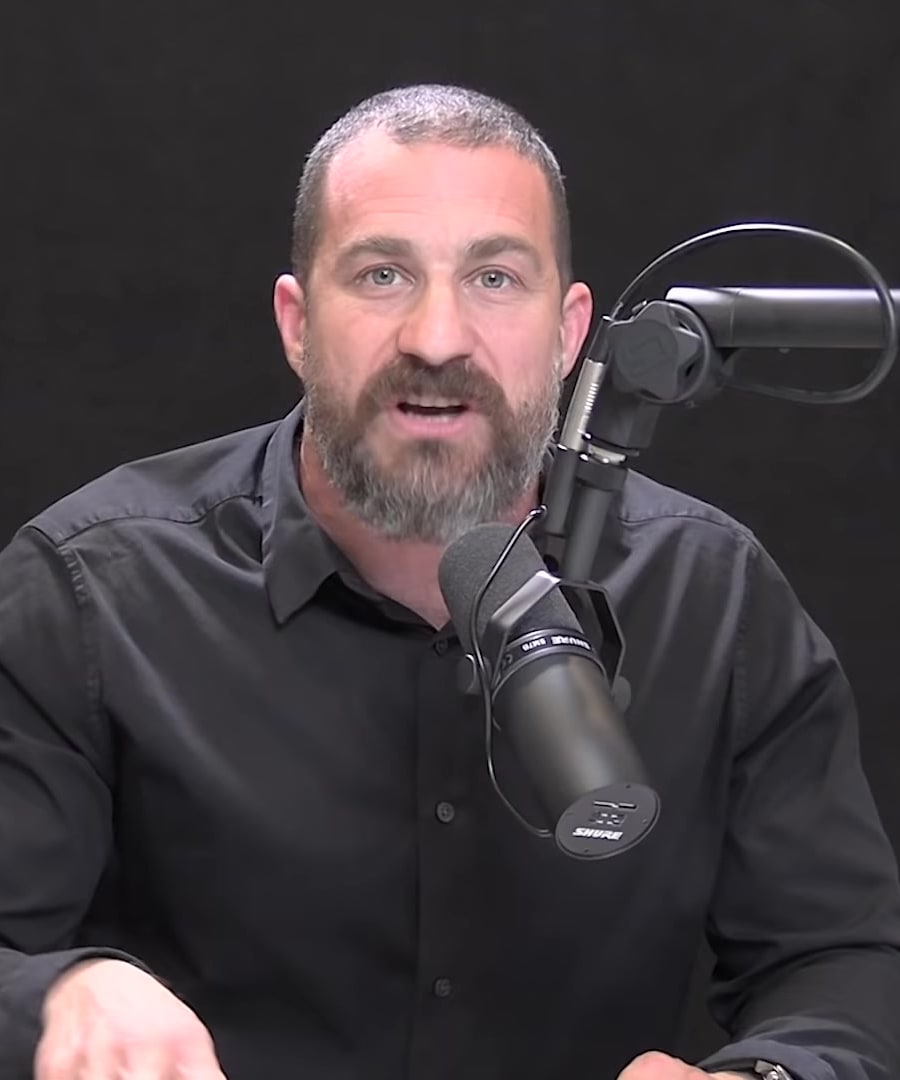
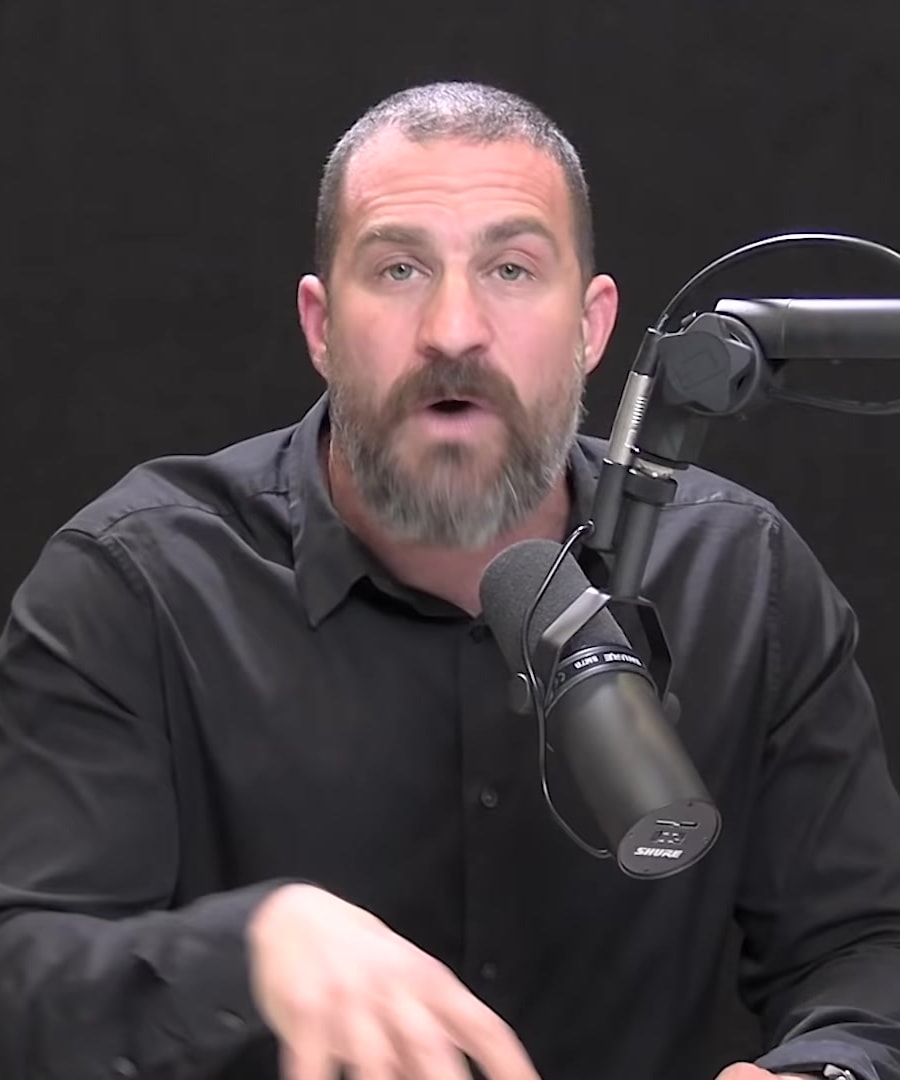
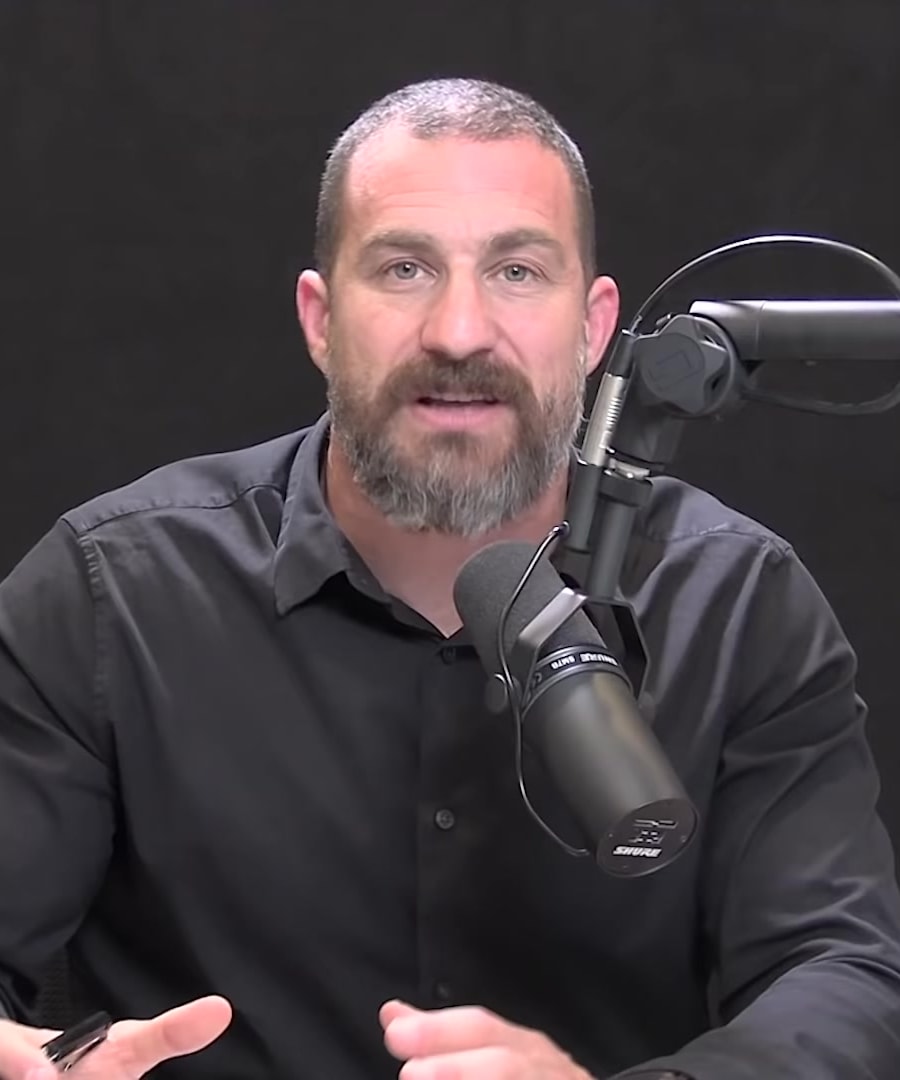

Episode Highlights
Hormones
explores the intricate role of hormones like dopamine, serotonin, oxytocin, and vasopressin in love and attachment. He highlights how dopamine, often linked to reward, is actually a molecule of motivation and pursuit, crucial for desire and attachment 1. Vasopressin, another key hormone, influences monogamous behaviors, as seen in prairie voles, and has parallels in human attachment 2. Testosterone and estrogen also play significant roles in libido and mating behavior, challenging the simplistic view that testosterone alone drives sex drive 3.
Dopamine is not unique to attachment, or love, or sex, or mating, et cetera. It is a universal generic currency in the brain for pursuing something.
---
These hormones create a complex interplay that underpins our experiences of love and desire.
Brain Circuits
The brain's circuitry for love and attachment involves multiple areas working in concert, rather than isolated regions. explains that the autonomic nervous system, which regulates alertness and calmness, plays a crucial role in forming and maintaining attachments 4. Studies show that touch activates brain areas like the insular cortex, linking internal feelings with external experiences, and is essential in transitioning from desire to love to attachment 5. EEG studies further reveal how romantic interactions engage brain circuits, highlighting the dynamic nature of love's neural mechanisms 6.
Different brain areas being active in different sequences and with different intensities can make us feel as if we are in the mode that we call desire, or in the mode of love, or in the mode of attachment.
---
This complex network of brain activity underscores the multifaceted nature of romantic relationships.
Related Episodes

The Science of Emotions & Relationships | Huberman Lab Podcast #13
Answers 383 questionsThe Science of Setting & Achieving Goals | Huberman Lab Podcast #55
Answers 383 questionsThe Science & Treatment of Bipolar Disorder | Huberman Lab Podcast #82
Answers 383 questionsThe Science & Process of Healing from Grief | Huberman Lab Podcast #74
Answers 383 questionsThe Science of Healthy Hair, Hair Loss and How to Regrow Hair | Huberman Lab Podcast
Answers 383 questionsHow to Increase Motivation & Drive | Huberman Lab Podcast #12
Answers 383 questionsThe Science of How to Optimize Testosterone & Estrogen | Huberman Lab Podcast #15
Answers 383 questionsThe Science of Making & Breaking Habits | Huberman Lab Podcast #53
Answers 383 questionsScience-Based Tools for Increasing Happiness | Huberman Lab Podcast #98
Answers 383 questionsHow to Control Your Sense of Pain & Pleasure | Huberman Lab Podcast #32
Answers 383 questions