Dr. David Anderson: The Biology of Aggression, Mating, & Arousal | Huberman Lab Podcast #89

Topics covered
Popular Clips



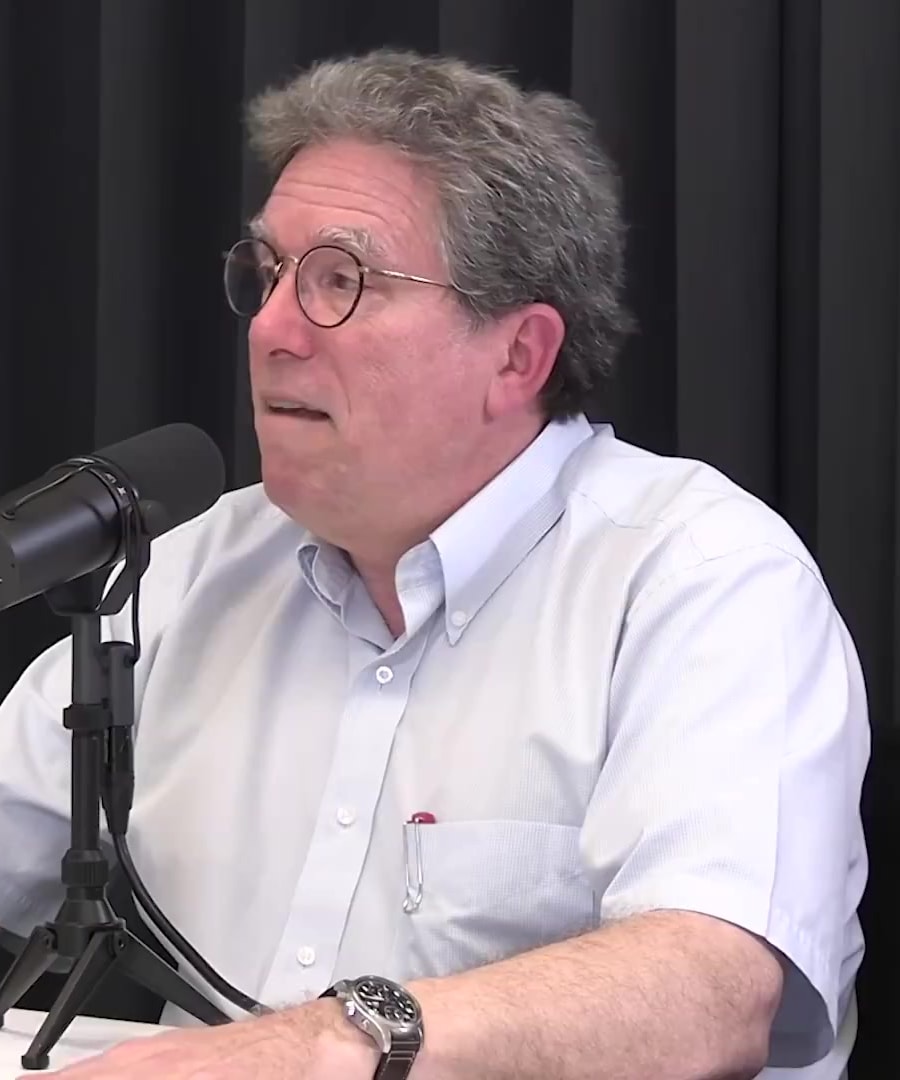
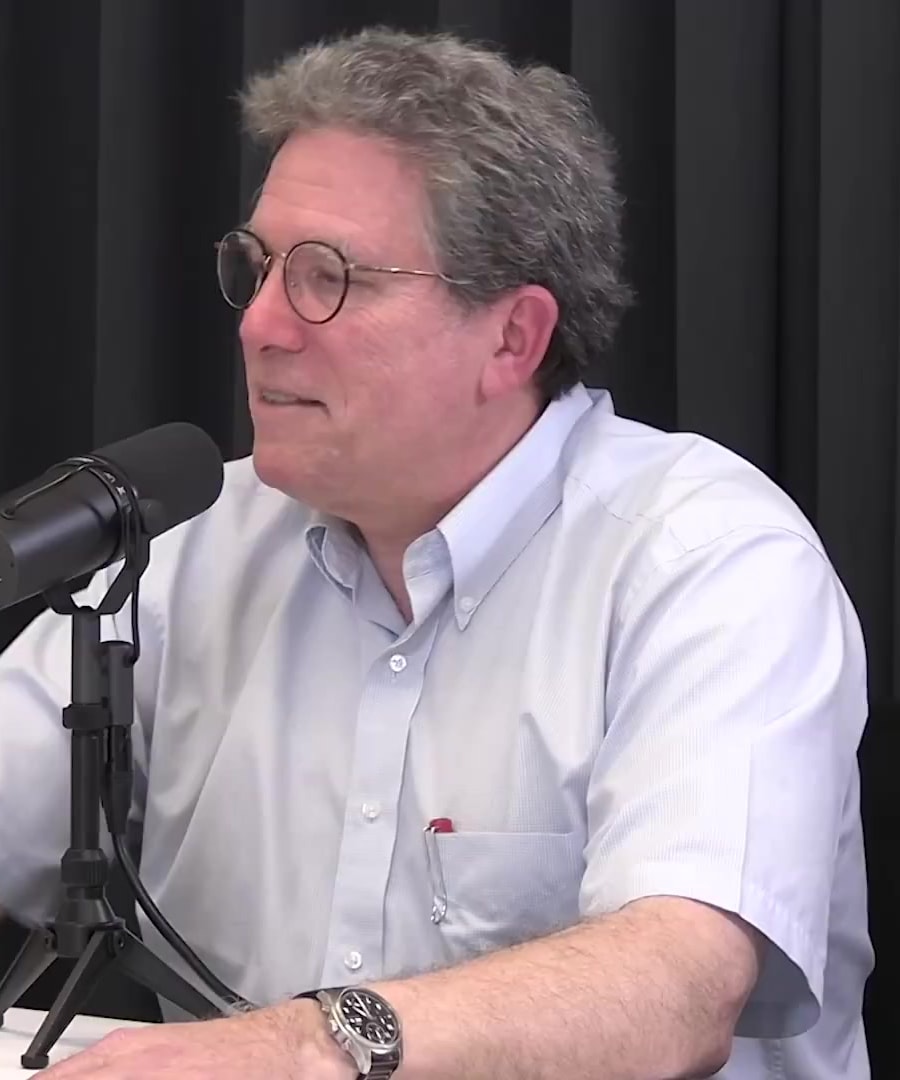

Episode Highlights
Emotions vs. States
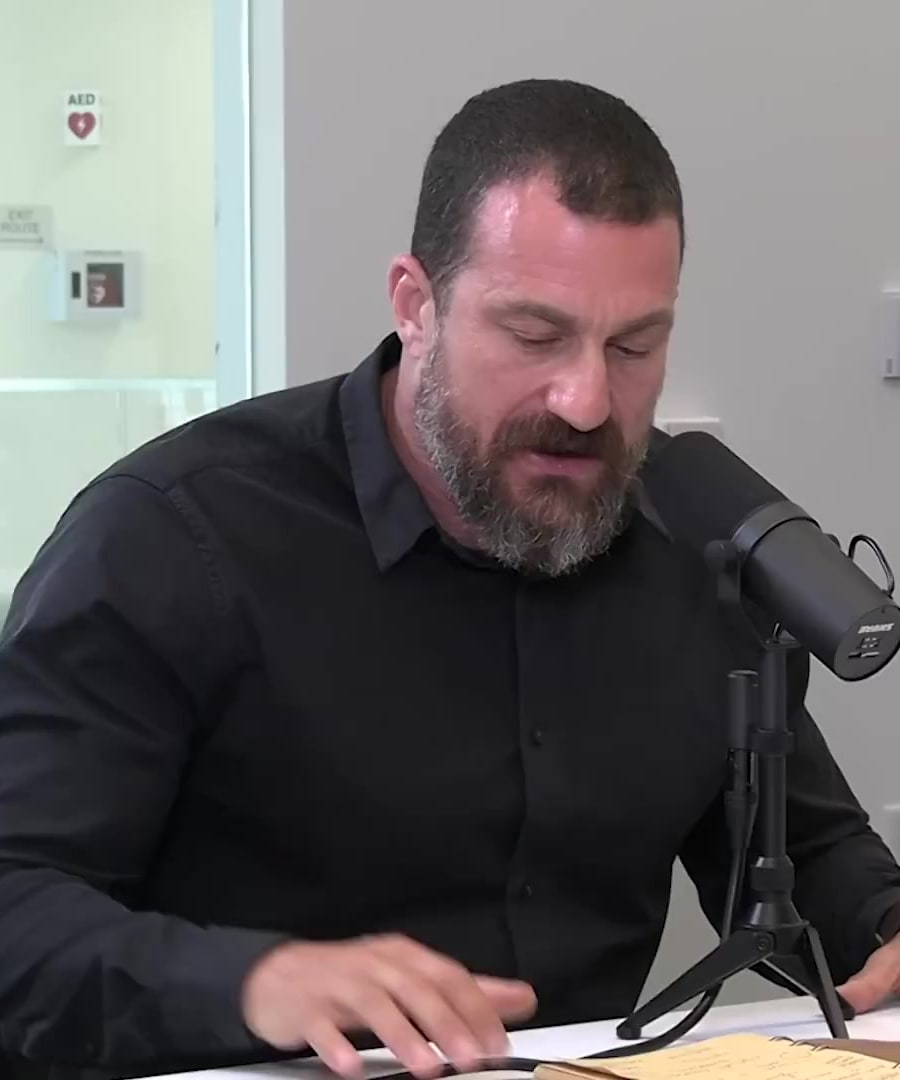
Dr. explores the distinction between emotions and states, emphasizing the latter's utility in understanding behavior. He describes emotions as a subset of internal states, akin to arousal and motivation, which influence the brain's input-output processes 1. This perspective shifts the focus from psychological to neurobiological processes, circumventing definitional issues associated with emotions. likens emotions to the submerged part of an iceberg, with feelings being the visible tip 1.
Emotions are a class of state that controls behavior, focusing on neurobiological processes rather than psychological ones.
---
He further explains that emotions, unlike reflexes, persist beyond the initial stimulus, affecting subsequent behaviors and interactions 2.
State Dimensions
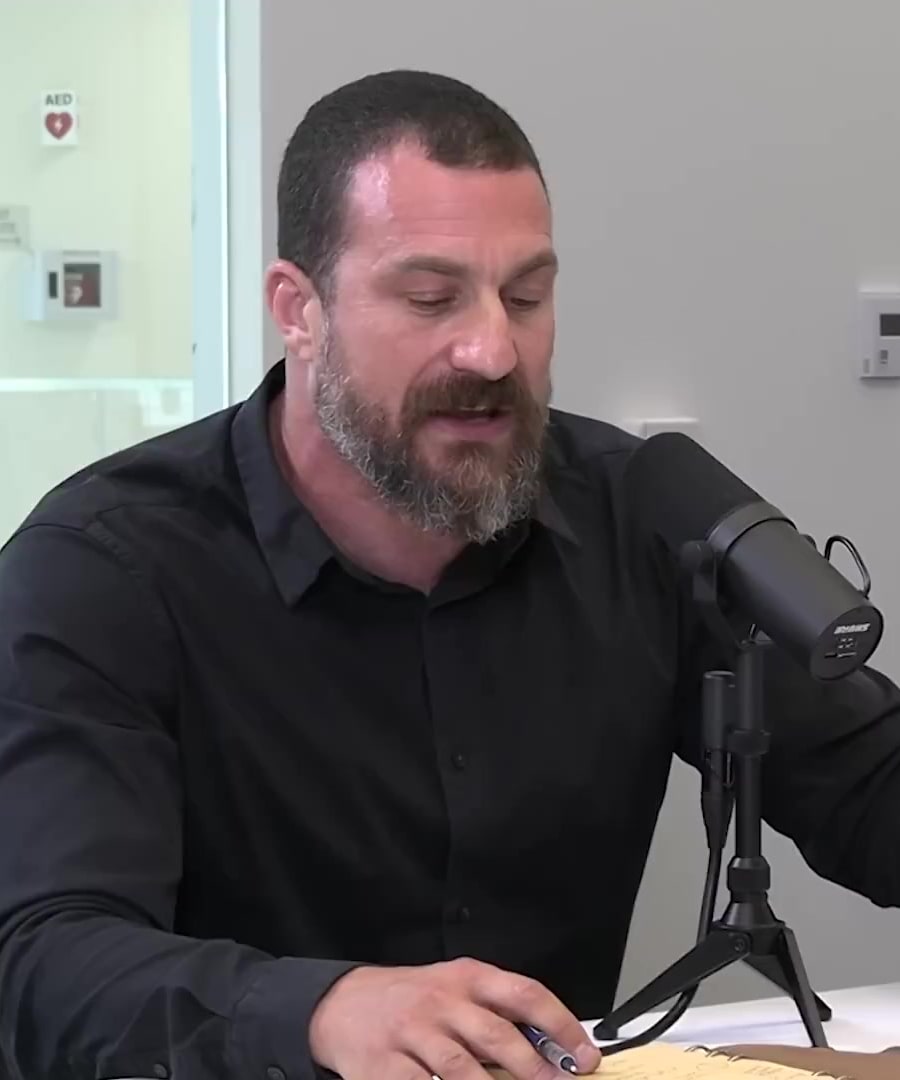
The dimensions of emotional states, such as persistence and intensity, play crucial roles in shaping behavior. highlights persistence as a key feature, noting how emotions can outlast their triggering stimuli, unlike reflexes 2. This persistence can lead to generalized responses in different contexts, such as reacting differently to a child's behavior based on one's workday experience. He also introduces the concept of hydraulic pressure, comparing it to homeostatic behaviors like hunger and thirst, where pressure builds up due to unmet needs 3.
Emotions tend to outlast the stimulus that evokes them, leading to persistent states that influence behavior.
---
This notion of pressure helps explain why certain emotional states, like anger, can be difficult to dissipate once triggered.
Related Episodes

Understanding & Controlling Aggression | Huberman Lab Podcast #71
Answers 383 questionsThe Science of Emotions & Relationships | Huberman Lab Podcast #13
Answers 383 questionsThe Science of Love, Desire and Attachment | Huberman Lab Podcast #59
Answers 383 questions
Dr. David Berson: Your Brain's Logic & Function | Huberman Lab Podcast #50
Answers 383 questions
Dr. Lisa Feldman Barrett: How to Understand Emotions | Huberman Lab Podcast
Answers 383 questionsThe Science of Setting & Achieving Goals | Huberman Lab Podcast #55
Answers 383 questionsThe Science & Treatment of Bipolar Disorder | Huberman Lab Podcast #82
Answers 383 questionsHow to Increase Motivation & Drive | Huberman Lab Podcast #12
Answers 383 questionsThe Science of How to Optimize Testosterone & Estrogen | Huberman Lab Podcast #15
Answers 383 questionsThe Science of Healthy Hair, Hair Loss and How to Regrow Hair | Huberman Lab Podcast
Answers 383 questions