Dr. David Anderson: The Biology of Aggression, Mating, & Arousal | Huberman Lab Podcast #89

Topics covered
Popular Clips


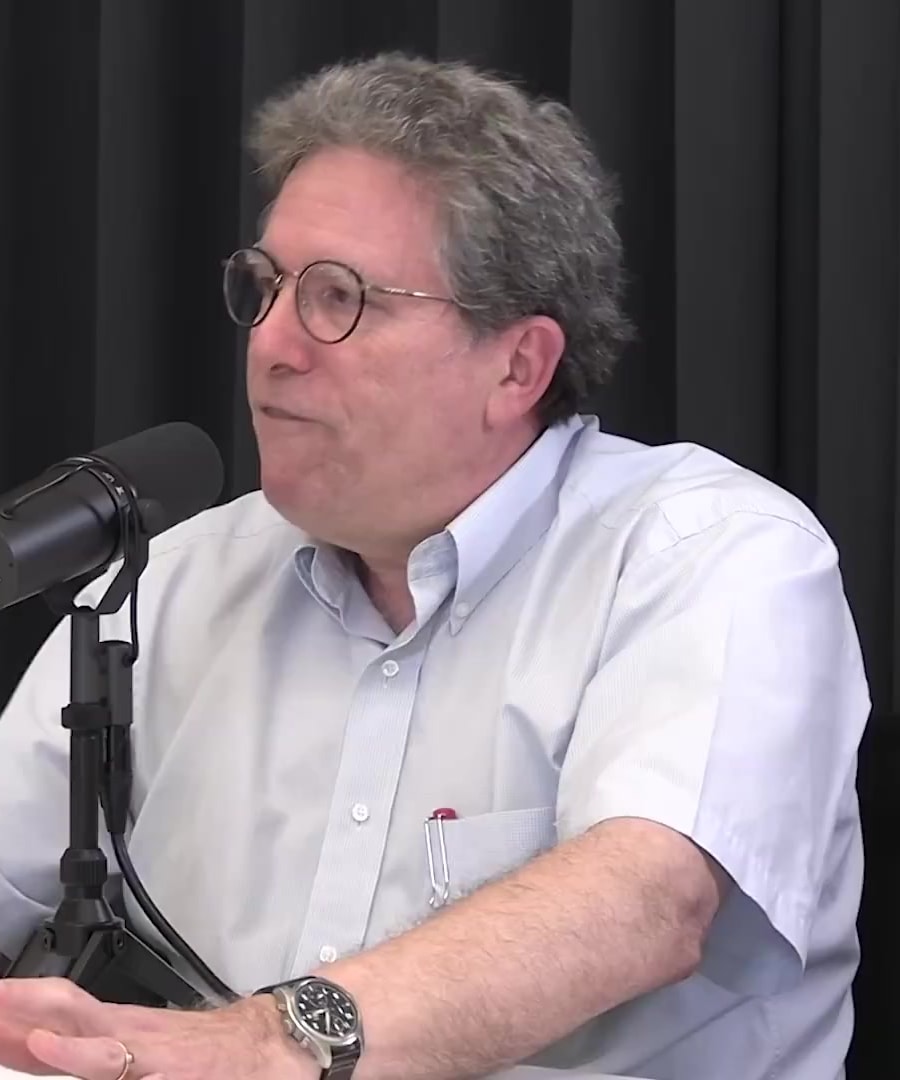

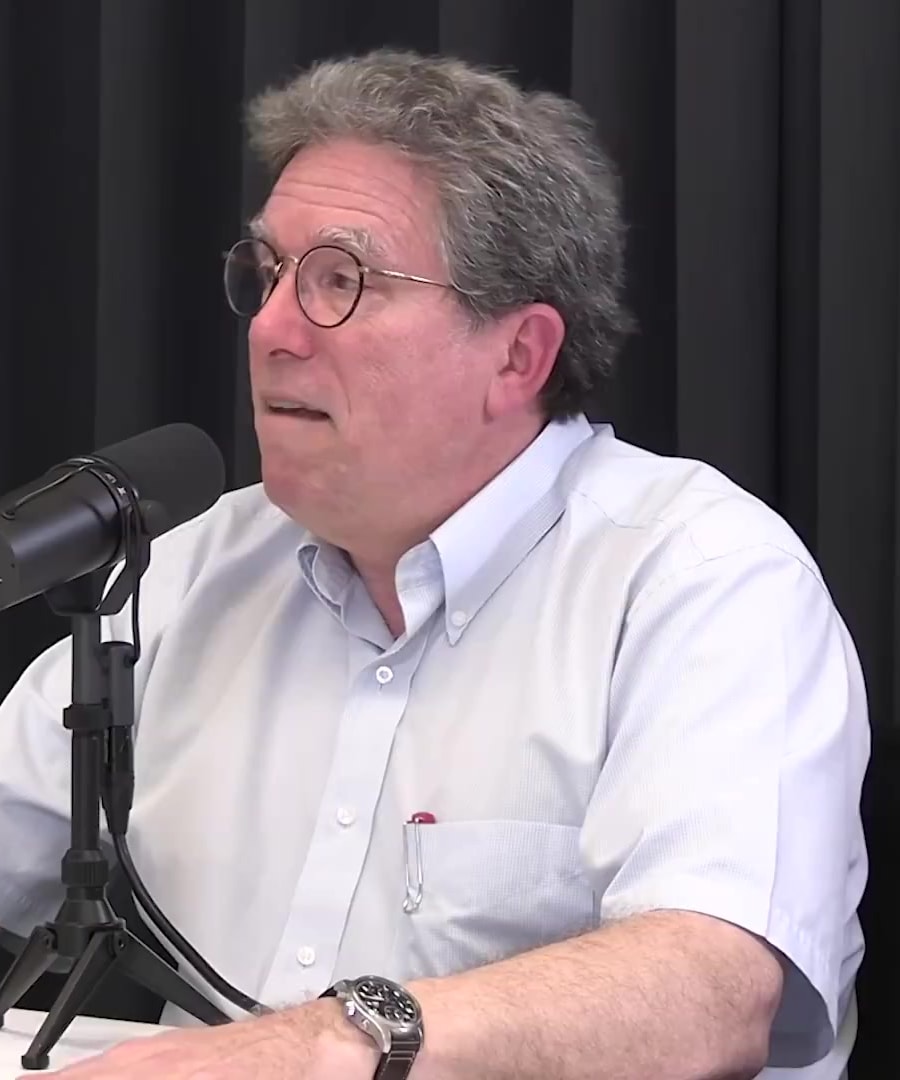
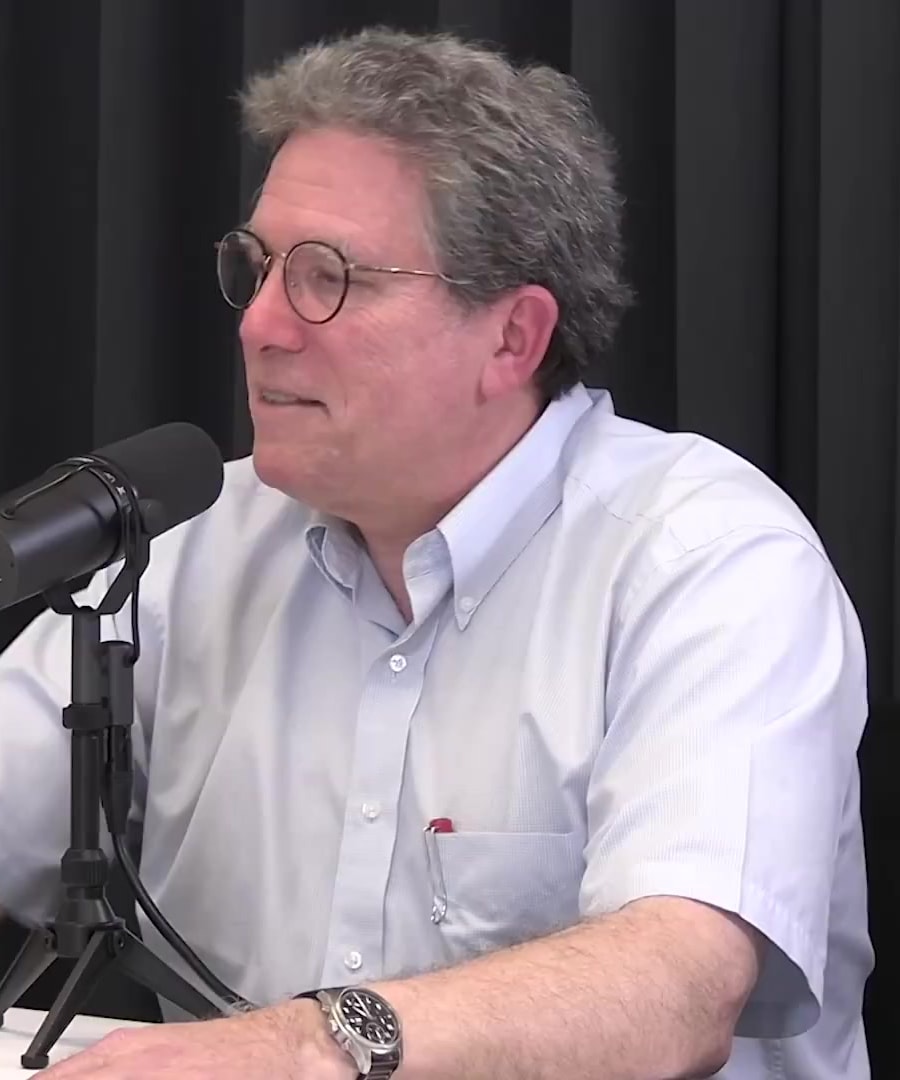

Episode Highlights
Hormonal Influence
Hormones play a complex role in aggression, challenging common myths about testosterone and estrogen. explains that testosterone doesn't simply make individuals aggressive, nor does estrogen make them passive. Instead, both hormones are intricately involved in aggression, with estrogen receptors being crucial for aggression in male mice 1. highlights the surprising role of progesterone and estrogen in male aggression, revealing that these hormones, typically associated with female reproduction, are vital in controlling aggression in males 1. He also notes the presence of sex-specific neurons in both male and female brains, which influence aggression differently 2.
Neural Dynamics
The brain's neural circuitry intricately influences aggression, with specific regions like the ventromedial hypothalamus (VMH) playing a pivotal role. describes how neurons responsible for fear and aggression are closely positioned, suggesting an evolutionary link between defensive behaviors and offensive aggression 3. He explains that while fear can inhibit offensive aggression, defensive aggression is often enhanced by fear 3. Optogenetics has allowed researchers to stimulate specific neurons in the VMH, revealing that aggression can be rewarding for male mice, who will seek out opportunities to engage in aggressive behaviors 4.
Aggression Types
Aggression manifests in various forms, including offensive, defensive, and predatory types, each with distinct neural mechanisms. and discuss how aggression is more a behavioral description than an internal state, influenced by factors like fear and hunger 4. Anderson's research using optogenetics has identified specific neurons in the VMH that, when stimulated, can evoke aggression, highlighting the complexity of these neural circuits 4. The VMH acts as both an antenna and a broadcasting center, integrating sensory information and triggering aggression-related responses throughout the brain 5.
Related Episodes

Understanding & Controlling Aggression | Huberman Lab Podcast #71
Answers 383 questionsThe Science of Emotions & Relationships | Huberman Lab Podcast #13
Answers 383 questionsThe Science of Love, Desire and Attachment | Huberman Lab Podcast #59
Answers 383 questions
Dr. David Berson: Your Brain's Logic & Function | Huberman Lab Podcast #50
Answers 383 questions
Dr. Lisa Feldman Barrett: How to Understand Emotions | Huberman Lab Podcast
Answers 383 questionsThe Science of Setting & Achieving Goals | Huberman Lab Podcast #55
Answers 383 questionsThe Science & Treatment of Bipolar Disorder | Huberman Lab Podcast #82
Answers 383 questionsHow to Increase Motivation & Drive | Huberman Lab Podcast #12
Answers 383 questionsThe Science of How to Optimize Testosterone & Estrogen | Huberman Lab Podcast #15
Answers 383 questionsThe Science of Healthy Hair, Hair Loss and How to Regrow Hair | Huberman Lab Podcast
Answers 383 questions