

AMA #16: Sleep, Vertigo, TBI, OCD, Tips for Travelers, Gut-Brain Axis & More

Topics covered
Popular Clips
Questions from this episode
- Asked by 3,192 people
- Asked by 3,017 people
- Asked by 2,212 people
- Asked by 2,149 people
- Asked by 1,939 people
- Asked by 1,301 people
- Asked by 1,014 people
- Asked by 937 people
- Asked by 651 people
- Asked by 552 people
- Asked by 450 people
- Asked by 383 people
- Asked by 365 people
- Asked by 342 people
- Asked by 334 people
Episode Highlights
OCD Causes
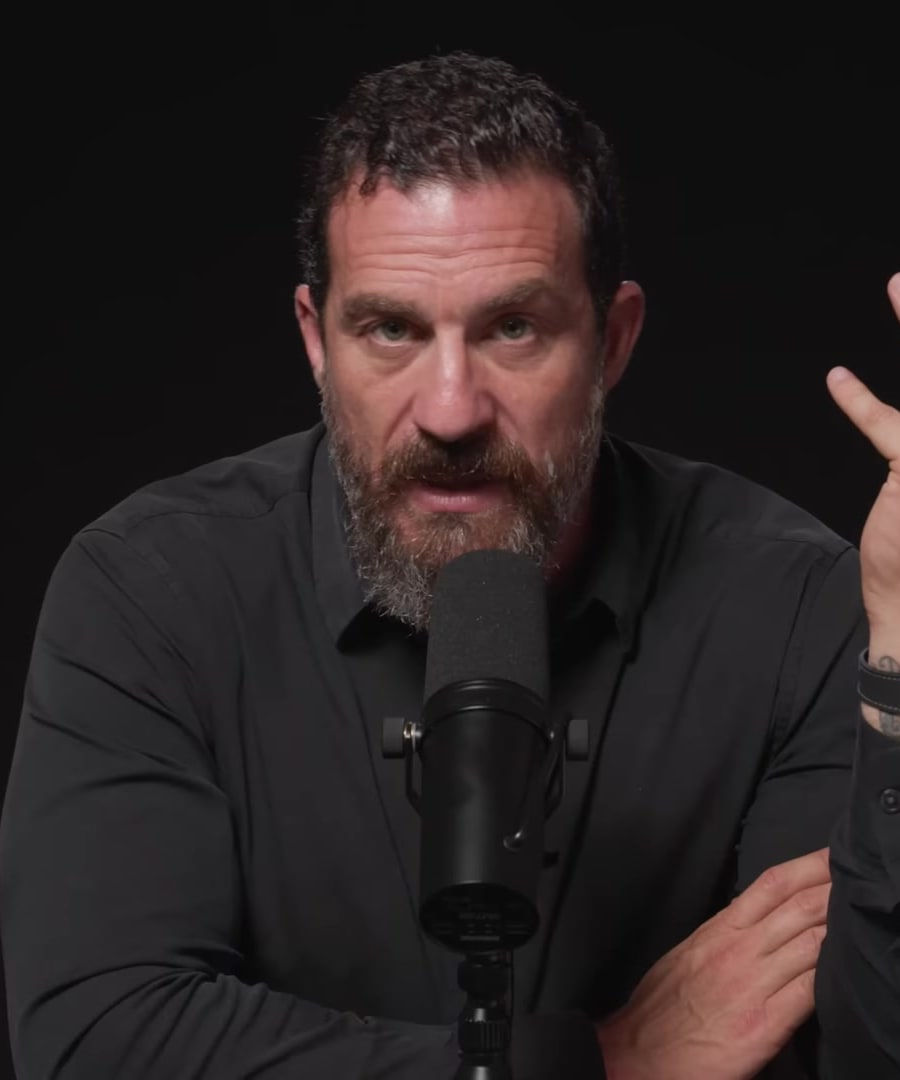
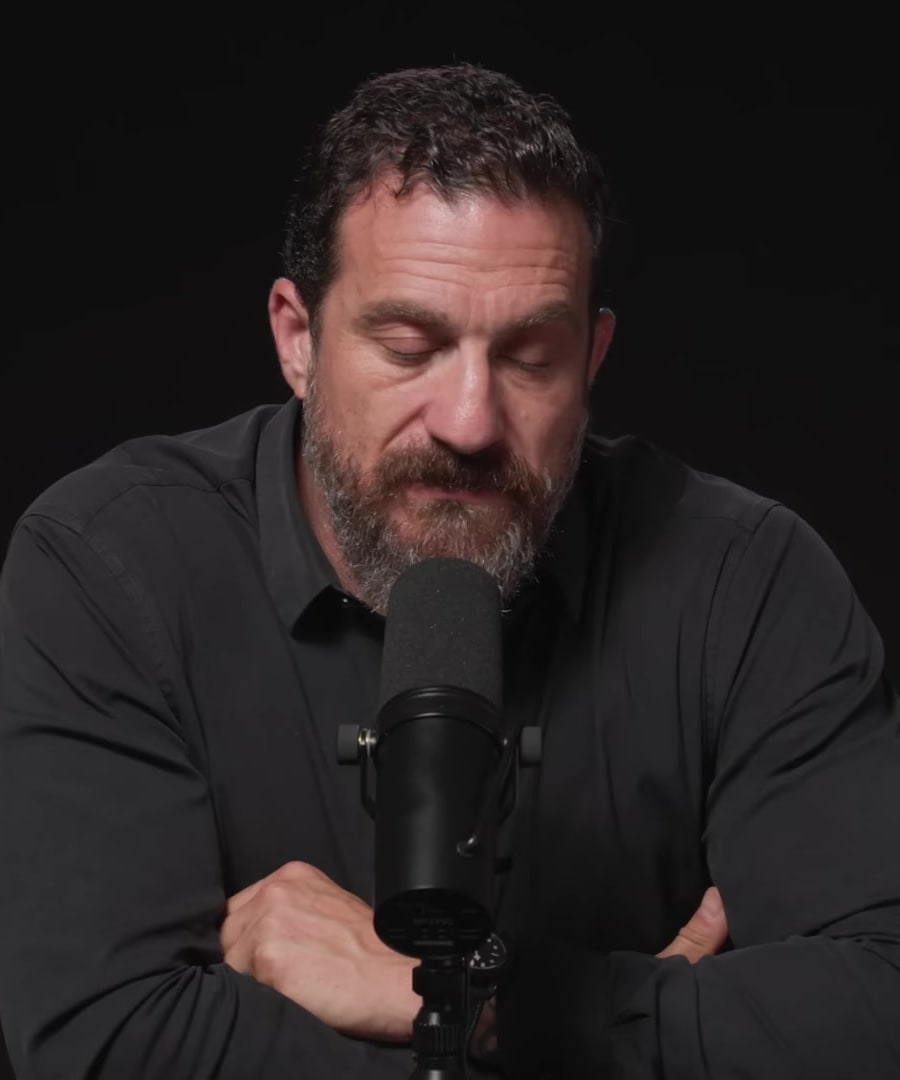
explores the neurological underpinnings of OCD, highlighting the miswirings in the basal ganglia and their connection to the dopamine reward system. He explains that OCD is characterized by obsessions and compulsions, where the latter exacerbates rather than alleviates the former. This unique neurological twist makes OCD particularly challenging to manage, as the compulsive actions intensify the obsessive thoughts 1.
OCD involves obsessions and compulsions, but unlike an itch that you scratch, the scratching of the itch makes it worse.
---
Huberman emphasizes the need for neurological treatment, noting that behavioral interventions alone may not suffice for severe cases 1.
Treatment Strategies
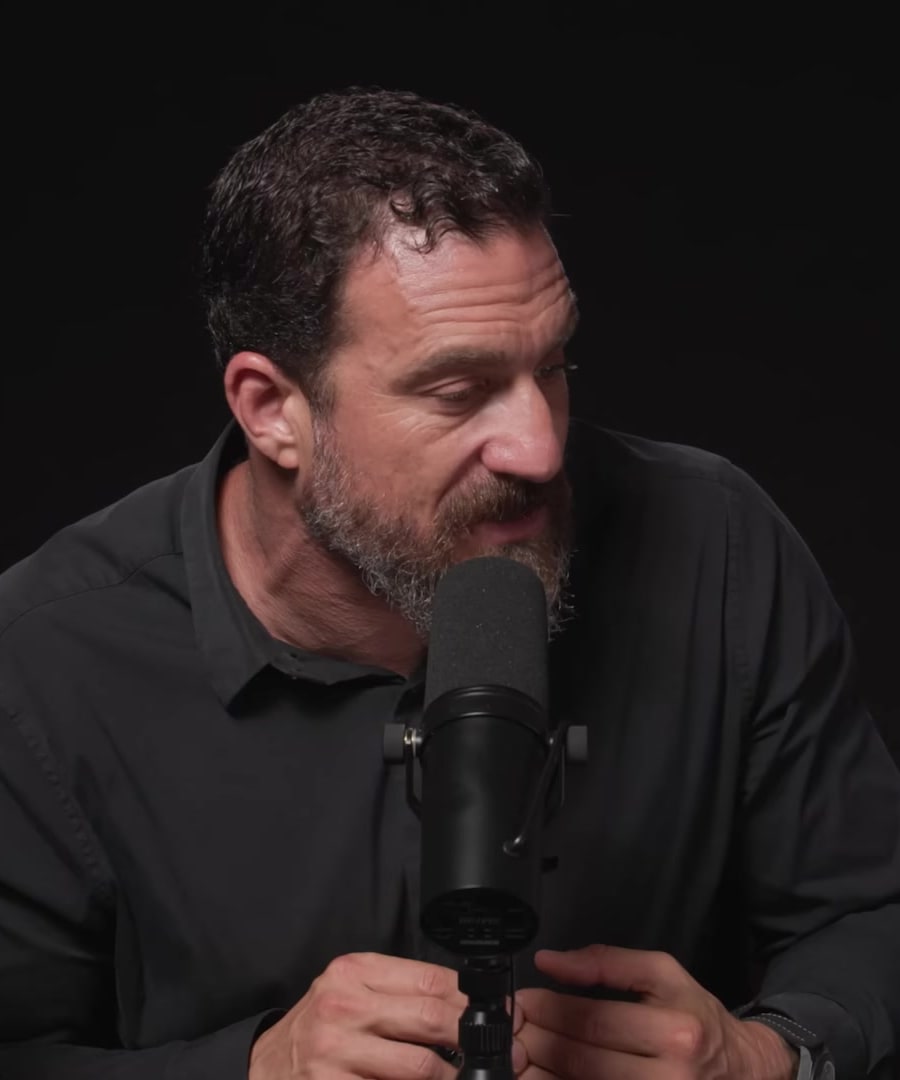
Addressing OCD requires a multifaceted approach that includes both pharmacological and behavioral strategies. discusses the role of SSRIs and other neuromodulators in facilitating neuroplasticity, which is crucial for overcoming the brain's malwirings associated with OCD. He stresses the importance of combining medication with behavioral therapies, such as exposure and response prevention, to effectively manage symptoms 1.
It's very important to get plasticity... you have opened up the window for plasticity.
---
Huberman also mentions the potential of transcranial magnetic stimulation as an adjunct treatment, highlighting the need for a comprehensive plan tailored to each individual's needs 1.
Related Episodes

LIVE EVENT Q&A: Dr. Andrew Huberman at the Sydney Opera House
Answers 383 questionsLIVE EVENT Q&A: Dr. Andrew Huberman Question & Answer in Toronto, ON
Answers 383 questionsAMA #8: Balancing Caffeine, Decision Fatigue & Social Isolation
Answers 383 questionsHow to Optimize Your Brain-Body Function & Health | Huberman Lab Podcast #30
Answers 383 questionsAMA #17: Making Time for Fitness, Top Sleep Tools & Best Learning Strategies
Answers 383 questionsLIVE EVENT Q&A: Dr. Andrew Huberman Question & Answer in Melbourne, AU
Answers 383 questionsAMA #14: 2023 Philanthropy, Evening Routine, Light Therapy, Health Metrics & More
Answers 383 questionsLIVE EVENT Q&A: Dr. Andrew Huberman at the ICC Sydney Theatre
Answers 383 questionsAMA #7: Cold Exposure, Maximizing REM Sleep & My Next Scientific Studies
Answers 383 questionsLIVE EVENT Q&A: Dr. Andrew Huberman at the Brisbane Convention & Exhibition Centre
Answers 383 questionsUsing Science to Optimize Sleep, Learning & Metabolism | Huberman Lab Podcast #3
Answers 383 questionsMaster Your Sleep & Be More Alert When Awake | Huberman Lab Podcast #2
Answers 383 questions