The Science Behind Low Libido and How to Revitalize Your Sex Life

Topics covered
Popular Clips
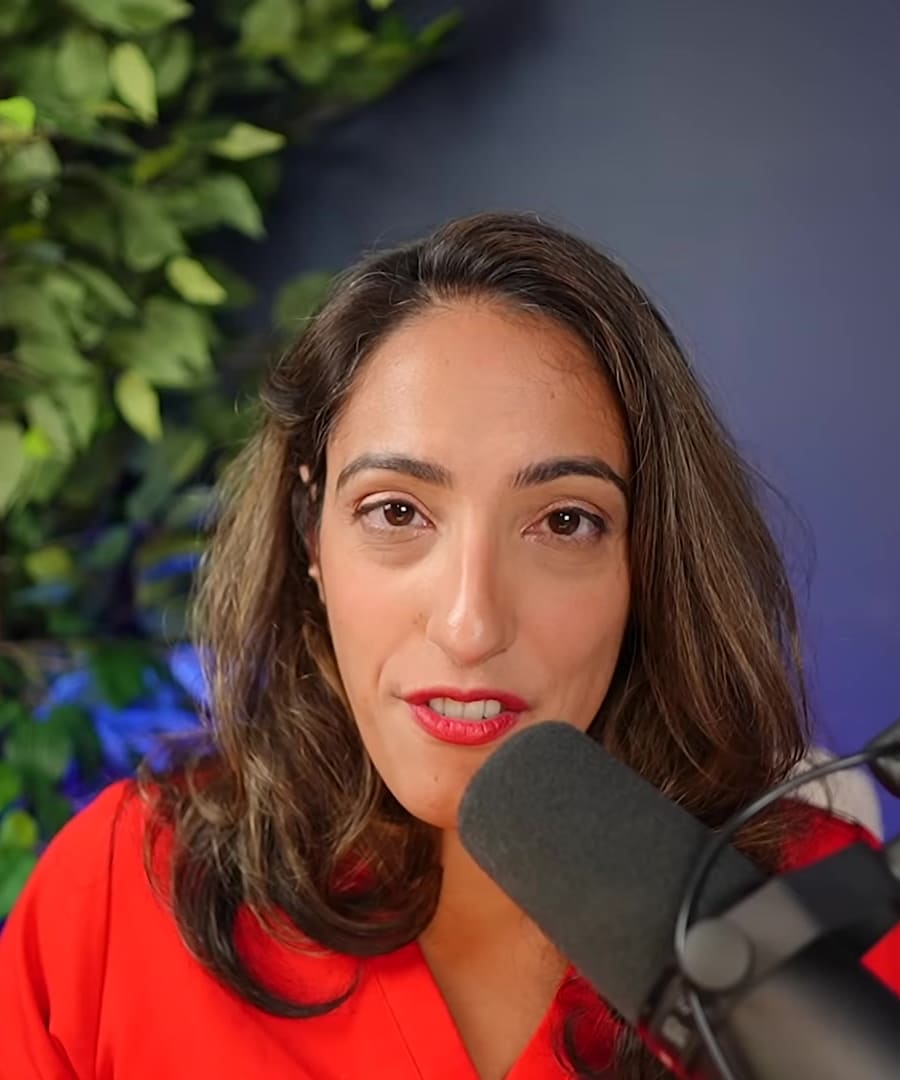



Questions from this episode
- Asked by 3,112 people
- Asked by 2,137 people
- Asked by 2,128 people
- Asked by 1,894 people
- Asked by 1,555 people
- Asked by 778 people
- Asked by 630 people
- Asked by 552 people
- Asked by 549 people
- Asked by 442 people
- Asked by 393 people
- Asked by 374 people
- Asked by 264 people
- Asked by 242 people
Episode Highlights
Medication Insights
Dr. provides a detailed overview of pharmaceutical treatments for low libido. She explains that medications like bremelanotide and flibanserin work on different neurological pathways to enhance sexual desire. However, these medications come with specific usage guidelines and potential side effects, such as nausea and fatigue 1. Dr. Malik also discusses the variability in supplement quality, particularly DHEA, and its effects on sexual desire in postmenopausal women 2. Additionally, she highlights the off-label use of bupropion, an antidepressant that has shown promise in increasing sexual desire, especially in men 3.
When it works, it works pretty well. Interestingly, they did a subset analysis, and they also saw that about 20% of people saw at least a 5% reduction in weight, which was sort of an added benefit to taking this medication.
---
Hormonal Treatments
Hormonal treatments, particularly testosterone replacement therapy, are another avenue explored by Dr. . She explains that testosterone can be administered through topical creams, gels, or injections, and is effective in both men and women with low testosterone levels 4. The therapy not only boosts sexual desire but also has benefits for cognitive health, mood, and muscle mass 5. However, Dr. Malik emphasizes the importance of monitoring testosterone levels and symptoms to avoid adverse effects like acne and increased blood cell count.
Testosterone therapy is not something you just take, and then you just manage it on your own. We have to evaluate, one, that your testosterone is improving, two, that your symptoms are improving, and three, that you're not having any adverse events or effects of taking testosterone.
---
Alternative Medications
Dr. also delves into alternative medications and supplements for enhancing sexual desire. She discusses the potential benefits of maca and ashwagandha, noting that while some studies show promise, the results are often based on small sample sizes and should be taken with caution 6. The variability in supplement quality, particularly with DHEA, is another concern she raises, emphasizing the need for careful consideration when opting for these treatments 2. Despite these challenges, some supplements have shown effectiveness in improving sexual function and reducing stress, which can indirectly boost libido.
Decreasing cortisol levels can improve testosterone. But, of course, there's other benefits to reducing stress. Right? Reduce stress is a big factor in decreasing desire.
---
Related Episodes

The Science of Love, Desire and Attachment | Huberman Lab Podcast #59
Answers 383 questionsThe Science of How to Optimize Testosterone & Estrogen | Huberman Lab Podcast #15
Answers 383 questionsHow to Optimize Fertility in Males & Females | Huberman Lab Podcast
Answers 383 questions
Dr. Natalie Crawford: Female Hormone Health, Fertility & Vitality
Answers 383 questionsHow to Increase Motivation & Drive | Huberman Lab Podcast #12
Answers 383 questionsTools to Enhance Working Memory & Attention
Answers 383 questions
Dr. Michael Eisenberg: Improving Male Sexual Health, Function & Fertility
Answers 383 questions
Dr. Karl Deisseroth: Understanding & Healing the Mind | Huberman Lab Podcast #26
Answers 383 questionsThe Science of Emotions & Relationships | Huberman Lab Podcast #13
Answers 383 questions