The Science of Healthy Hair, Hair Loss and How to Regrow Hair | Huberman Lab Podcast

Topics covered
Popular Clips

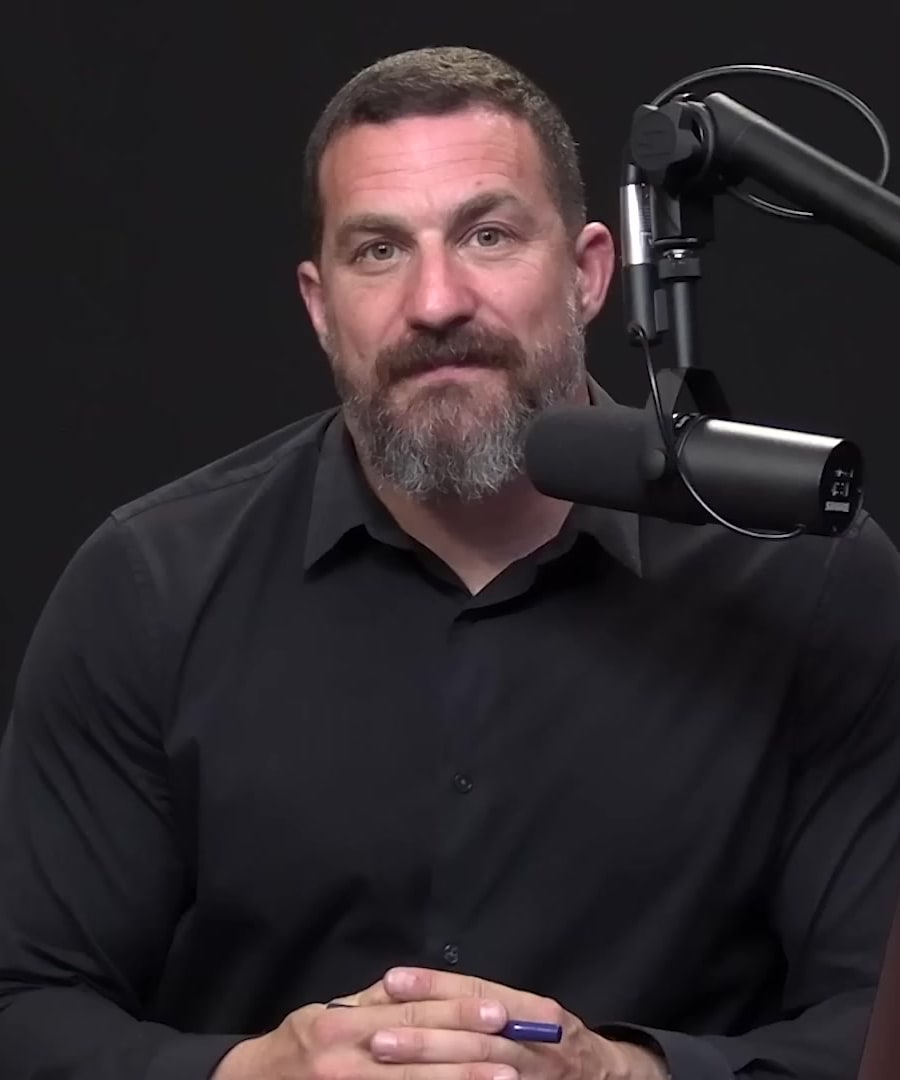
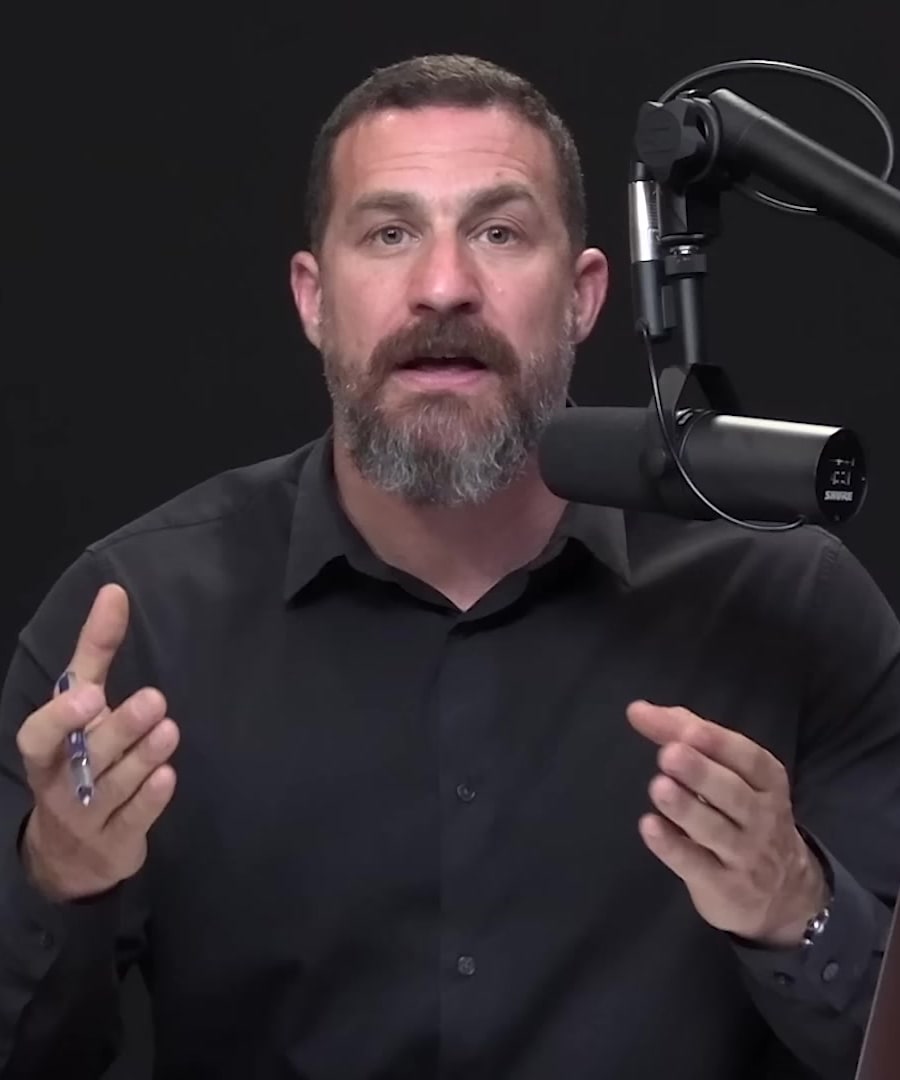
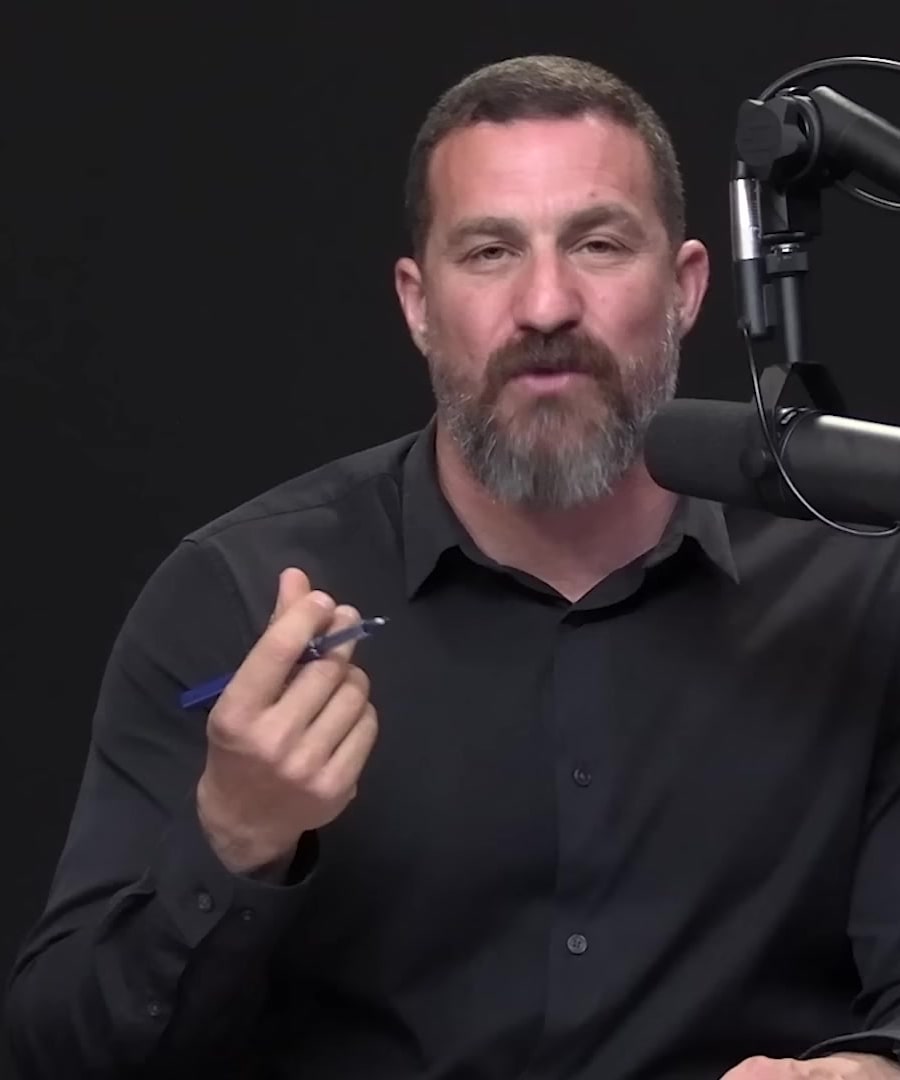


Questions from this episode
- Asked by 1,203 people
- Asked by 246 people
- Asked by 230 people
- Asked by 169 people
- Asked by 144 people
- Asked by 92 people
- Asked by 67 people
- Asked by 62 people
- Asked by 60 people
- Asked by 58 people
- Asked by 56 people
- Asked by 48 people
- Asked by 43 people
- Asked by 41 people
- Asked by 35 people
Episode Highlights
Hair Anatomy
provides a detailed look at the anatomy of hair, emphasizing the roles of different components like the root, shaft, and follicle. He explains that melanin, produced by cells near the hair root, gives hair its color, while the sebaceous gland produces sebum, which waterproofs and protects the skin 1. Stem cells play a crucial role in hair growth, as they are responsible for generating new hair cells 2. Huberman notes that increasing blood flow to these stem cells can support hair growth, although no single method is entirely effective on its own 3.
Every single hair that you have is there because you have a stem cell population that is giving rise to that particular hair.
---
Understanding these components is essential for evaluating hair regrowth treatments and their potential effectiveness.
Growth Phases
The life cycle of hair consists of three phases: Anagen, Catagen, and Telogen, each with distinct roles in hair growth and loss. explains that the Anagen phase is the active growth period, lasting from two to eight years for scalp hair 4. The Catagen phase follows, where hair begins to recede, and finally, the Telogen phase, a resting period where hair can fall out 5. Hormones like dihydrotestosterone can disrupt these phases, leading to hair loss, but treatments that extend the Anagen phase can help maintain hair 6.
Dihydrotestosterone, which is a derivative of testosterone, causes changes in that bulb region where the stem cells reside.
---
Understanding these phases is crucial for developing effective hair regrowth strategies.
Stem Cells
Stem cells are pivotal in hair growth, residing at the base of the hair follicle and responsible for generating new hair cells. highlights the importance of these endogenous stem cells, which are naturally present in the body and crucial for hair regeneration 2. Blood flow to these stem cells is vital, as it delivers oxygen and nutrients necessary for hair growth 3. While increasing blood flow can support hair growth, it is most effective when combined with other treatments.
The whole process of growing more hair is a very active process.
---
This understanding of stem cells and their role in hair growth is essential for evaluating potential regrowth treatments.
Related Episodes

The Science of How to Optimize Testosterone & Estrogen | Huberman Lab Podcast #15
Answers 383 questionsThe Science & Treatment of Bipolar Disorder | Huberman Lab Podcast #82
Answers 383 questionsThe Science of Hearing, Balance & Accelerated Learning | Huberman Lab Podcast #27
Answers 383 questionsThe Science of Making & Breaking Habits | Huberman Lab Podcast #53
Answers 383 questionsThe Science of Vision, Eye Health & Seeing Better | Huberman Lab Podcast #24
Answers 383 questionsThe Science of Emotions & Relationships | Huberman Lab Podcast #13
Answers 383 questionsThe Science & Process of Healing from Grief | Huberman Lab Podcast #74
Answers 383 questionsHow to Stop Headaches Using Science-Based Approaches | Huberman Lab Podcast
Answers 383 questionsHow to Lose Fat with Science-Based Tools | Huberman Lab Podcast #21
Answers 383 questionsThe Science of Setting & Achieving Goals | Huberman Lab Podcast #55
Answers 383 questions
Dr. Kyle Gillett: Tools for Hormone Optimization in Males | Huberman Lab Podcast 102
Answers 383 questions