The Science of Healthy Hair, Hair Loss and How to Regrow Hair | Huberman Lab Podcast

Topics covered
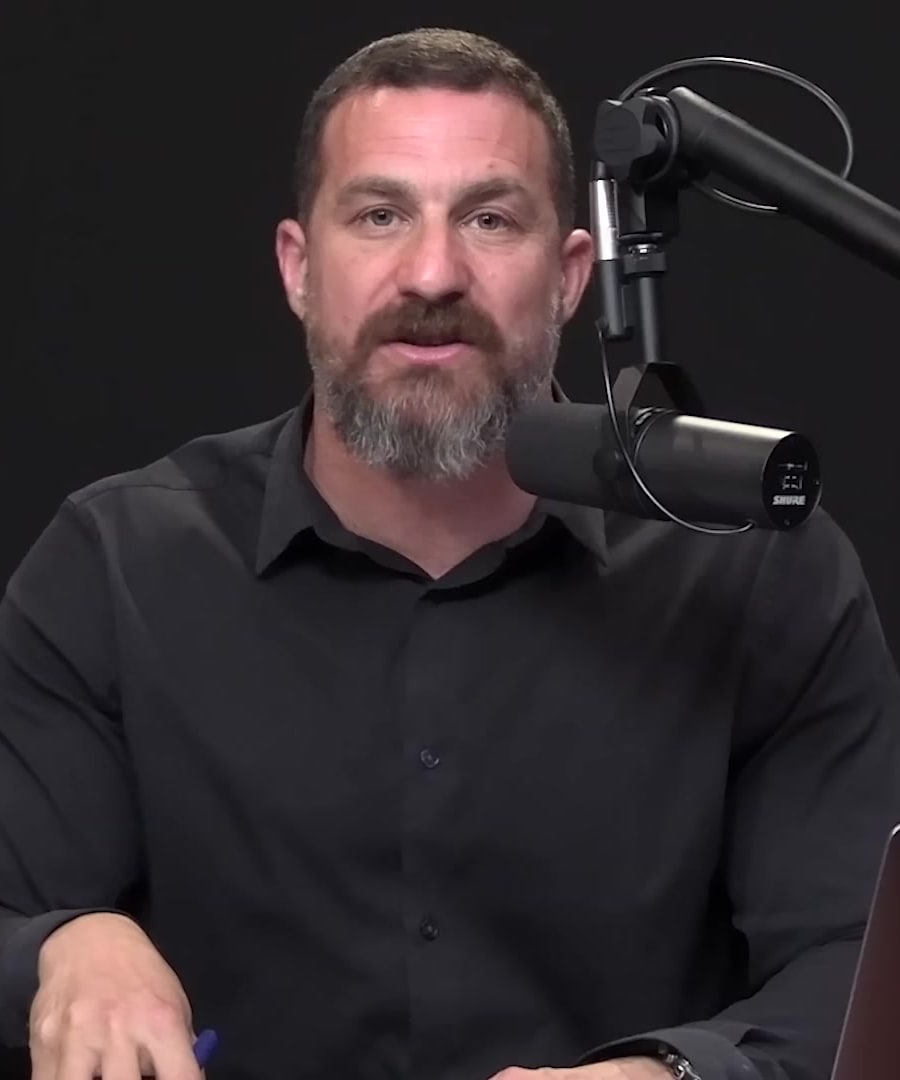
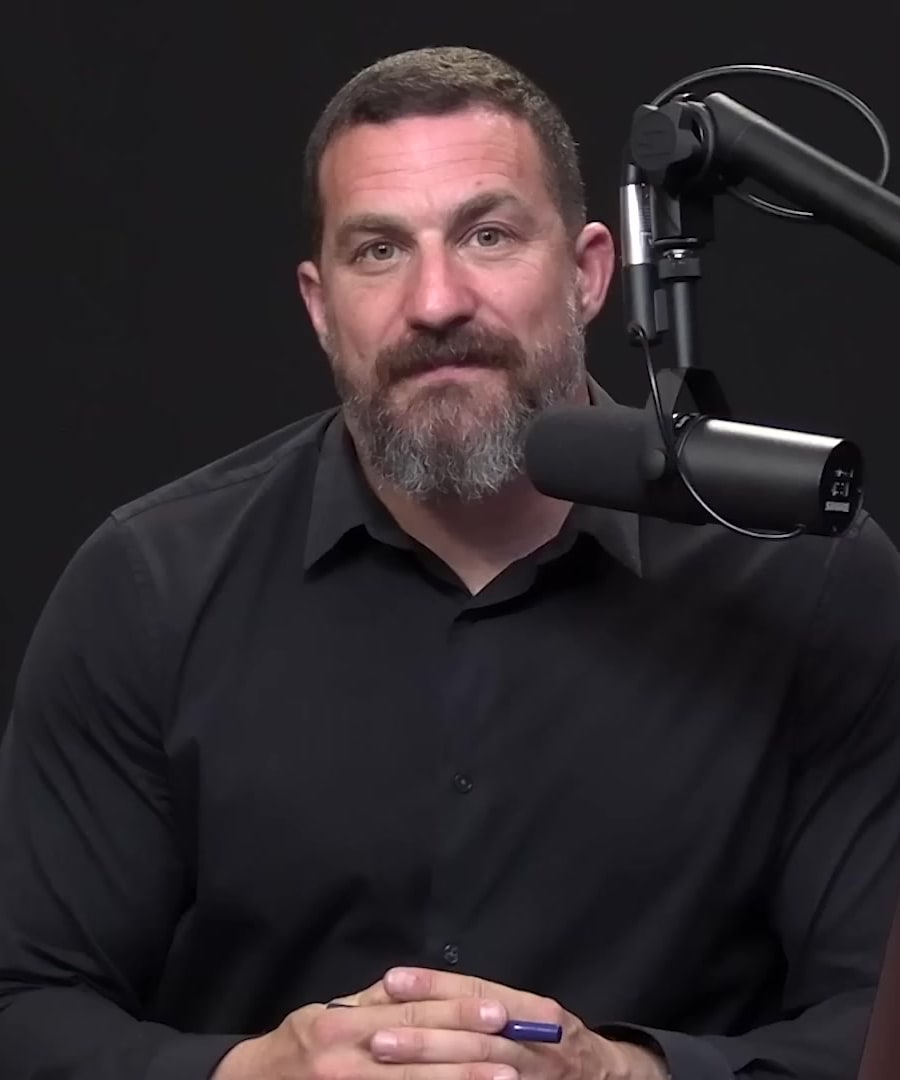
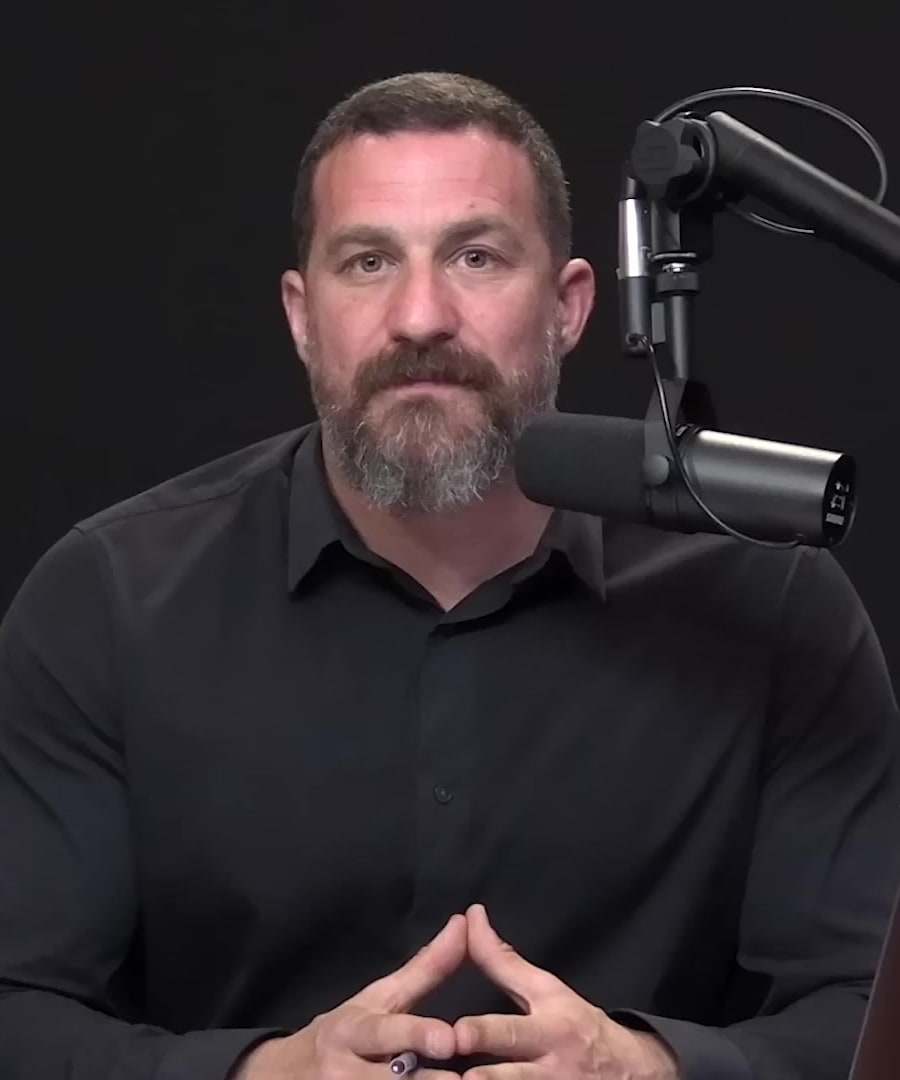
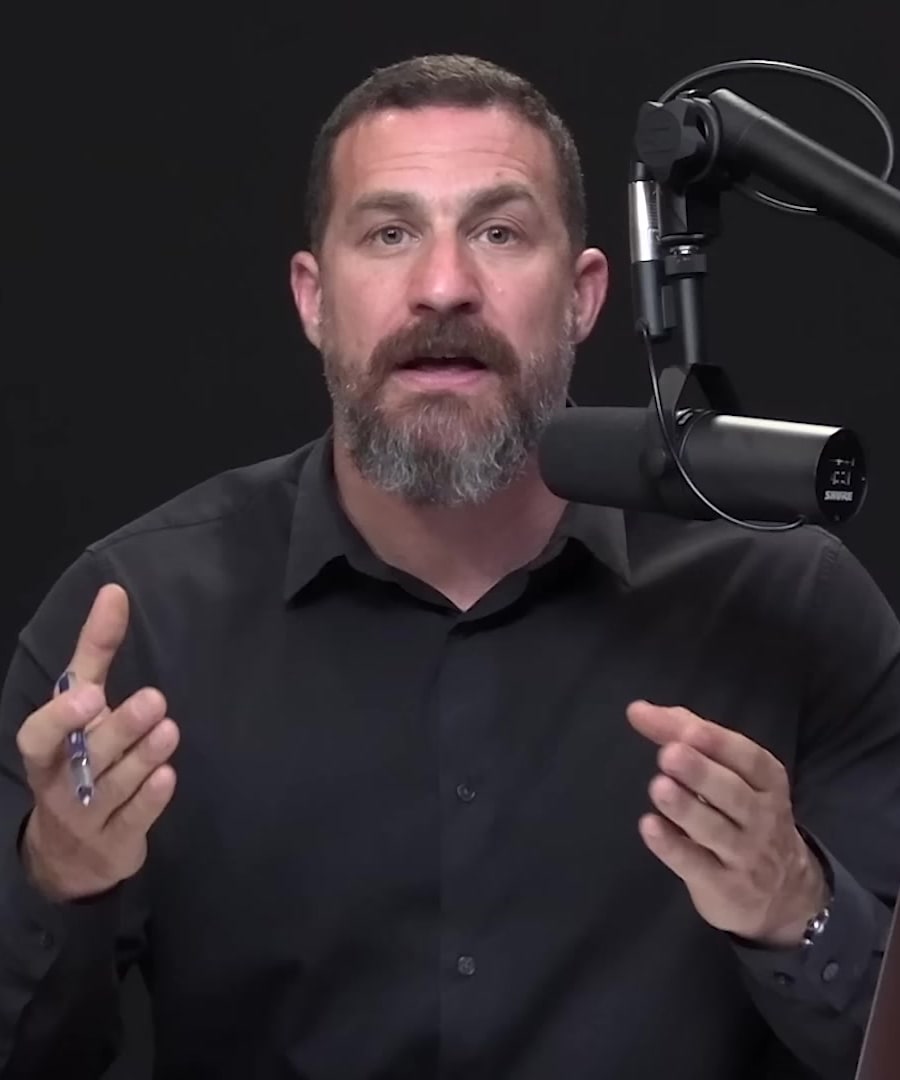
Popular Clips
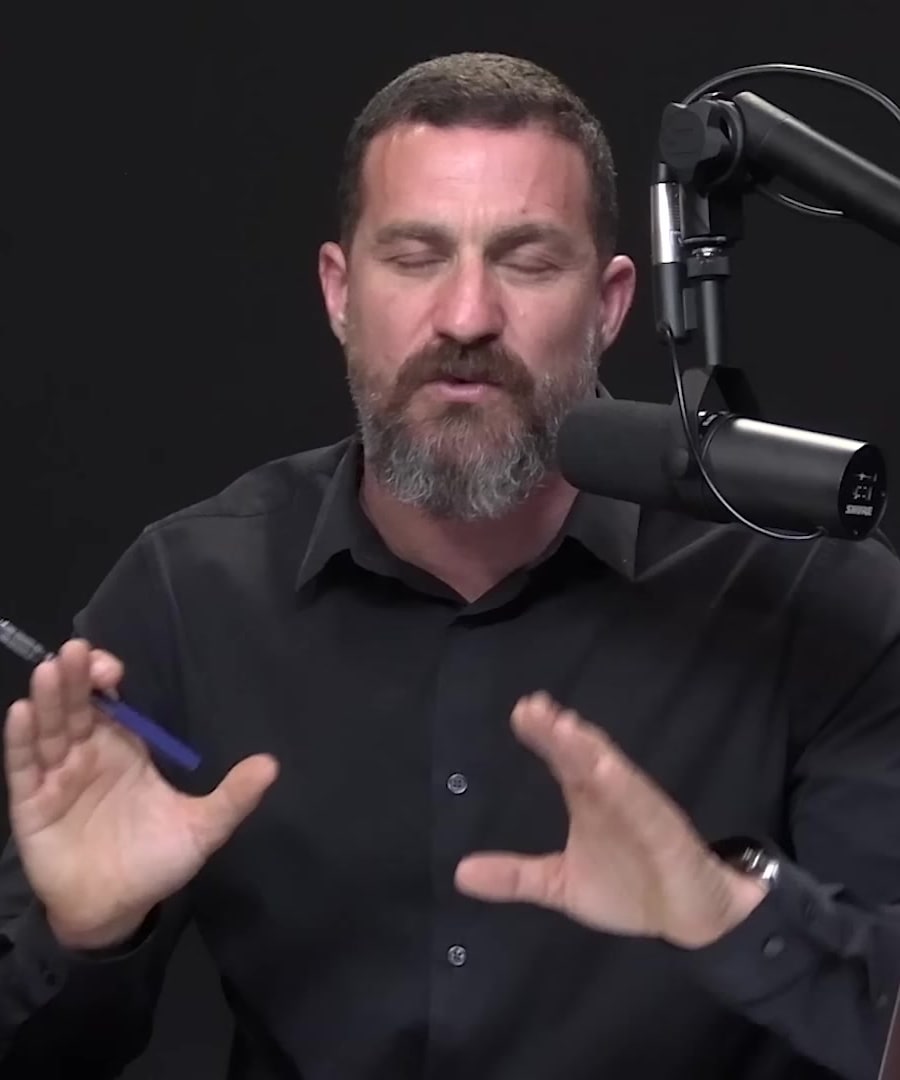
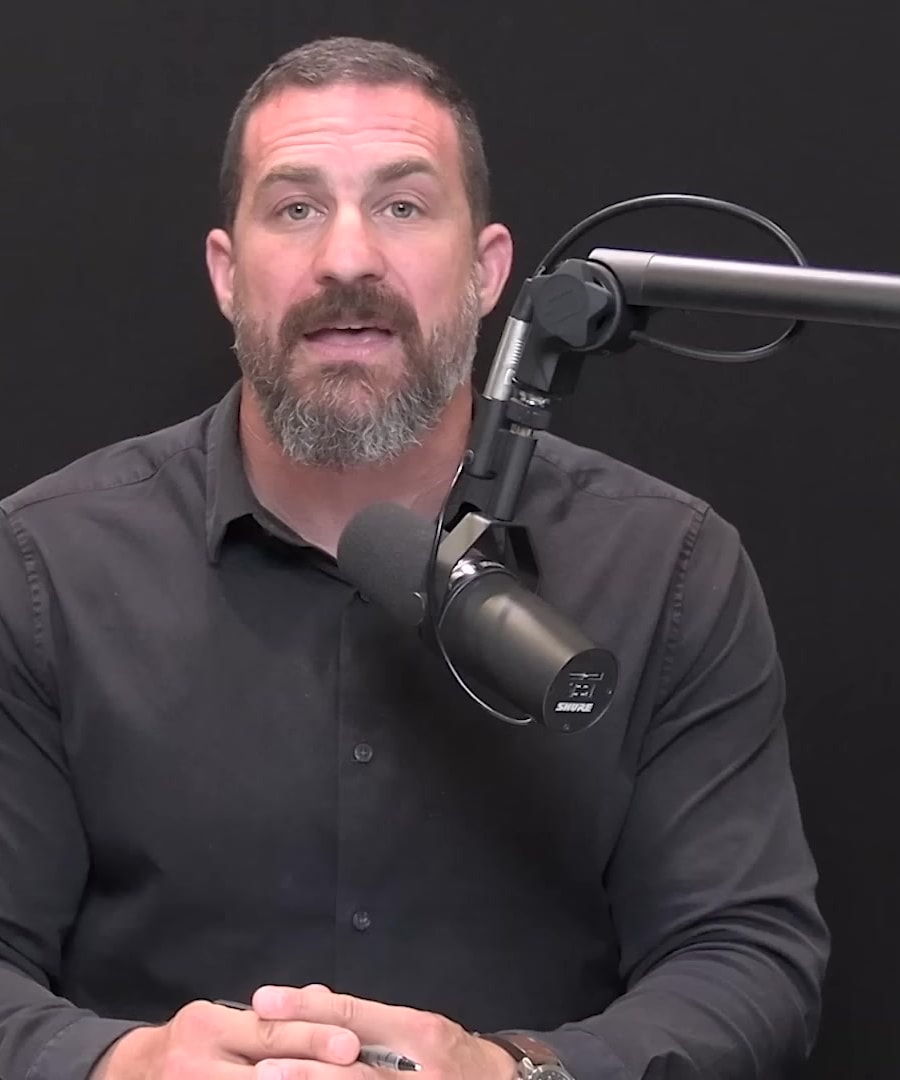
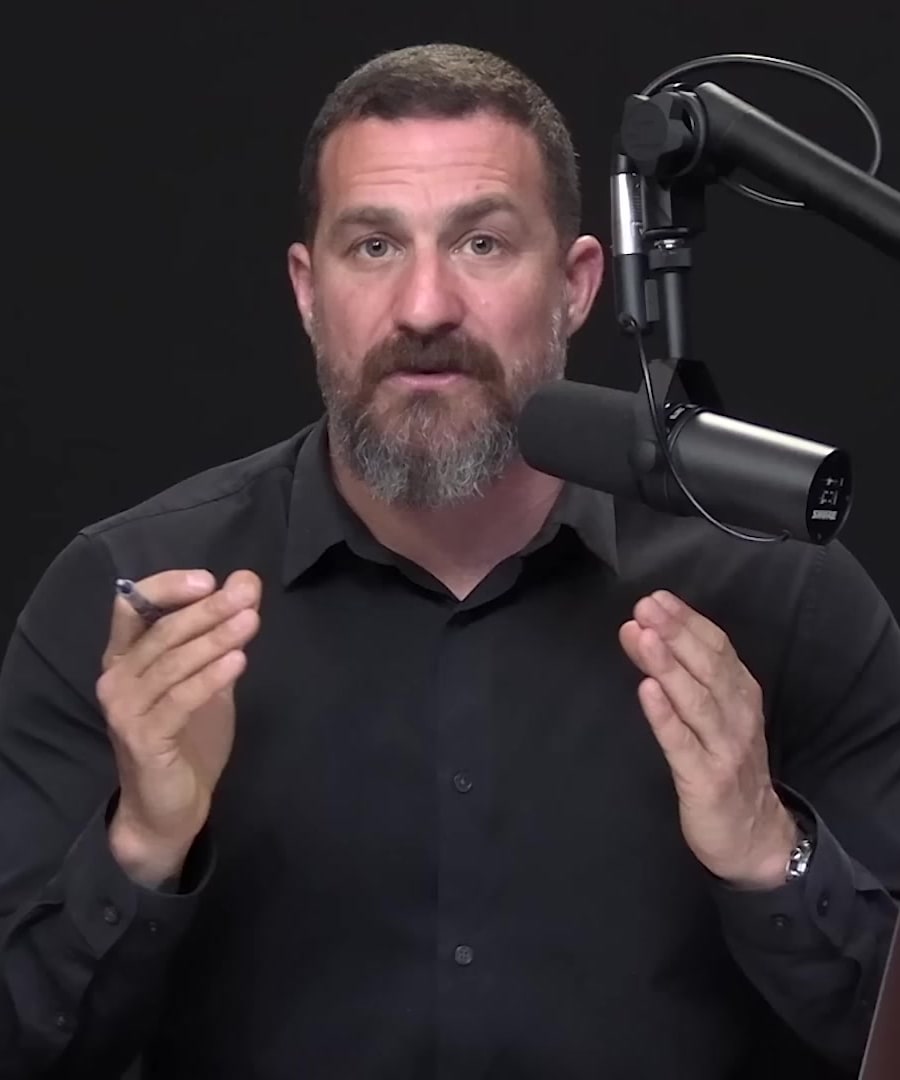
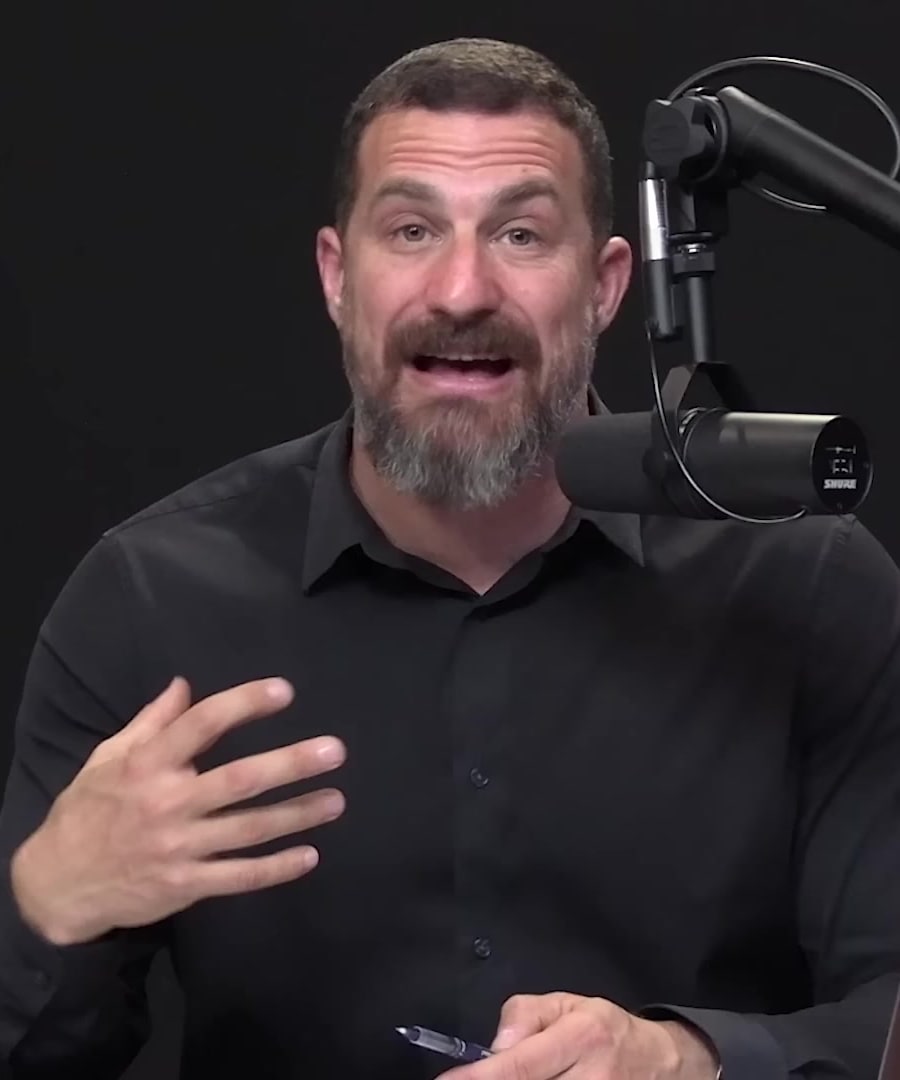
Questions from this episode
- Asked by 1,203 people
- Asked by 246 people
- Asked by 230 people
- Asked by 169 people
- Asked by 144 people
- Asked by 92 people
- Asked by 67 people
- Asked by 62 people
- Asked by 60 people
- Asked by 58 people
- Asked by 56 people
- Asked by 48 people
- Asked by 43 people
- Asked by 41 people
- Asked by 35 people
Episode Highlights
Minoxidil
Minoxidil is a popular treatment for hair loss, primarily working by increasing blood flow to the hair stem cells. explains that it is available in both oral and topical forms, with the latter being a 5% solution typically applied once daily 1. However, users must be cautious of side effects like dizziness and swelling, which can occur if the dosage is too high 2. Combining minoxidil with microneedling can enhance its effectiveness, especially in recovering hair in "dead zones" where stem cells are absent 3.
The combination of microneedling and minoxidil treatment together is far more effective than either of those treatments alone.
--- Andrew Huberman
This combination can take up to 50 weeks to show results, but it offers a promising solution for those struggling with hair loss.
Finasteride & Dutasteride
Finasteride and Dutasteride are two potent treatments for hair loss, each with distinct mechanisms and side effects. notes that Finasteride, available in oral and topical forms, works by inhibiting the enzyme 5-alpha reductase, reducing DHT levels and promoting hair growth 4. Dutasteride, on the other hand, inhibits all three isoforms of the enzyme, making it more potent but also more prone to side effects like reduced sex drive and increased estrogen levels 5.
Dutasteride works about two to five times faster than Finasteride.
--- Andrew Huberman
For those considering these treatments, starting with the lowest effective dose is crucial to minimize side effects while waiting for hair growth results.
Microneedling
Mechanical stimulation, particularly through microneedling, plays a significant role in promoting hair growth. describes microneedling as a process that uses tiny needles to create micro-injuries on the scalp, stimulating stem cells and enhancing blood flow 6. This method is especially effective when combined with chemical treatments like minoxidil, as it can reactivate dormant stem cells and promote hair growth even in bald areas 3.
Microneedling shows some positive benefit in both men and women, regardless of age.
--- Andrew Huberman
While not overly painful, microneedling can cause some bleeding, making it essential to consider both the short-term cosmetic implications and long-term benefits.
Related Episodes

The Science of How to Optimize Testosterone & Estrogen | Huberman Lab Podcast #15
Answers 383 questionsThe Science & Treatment of Bipolar Disorder | Huberman Lab Podcast #82
Answers 383 questionsThe Science of Hearing, Balance & Accelerated Learning | Huberman Lab Podcast #27
Answers 383 questionsThe Science of Making & Breaking Habits | Huberman Lab Podcast #53
Answers 383 questionsThe Science of Vision, Eye Health & Seeing Better | Huberman Lab Podcast #24
Answers 383 questionsThe Science of Emotions & Relationships | Huberman Lab Podcast #13
Answers 383 questionsThe Science & Process of Healing from Grief | Huberman Lab Podcast #74
Answers 383 questionsHow to Stop Headaches Using Science-Based Approaches | Huberman Lab Podcast
Answers 383 questionsHow to Lose Fat with Science-Based Tools | Huberman Lab Podcast #21
Answers 383 questionsThe Science of Setting & Achieving Goals | Huberman Lab Podcast #55
Answers 383 questions
Dr. Kyle Gillett: Tools for Hormone Optimization in Males | Huberman Lab Podcast 102
Answers 383 questions