Dr. Adam Grant: How to Unlock Your Potential, Motivation & Unique Abilities

Topics covered
Popular Clips
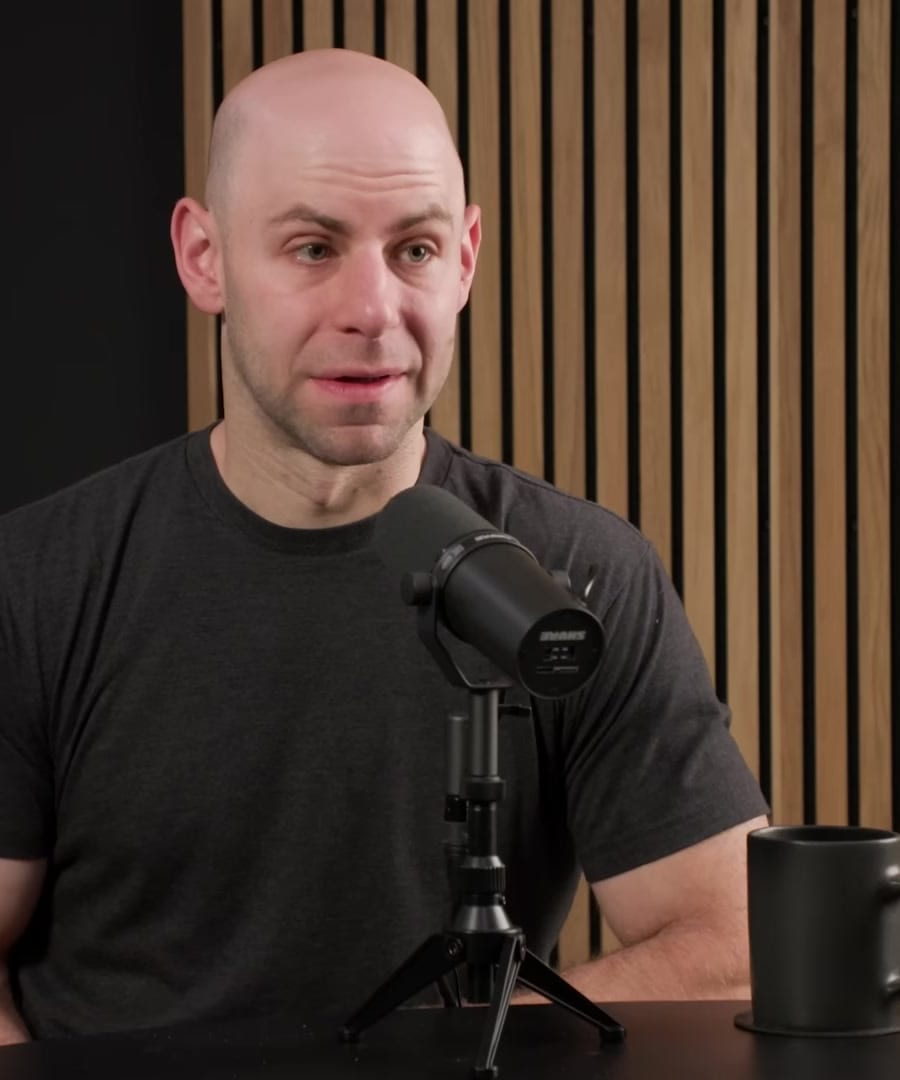
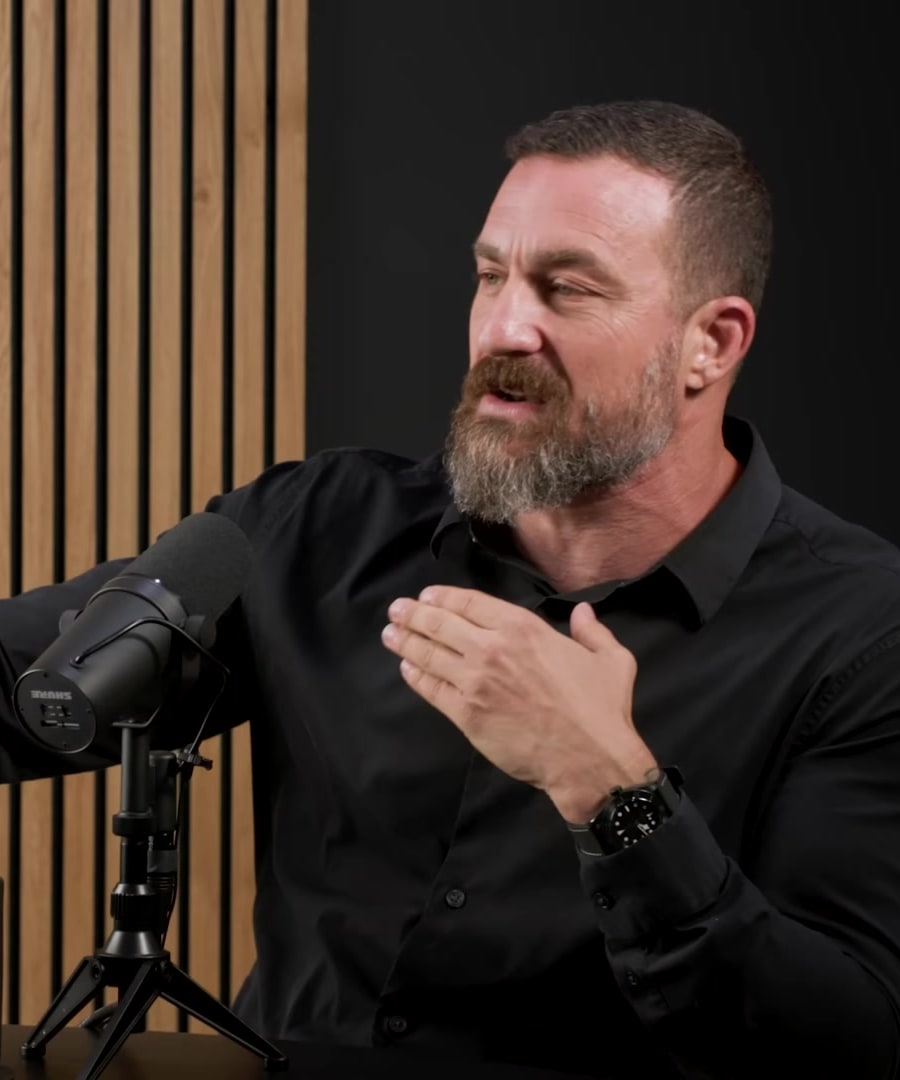
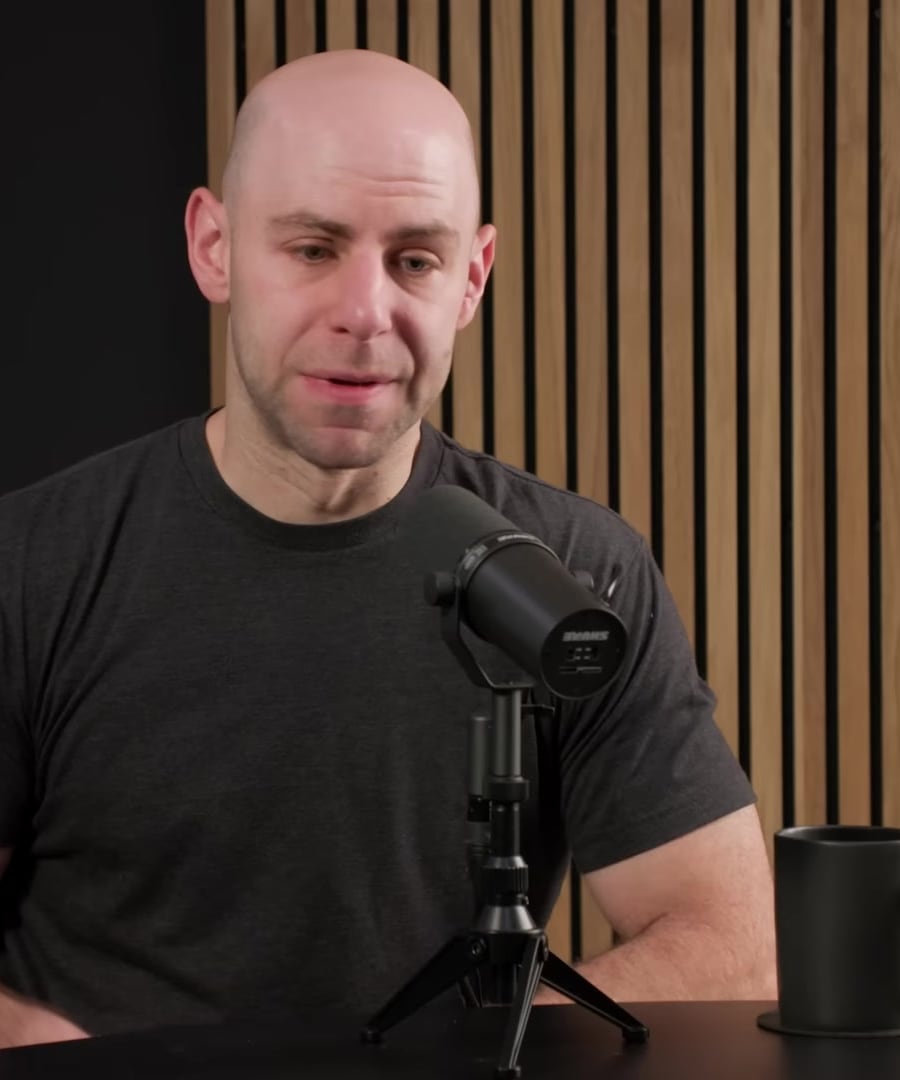
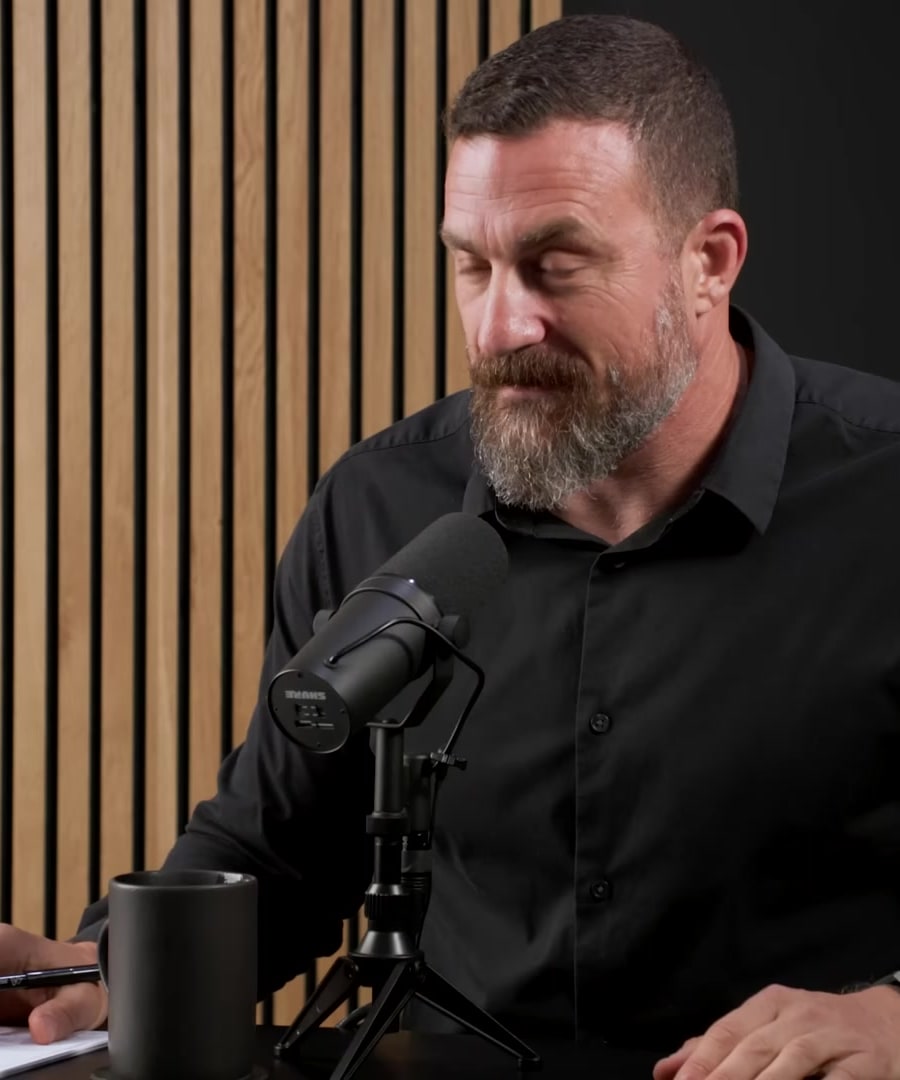
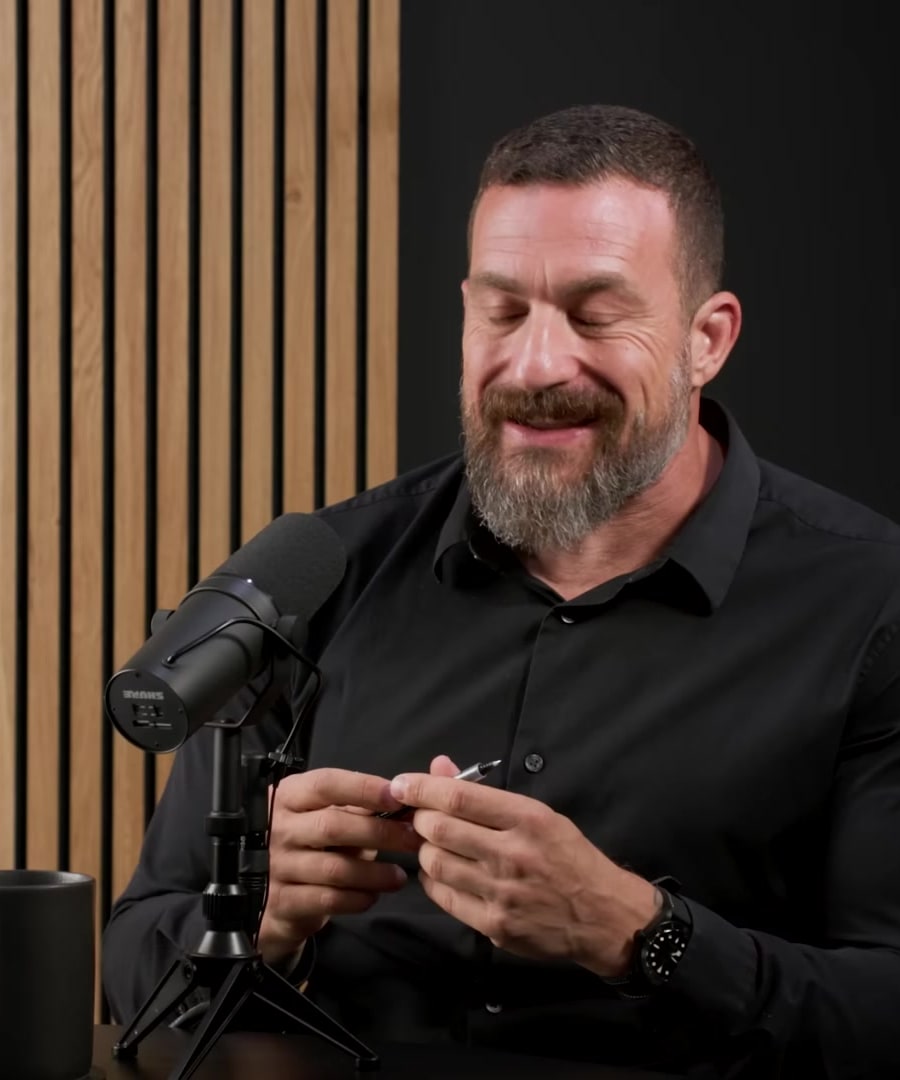
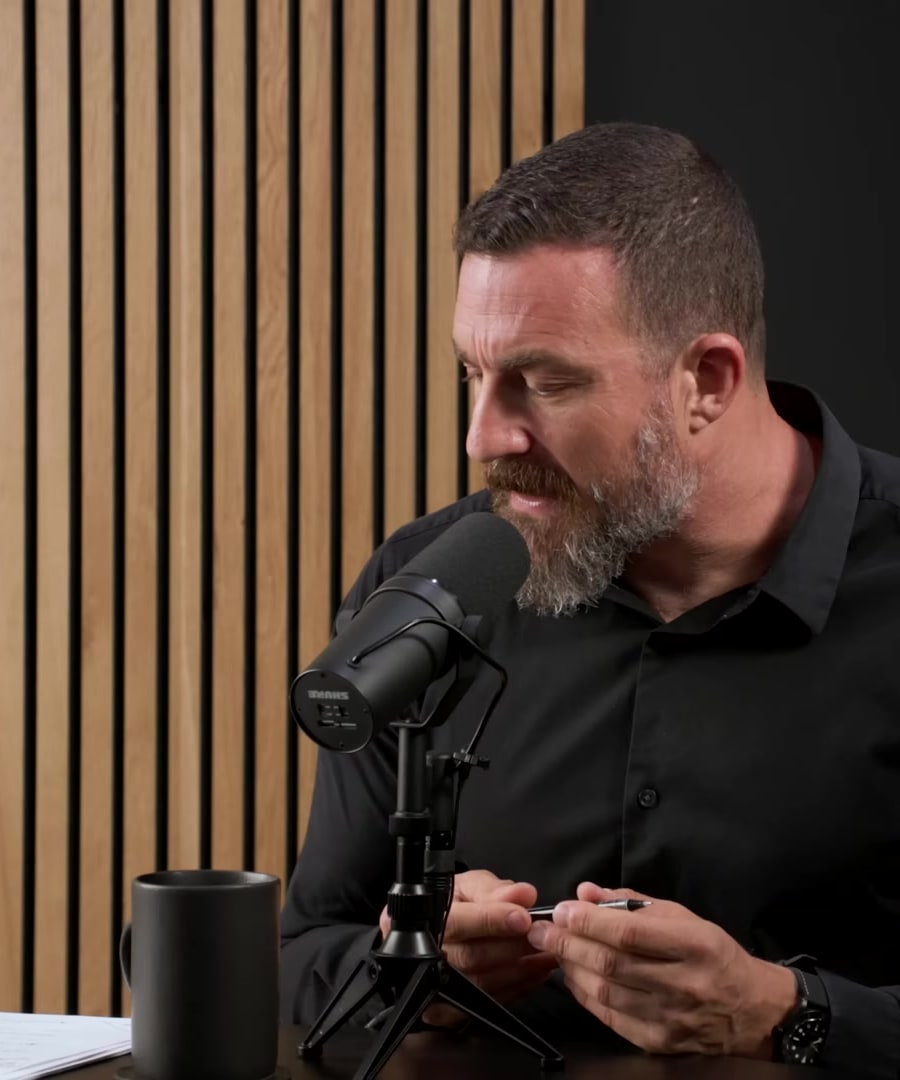
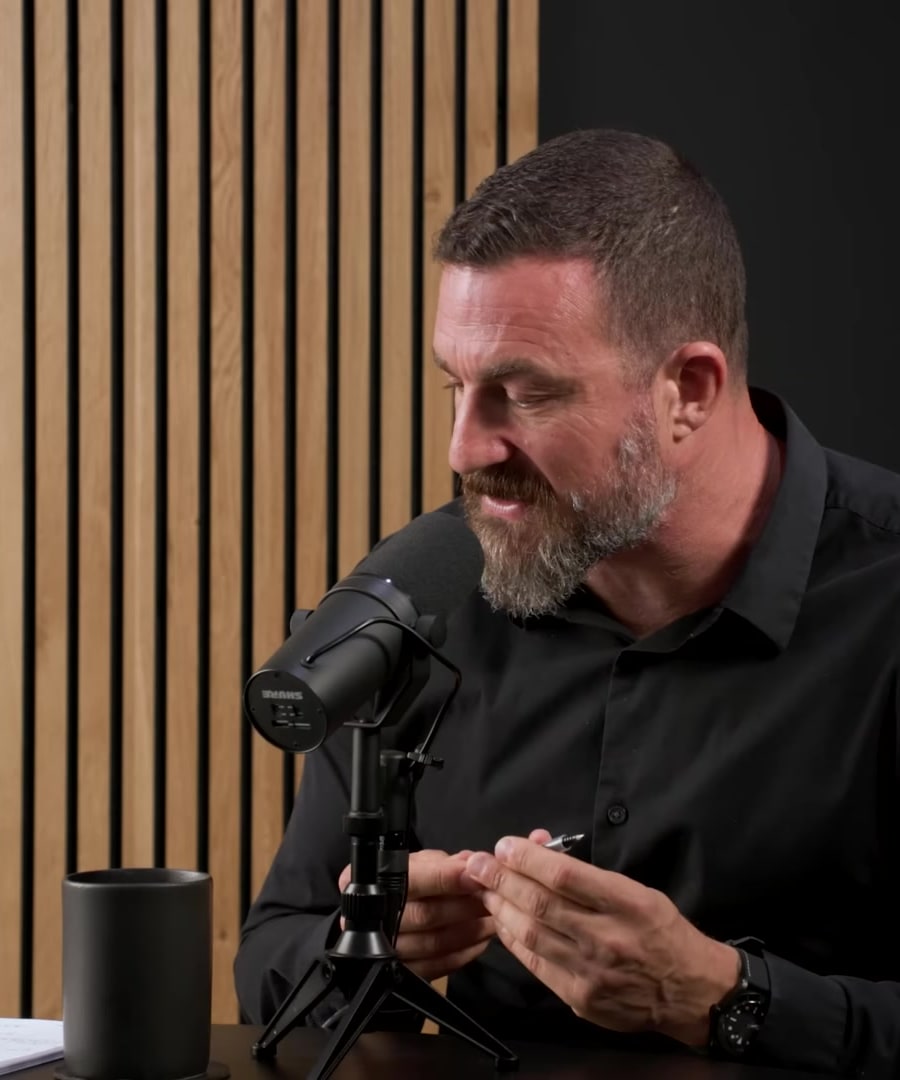
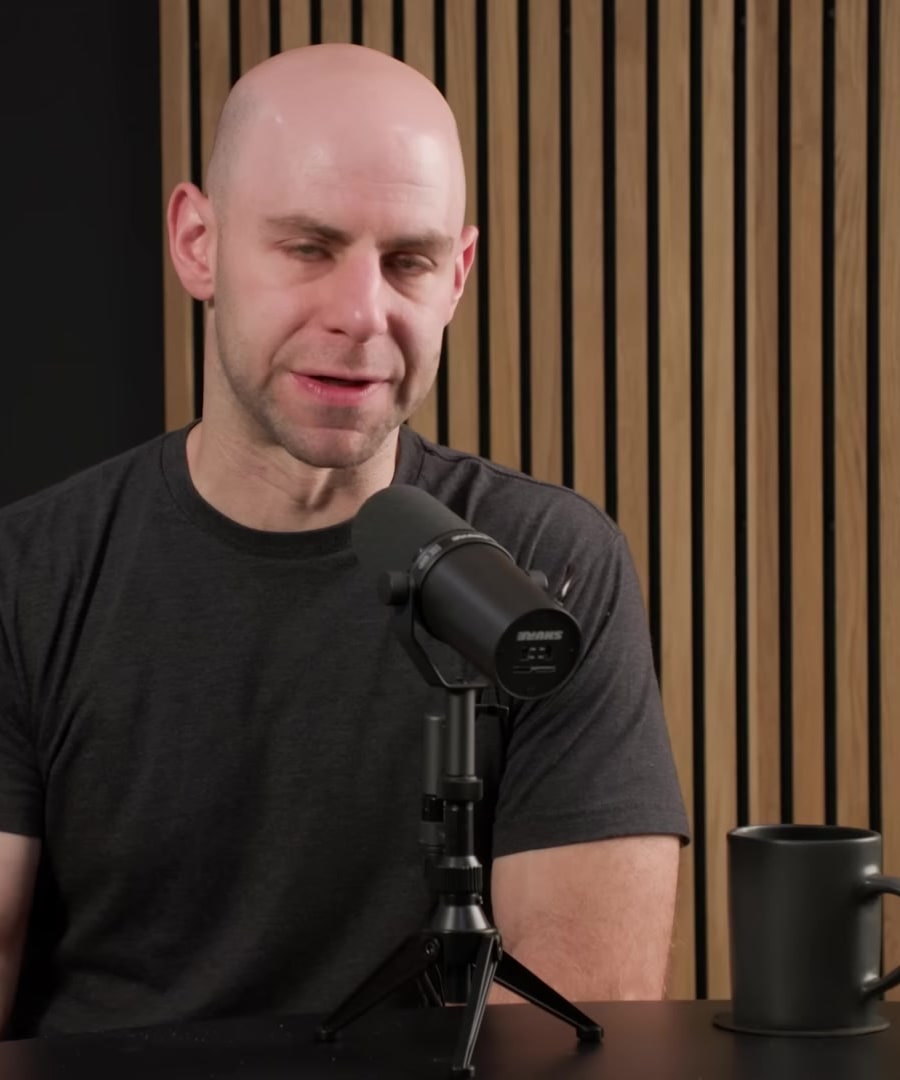

Questions from this episode
- Asked by 656 people
- Asked by 123 people
- Asked by 106 people
- Asked by 98 people
- Asked by 92 people
- Asked by 89 people
- Asked by 71 people
- Asked by 67 people
- Asked by 66 people
- Asked by 61 people
- Asked by 57 people
- Asked by 54 people
- Asked by 49 people
- Asked by 47 people
- Asked by 47 people
Episode Highlights
Intrinsic Motivation
and explore the concept of intrinsic motivation, emphasizing its role in enhancing performance. Adam highlights the importance of self-persuasion, suggesting that convincing others about a task's value can increase one's own interest in it 1. Andrew shares his personal experience of developing interest in initially unappealing subjects by finding small hooks, like unfamiliar words, to spark curiosity 2. They discuss the potential downsides of intrinsic motivation, noting that a strong interest in one area might hinder performance in less engaging tasks 3.
The best method of self-persuasion is actually to convince somebody else.
---
This approach underscores the complex relationship between motivation and performance.
Procrastination
The interplay between procrastination and motivation reveals surprising insights into productivity. admits to using deadlines as a tool to harness focus and attention, viewing procrastination as a strategy rather than a flaw 4. explains that procrastination often stems from avoiding negative emotions like boredom or fear, rather than laziness 5. They discuss how this avoidance can lead to high-energy activities, such as cleaning, as a form of procrastination 6.
Procrastination is not about avoiding work; it's about avoiding negative emotions.
---
This perspective shifts the narrative from procrastination as a weakness to a potential productivity tool.
Extrinsic Rewards
Extrinsic rewards can significantly impact motivation and performance, but their application requires careful consideration. notes that while financial incentives can boost productivity, they often prioritize quantity over quality 7. He warns against the undermining effect of extrinsic rewards on intrinsic motivation, suggesting that rewards should symbolize appreciation rather than control 8. adds that focusing on extrinsic rewards can detract from being present in the task, which is crucial for optimal performance.
Rewards should be symbols of how much we appreciate and value a particular behavior.
---
This approach encourages a balance between external incentives and internal satisfaction.
Related Episodes


Robert Greene: A Process for Finding & Achieving Your Unique Purpose
Answers 383 questions
Rick Rubin: How to Access Your Creativity | Huberman Lab Podcast
Answers 383 questionsHow to Increase Motivation & Drive | Huberman Lab Podcast #12
Answers 383 questionsLIVE EVENT Q&A: Dr. Andrew Huberman Question & Answer in Toronto, ON
Answers 383 questionsHow to Increase Your Willpower & Tenacity | Huberman Lab Podcast
Answers 383 questions
Dr. Cal Newport: How to Enhance Focus and Improve Productivity
Answers 383 questions
Dr. Maya Shankar: How to Shape Your Identity & Goals | Huberman Lab Podcast
Answers 383 questions
Dr. David Yeager: How to Master Growth Mindset to Improve Performance
Answers 383 questions