Dr. Adam Grant: How to Unlock Your Potential, Motivation & Unique Abilities

Topics covered
Popular Clips
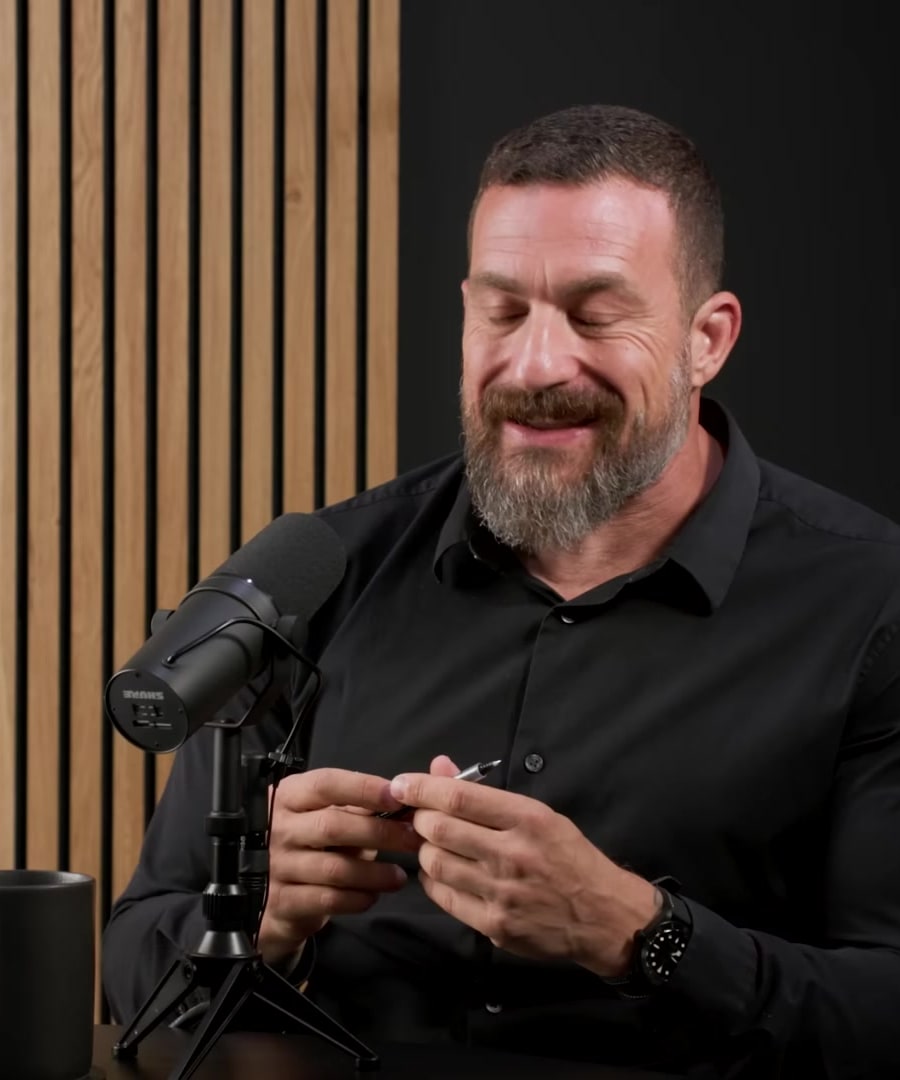
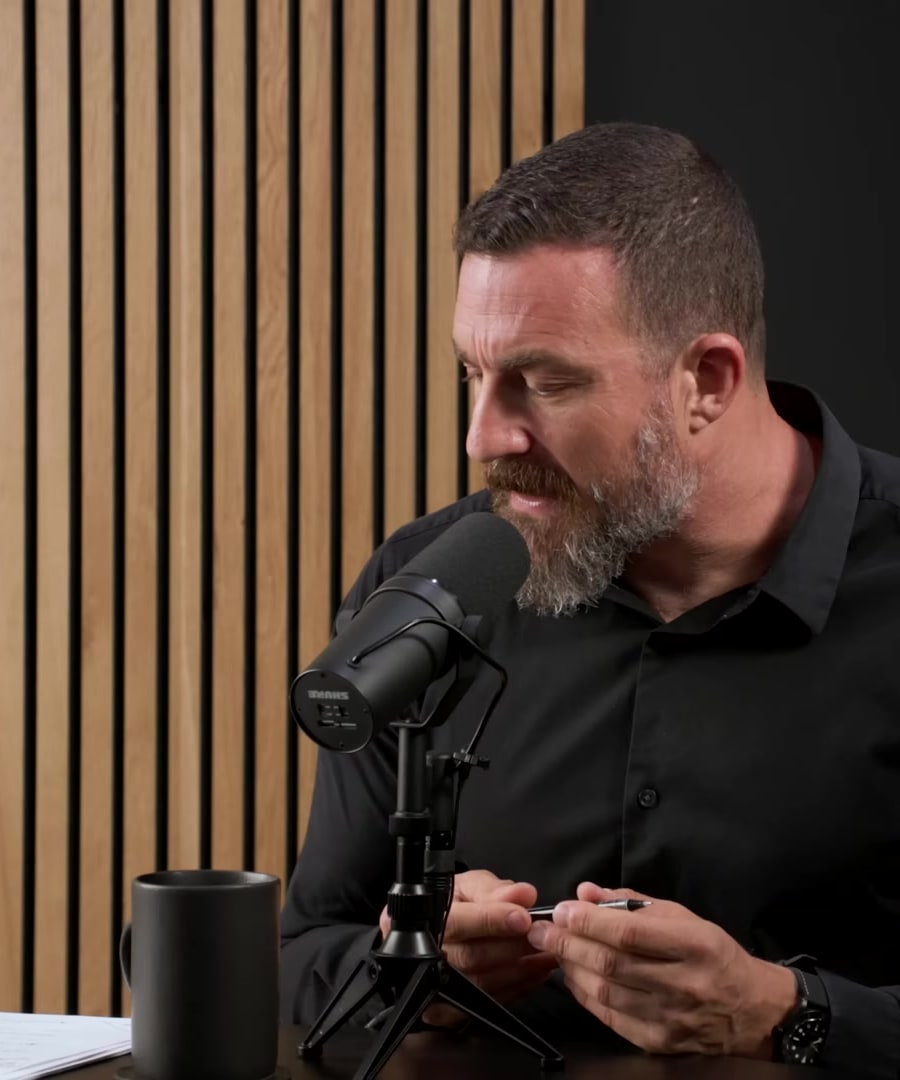
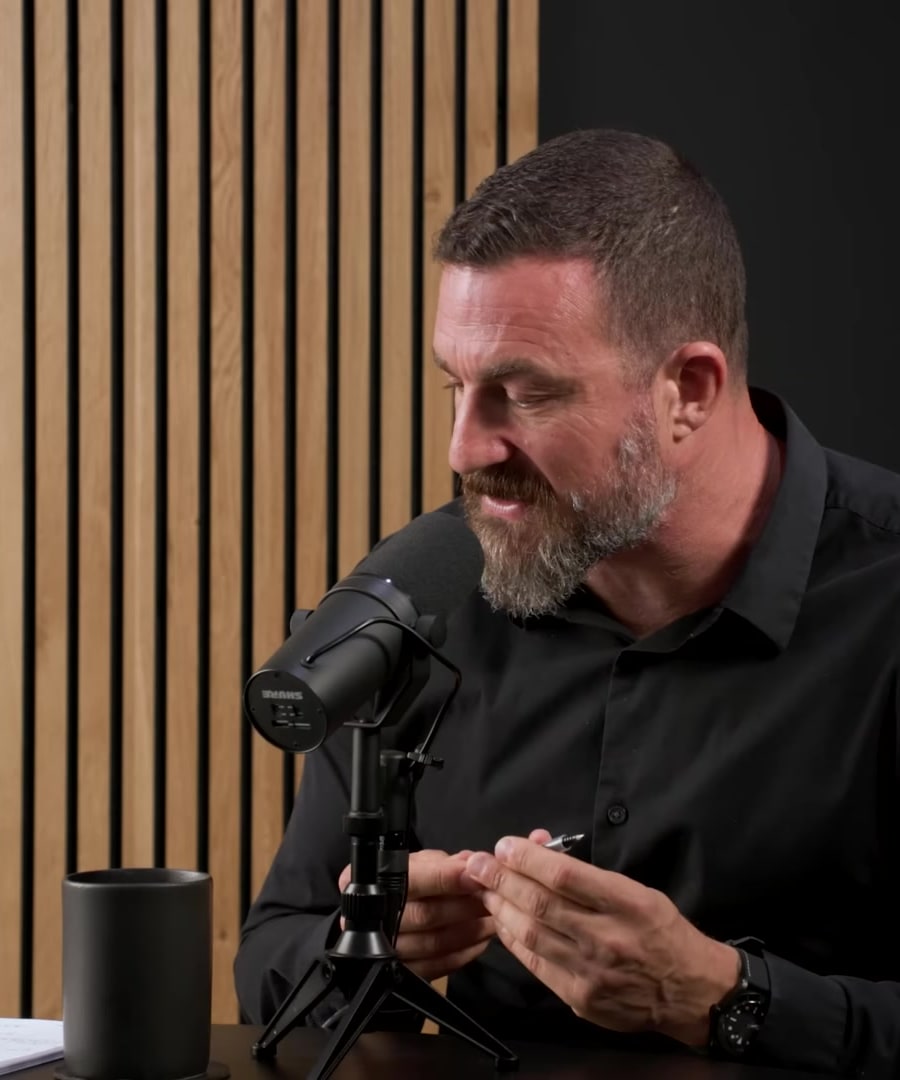
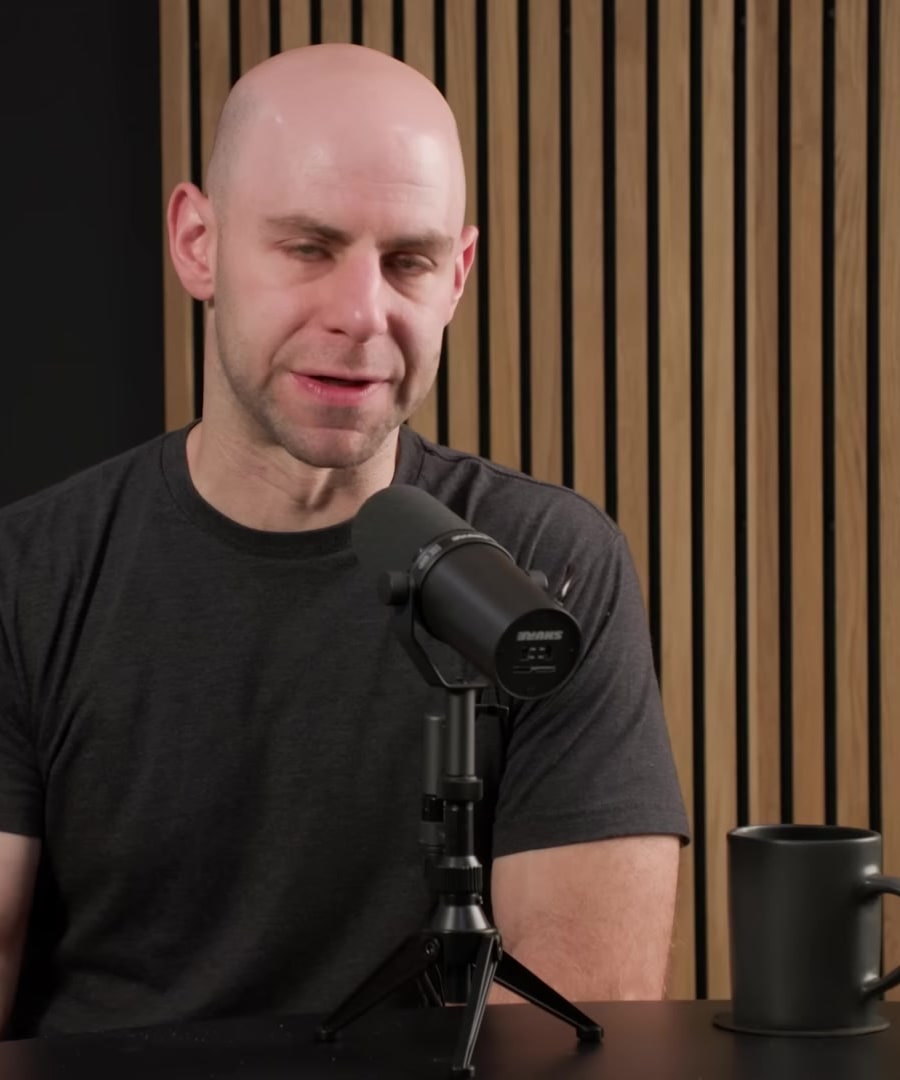
Questions from this episode
- Asked by 656 people
- Asked by 123 people
- Asked by 106 people
- Asked by 98 people
- Asked by 92 people
- Asked by 89 people
- Asked by 71 people
- Asked by 67 people
- Asked by 66 people
- Asked by 61 people
- Asked by 57 people
- Asked by 54 people
- Asked by 49 people
- Asked by 47 people
- Asked by 47 people
Episode Highlights
Creative Processes
The exploration of creative processes reveals diverse techniques used by highly creative individuals. shares insights from conversations with creative minds like Rick Rubin and Carl Diceroth, highlighting contrasting methods such as stillness and movement to stimulate creativity 1. suggests that individual differences might dictate whether stillness or activity enhances creativity, as it often involves overriding default instincts 2.
Most creative people have many terrible ideas. In fact, the most creative people have the most horrible ideas because they just have a lot of ideas.
---
This diversity in approach underscores the complexity of the creative process and the potential for tailored strategies to optimize idea generation.
Procrastination's Role
Procrastination can surprisingly fuel creativity when leveraged correctly. and discuss how moderate procrastination allows ideas to incubate, leading to more novel solutions 3. Grant explains that those who procrastinate moderately often generate the most creative ideas, as they avoid tunnel vision and allow time for ideas to develop 4.
I will not commit to an idea until I've let it incubate for a few weeks and I'm working on other things.
---
This approach suggests that understanding and managing procrastination can enhance creative output by balancing pressure and incubation time.
Artistic Inspiration
Engaging in artistic pursuits can significantly enhance creative thinking and problem-solving skills. highlights research showing that Nobel Prize winners often have artistic hobbies, which may contribute to their innovative thinking 5. He shares a personal story about using feedback to identify strengths and enhance creativity by flipping the process of storytelling 6.
They're twice as likely as their peers to play a musical instrument, seven times as likely to draw or paint, and twelve times as likely to do poetry or fiction.
---
These insights suggest that artistic engagement can be a powerful tool for fostering creativity and innovation.
Related Episodes


Robert Greene: A Process for Finding & Achieving Your Unique Purpose
Answers 383 questions
Rick Rubin: How to Access Your Creativity | Huberman Lab Podcast
Answers 383 questionsHow to Increase Motivation & Drive | Huberman Lab Podcast #12
Answers 383 questionsLIVE EVENT Q&A: Dr. Andrew Huberman Question & Answer in Toronto, ON
Answers 383 questionsHow to Increase Your Willpower & Tenacity | Huberman Lab Podcast
Answers 383 questions
Dr. Cal Newport: How to Enhance Focus and Improve Productivity
Answers 383 questions
Dr. Maya Shankar: How to Shape Your Identity & Goals | Huberman Lab Podcast
Answers 383 questions
Dr. David Yeager: How to Master Growth Mindset to Improve Performance
Answers 383 questions