947: They Hypothyroid Hoax

Topics covered
Popular Clips
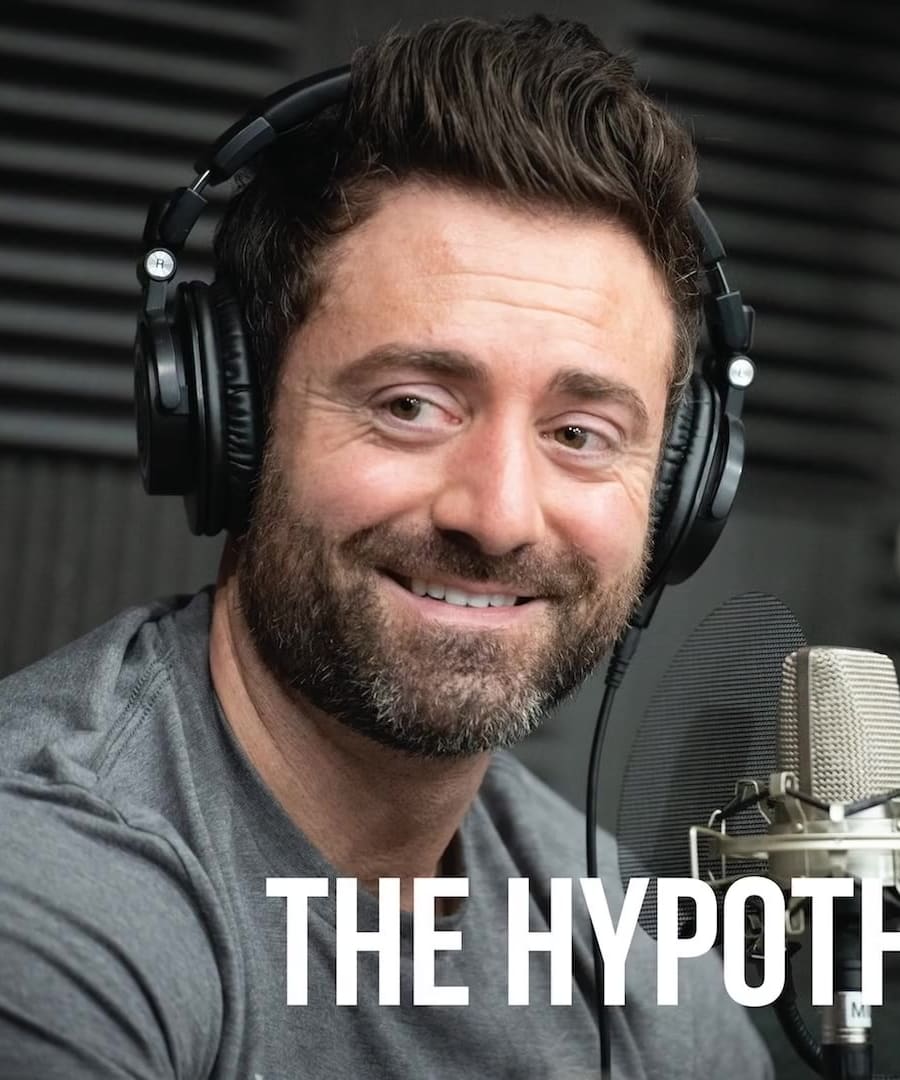





Questions from this episode
- Asked by 784 people
- Asked by 379 people
- Asked by 99 people
- Asked by 87 people
- Asked by 48 people
- Asked by 25 people
- Asked by 24 people
- Asked by 23 people
- Asked by 18 people
- Asked by 16 people
- Asked by 16 people
- Asked by 10 people
- Asked by 9 people
- Asked by 8 people
- Asked by 8 people
Episode Highlights
Misdiagnosis
The misdiagnosis of hypothyroidism is a growing concern, with many patients being incorrectly diagnosed and prescribed unnecessary medication. Michael Ruscio highlights that a significant number of patients are labeled as hypothyroid without proper evidence, often due to elevated TSH levels but normal T4 levels 1. This misdiagnosis can lead to patients experiencing no improvement or even worsening of symptoms, such as anxiety and fatigue 2.
I've noticed a lot of these patients, I would argue the majority, do not derive any symptomatic benefit from going on.
--- Michael Ruscio
The issue is particularly prevalent in functional medicine circles, where more progressive lab assessments are common 3.
Autoimmunity
Thyroid autoimmunity presents a unique challenge, as it increases the risk of developing hypothyroidism but does not guarantee it. Michael Ruscio explains that while thyroid antibodies can indicate a higher probability of hypothyroidism, the risk remains relatively low at about 10-20% 4. Effective management involves dietary changes and nutrient supplementation, which can significantly reduce antibody levels and the associated risk 5.
We want to be proactive and do what we can, but we don't want to do it in this realm of fear.
--- Michael Ruscio
It's crucial to handle these cases without instilling unnecessary fear in patients, as stress can exacerbate health issues 4.
Hormonal Interactions
The interaction between thyroid and other hormones, such as progesterone and estrogen, can complicate diagnosis and treatment. Michael Ruscio notes that symptoms like fatigue and anxiety may stem from hormone imbalances rather than thyroid issues 6. This overlap can lead to misdiagnosis, where patients are treated for thyroid conditions they do not have.
There is a correlation in terms of we know that female hormones and thyroid hormones both impact one another.
--- Michael Ruscio
Understanding these interactions is vital for accurate diagnosis and effective treatment, ensuring that patients receive the appropriate care for their specific hormonal imbalances 7.
Related Episodes


Dr. Kyle Gillett: Tools for Hormone Optimization in Males | Huberman Lab Podcast 102
Answers 383 questionsThe Science & Treatment of Bipolar Disorder | Huberman Lab Podcast #82
Answers 383 questionsThe Science of Healthy Hair, Hair Loss and How to Regrow Hair | Huberman Lab Podcast
Answers 383 questions
How to Improve Your Vitality & Heal From Disease | Dr. Mark Hyman
Answers 383 questionsUsing Science to Optimize Sleep, Learning & Metabolism | Huberman Lab Podcast #3
Answers 383 questions
Dr. Diego Bohórquez: The Science of Your Gut Sense & the Gut-Brain Axis
Answers 383 questionsHow to Prevent & Treat Colds & Flu
Answers 383 questionsHow to Optimize Your Brain-Body Function & Health | Huberman Lab Podcast #30
Answers 383 questions
Dr. Rhonda Patrick: Micronutrients for Health & Longevity | Huberman Lab Podcast #70
Answers 383 questions