The Science & Treatment of Bipolar Disorder | Huberman Lab Podcast #82

Topics covered
Popular Clips
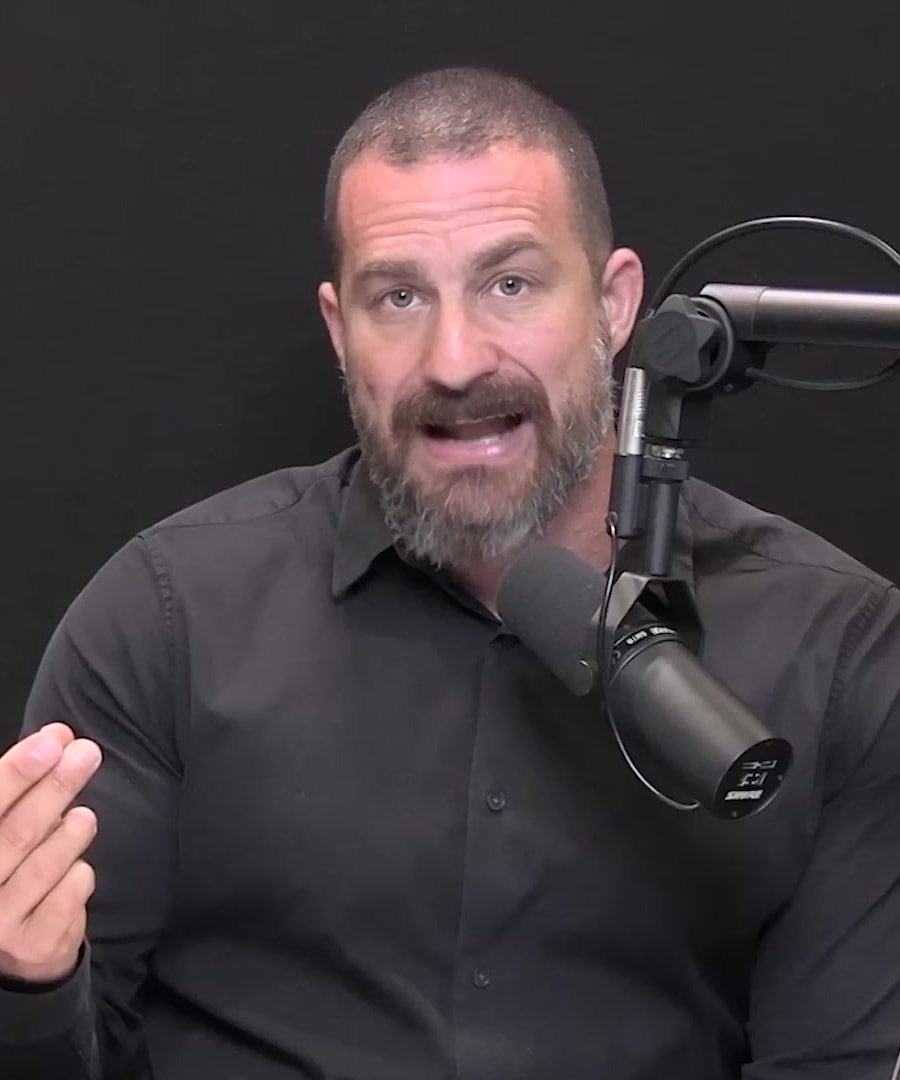
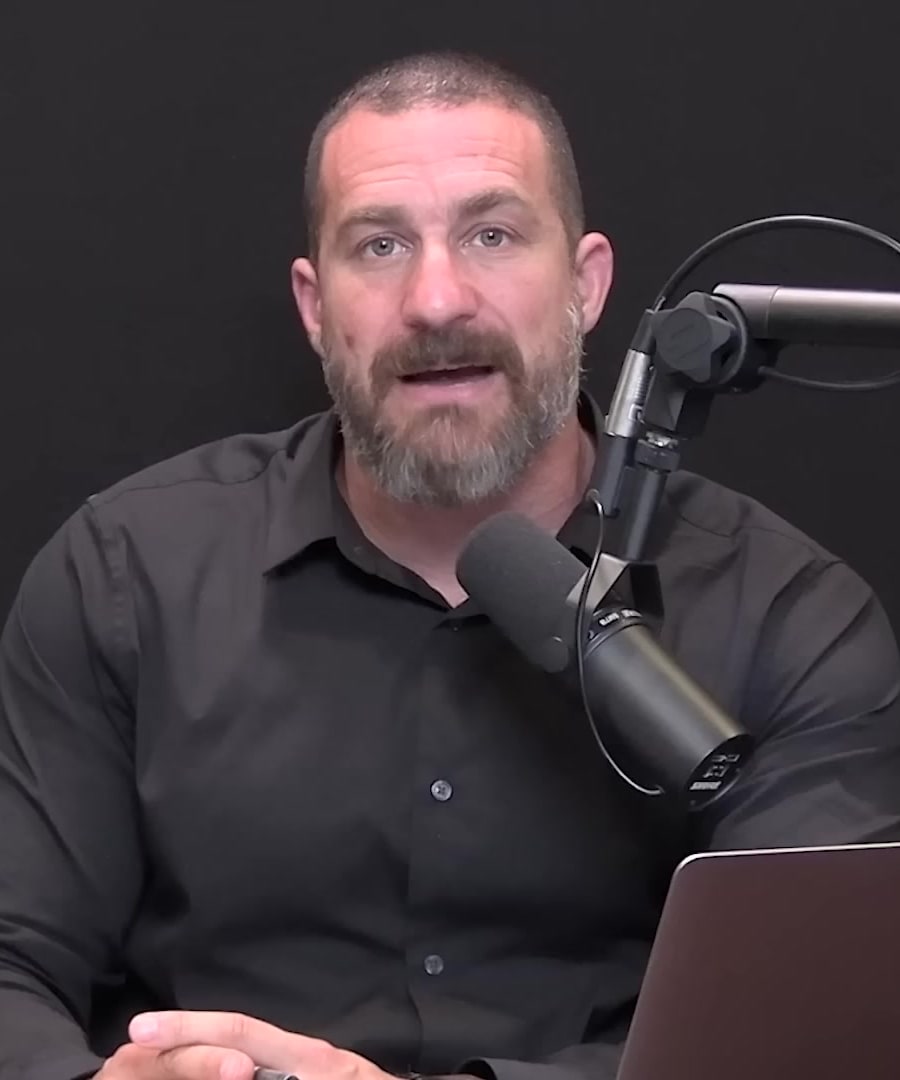
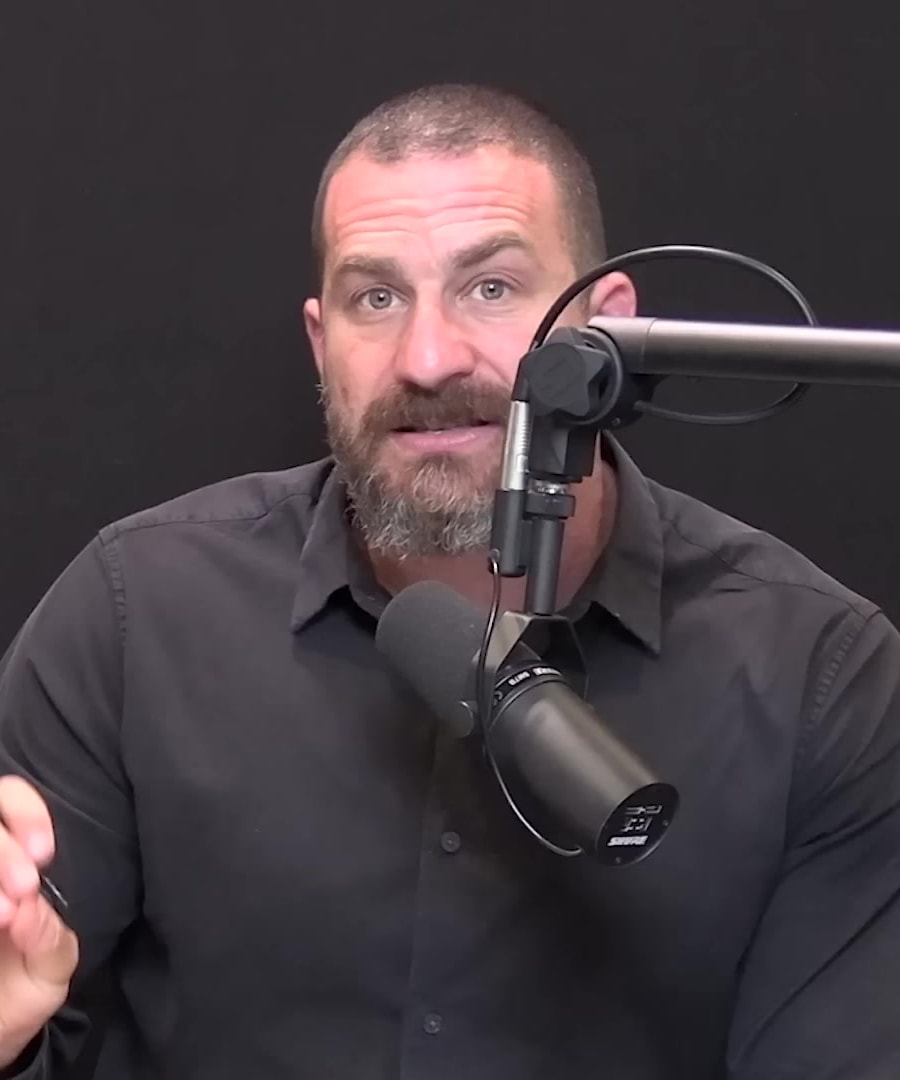
Questions from this episode
- Asked by 1,014 people
- Asked by 886 people
- Asked by 729 people
- Asked by 522 people
- Asked by 450 people
- Asked by 331 people
- Asked by 317 people
- Asked by 300 people
- Asked by 240 people
- Asked by 233 people
- Asked by 230 people
- Asked by 213 people
- Asked by 184 people
- Asked by 184 people
- Asked by 151 people
Episode Highlights
Lithium's Role
Lithium has long been a cornerstone in treating bipolar disorder, dating back to its discovery in the 1940s. highlights the historical significance of lithium, noting its calming effects on guinea pigs and its subsequent application in human patients, which marked a breakthrough in psychiatric treatment 1. Despite its effectiveness, lithium's journey to widespread use was hindered by its inability to be patented, delaying its approval in the U.S. until 1970 2. Huberman emphasizes the importance of monitoring lithium levels due to its potential toxicity, underscoring the need for careful oversight during treatment 2.
Lithium really stands as this kind of golden example of a treatment that works, at least in many individuals, prior to an understanding of the biological basis of the disease for which that treatment is needed.
---
Today, lithium remains a low-cost yet effective option for many with bipolar disorder, though it requires careful management to mitigate side effects.
New Therapies
Innovative therapies are expanding the treatment landscape for bipolar disorder, offering new hope for patients. discusses the use of ketamine and repetitive transcranial magnetic stimulation (rTMS) as promising treatments for depressive episodes in bipolar disorder 3. While rTMS is minimally invasive and can target specific neural circuits, its availability is limited, and patients are advised to seek clinics associated with research institutions 3. Psilocybin, a psychedelic, is also being explored for its potential benefits in treating major depression, though its application to bipolar disorder remains unproven 4.
Psilocybin is being explored as a clinical therapy in certain laboratory settings in particular, at Johns Hopkins School of Medicine.
---
Despite the excitement surrounding these therapies, Huberman cautions that more research is needed to fully understand their efficacy and safety in treating bipolar disorder.
Related Episodes

Understanding & Conquering Depression | Huberman Lab Podcast #34
Answers 383 questions
Dr. Karl Deisseroth: Understanding & Healing the Mind | Huberman Lab Podcast #26
Answers 383 questionsThe Science of Emotions & Relationships | Huberman Lab Podcast #13
Answers 383 questionsTools for Managing Stress & Anxiety | Huberman Lab Podcast #10
Answers 383 questionsThe Science of Healthy Hair, Hair Loss and How to Regrow Hair | Huberman Lab Podcast
Answers 383 questionsThe Science of Making & Breaking Habits | Huberman Lab Podcast #53
Answers 383 questionsUnderstand & Improve Memory Using Science-Based Tools | Huberman Lab Podcast #72
Answers 383 questionsThe Science & Process of Healing from Grief | Huberman Lab Podcast #74
Answers 383 questions