

How to Stop Headaches Using Science-Based Approaches | Huberman Lab Podcast

Topics covered
Popular Clips

Questions from this episode
- Asked by 3,844 people
- Asked by 1,938 people
- Asked by 1,644 people
- Asked by 1,436 people
- Asked by 1,301 people
- Asked by 1,205 people
- Asked by 1,045 people
- Asked by 1,014 people
- Asked by 851 people
- Asked by 805 people
- Asked by 396 people
- Asked by 379 people
- Asked by 365 people
- Asked by 334 people
- Asked by 300 people
Episode Highlights
Tension Headaches
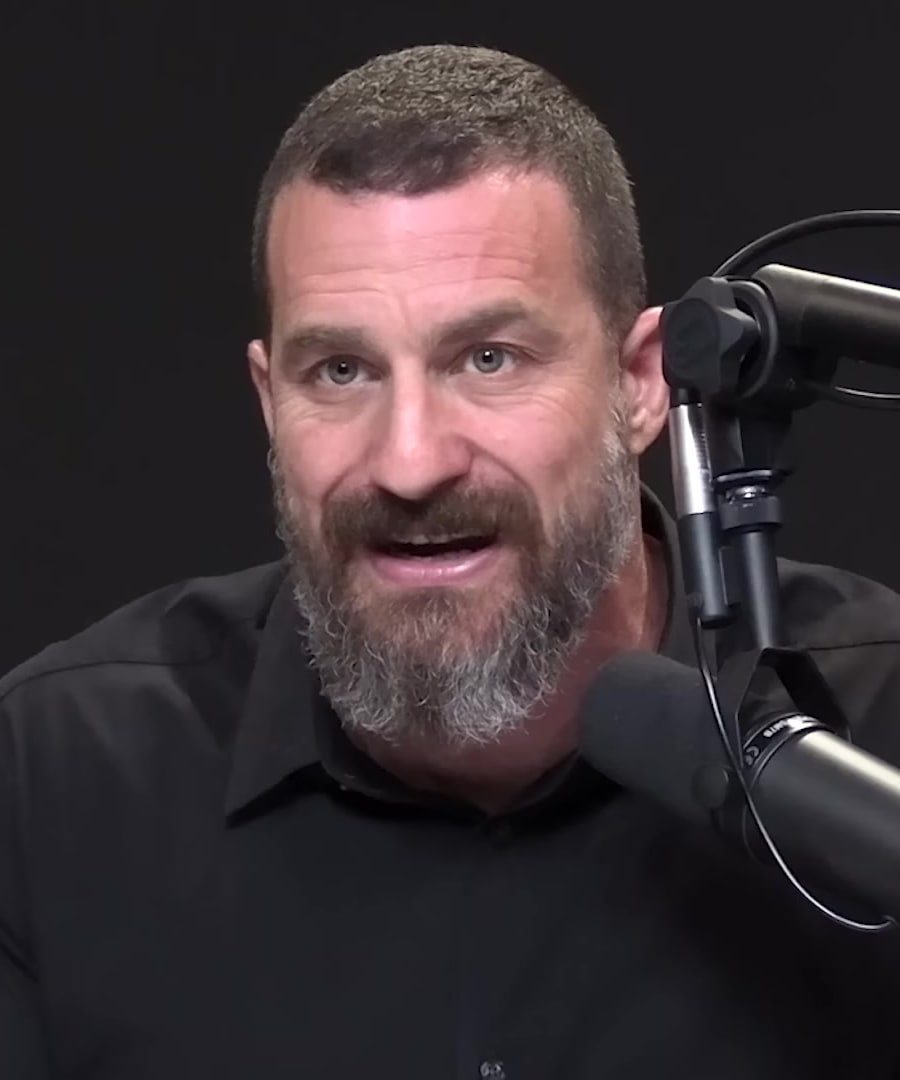
Tension headaches, often described as a headband-like pressure around the head, are primarily caused by muscular tension. explains that these headaches can result from stress, sleep deprivation, or even low-level infections, and are often accompanied by jaw and neck tightness 1. Understanding the neural mechanisms involved, such as motor, sensory, and modulatory neurons, is crucial for effective treatment. Huberman notes, "You have sensory neurons that sense input and actually sense the pain" 2. Behavioral approaches can help modulate these neural pathways without relying on medication 3.
Migraine Features
Migraines are distinct from other headaches due to their deep neural origins and symptoms like aura and photophobia. describes aura as a sensation that something is about to happen, often preceding the headache itself 4. Photophobia, or sensitivity to light, is another common symptom, linked to specific neurons in the eye that respond to bright light 5. Huberman highlights the complexity of migraines, noting, "Aura is associated with a back to front...spreading depression like a wave of lowering levels of electrical excitability" 6.
Cluster Headaches
Cluster headaches are intensely painful and often feel as if they originate from deep within the head, typically affecting one side. These headaches are linked to the trigeminal nerve, which can become inflamed, causing symptoms like droopy eyelids and nasal discharge 7. explains that these headaches can last from 30 minutes to several hours and are more common in men, often occurring during sleep 8. He emphasizes the need for neural-focused treatments, as standard anti-inflammatory measures may not be effective 9.
Traumatic Headaches
Traumatic headaches, often resulting from head injuries, can lead to both acute and chronic pain. discusses the challenges in diagnosing traumatic brain injuries, noting that symptoms may not appear immediately 10. Swelling in the brain or surrounding tissues can cause headaches, with sleep and proper circadian rhythms playing a crucial role in recovery 11. Huberman stresses the importance of foundational health practices, such as sleep, nutrition, and social connections, in managing these headaches: "There is no replacement for actual sleep, there's no replacement for actual nutrition" 12.
Related Episodes

Tools for Managing Stress & Anxiety | Huberman Lab Podcast #10
Answers 383 questionsControl Pain & Heal Faster with Your Brain | Huberman Lab Podcast #9
Answers 383 questionsThe Science of Healthy Hair, Hair Loss and How to Regrow Hair | Huberman Lab Podcast
Answers 383 questionsUnderstand & Improve Memory Using Science-Based Tools | Huberman Lab Podcast #72
Answers 383 questionsThe Science of Making & Breaking Habits | Huberman Lab Podcast #53
Answers 383 questionsHow to Focus to Change Your Brain | Huberman Lab Podcast #6
Answers 383 questionsThe Science of Hearing, Balance & Accelerated Learning | Huberman Lab Podcast #27
Answers 383 questionsScience-Based Tools for Increasing Happiness | Huberman Lab Podcast #98
Answers 383 questionsHow to Optimize Your Brain-Body Function & Health | Huberman Lab Podcast #30
Answers 383 questionsHow To Build Endurance In Your Brain & Body | Huberman Lab Podcast #23
Answers 383 questionsThe Science & Process of Healing from Grief | Huberman Lab Podcast #74
Answers 383 questions