Dr. Maya Shankar: How to Shape Your Identity & Goals | Huberman Lab Podcast

Topics covered
Popular Clips






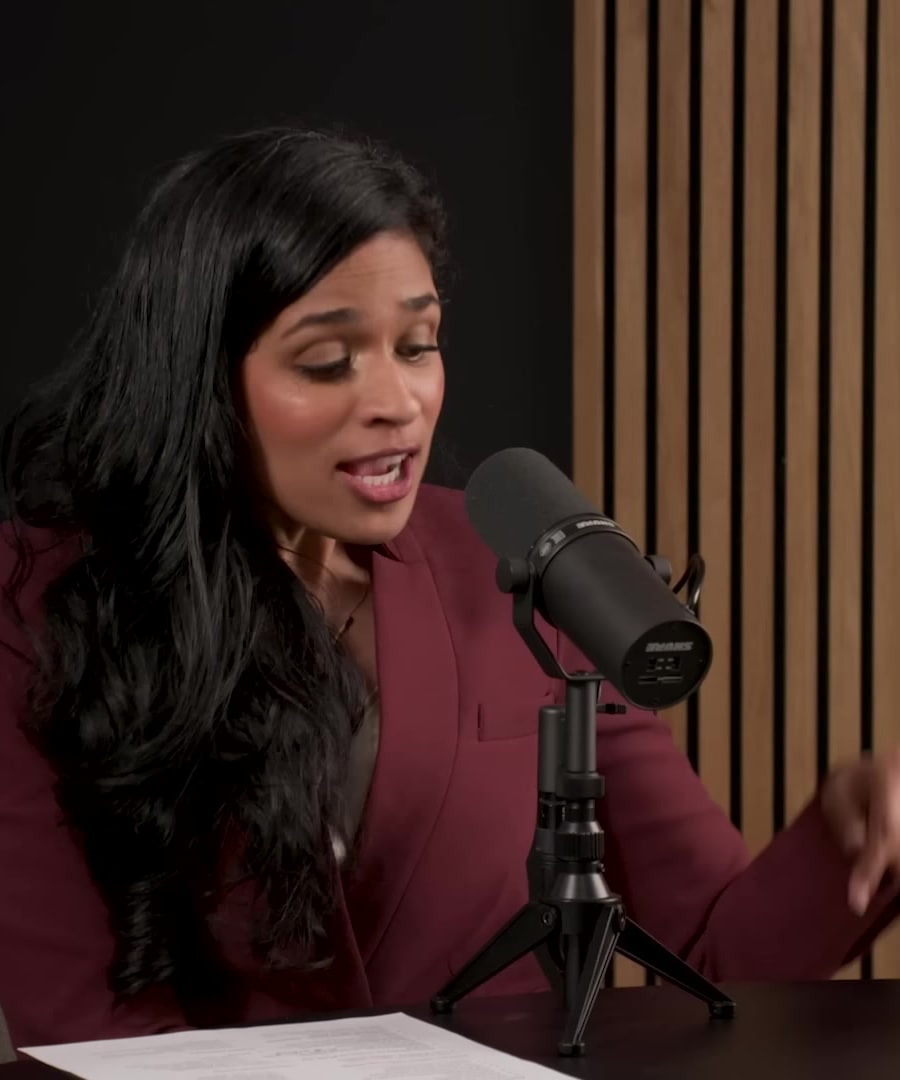


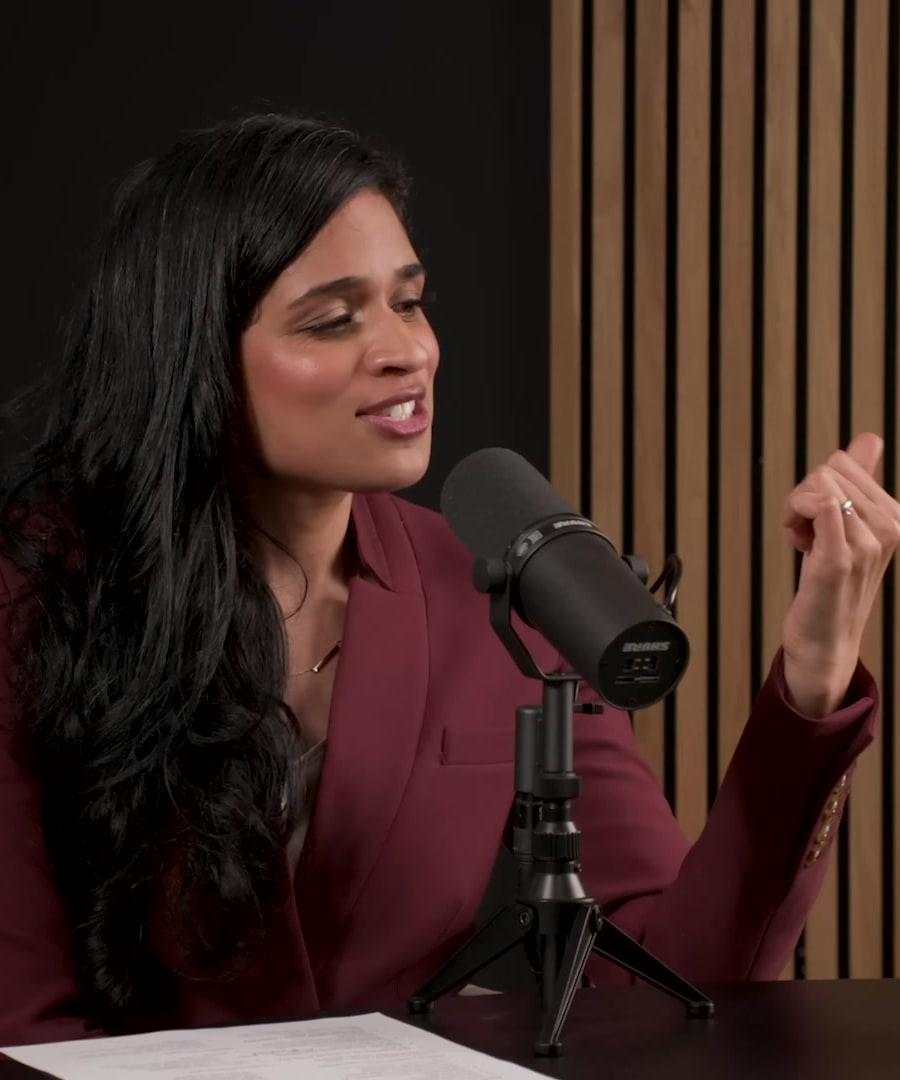


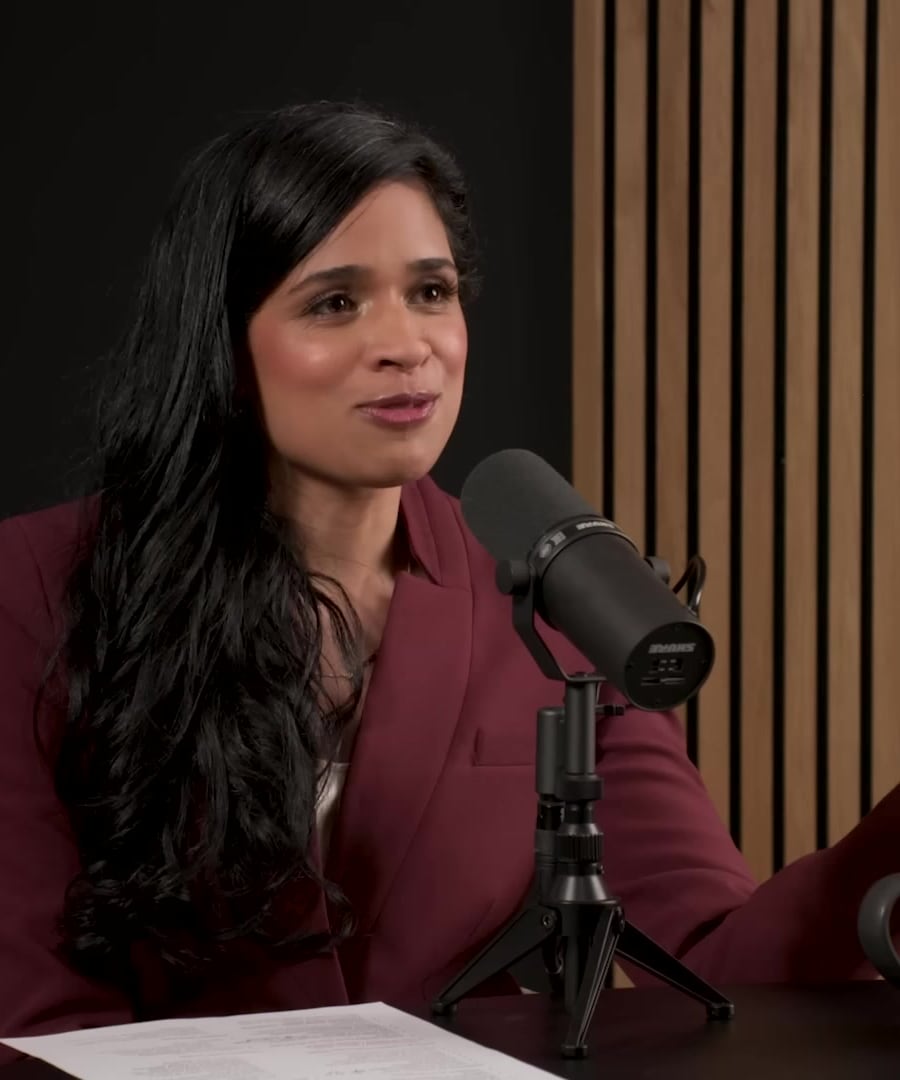
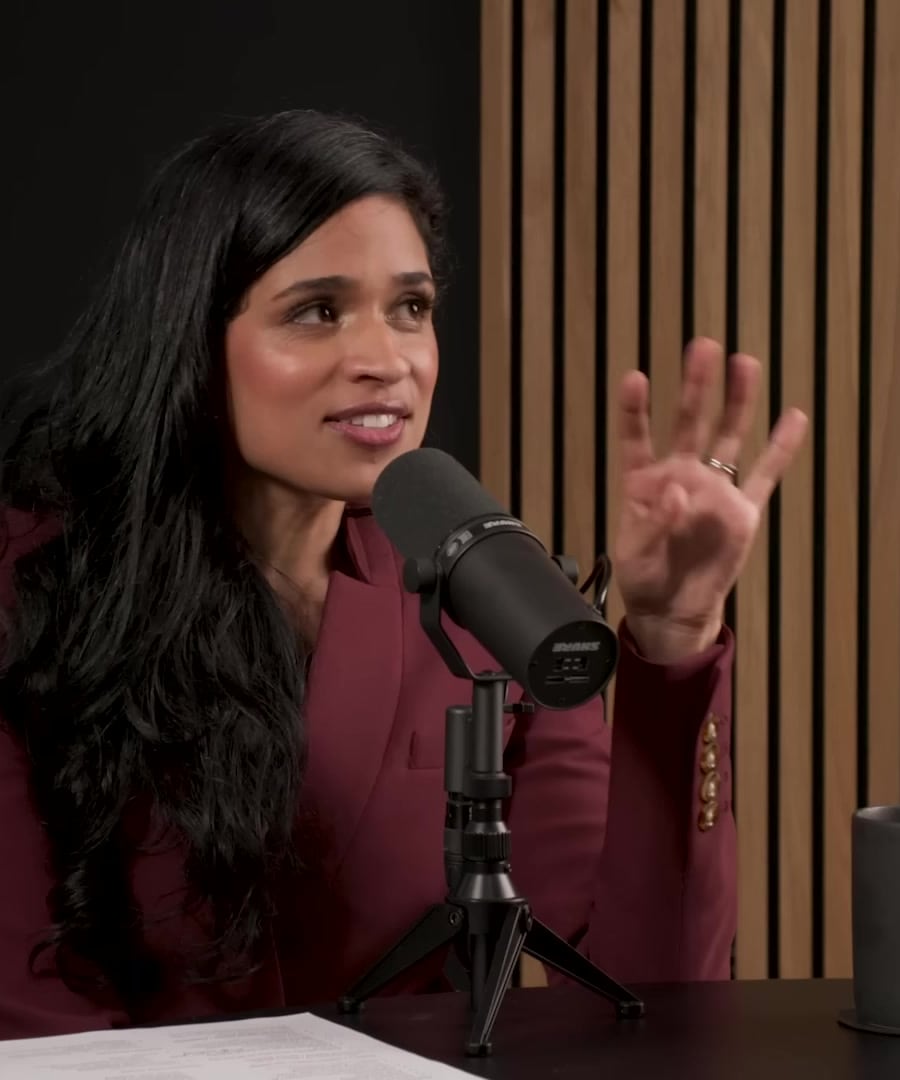
Questions from this episode
- Asked by 1,203 people
- Asked by 230 people
- Asked by 224 people
- Asked by 213 people
- Asked by 172 people
- Asked by 129 people
- Asked by 101 people
- Asked by 92 people
- Asked by 79 people
- Asked by 77 people
- Asked by 71 people
- Asked by 69 people
- Asked by 66 people
- Asked by 60 people
- Asked by 60 people
Episode Highlights
Empathy Types
Understanding empathy involves recognizing its different forms and their impact on personal well-being. explains that empathy can be categorized into emotional empathy, cognitive empathy, and empathic concern, each offering unique benefits and challenges 1. Emotional empathy, while deeply connecting, can lead to burnout, especially in professions like healthcare. However, cognitive empathy and empathic concern can serve as protective factors against such burnout. appreciates the concept of cognitive empathy, noting its importance in understanding others' experiences 1.
The greatest gift it has given me is empathy towards people. It is the greatest driver of human empathy to learn how our minds work.
---
By cultivating empathy through understanding cognitive science, individuals can bridge empathy gaps and foster better social interactions 2.
Perception Bias
Perception and bias significantly influence how we interpret the world around us. highlights a study from the 1950s that illustrates how group affiliations can skew our perceptions, such as in sports where fans are biased towards their team 3. This bias is often subconscious, with individuals believing they are objective despite their group loyalties. emphasizes that understanding these biases can help in addressing disagreements, as it reveals the underlying social forces at play.
Our perception of the outside world is strongly informed by the group that we see ourselves in and often to our own detriment.
---
Recognizing the role of group dynamics in shaping beliefs provides a pathway to more effective communication and conflict resolution 3.
Related Episodes

Goals Toolkit: How to Set & Achieve Your Goals | Huberman Lab Podcast
Answers 383 questionsThe Science of Setting & Achieving Goals | Huberman Lab Podcast #55
Answers 383 questions
Dr. Emily Balcetis: Tools for Setting & Achieving Goals | Huberman Lab Podcast #83
Answers 383 questionsThe Science of Making & Breaking Habits | Huberman Lab Podcast #53
Answers 383 questions
Tim Ferriss: How to Learn Better & Create Your Best Future | Huberman Lab Podcast
Answers 383 questionsHow to Optimize Your Brain-Body Function & Health | Huberman Lab Podcast #30
Answers 383 questionsHow to Focus to Change Your Brain | Huberman Lab Podcast #6
Answers 383 questionsThe Science of Emotions & Relationships | Huberman Lab Podcast #13
Answers 383 questions