Dr. Zachary Knight: The Science of Hunger & Medications to Combat Obesity

Topics covered
Popular Clips
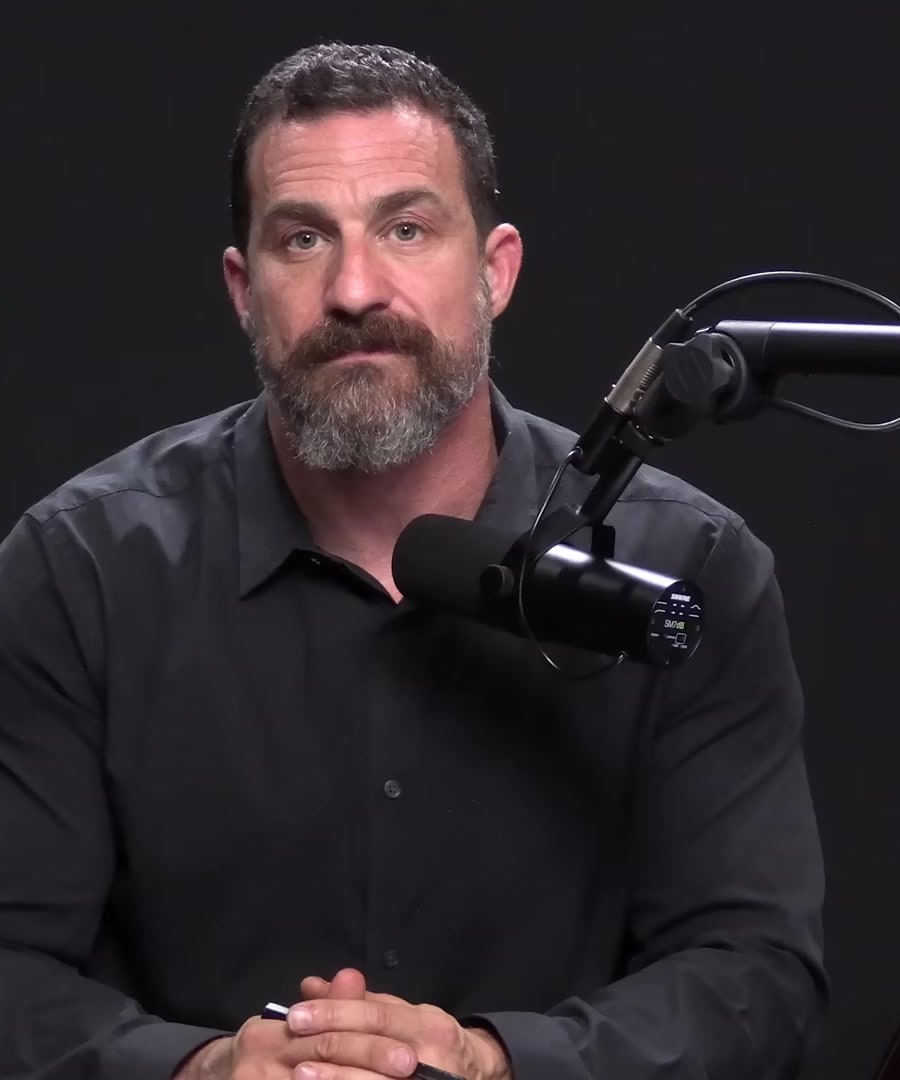


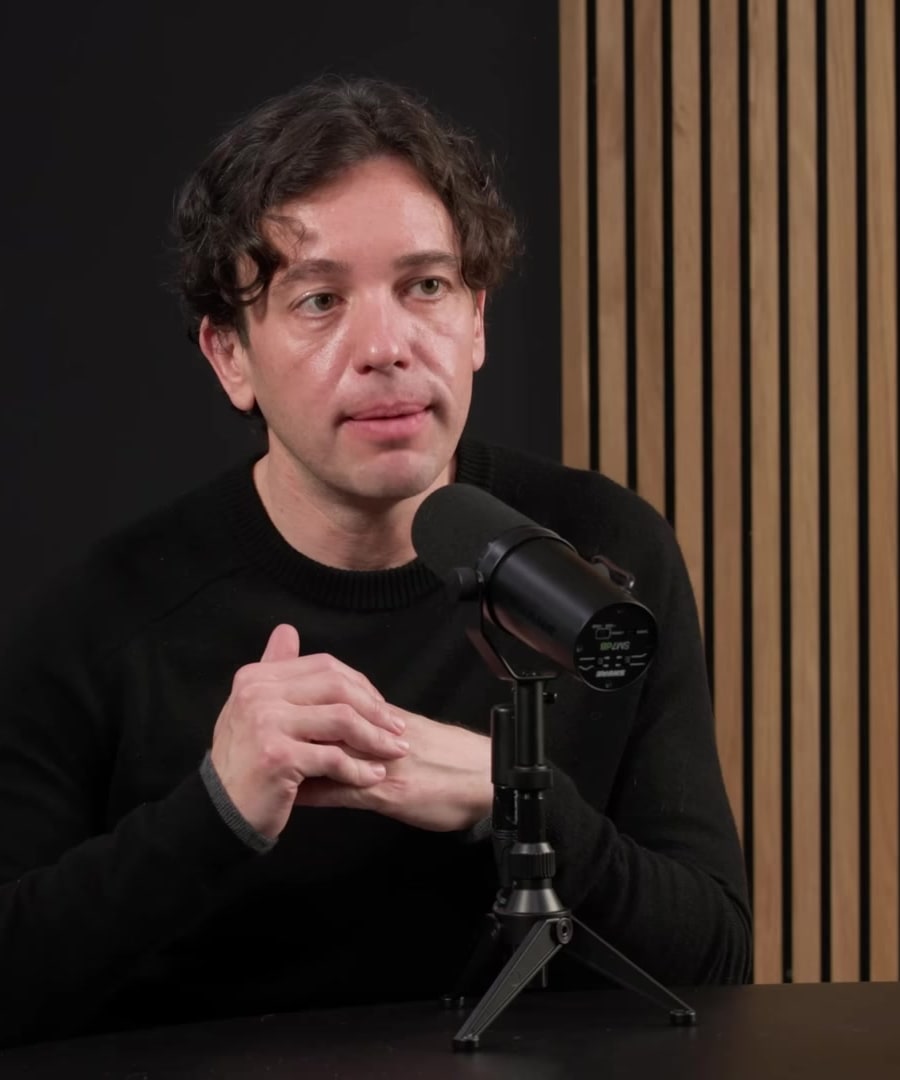

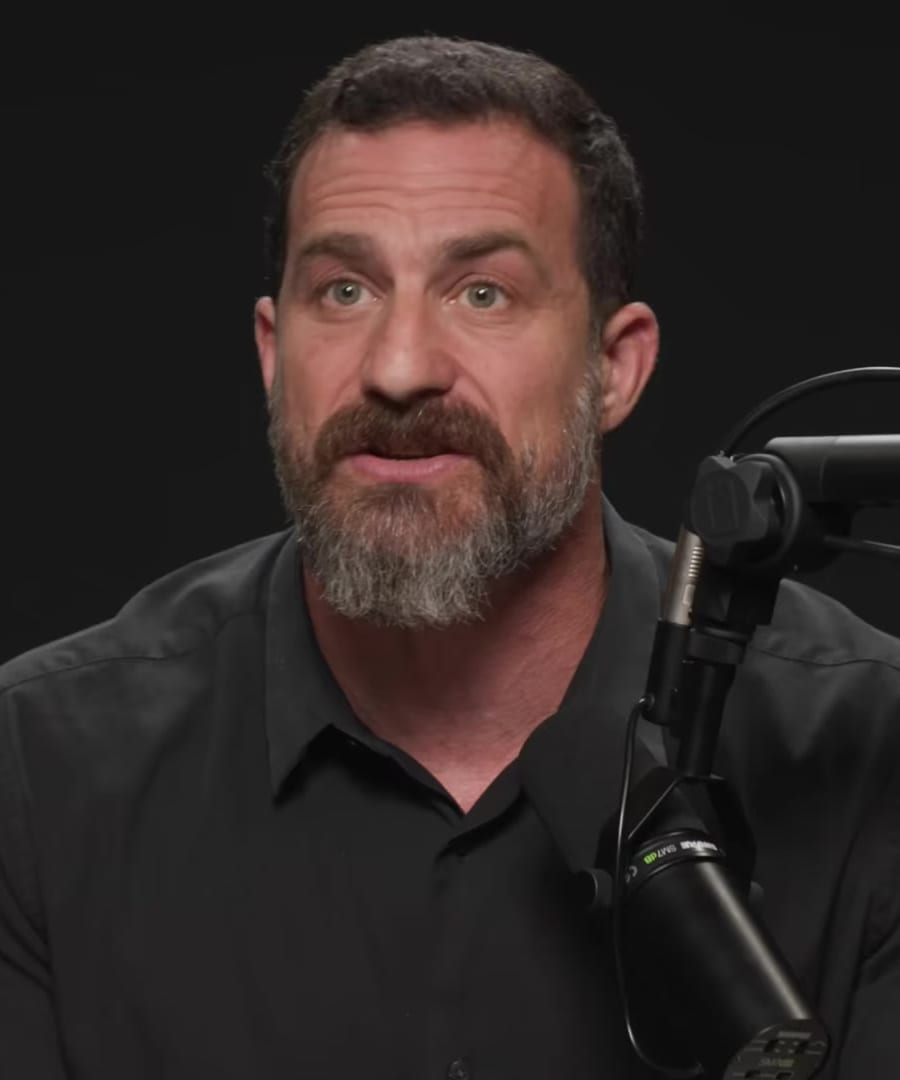

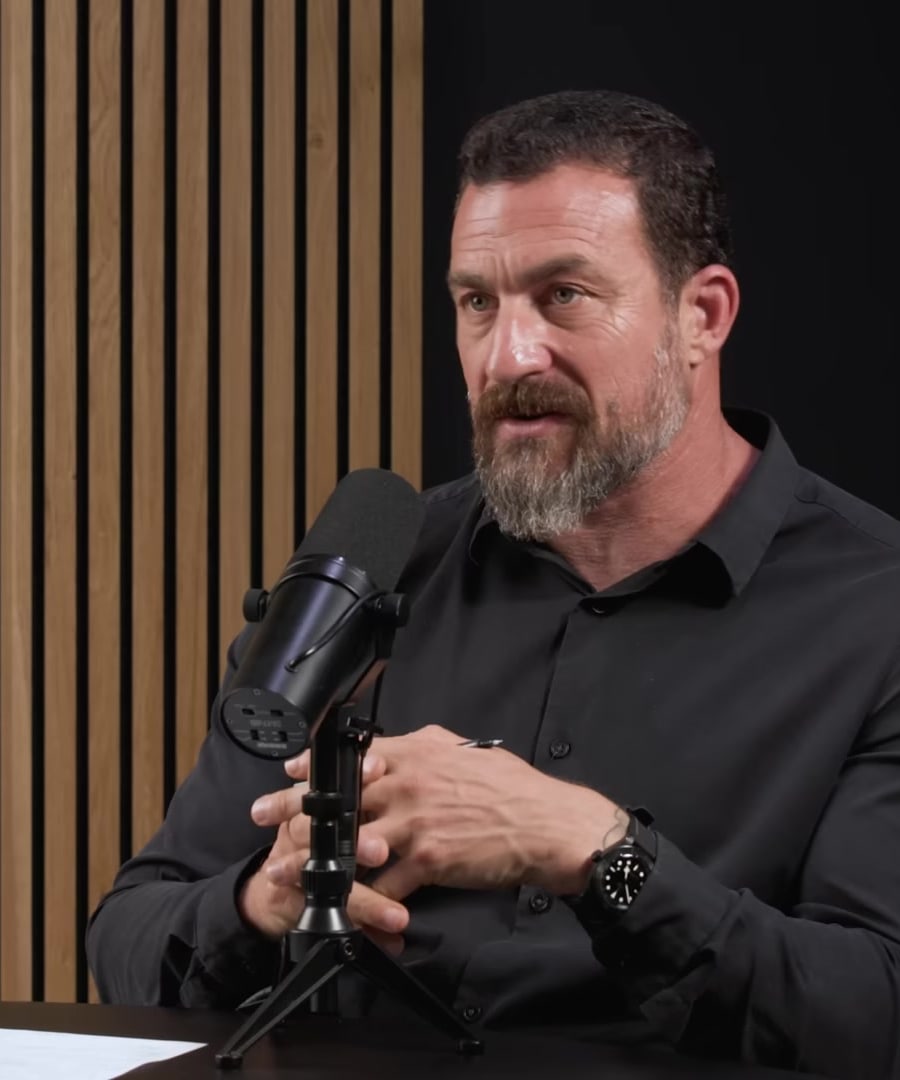





Questions from this episode
- Asked by 1,207 people
- Asked by 729 people
- Asked by 639 people
- Asked by 431 people
- Asked by 348 people
- Asked by 346 people
- Asked by 290 people
- Asked by 235 people
- Asked by 231 people
- Asked by 225 people
- Asked by 213 people
- Asked by 207 people
- Asked by 193 people
- Asked by 144 people
- Asked by 143 people
Episode Highlights
Mechanisms
and discuss the mechanisms of GLP-1 drugs, highlighting their impact on appetite and weight loss. These drugs, which have been around since 2005, are known for their safety and unexpected health benefits beyond weight loss 1. explains that GLP-1 has a very short half-life, making it challenging to use directly, but pharmaceutical advancements have stabilized it for effective use 2.
The first GLP-1 drug that was approved was just this molecule from this lizard, basically. And it's called xenotide and is approved in 2005.
---
These advancements have led to significant improvements in diabetes treatment and weight management.
Development
The development of GLP-1 drugs has been a journey of incremental improvements. describes how early versions like liraglutide had a half-life of 13 hours, leading to moderate weight loss 3. Over time, newer drugs like semaglutide have extended this half-life to seven days, resulting in more substantial weight loss 3.
Semaglutide now has a half-life of seven days. So now we've gone from two minutes, 2 hours, 13 hours, seven days, and you can really jack up the concentration with a seven day half-life.
---
These drugs primarily work by reducing appetite, targeting specific neurons in the brain 4.
Innovations
Looking ahead, the future of weight loss drugs is promising. mentions that pharmaceutical companies are developing GLP-1 plus drugs, which combine GLP-1 agonists with other compounds to enhance weight loss and reduce side effects 5. One such drug, tirzepatide, targets both GLP-1 and another incretin, leading to even greater weight loss 5.
The results from this drug are incredible. So basically, there's been one phase two trial published, and people lost 25% of their body weight at the end of the, I think it was 48 week period, and they were still losing weight.
---
Other innovations include long-lasting antibodies that maintain weight loss for extended periods, showing the potential for even more effective treatments 6.
Related Episodes

How Our Hormones Control Our Hunger, Eating & Satiety | Huberman Lab Podcast #16
Answers 383 questions
Dr. Robert Lustig: How Sugar & Processed Foods Impact Your Health
Answers 383 questions
Dr. Chris Palmer: Diet & Nutrition for Mental Health | Huberman Lab Podcast #99
Answers 383 questions
Dr. Layne Norton: Tools for Nutrition & Fitness
Answers 383 questionsUsing Science to Optimize Sleep, Learning & Metabolism | Huberman Lab Podcast #3
Answers 383 questionsUnderstanding & Conquering Depression | Huberman Lab Podcast #34
Answers 383 questions