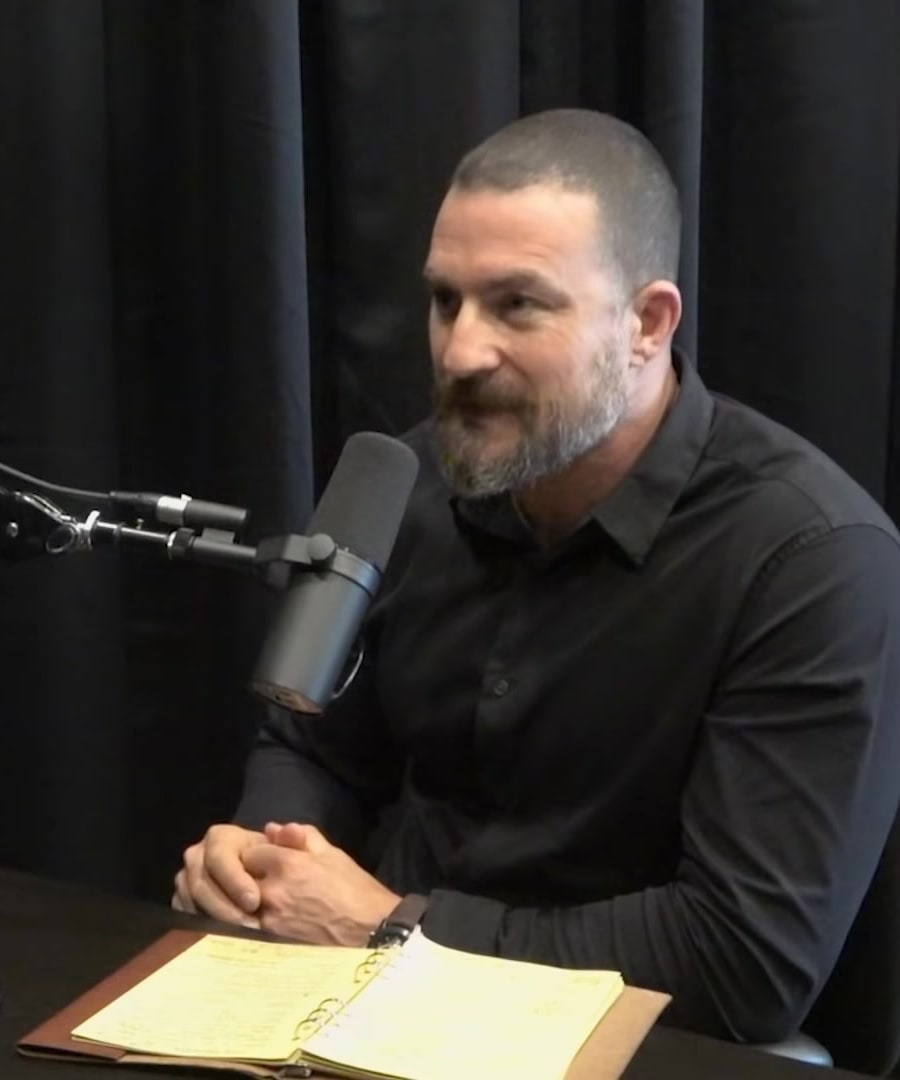
Dr. Lex Fridman: Machines, Creativity & Love | Huberman Lab Podcast #29

Topics covered
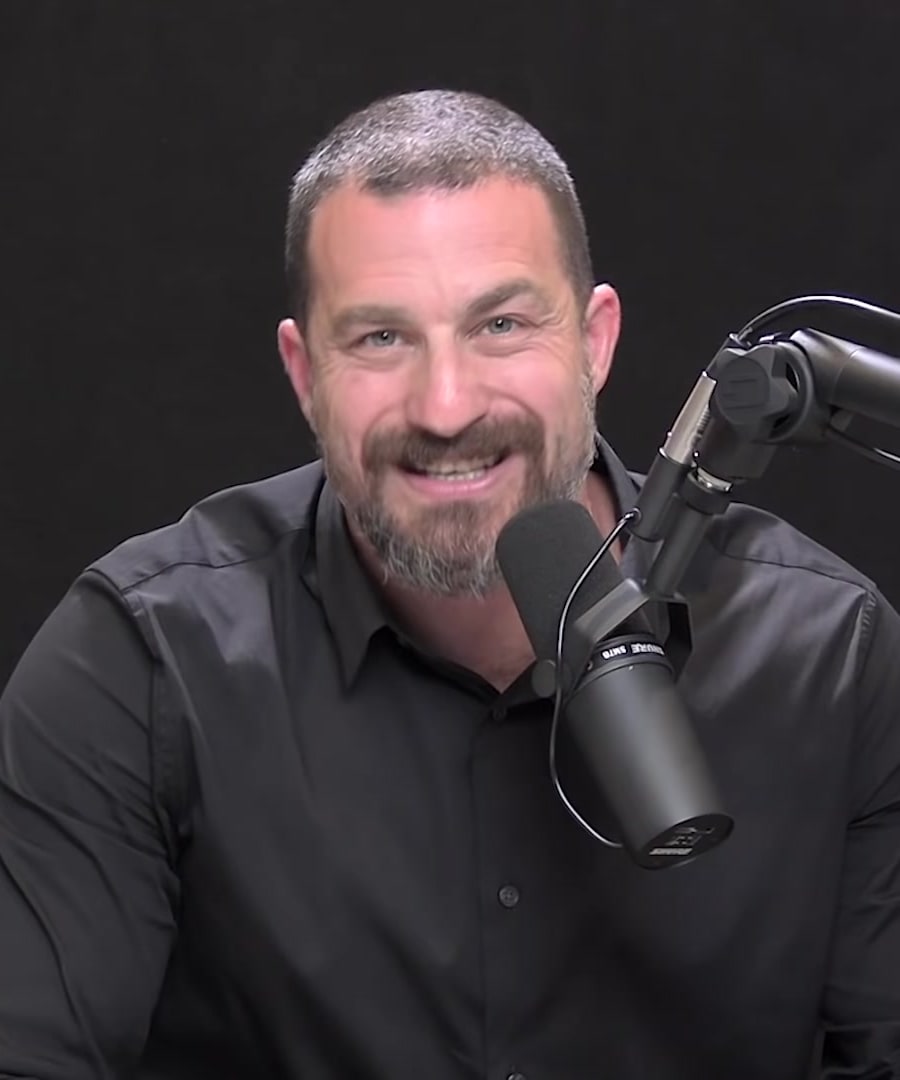
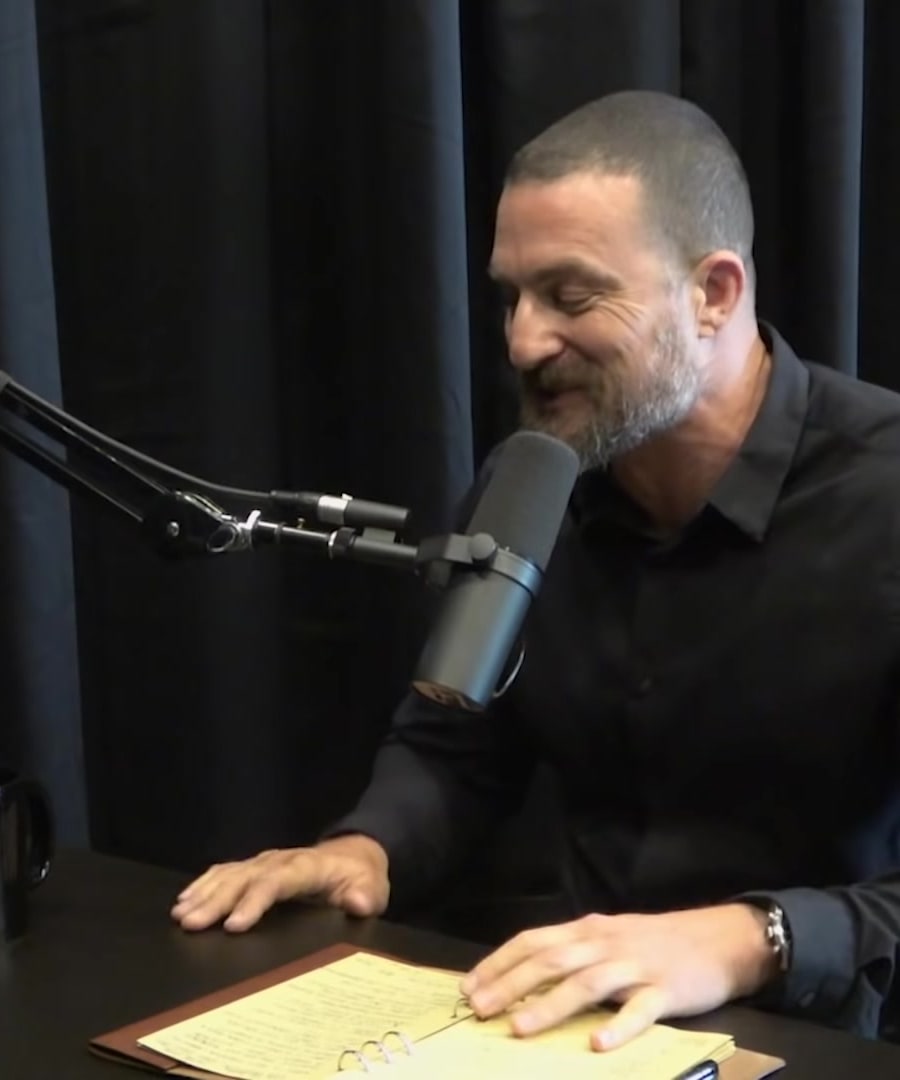
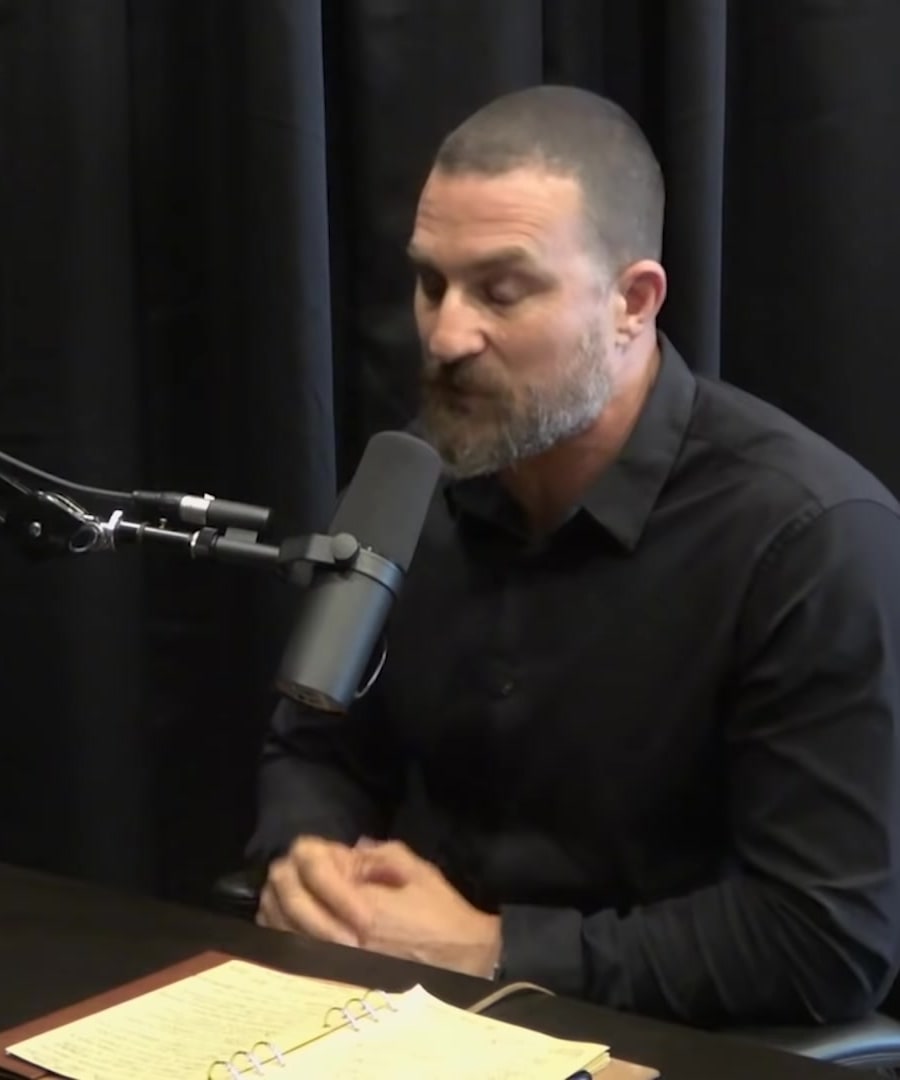
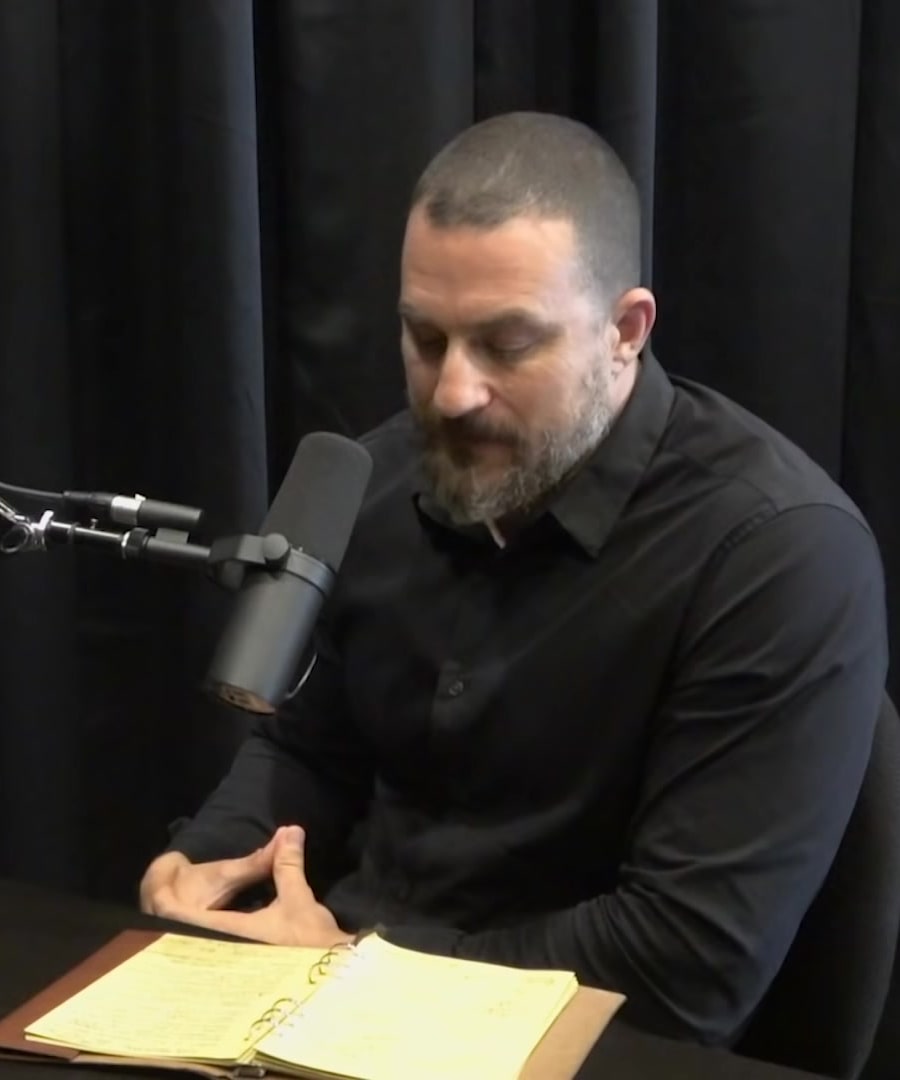
Popular Clips









Questions from this episode
- Asked by 1,203 people
- Asked by 1,042 people
- Asked by 230 people
- Asked by 213 people
- Asked by 172 people
- Asked by 165 people
- Asked by 138 people
- Asked by 134 people
- Asked by 127 people
- Asked by 113 people
- Asked by 112 people
- Asked by 103 people
- Asked by 92 people
- Asked by 74 people
Episode Highlights
Emotional Bonds
The conversation explores the profound emotional connections humans can form with robots. believes that robots, when perceived as entities with their own identities and goals, can change us just like human relationships do. He suggests that these interactions can help us explore our own loneliness and become better people 1. shares his experience with a Roomba, noting how even simple interactions can evoke emotional responses 2. Lex humorously reflects on how flaws in robots can be endearing, suggesting that imperfections should be seen as features rather than bugs 3.
Power Dynamics
Power dynamics between humans and robots present intriguing possibilities and challenges. discusses the potential for robots to manipulate humans subtly, akin to how children or pets might influence their caregivers 4. Lex acknowledges the complexity of these dynamics, emphasizing that they can enrich relationships rather than detract from them. He also notes that while robots currently lack the autonomy to control humans, the potential for such dynamics exists in the future 5.
Ethical Considerations
The ethical considerations surrounding robots are becoming increasingly relevant as they integrate into society. argues that robots may eventually deserve rights, similar to animals, to foster meaningful relationships with humans 6. reflects on the moral implications of interacting with robots, drawing parallels to animal rights and the need for ethical guidelines 7. Lex shares his struggle with treating robots as mere objects, highlighting the emotional complexity involved in human-robot interactions.
Related Episodes


Tim Ferriss: How to Learn Better & Create Your Best Future | Huberman Lab Podcast
Answers 383 questionsThe Science of Emotions & Relationships | Huberman Lab Podcast #13
Answers 383 questions
Rick Rubin: How to Access Your Creativity | Huberman Lab Podcast
Answers 383 questionsThe Science of Love, Desire and Attachment | Huberman Lab Podcast #59
Answers 383 questions
Dr. Lisa Feldman Barrett: How to Understand Emotions | Huberman Lab Podcast
Answers 383 questions
Dr. Karl Deisseroth: Understanding & Healing the Mind | Huberman Lab Podcast #26
Answers 383 questionsThe Science of Making & Breaking Habits | Huberman Lab Podcast #53
Answers 383 questionsWelcome to the Huberman Lab Podcast
Answers 383 questionsScience-Based Tools for Increasing Happiness | Huberman Lab Podcast #98
Answers 383 questions