Dr. Kay Tye: The Biology of Social Interactions and Emotions

Topics covered
Popular Clips
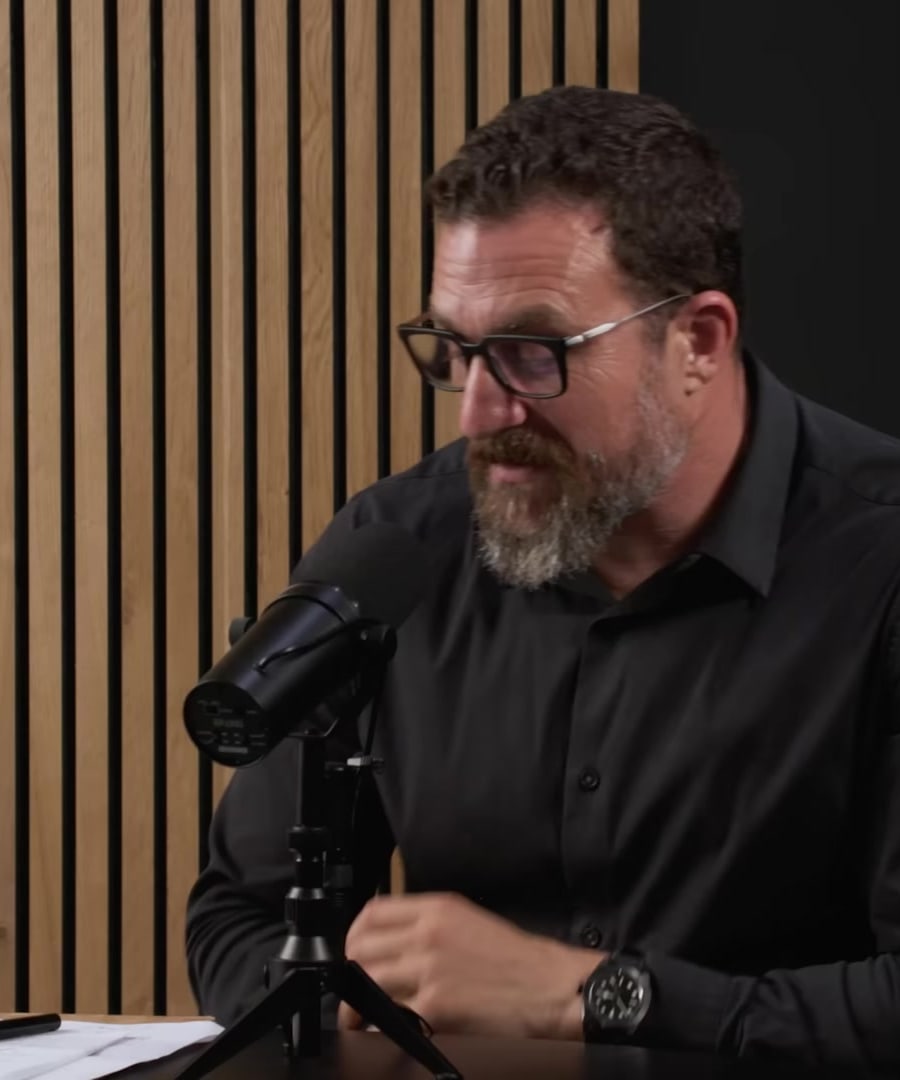
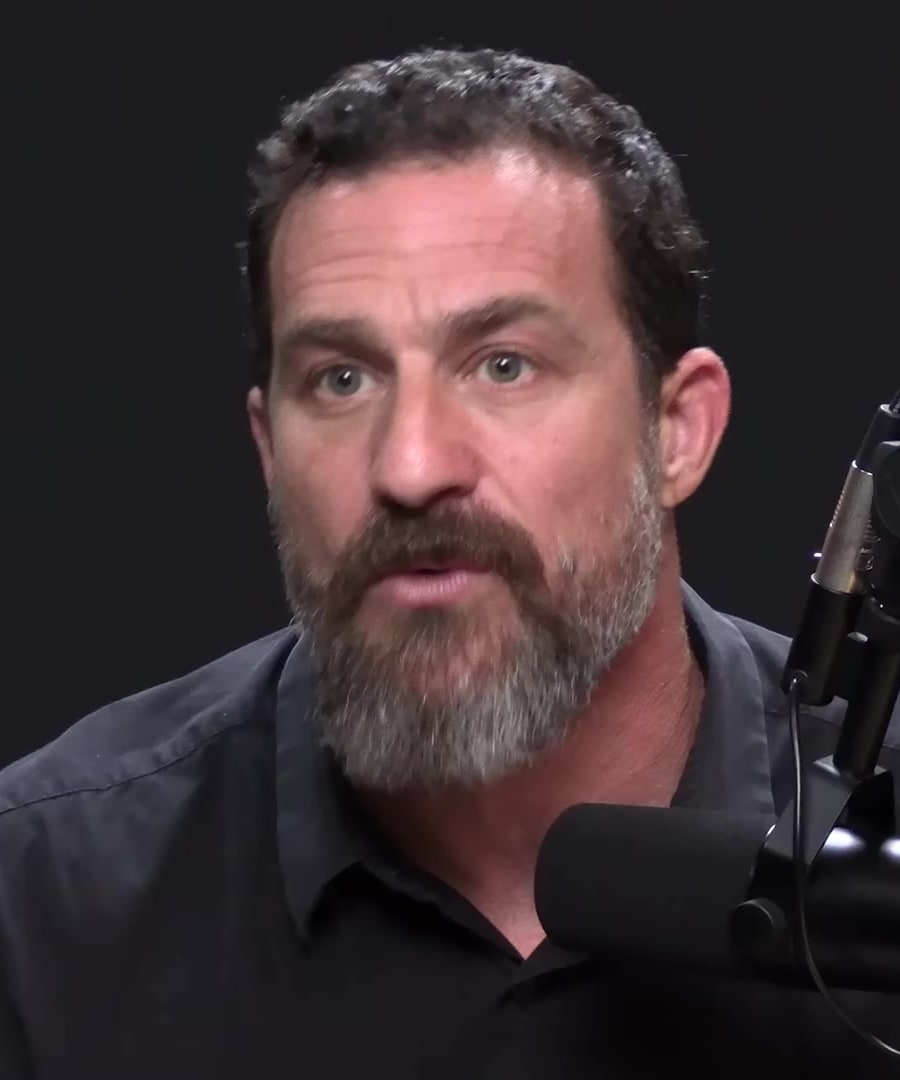
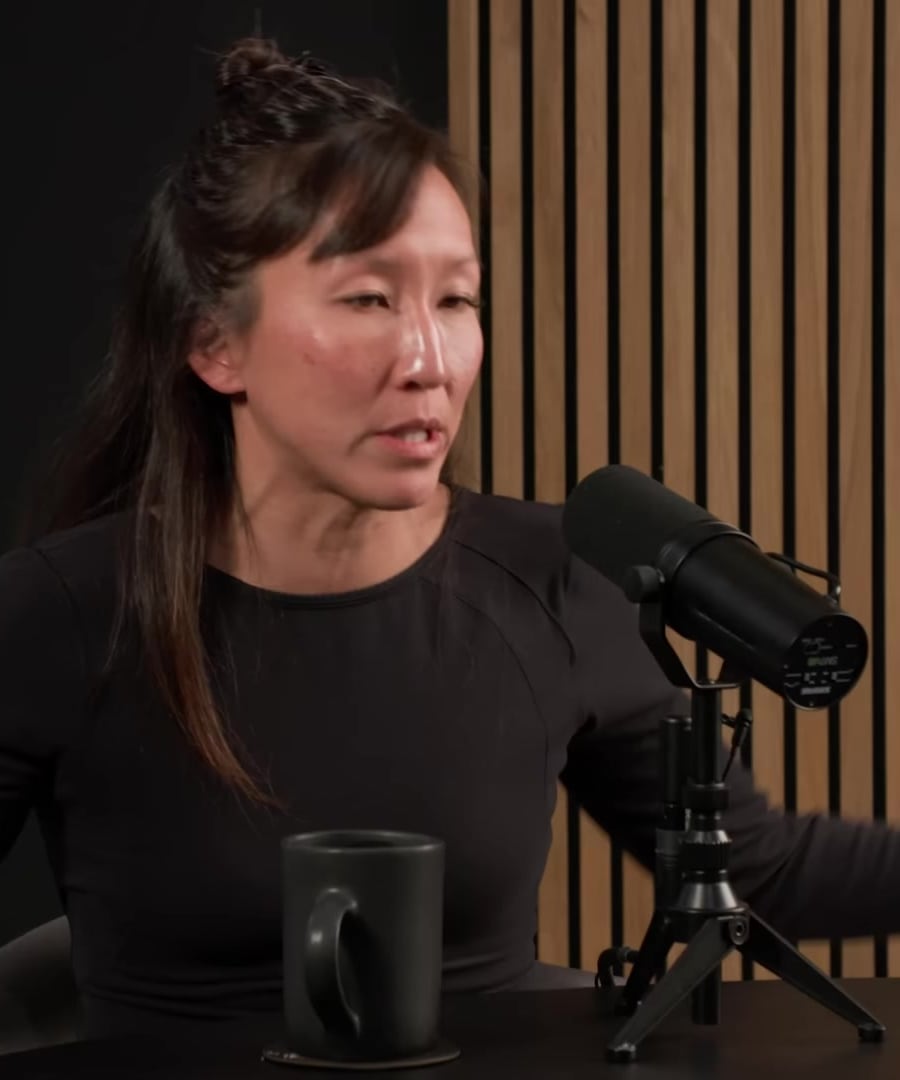
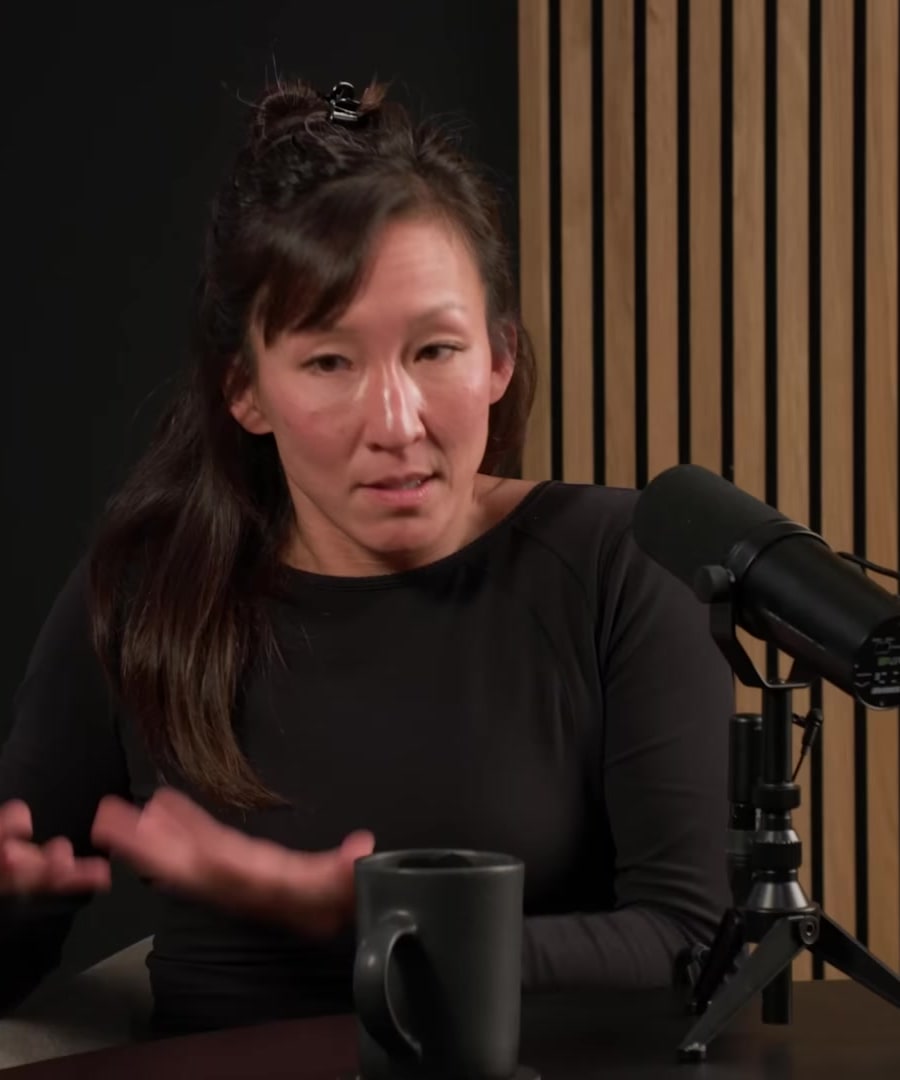

Questions from this episode
- Asked by 651 people
- Asked by 231 people
- Asked by 225 people
- Asked by 215 people
- Asked by 213 people
- Asked by 201 people
- Asked by 114 people
- Asked by 101 people
- Asked by 88 people
- Asked by 79 people
- Asked by 77 people
- Asked by 70 people
- Asked by 69 people
- Asked by 60 people
- Asked by 60 people
Episode Highlights
Social Rank
and explore the concept of social rank and its neural underpinnings. Andrew explains that social rank triggers activity in the amygdala and other brain areas, influencing how individuals perceive their position within a hierarchy 1. Kay adds that social rank can vary across different contexts and is not always linear, highlighting the complexity of studying this phenomenon in both humans and animals 1.
Dynamic Hierarchies
Dynamic hierarchies, where leadership shifts based on context, are discussed as a healthier alternative to rigid structures. Andrew shares his childhood experiences of changing hierarchies in different activities, from sports to academics 2. Kay describes experiments showing that even in animal groups, hierarchies can be fluid, with dominance and subordination changing based on specific tasks and interactions 3.
The ranks are stable. They have a rank, 1234 in the cage. And everybody does a round robin, ones versus twos, ones versus threes.
---
This adaptability in hierarchies suggests a more nuanced understanding of social dynamics.
Academic Hierarchy
Kay discusses the rigid hierarchical structures in academia and their negative consequences. She highlights the prevalence of issues like sexual misconduct and the need for more flexible, dynamic systems 4. Kay also shares her personal struggles with imposter syndrome and the importance of creating inclusive environments in academic settings 5.
I think that I want to see academia be one of the healthiest places. Why is it second only to the military in the pervasiveness of sexual misconduct?
---
The conversation underscores the need for systemic change to foster a more supportive academic culture.
Related Episodes

The Science of Emotions & Relationships | Huberman Lab Podcast #13
Answers 383 questions
Dr. Allan Schore: How Relationships Shape Your Brain
Answers 383 questions
Dr. Laurie Santos: How to Achieve True Happiness Using Science-Based Protocols
Answers 383 questions
Dr. Terry Sejnowski: How to Improve at Learning Using Neuroscience & AI
Answers 383 questions
Dr. Karl Deisseroth: Understanding & Healing the Mind | Huberman Lab Podcast #26
Answers 383 questions
Dr. Karen Parker: The Causes & Treatments for Autism
Answers 383 questions
Dr. Lisa Feldman Barrett: How to Understand Emotions | Huberman Lab Podcast
Answers 383 questions
Dr. Marc Brackett: How to Increase Your Emotional Intelligence
Answers 383 questionsThe Science & Process of Healing from Grief | Huberman Lab Podcast #74
Answers 383 questions