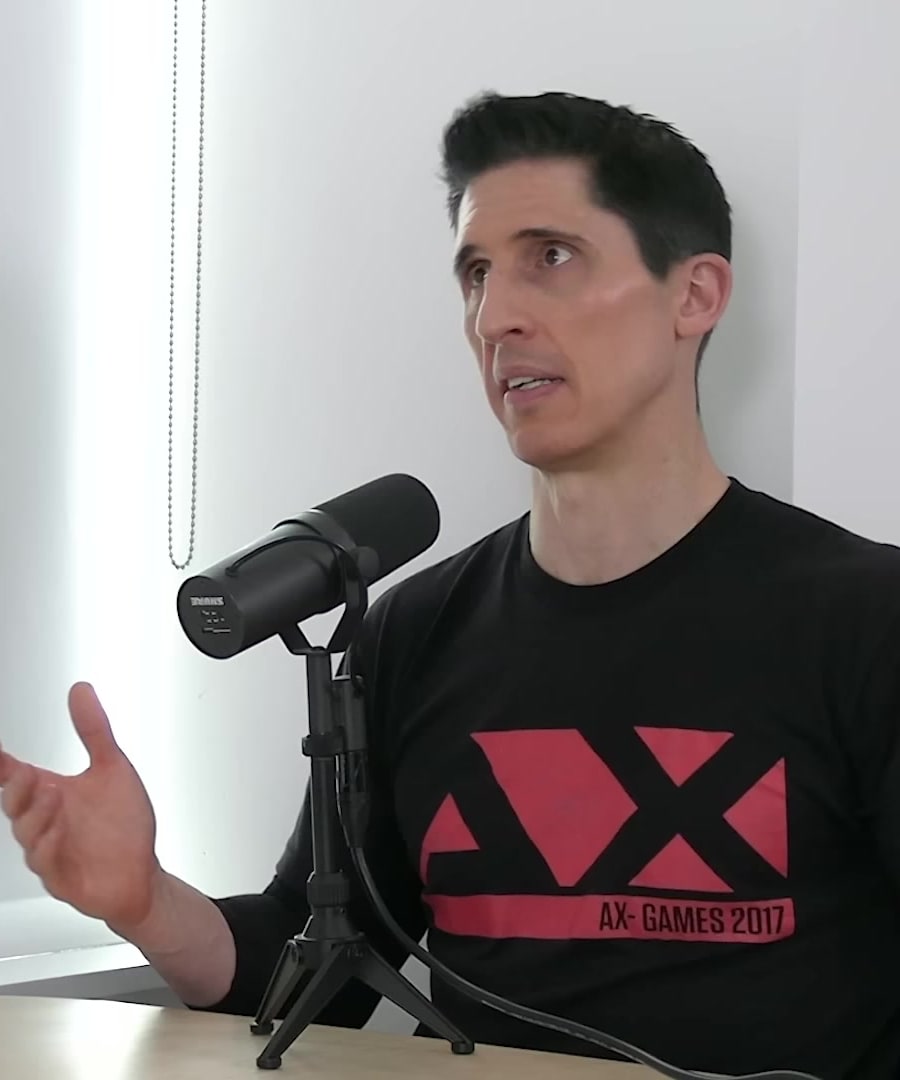
Jeff Cavaliere: Optimize Your Exercise Program with Science-Based Tools | Huberman Lab Podcast #79

Topics covered
Popular Clips
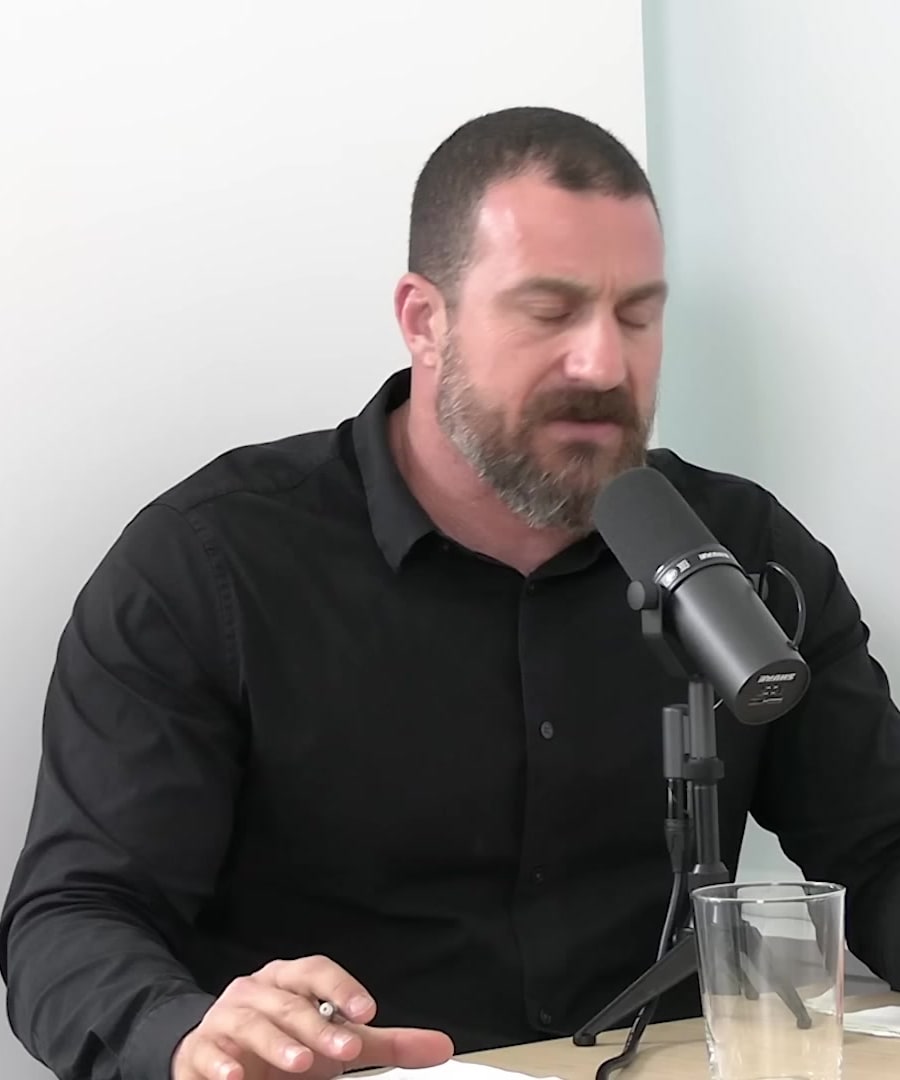
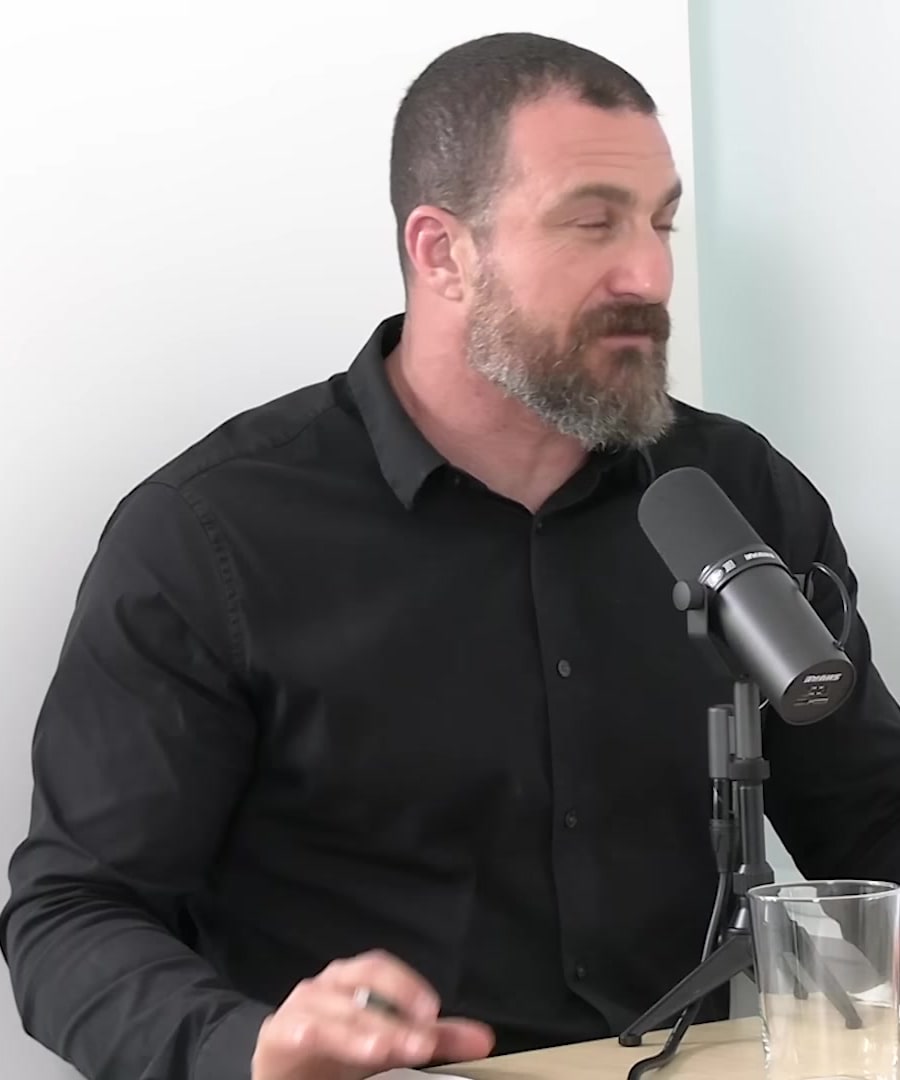
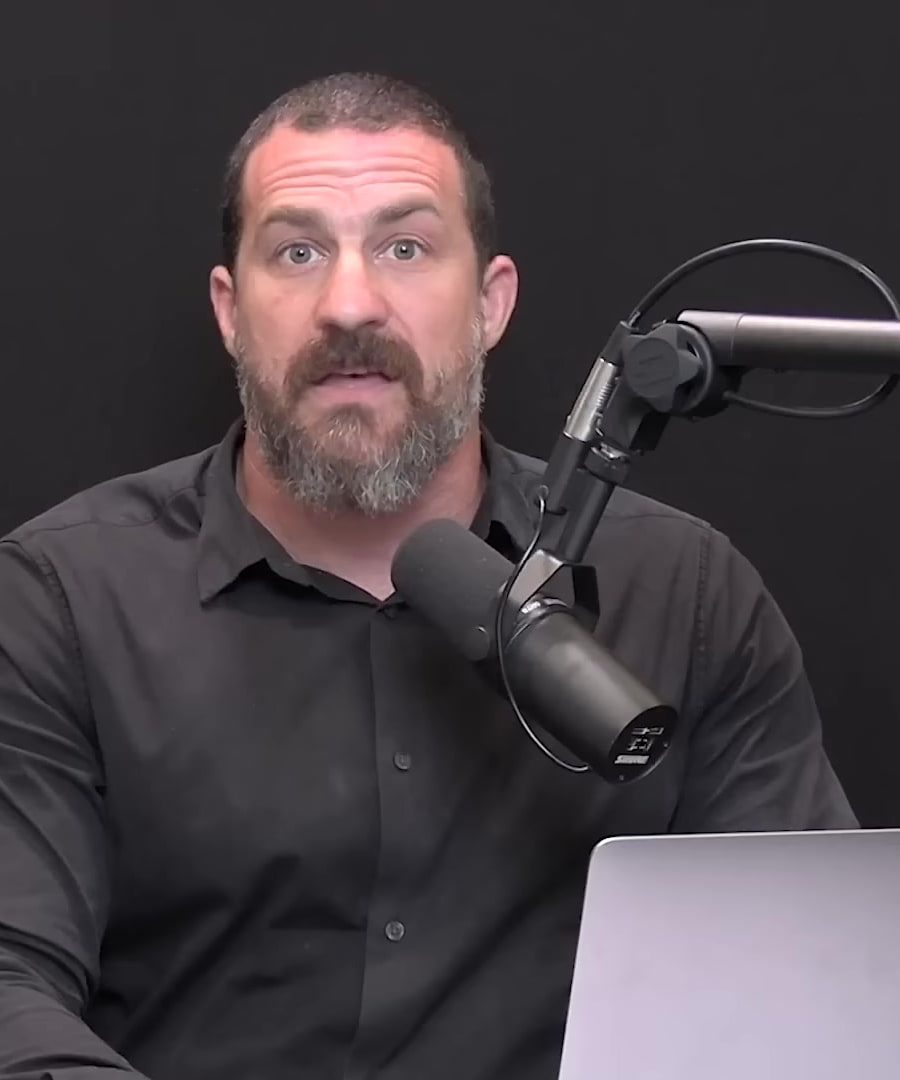
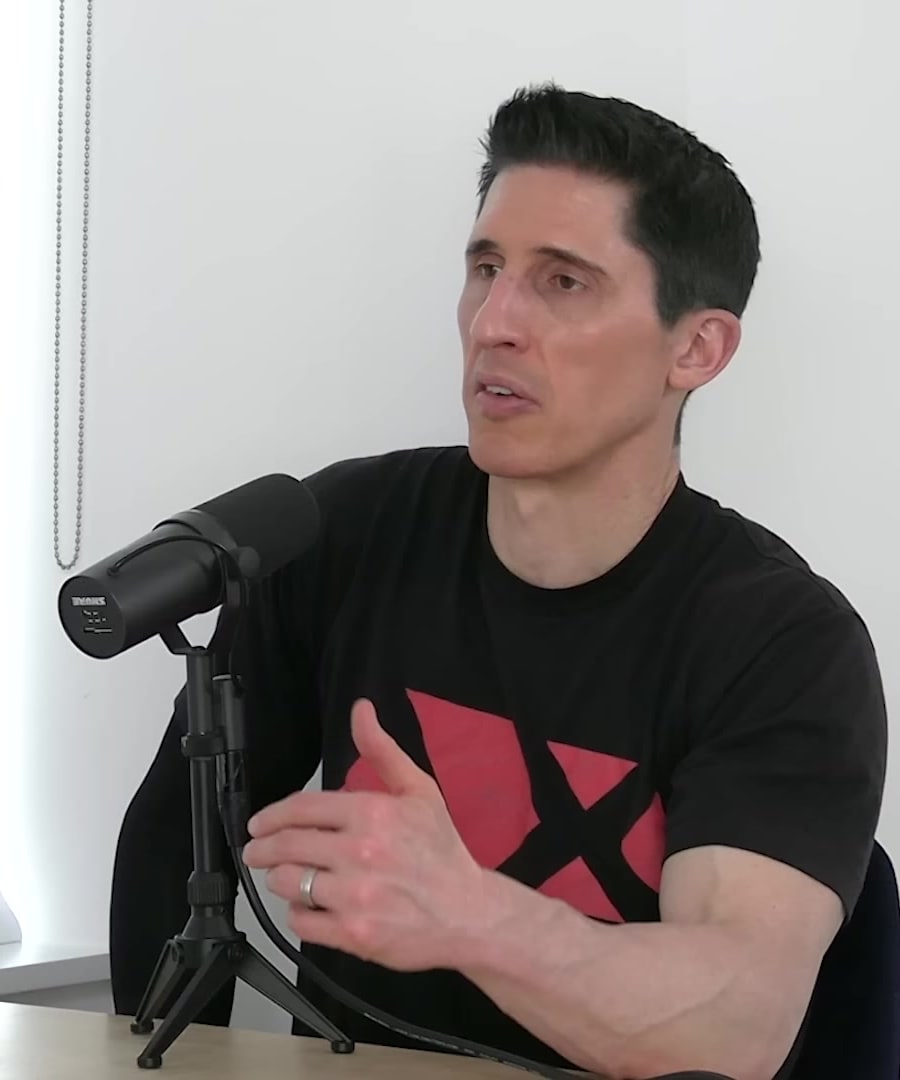
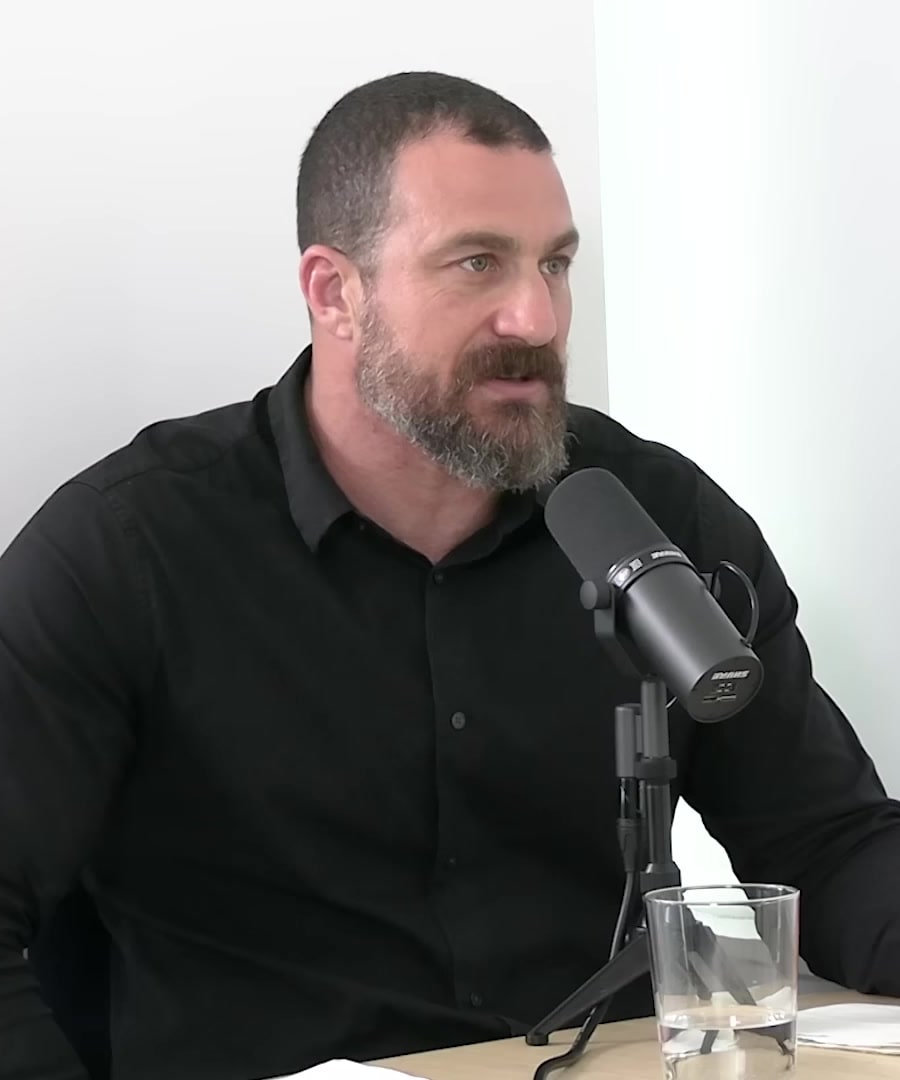
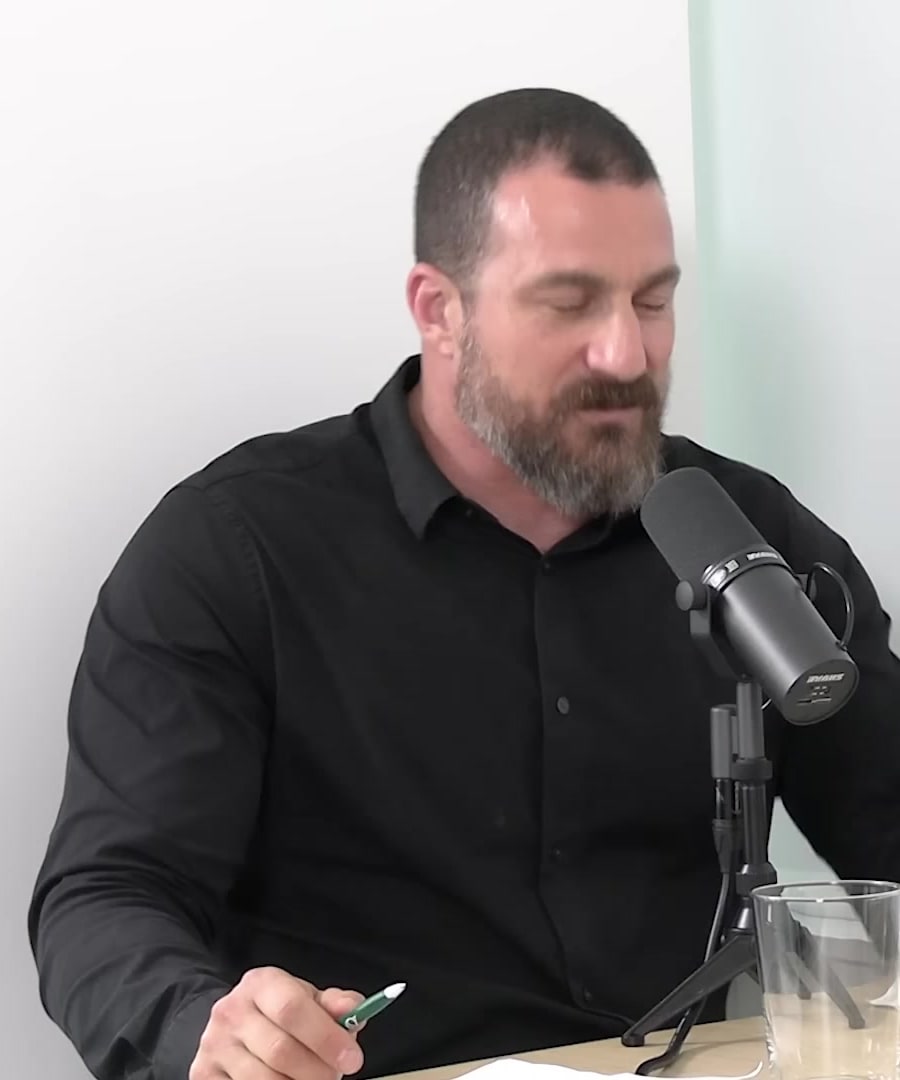
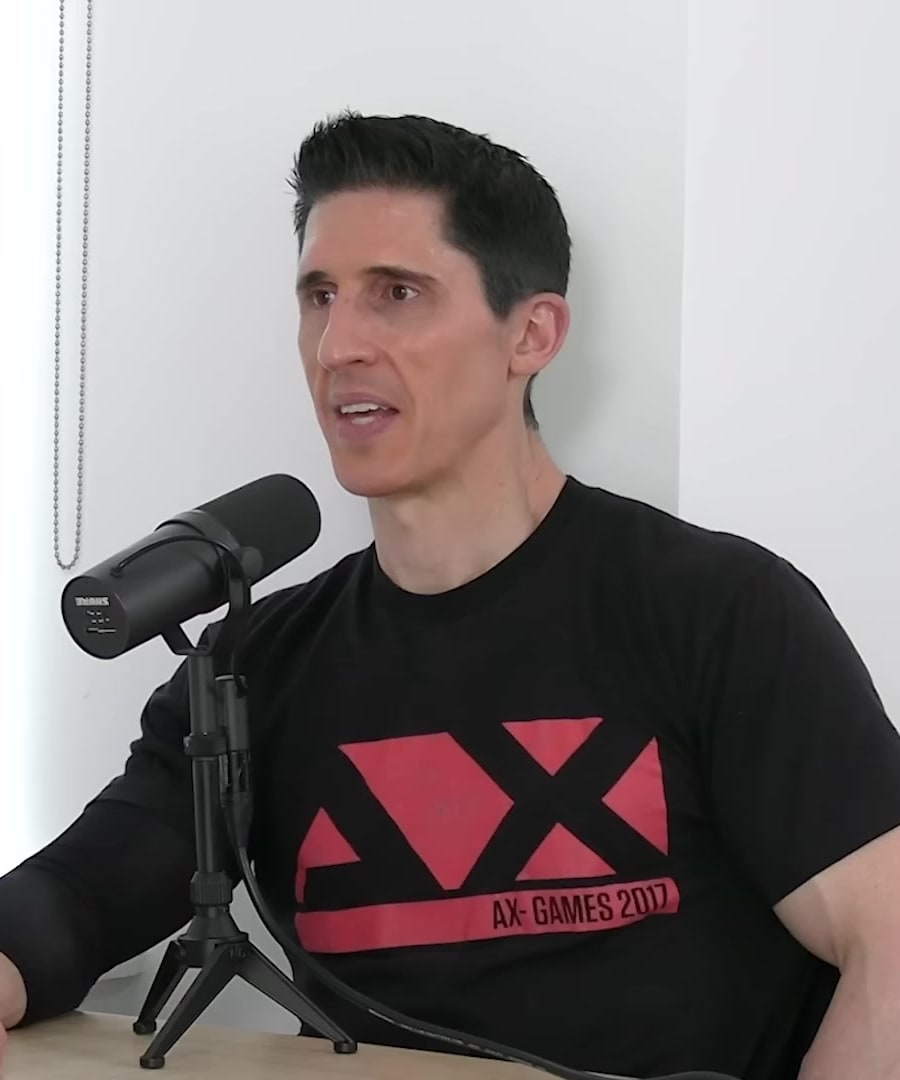
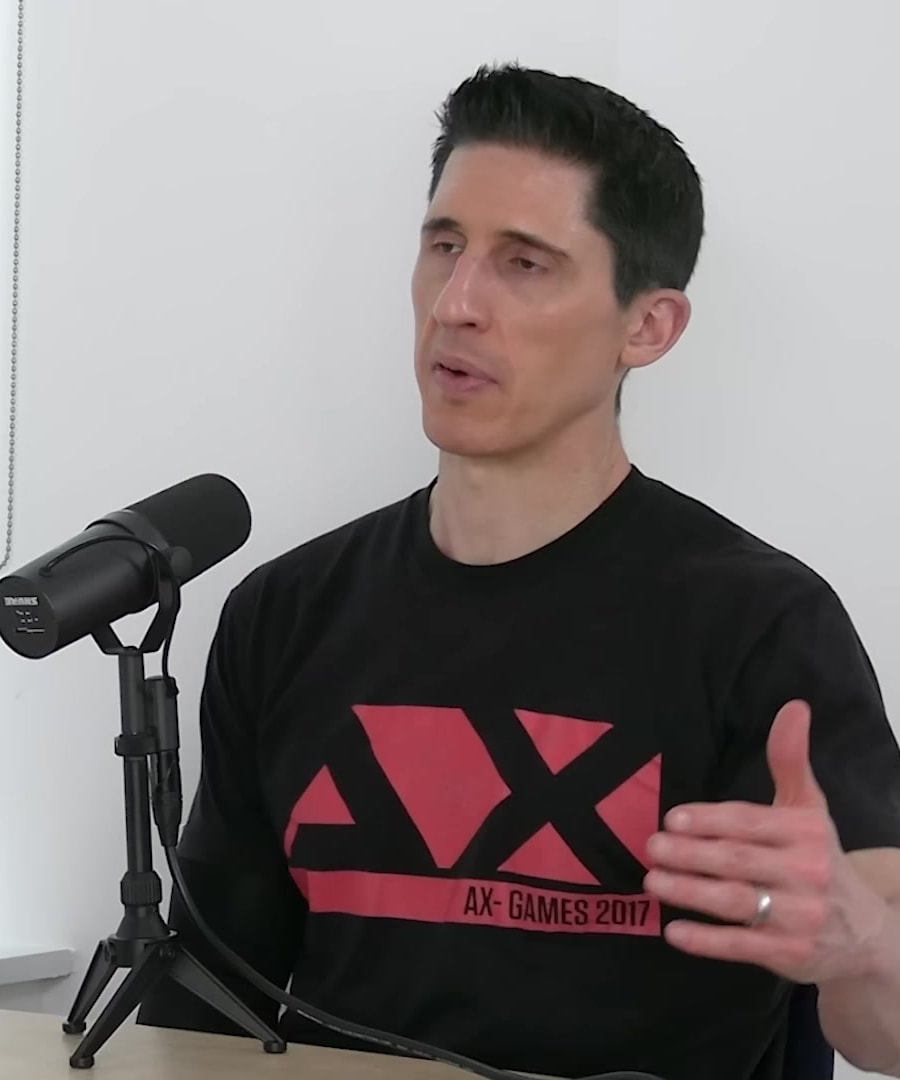
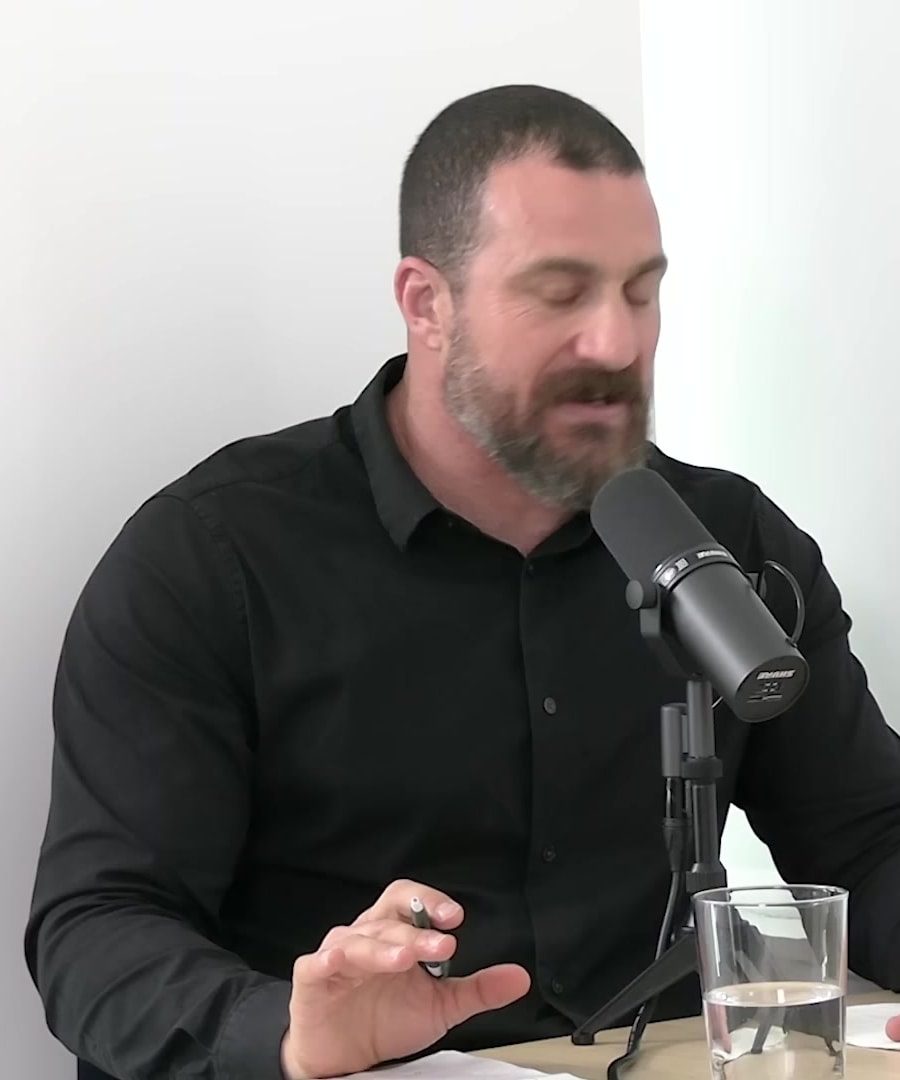
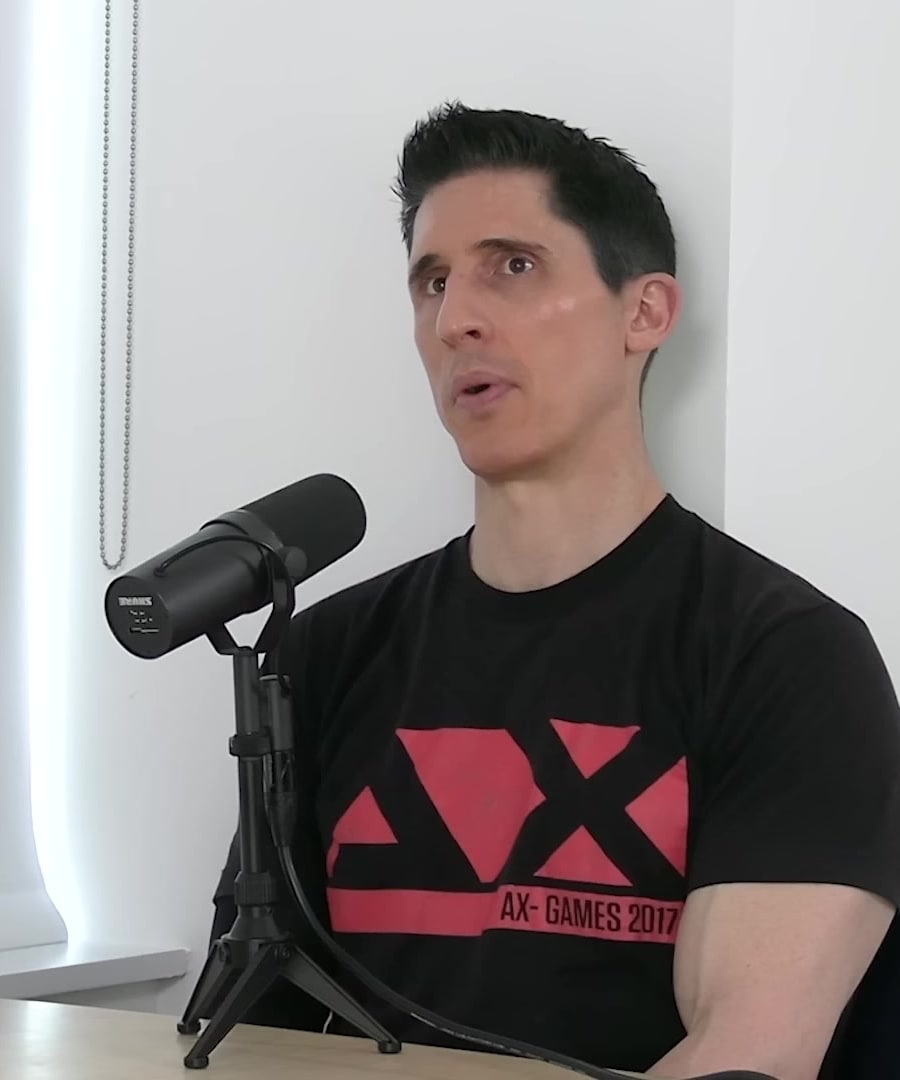
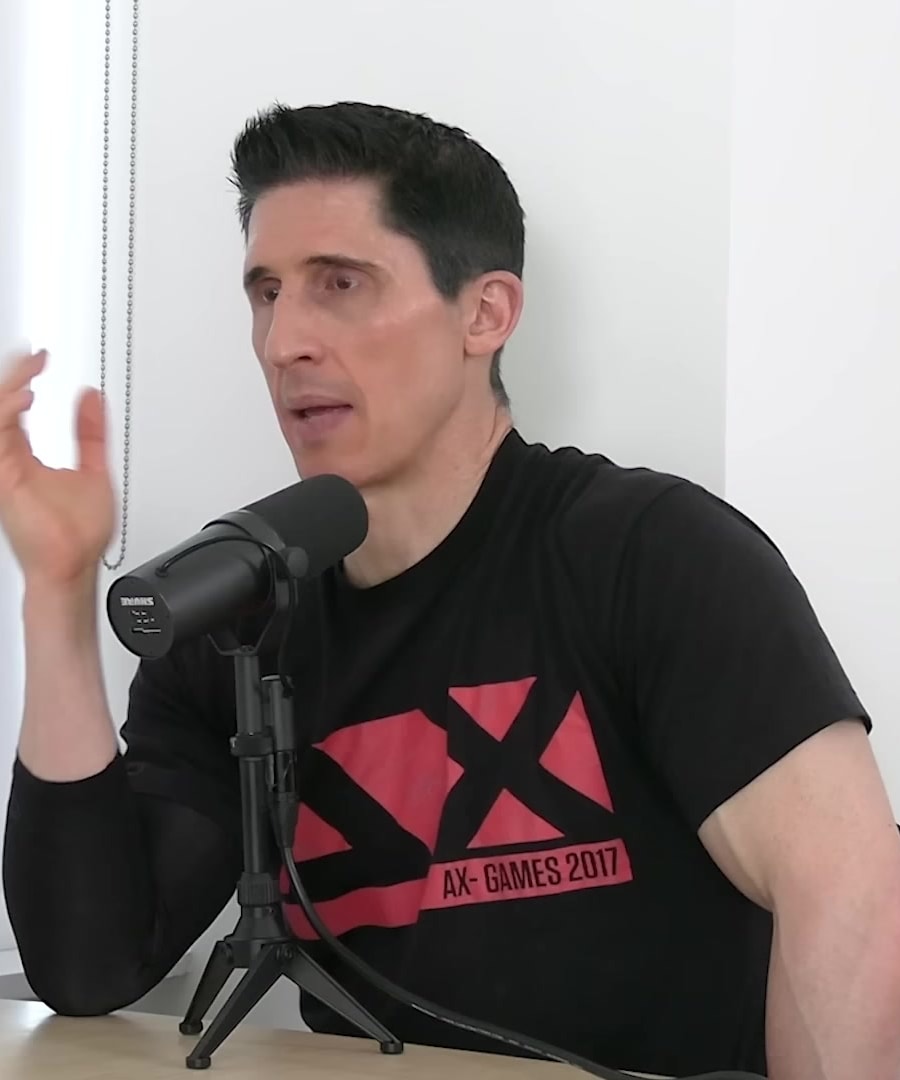

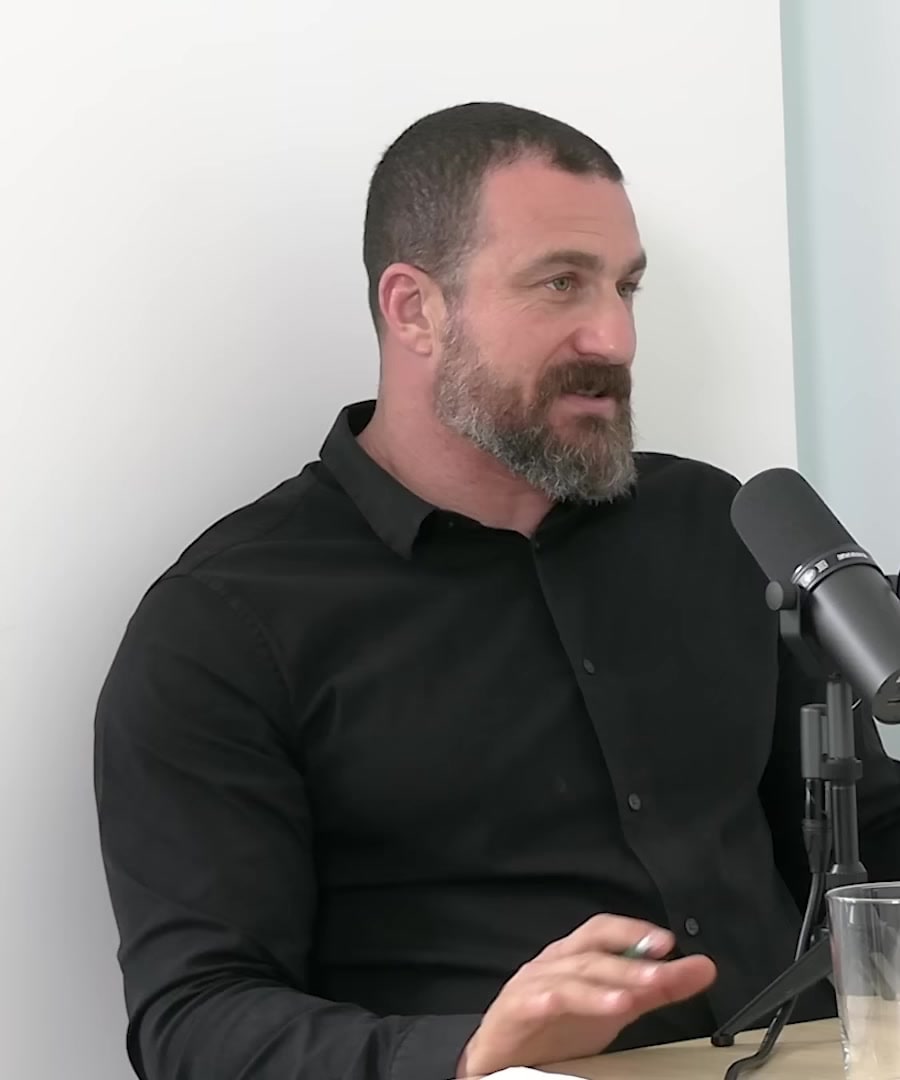
Questions from this episode
- Asked by 5,411 people
- Asked by 2,454 people
- Asked by 2,215 people
- Asked by 1,282 people
- Asked by 1,207 people
- Asked by 658 people
- Asked by 569 people
- Asked by 550 people
- Asked by 393 people
- Asked by 243 people
- Asked by 233 people
- Asked by 231 people
- Asked by 214 people
- Asked by 213 people
Episode Highlights
Pain Sources
Understanding pain involves recognizing that the source is often not where the discomfort is felt. explains that pain in areas like the back or knees is frequently due to issues elsewhere in the body, such as the hips or ankles 1. He describes the body as a series of interconnected bands, where tension in one area can affect another 2.
Most often, wherever you're feeling the pain is absolutely not to blame.
---
This interconnectedness means that addressing pain often requires looking beyond the immediate area of discomfort to find the true source 2.
Recovery Insights
Muscle recovery is a complex process that varies between individuals and even between different muscles in the same person. and Jeff discuss how traditional recovery timelines, like the 48-hour rule, may not apply universally 3. Jeff highlights the importance of using muscle soreness as a guideline, noting that soreness can indicate whether a muscle is ready to be trained again 4.
If you're training when you're really sore, it's probably not a great idea.
---
He also mentions that systemic recovery indicators, such as grip strength, can provide insights into overall recovery status 4.
Related Episodes

Science-Supported Tools to Accelerate Your Fitness Goals | Huberman Lab Podcast
Answers 383 questionsThe Science of How to Optimize Testosterone & Estrogen | Huberman Lab Podcast #15
Answers 383 questions
Tim Ferriss: How to Learn Better & Create Your Best Future | Huberman Lab Podcast
Answers 383 questionsUsing Science to Optimize Sleep, Learning & Metabolism | Huberman Lab Podcast #3
Answers 383 questions