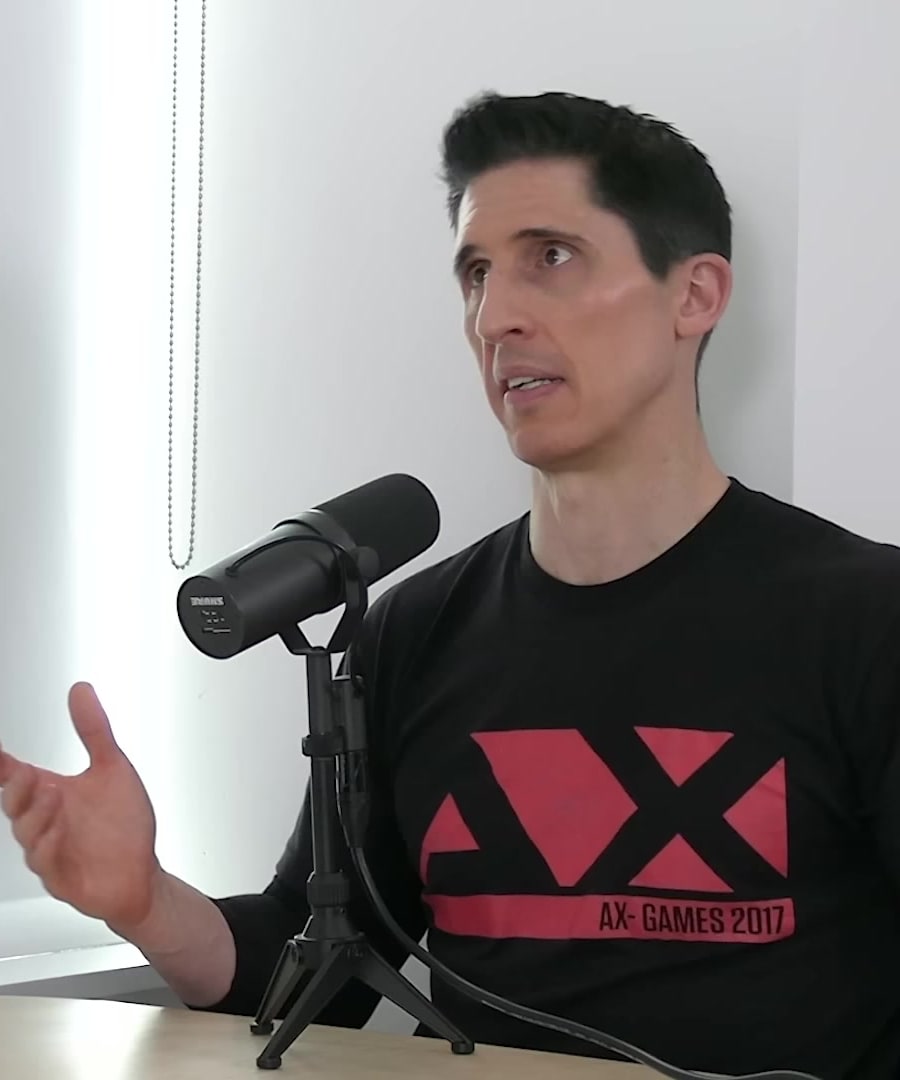
Jeff Cavaliere: Optimize Your Exercise Program with Science-Based Tools | Huberman Lab Podcast #79

Topics covered
Popular Clips
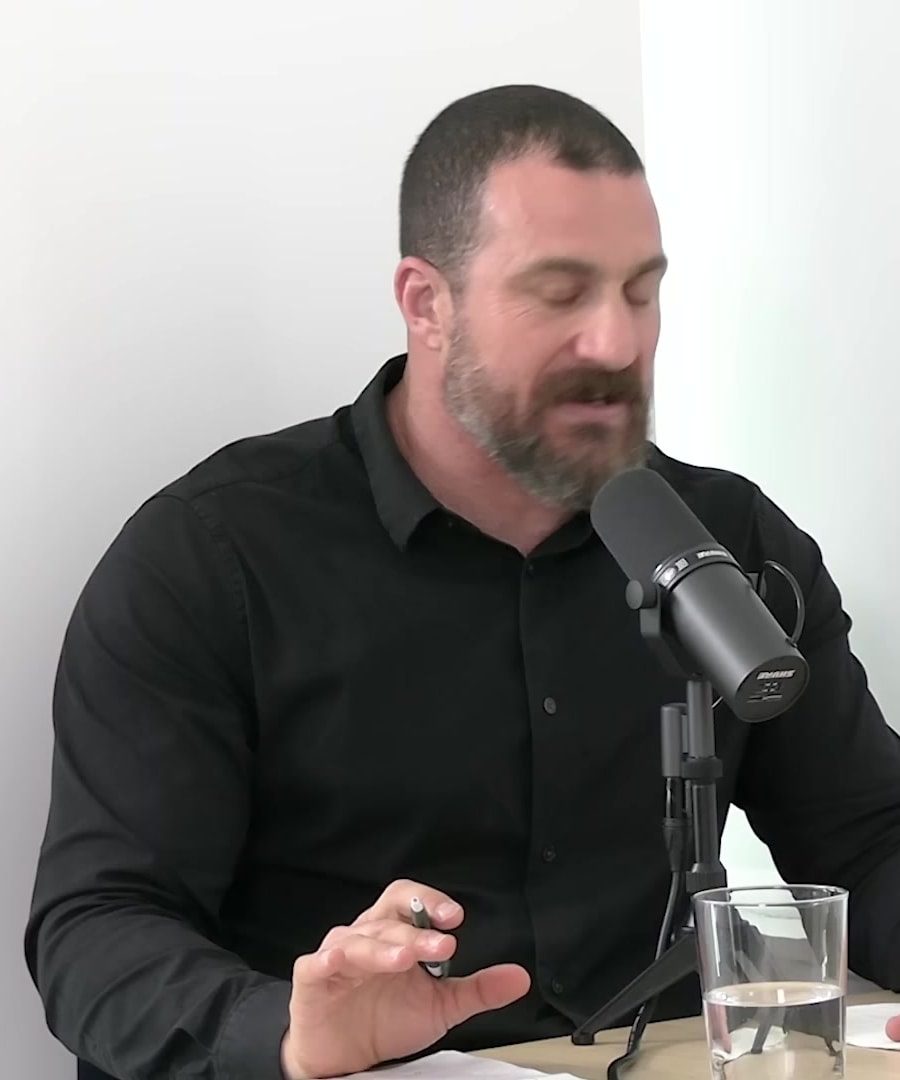
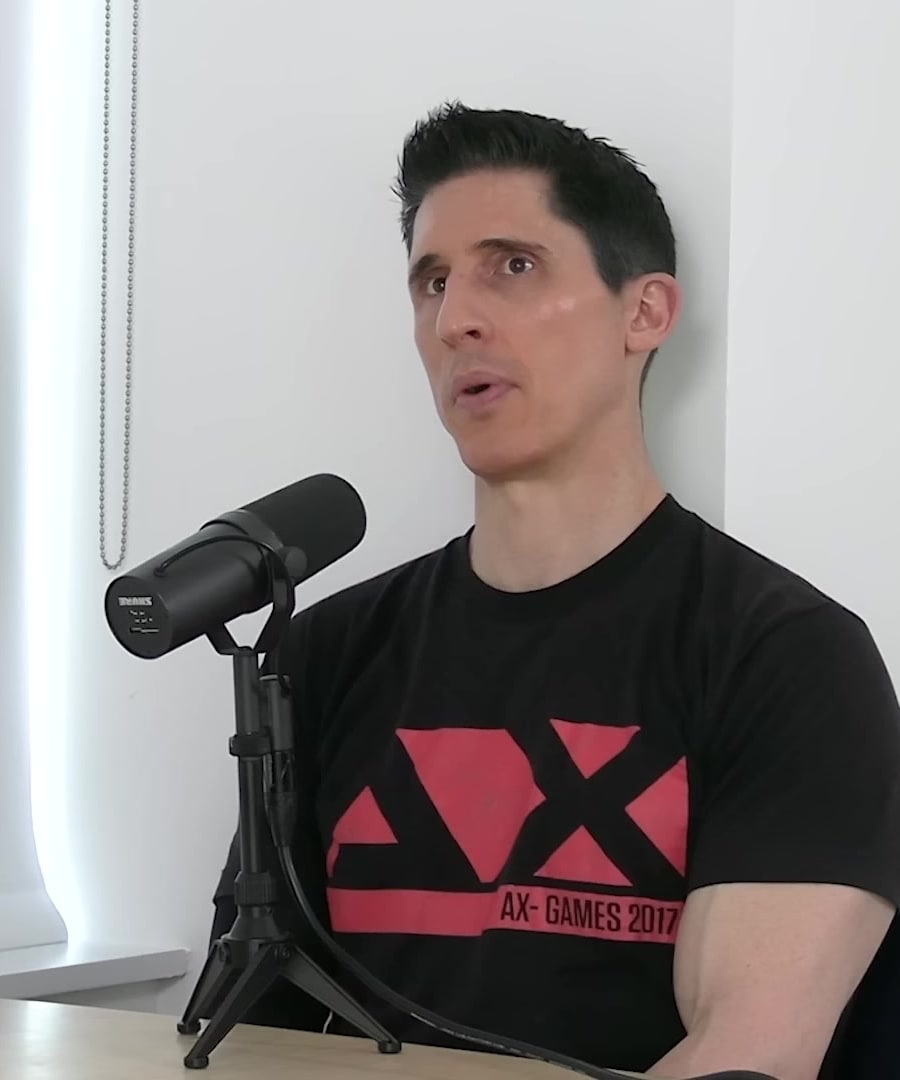
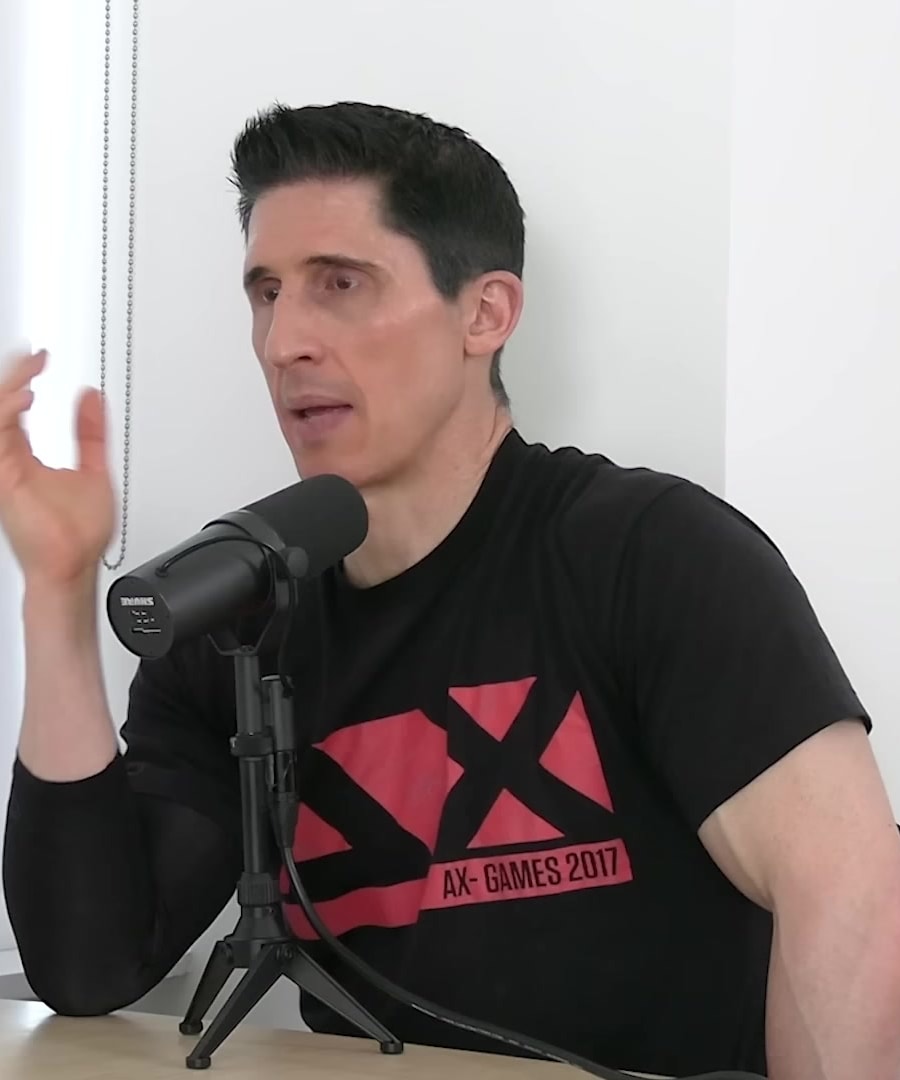

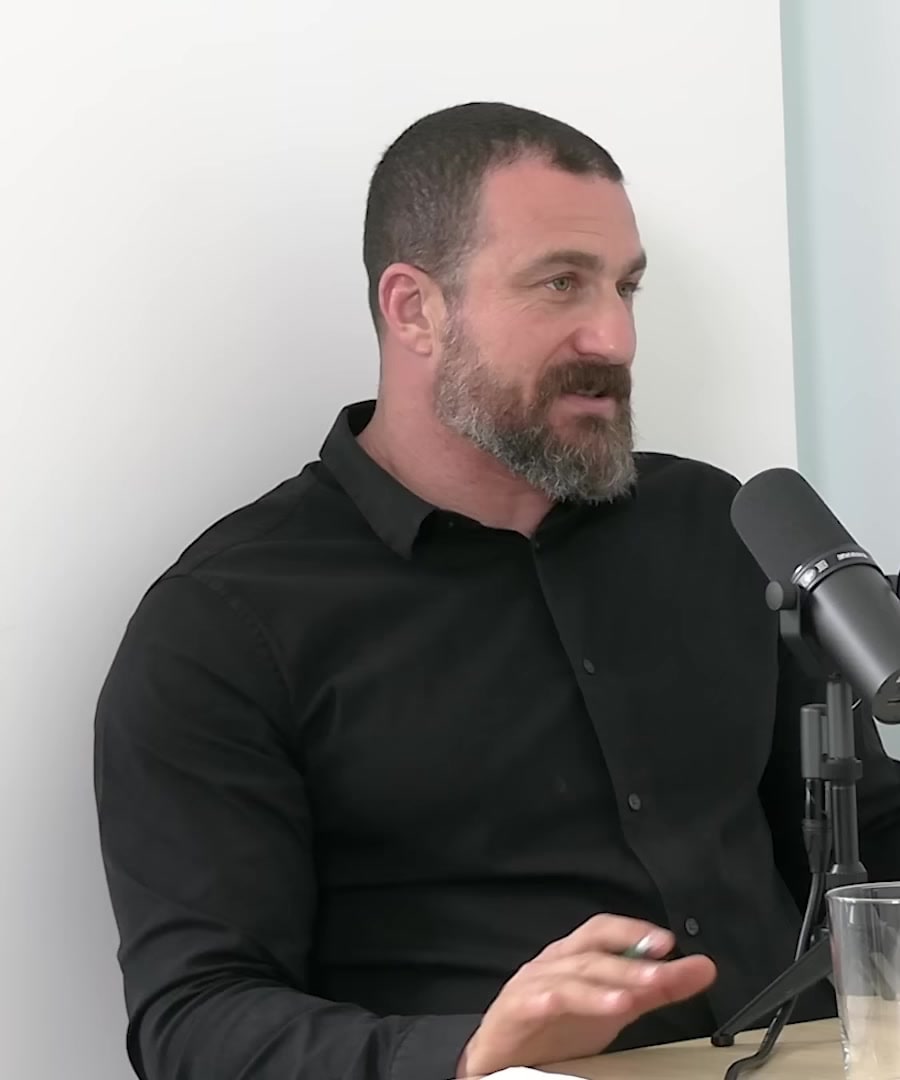
Questions from this episode
- Asked by 5,411 people
- Asked by 2,454 people
- Asked by 2,215 people
- Asked by 1,282 people
- Asked by 1,207 people
- Asked by 658 people
- Asked by 569 people
- Asked by 550 people
- Asked by 393 people
- Asked by 243 people
- Asked by 233 people
- Asked by 231 people
- Asked by 214 people
- Asked by 213 people
Episode Highlights
Stretching Types
Stretching is a crucial component of fitness, with active and passive stretching serving different purposes. explains that active stretching involves dynamic movements like leg swings and lunges, which prepare muscles for performance by increasing blood flow and readiness without altering the muscle's length 1. Passive stretching, on the other hand, focuses on increasing flexibility by reducing the muscle's resistance to stretching 2.
Dynamic stretching is really not done for that purpose of trying to create any type of feeling, of increasing the potential length, as you said, of the muscle, but more so the readiness of the muscle to perform.
---
These techniques are essential for enhancing range of motion and preventing injuries during workouts.
Stretching Timing
Timing is key when it comes to stretching, as it can impact muscle performance and recovery. advises that dynamic stretching should be done before workouts to prepare muscles without disrupting their length-tension relationship 1. Stretching later in the day can aid recovery by promoting muscle length and flexibility, counteracting the natural tendency for muscles to shorten during sleep 3.
If I can introduce a little bit of that extra length or decreased resistance to that length, it's a better time to do it.
---
This strategic timing helps maintain muscle readiness and enhances overall performance.
Related Episodes

Science-Supported Tools to Accelerate Your Fitness Goals | Huberman Lab Podcast
Answers 383 questionsThe Science of How to Optimize Testosterone & Estrogen | Huberman Lab Podcast #15
Answers 383 questions
Tim Ferriss: How to Learn Better & Create Your Best Future | Huberman Lab Podcast
Answers 383 questionsUsing Science to Optimize Sleep, Learning & Metabolism | Huberman Lab Podcast #3
Answers 383 questions