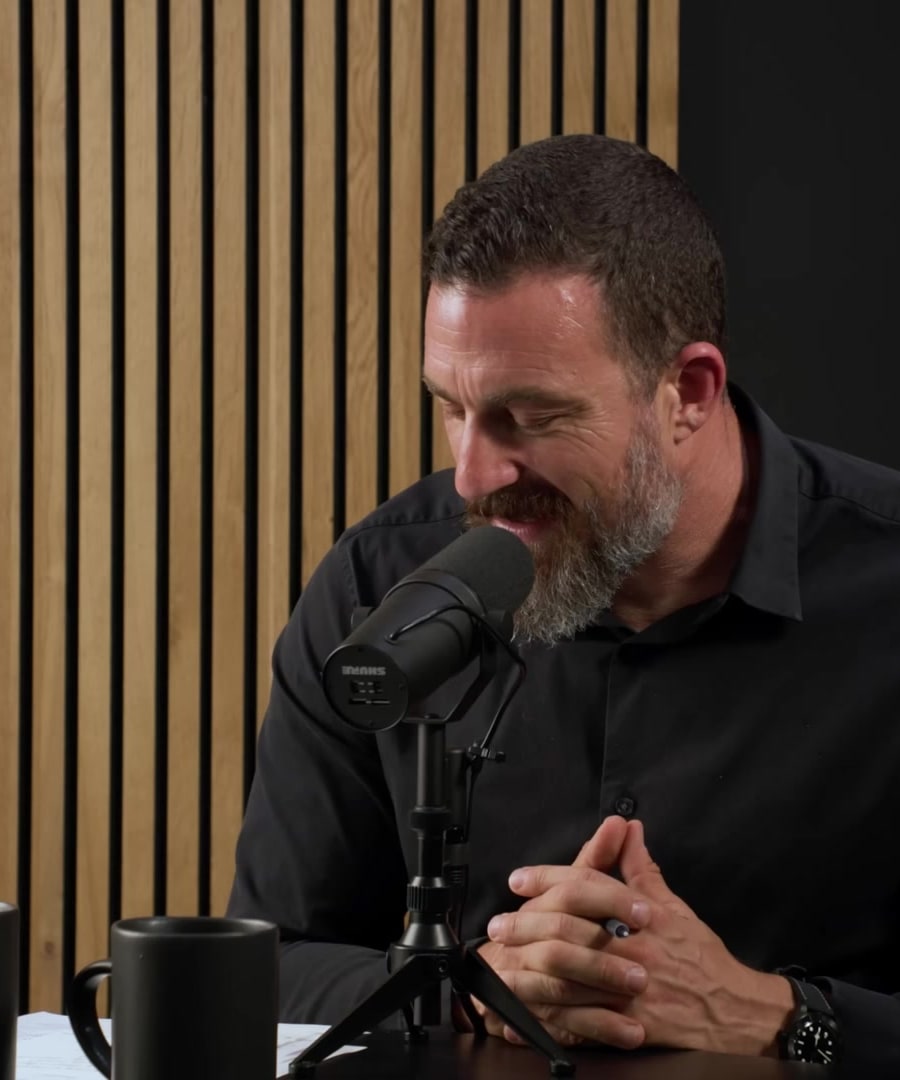
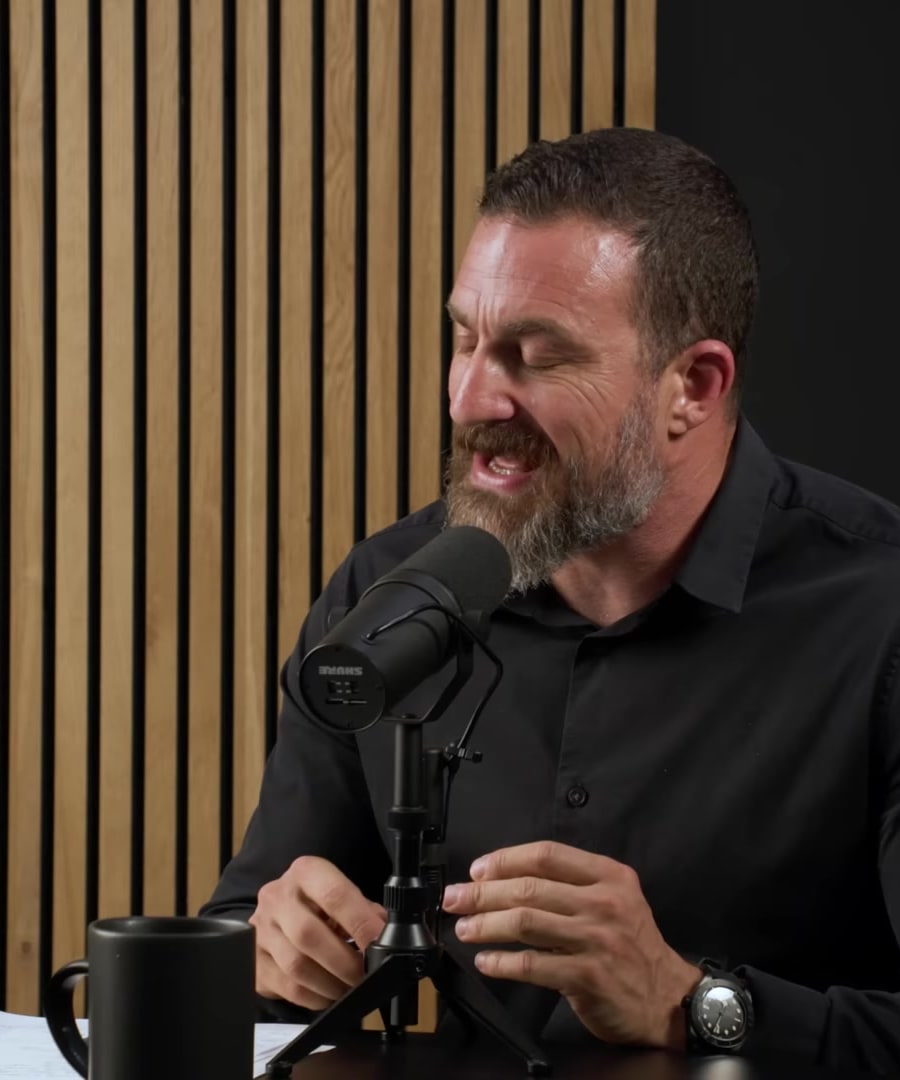
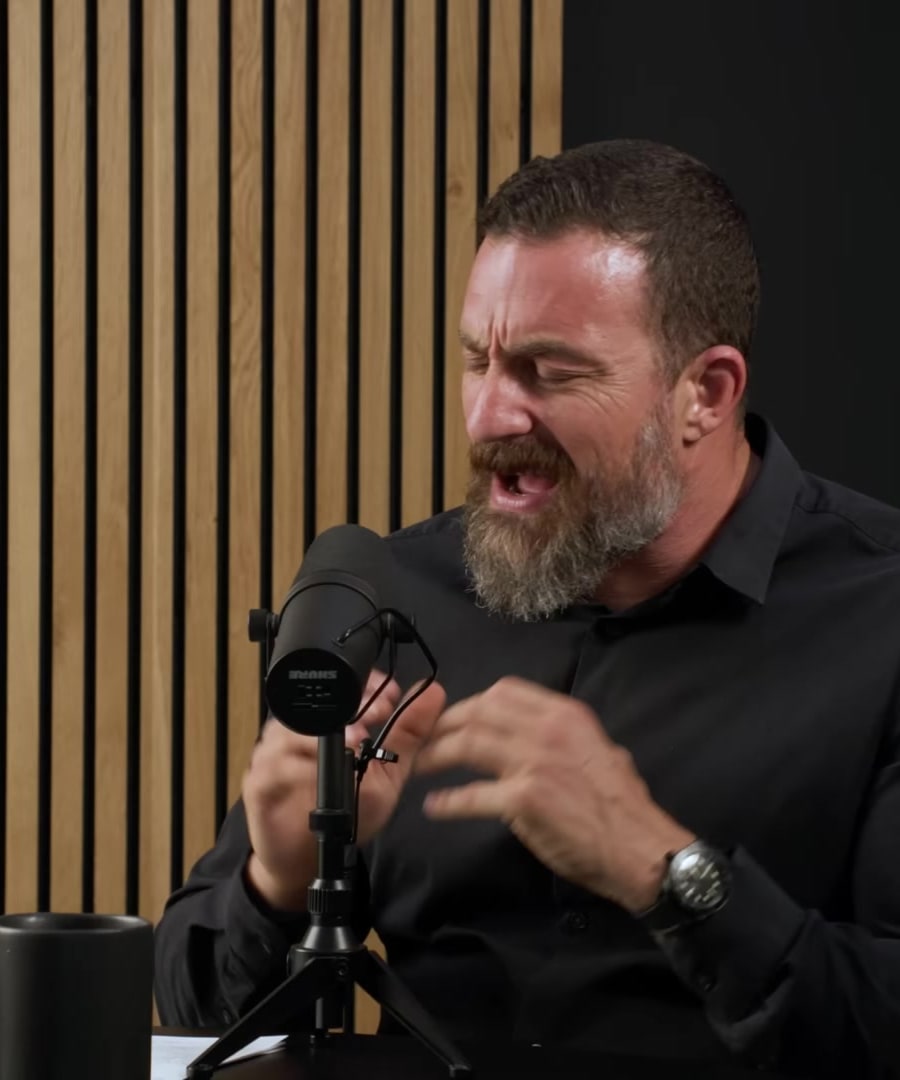
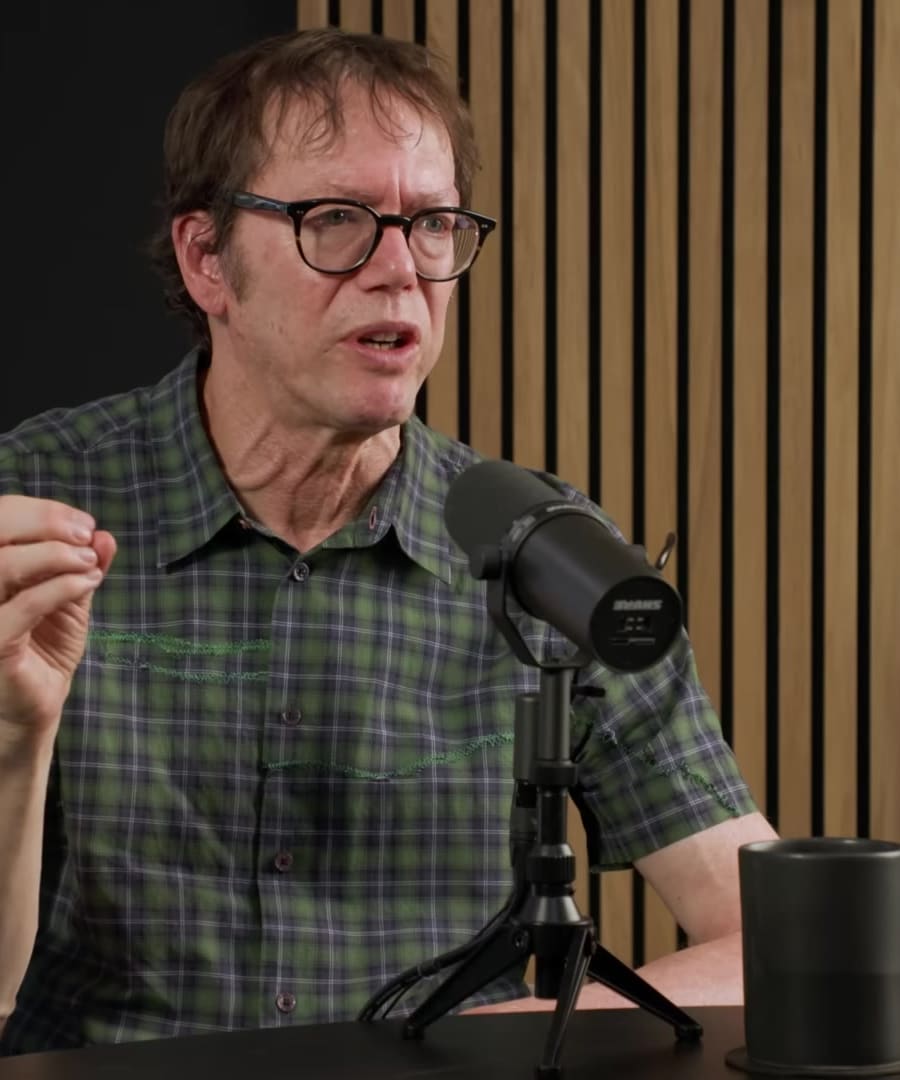
I have a question about this episode Dr. Eddie Chang: The Science of Learning & Speaking Languages | Huberman Lab Podcast #95 and this Avatar Communication Insights Are you currently doing any work that relates to the neuroscience around the brain, nervous system, and body in relation to people providing more emphasis on nonverbal communication versus verbal communication? There is much research indicating that people put more emphasis on nonverbal communication when attaching meaning to a message.
Sources:
In the discussion about nonverbal communication, and others emphasize the powerful role it plays in human interactions. Our evolutionary background makes us highly attuned to nonverbal cues, as we communicated without words for much of our history. This ingrained sensitivity allows us to detect emotions and intentions through body language, facial expressions, and other nonverbal signals, which can be more telling than spoken language 12.
also highlights the significance of mastering nonverbal cues, suggesting exercises like observing people from a distance to discern emotion through body language. This practice can be particularly useful in detecting genuineness and avoiding deceptive individuals, such as narcissists, whose nonverbal signals may betray their true intentions despite their verbal facade 3.
Furthermore, the impact of modern technology on communication is discussed, noting that reliance on texting and virtual interactions can diminish our ability to interpret nonverbal communication and develop social skills. This can lead to misunderstandings and inadequacies in forming genuine connections 4.
RELATED QUESTIONS
I think I’ve been in contact with Green and they’ve been telling me they believe in me and think I actually am genuine by their observations.
Sources:
While I didn't find a specific mention of directly affirming an individual's authenticity, his discussions revolve around understanding one's true self and navigating social dynamics. For example, Greene emphasizes the importance of self-awareness and genuine connection, particularly in overcoming distractions of modern life and finding one's true path 12. He talks about the power of nonverbal cues and understanding social dynamics, which can be crucial in recognizing authenticity in others 3.
If you wish to explore how Greene perceives genuineness, his insights suggest observing behaviors and understanding social cues to discern true intentions 3. This is aligned with his broader perspective on communication and social interactions.
RELATED QUESTIONS
Ok well let me be completely honest with you so that there’s no confusion because I’m willing to work with anyone who’s interested in progress for good things, so the person I want to set goals with who is also named Green wants me to pursue my interests in my ability as long as it’s healthy and non destructive and ethical and there’s a good future in it, I also want that because I am interested in actual science. So I think we all are and we all have the same goal, but because there’s so many different people involved the communication becomes muddled between everyone especially on my end, so yeah why don’t we all just be honest and transparent about things so that everyone can participate and work on what suits their personal preferences in a respectful collaboration that’s not destructive to anyone’s morals or needs but that still offers open mindedness to the new generation of science because me and my partner do have some interest in that but we have to discuss it first and how that would work and it’s parameters. And I invite you me and her to discuss it personally and openly. How’s that for starters and we can keep an open channel to keep crafting an optimal design?
Sources:
It sounds like you're aiming for a collaborative and ethical approach to pursuing scientific interests and setting goals. Key insights from provide relevant guidance on these topics:
Supportive yet Demanding Critique: In scientific and collaborative environments, being open to critique is crucial. Integrating feedback constructively is more effective when done in a supportive setting where everyone shares in the mission and potential for growth. This approach balances demands with belief in each other’s potential, promoting both personal and collective development 1.
Embracing Potential Failures: When setting goals, it’s beneficial to contemplate potential obstacles and how to overcome them, rather than solely focusing on success. This proactive mindset can nearly double the chances of achieving your objectives, as it helps you navigate challenges more effectively 2.
Ethical Pursuit of Goals: Different approaches can be taken when pursuing goals, whether through active declaration or more supportive means. Ethical considerations are key, as dopamine-driven pursuits can vary greatly in their ethical implications. Maintaining a balance between motivation and ethical actions ensures long-term satisfaction and integrity in goal attainment 3.
Navigating these principles can help you and your partners maintain transparency and mutual respect, ensuring that each participant's needs and values are upheld while fostering open-mindedness towards scientific exploration.
RELATED QUESTIONS
How to improve team communication?
Sources:
Improving team communication can significantly enhance collaboration and effectiveness. Here are some strategies based on insights from the :
Clear and Focused Communication: When communicating, especially online or via text, it's crucial to keep each message clear and focused. Avoid bundling multiple points into a single communication. Instead, aim to convey one idea at a time to prevent overwhelming your audience 1.
Empathy and Preparation: Employ empathy when delivering difficult news or feedback. For instance, preparing the recipient for a conversation by initially sending a brief message can help set the tone and context, making the follow-up discussion more effective 1.
Use of Visual Cues: Incorporating visual elements, such as facial expressions, can greatly enhance understanding and engagement in communication. Visual cues aid in clarifying the message and can help listeners better interpret the information you are conveying 2.
Digital Avatars for Enhanced Interaction: The use of digital avatars is becoming an innovative tool to improve communication, especially in virtual spaces. Avatars can make digital interactions feel more natural by simulating facial expressions and speech patterns, providing a richer and more personal communication experience 2.
By integrating these strategies, teams can foster a more effective and empathetic communication environment, both in-person and digitally.
To enhance team communication, especially from a technological standpoint, consider integrating tools and methods that leverage both verbal and nonverbal communication. According to the , these include:
Facial Expressions and Nonverbal Cues: The integration of technology that captures and uses nonverbal cues, such as facial expressions, can greatly enrich communication. These cues can provide additional layers of meaning and help participants understand each other better in both physical and virtual meetings 1.
Brain-Machine Interfaces: Although still in development, these interfaces are showing promise for enhancing communication abilities, especially for individuals with severe physical limitations. They can potentially decode speech and support larger vocabularies at reasonable communication rates, enhancing the inclusivity and depth of team interactions 1.
By utilizing tools that incorporate visual and nonverbal communication elements, teams can improve their interaction quality and ensure more comprehensive understanding among members.