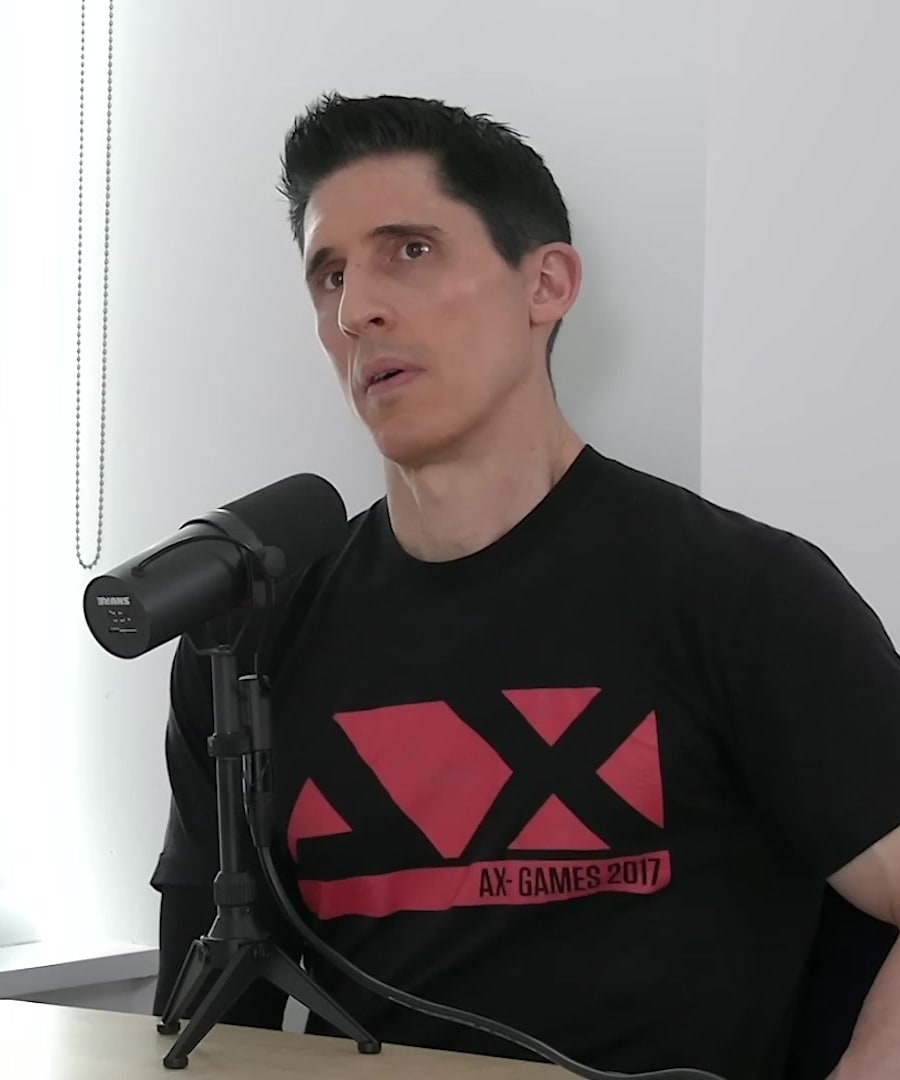
What are Cavaliere's muscle recovery tips?
Sources:
Jeff Cavaliere offers several insightful tips on muscle recovery based on the episode Jeff Cavaliere: Optimize Your Exercise Program with Science-Based Tools from the . Here are the key points:
-
Listening to Muscle Soreness: Cavaliere emphasizes using muscle soreness as a recovery indicator. If a muscle is sore, it may not be fully recovered, suggesting a need to allow more time before training it again 1.
-
Variability in Recovery Rates: Different muscles recover at different rates. For instance, while back muscles may require more time, biceps can often be trained more frequently. This highlights the importance of customizing training schedules based on individual needs and recovery patterns 1.
-
Grip Strength as a Metric: Measuring grip strength can provide a good indication of overall recovery. A drop of 10% in grip strength could signal that it's best to skip a workout for the day as it suggests inadequate recovery 2.
-
Dynamic Stretching: Incorporating dynamic stretching before workouts can enhance muscle readiness and help maintain a good length-tension relationship, preparing muscles for performance and aiding in recovery 3.
-
Sleep Position and Stretching: Cavaliere suggests paying attention to sleep positions that promote muscle recovery. Stretching before bed helps establish optimal muscle lengths, reducing the risk of muscle shortening during sleep 4.
-
Consistent Engagement: Maintaining a strong connection between the brain and muscle through deliberate contractions throughout the day enhances neuromuscular efficiency. This can lead to more effective workouts when returning to the gym 5.
Overall, Cavaliere advises a personalized approach to muscle recovery, emphasizing the importance of monitoring muscle readiness, using practical recovery indicators, and integrating proper stretching routines.
RELATED QUESTIONS-
What are Cavaliere's muscle recovery tips?
- RELATED QUESTIONS