intrinsic rewards
Sources:
Intrinsic motivation, often contrasted with extrinsic motivation, revolves around engaging in activities because they are inherently interesting or enjoyable, rather than for some separable consequence or reward.
Key Insights from Huberman Lab:
-
Intrinsic vs. Extrinsic Motivation:
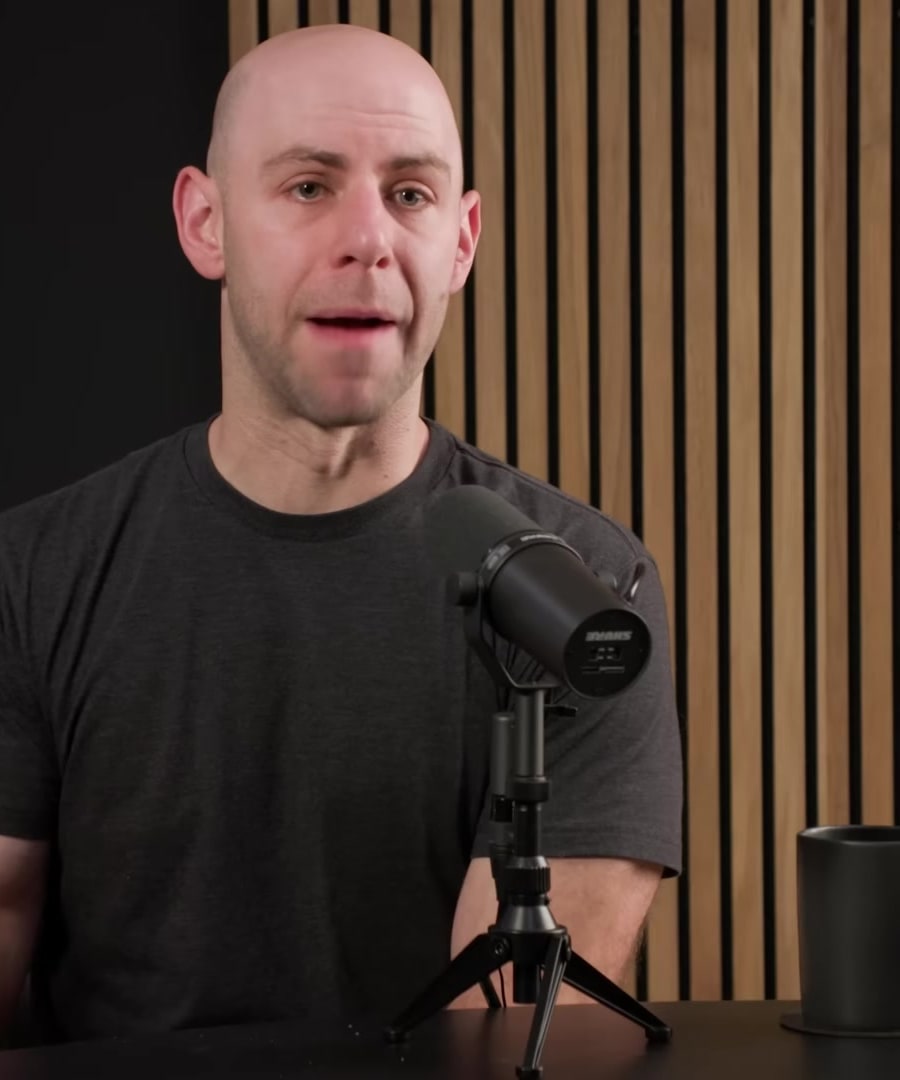
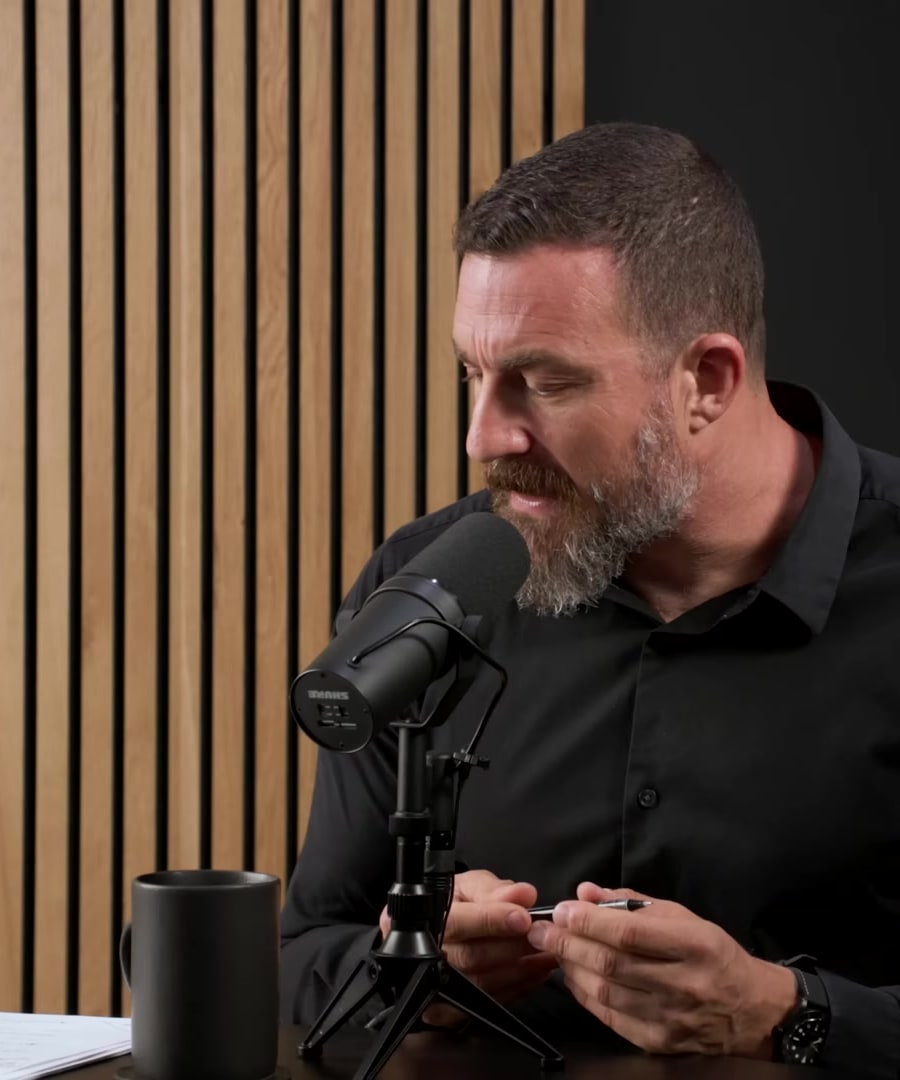
- Adam Grant and Andrew Huberman discuss how intrinsic motivation results in a better focus and a greater likelihood of finding flow in tasks. It's easier to become deeply absorbed and persistent when you're intrinsically driven, which enhances performance and satisfaction 1.
- Intrinsic rewards involve the internal satisfaction and enjoyment derived from an activity, while extrinsic rewards are external and can often undermine intrinsic interest. For example, rewarding children for drawing (an activity they initially enjoyed) decreased their desire to draw once the rewards were removed 2.
-
The Role of Autonomy and Control:
- Intrinsic motivation is bolstered by a sense of autonomy and control over one's activities. Grant and Huberman emphasize that while extrinsic rewards can improve productivity, they should be used carefully to avoid diminishing intrinsic motivation. Autonomy in how tasks are approached can prevent this undermining effect 3 1.
-
Social and Role Model Impact:
- Social context and role models also play a significant role. Seeing high achievers around can set a high bar and drive better performance, but only if intrinsic motivation remains strong. Comparing oneself to high benchmarks seen in social media, for example, can sometimes lead to unhealthy self-measurement 4 3.
-
Practical Applications and Benefits:
- Huberman points out that practices like "self-persuasion," convincing oneself to enjoy a task, can aid in developing intrinsic motivation. This involves focusing on aspects of the task that might be enjoyable or finding small engaging "hooks" within it 5 6.
- Overall, tasks designed to nurture intrinsic motivation—through autonomy, task design, and aligning activities with personal interests—can significantly enhance performance and personal satisfaction 1 2.
For a deeper dive into these insights, the discussion on intrinsic and extrinsic motivation can be found in episodes like featuring , and .
RELATED QUESTIONS-
intrinsic rewards
- RELATED QUESTIONS