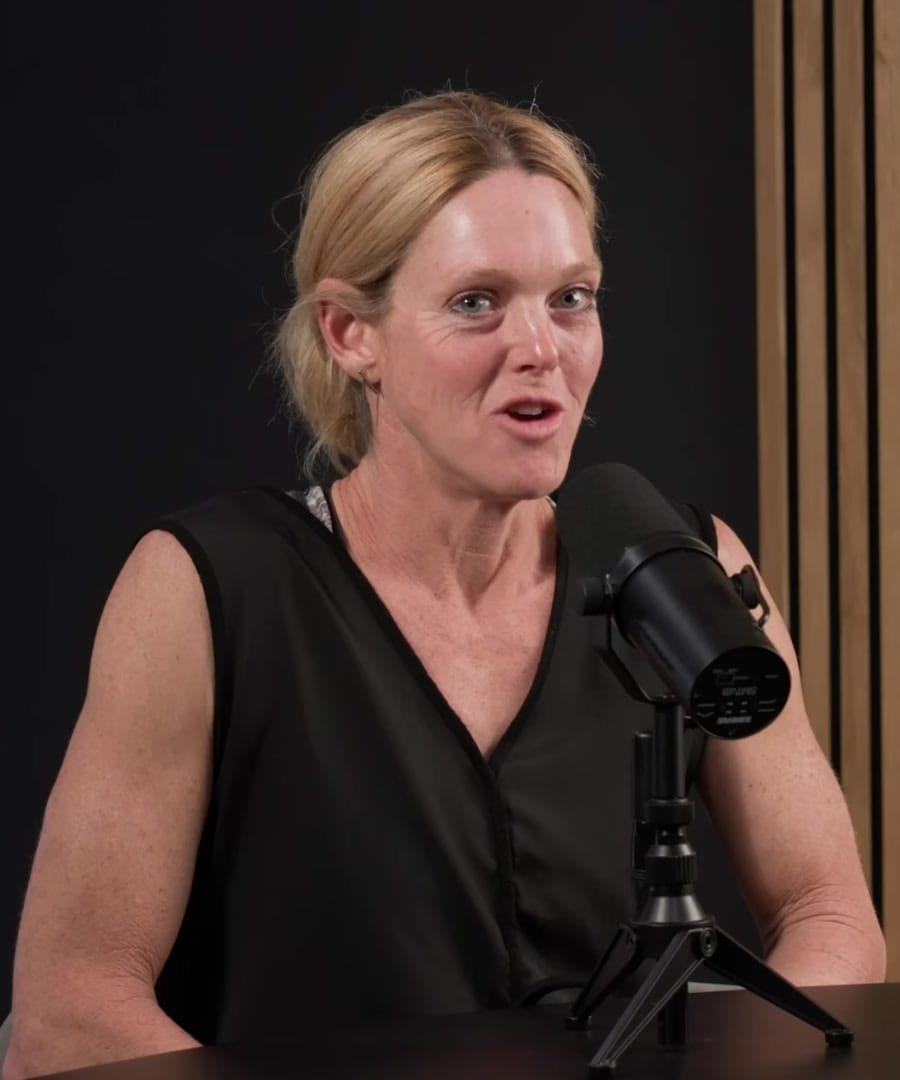
Tell me about this: Dr. Sims suggests a strategic calorie deficit at night can facilitate fat loss without compromising lean mass.
Sources:
suggests that creating a slight calorie deficit at night, away from training, can help with fat loss while preserving lean mass. This approach is effective because it ensures the body remains fueled adequately around exercise, allowing for fat loss without interfering with recovery or muscle retention. The key is to maintain proper energy levels during and around physical activity to promote body composition changes while preventing lean mass loss 1.
Dr. Sims emphasizes keeping the calorie deficit modest (around 150 to 200 calories) and ensuring adequate nutritional intake during the day, which is particularly important due to the fluctuations in appetite hormones influenced by estrogen during different phases of the menstrual cycle. This approach effectively balances energy intake to promote a healthy change in body composition 1.
If I recognize that energy levels and appetite may vary, for instance, during the luteal phase, how do I deal with increased appetite and cravings while maintining my diet aimed at weight loss and building strength?
To manage increased appetite and cravings during the luteal phase while adhering to a weight loss and strength-building diet, consider the following strategies:
-
Nutrient-Dense Foods: Focus on nutrient-dense options that provide satiety without excessive calories, such as vegetables, lean proteins, and whole grains.
-
Regular Meals: Eating regular meals can help stabilize blood sugar levels, reducing the risk of sudden cravings.
-
Healthy Snacks: Incorporate healthy snacks like nuts, yogurt, or fruits between meals to help curb cravings without breaking your diet.
-
Hydration: Staying hydrated can sometimes help manage cravings, as thirst is often mistaken for hunger.
-
Mindful Eating: Practice mindfulness during meals to help recognize true hunger and fullness signals, potentially reducing unnecessary snacking.
-
Plan Cheat Meals: Allow for occasional treats in moderation. Planning these can help satisfy cravings without derailing your diet.
-
Exercise: Regular physical activity can help regulate appetite and improve mood, making it easier to manage cravings.
-
Sleep: Prioritize good sleep hygiene, as inadequate sleep can increase hunger and cravings.
-
Supplements: Consider integrative approaches such as omega-3 fatty acids or magnesium to help regulate mood and appetite.
These strategies align with recommendations for maintaining a healthy balance during hormonal fluctuations, contributing to successful weight management and strength goals. Always consult with a healthcare or nutrition professional for personalized advice.
RELATED QUESTIONS-
Tell me about this: Dr. Sims suggests a strategic calorie deficit at night can facilitate fat loss without compromising lean mass.
If I recognize that energy levels and appetite may vary, for instance, during the luteal phase, how do I deal with increased appetite and cravings while maintining my diet aimed at weight loss and building strength?
- RELATED QUESTIONS