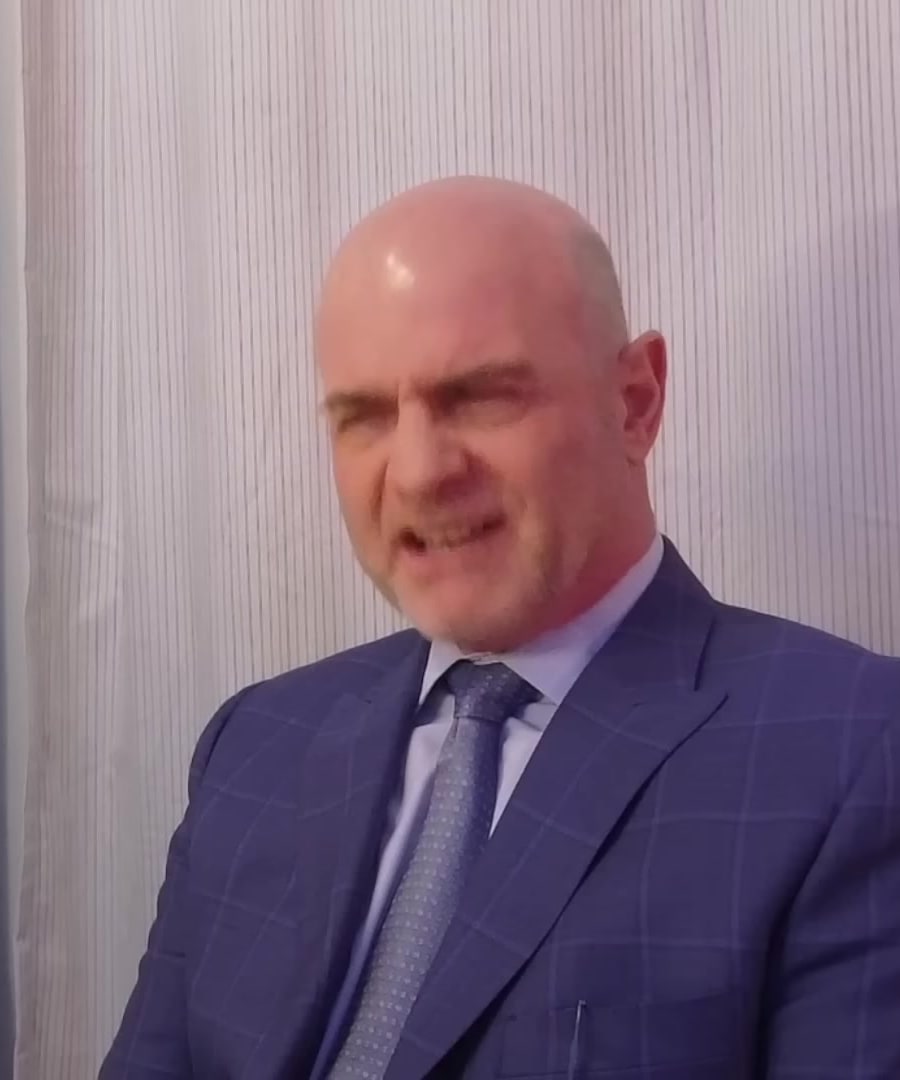
Can Pornography Be Good For You? The Answer May Shock You! Ft. Dr. John Mulhall

Topics covered
Popular Clips







Questions from this episode
- Asked by 1,580 people
- Asked by 638 people
- Asked by 521 people
- Asked by 450 people
- Asked by 364 people
- Asked by 152 people
- Asked by 54 people
- Asked by 36 people
- Asked by 34 people
- Asked by 22 people
- Asked by 19 people
- Asked by 16 people
Episode Highlights
Injection Therapy
shares the historical development and effectiveness of intracavernosal injections for erectile dysfunction. He explains how these injections, which use vasodilator drugs, have a high success rate but also a significant dropout rate due to the inconvenience of the injection process 1. and John discuss the psychological dependency on PDE5 inhibitors in younger men, emphasizing the importance of confidence restoration through these treatments 2.
Injection therapy has an incredibly high success rate, but there's a 50% dropout rate over five years due to the inconvenience of the process.
---
They highlight the potential for psychological dependency on these treatments and the importance of confidence restoration in younger men.
Vacuum Devices
Vacuum devices are another option for erectile dysfunction, though notes their limited use due to the lack of oxygenation benefits. He emphasizes the importance of integrating any treatment into one's lovemaking routine for long-term success 3. and John discuss common errors men make during injection therapy, such as incorrect injection techniques and self-adjusting doses, which can lead to complications 4.
If a treatment isn't integratable into your lovemaking, you're never going to stick with it.
---
These insights underscore the need for proper training and adherence to prescribed protocols to maximize the effectiveness of these therapies.
Post-Surgery ED
Post-cancer care for erectile dysfunction involves a nuanced approach, especially after prostatectomy. explains that only 15% of men respond to PDE5 inhibitors shortly after surgery, and those who don't are quickly moved to injection therapy 5. He also discusses the long-term impact of hormone therapy on erectile tissue, emphasizing the need for some testosterone for tissue health 6.
Erectile function recovery is 18 to 24 months, with only 15% of men responding to PDE5 inhibitors shortly after surgery.
---
These strategies aim to restore erectile function while managing the side effects of cancer treatments.
Focused Therapies
Focused therapies like high-frequency ultrasound and cryotherapy are emerging but lack long-term studies on their effectiveness for sexual function. stresses the importance of patient empowerment and shared decision-making in choosing treatments 7. Prehabilitation strategies, such as using PDE5 inhibitors before and after surgery, aim to protect endothelial function and improve recovery outcomes 8.
We need to empower patients to make better decisions for themselves.
---
These approaches highlight the evolving landscape of erectile dysfunction treatments post-cancer therapy.
Related Episodes


Dr. Michael Eisenberg: Improving Male Sexual Health, Function & Fertility
Answers 383 questionsHow to Optimize Fertility in Males & Females | Huberman Lab Podcast
Answers 383 questions
Dr. Kyle Gillett: Tools for Hormone Optimization in Males | Huberman Lab Podcast 102
Answers 383 questions
Dr. Paul Conti: How to Improve Your Mental Health | Huberman Lab Guest Series
Answers 383 questionsThe Science of MDMA & Its Therapeutic Uses: Benefits & Risks | Huberman Lab Podcast
Answers 383 questionsHow to Improve Oral Health & It's Critical Role in Brain & Body Health
Answers 383 questionsThe Science of How to Optimize Testosterone & Estrogen | Huberman Lab Podcast #15
Answers 383 questions