

The Science of Setting & Achieving Goals | Huberman Lab Podcast #55

Topics covered
Popular Clips





Questions from this episode
- Asked by 1,203 people
- Asked by 450 people
- Asked by 357 people
- Asked by 292 people
- Asked by 230 people
- Asked by 202 people
- Asked by 172 people
- Asked by 143 people
- Asked by 118 people
- Asked by 96 people
- Asked by 92 people
- Asked by 92 people
- Asked by 86 people
- Asked by 79 people
- Asked by 76 people
Episode Highlights
Neural Circuits
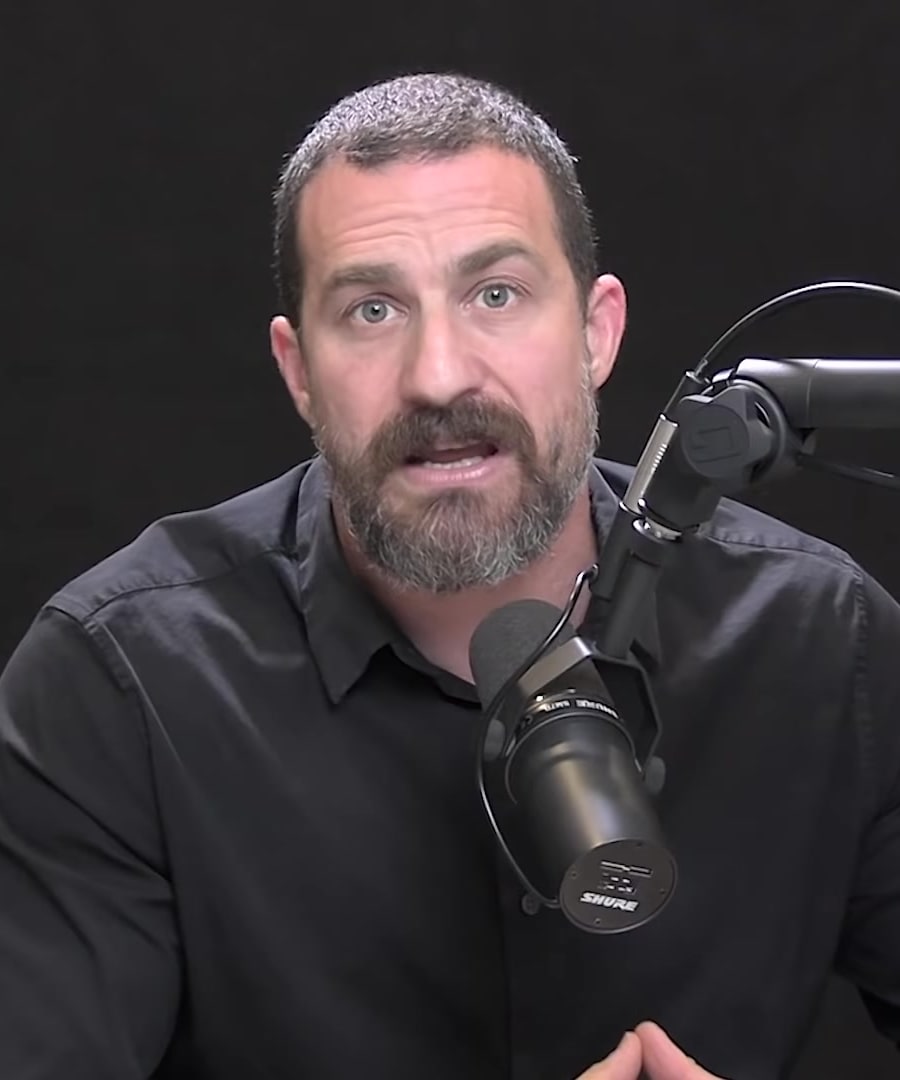
explains the neural circuits involved in goal-setting, highlighting the basal ganglia, amygdala, and cortex. These circuits, including the go/no-go pathways of the basal ganglia and the emotional processing of the orbitofrontal cortex, are crucial for initiating and assessing goals 1. The amygdala, often linked with fear, plays a role in avoiding negative outcomes, while the prefrontal cortex aids in planning across different timescales 2.
Goals, goal seeking and assessing progress towards goals, all involve the exact same neural circuits. It's really remarkable. It's also very convenient for our discussion today.
---
This interconnected system allows humans to pursue multiple goals simultaneously, from personal to professional aspirations.
Visual Focus
Visual focus is a powerful tool in goal pursuit, as it aligns cognition with visual perception. describes how focusing on a specific point can enhance goal-directed behavior by engaging the brain in a state of readiness 3. This technique is particularly beneficial for those with ADHD, as it helps maintain attention and drive action toward goals 4.
Focusing our visual attention on one particular point, is incredibly effective for all types of goal pursuit.
---
By narrowing visual attention, individuals can better prepare their minds and bodies for the tasks ahead, contrasting with the scattered focus of multitasking.
Failure Motivation
Visualizing failure, rather than success, can significantly enhance motivation and goal achievement. cites research showing that focusing on potential failures nearly doubles the likelihood of reaching goals 5. This approach leverages the brain's natural tendency to avoid negative outcomes, engaging the amygdala and increasing physiological readiness 6.
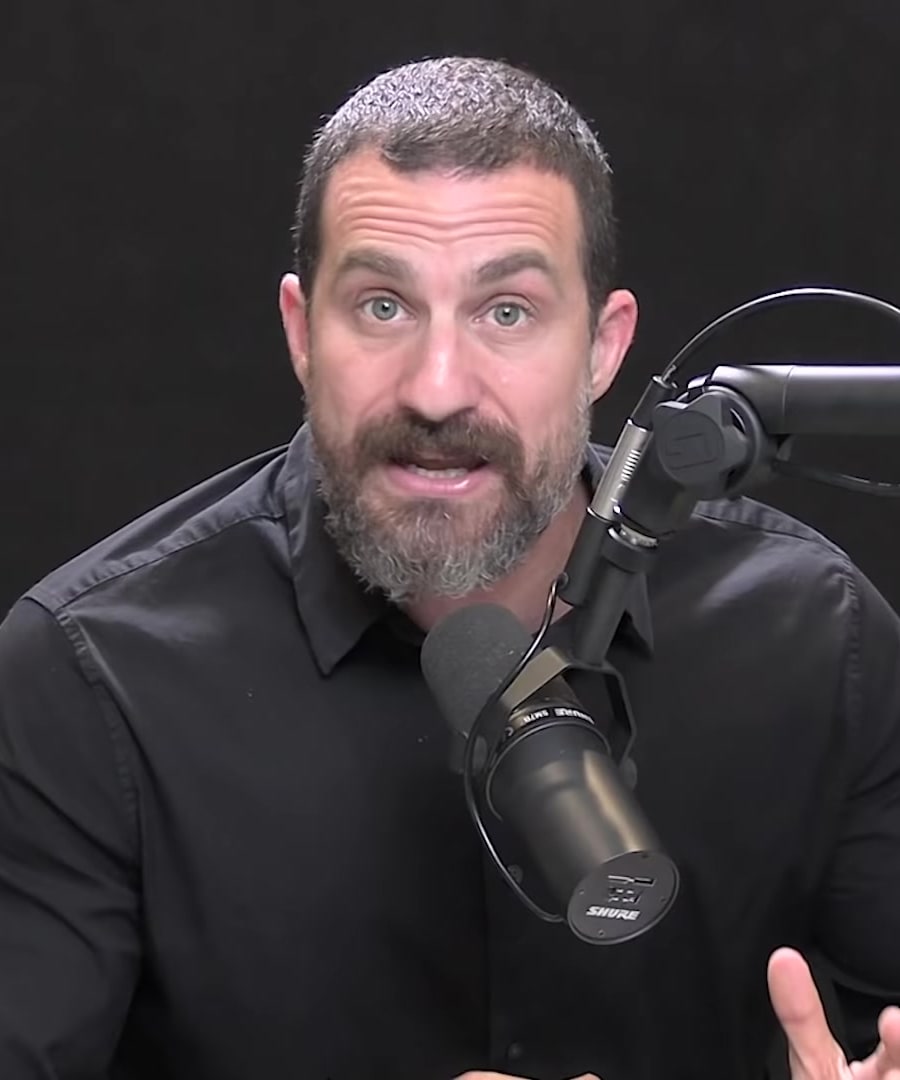
The truth is, you should be thinking mainly about how bad it's really going to get, if you don't do it.
---
By vividly imagining the consequences of failure, individuals can harness their fear and anxiety to propel themselves toward success.
Related Episodes

Goals Toolkit: How to Set & Achieve Your Goals | Huberman Lab Podcast
Answers 383 questions
Dr. Emily Balcetis: Tools for Setting & Achieving Goals | Huberman Lab Podcast #83
Answers 383 questionsThe Science of Making & Breaking Habits | Huberman Lab Podcast #53
Answers 383 questions
Ido Portal: The Science & Practice of Movement | Huberman Lab Podcast #77
Answers 383 questionsThe Science of Hearing, Balance & Accelerated Learning | Huberman Lab Podcast #27
Answers 383 questionsThe Science of Emotions & Relationships | Huberman Lab Podcast #13
Answers 383 questionsHow to Focus to Change Your Brain | Huberman Lab Podcast #6
Answers 383 questionsUsing Failures, Movement & Balance to Learn Faster | Huberman Lab Podcast #7
Answers 383 questionsUsing Science to Optimize Sleep, Learning & Metabolism | Huberman Lab Podcast #3
Answers 383 questions