Science of Social Bonding in Family, Friendship & Romantic Love | Huberman Lab Podcast #51

Topics covered
Popular Clips





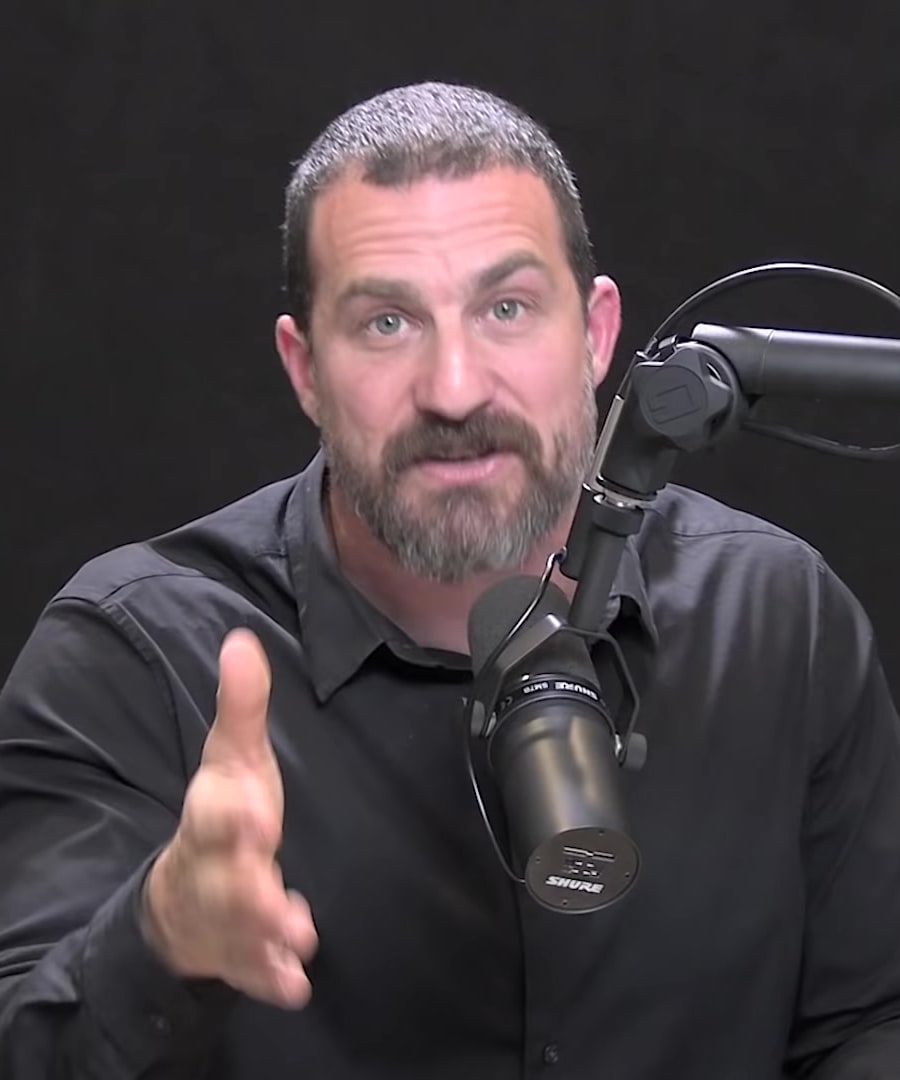

Episode Highlights
Isolation Effects
Social isolation profoundly impacts both behavior and mental health, leading to increased introversion and antisocial tendencies. explains that chronic isolation can diminish our craving for social interactions, similar to how long-term fasting affects hunger 1. This lack of social engagement triggers a craving for dopamine, often leading individuals to seek comfort in food rather than social connections 2. He notes that social isolation elevates stress hormones like cortisol, which can deteriorate brain and body health, making social connections more challenging 3.
Social Dynamics
Introverts and extroverts experience social interactions differently, primarily in how dopamine is released. highlights that introverts derive significant dopamine from minimal social interactions, while extroverts require more interactions to achieve the same dopamine levels 4. He explains that loneliness is not merely isolation but a discrepancy between expected and actual social relationships, driven by the dorsal raphe nucleus 5. This neural structure plays a crucial role in motivating social behavior, with introverts needing less interaction to feel satisfied compared to extroverts 6.
Dopamine Drive
Dopamine plays a pivotal role in our drive to seek social interactions, akin to hunger cravings. describes how the absence of expected social interactions triggers a pro-social craving, similar to hunger pangs when a meal is missed 7. This craving is driven by dopamine release from the dorsal raphe, highlighting the interconnectedness of social and hunger drives 8. He notes that these drives share common neurochemical pathways, emphasizing the fundamental role of dopamine in maintaining social homeostasis 8.
Related Episodes

The Science of Emotions & Relationships | Huberman Lab Podcast #13
Answers 383 questionsThe Science of Love, Desire and Attachment | Huberman Lab Podcast #59
Answers 383 questionsScience-Based Tools for Increasing Happiness | Huberman Lab Podcast #98
Answers 383 questionsThe Science & Process of Healing from Grief | Huberman Lab Podcast #74
Answers 383 questionsThe Science of Setting & Achieving Goals | Huberman Lab Podcast #55
Answers 383 questionsThe Science of Making & Breaking Habits | Huberman Lab Podcast #53
Answers 383 questionsThe Science & Treatment of Bipolar Disorder | Huberman Lab Podcast #82
Answers 383 questionsThe Science of Healthy Hair, Hair Loss and How to Regrow Hair | Huberman Lab Podcast
Answers 383 questions
Ido Portal: The Science & Practice of Movement | Huberman Lab Podcast #77
Answers 383 questionsThe Science of Vision, Eye Health & Seeing Better | Huberman Lab Podcast #24
Answers 383 questionsUsing Play to Rewire & Improve Your Brain | Huberman Lab Podcast #58
Answers 383 questions