

Optimize Sleep, Enhance Performance, and More | Dr. Andrew Huberman

Topics covered
Popular Clips









Questions from this episode
- Asked by 2,153 people
- Asked by 1,575 people
- Asked by 1,052 people
- Asked by 855 people
- Asked by 815 people
- Asked by 804 people
- Asked by 659 people
- Asked by 632 people
- Asked by 586 people
- Asked by 556 people
- Asked by 496 people
- Asked by 411 people
- Asked by 385 people
- Asked by 380 people
Episode Highlights
Breathing
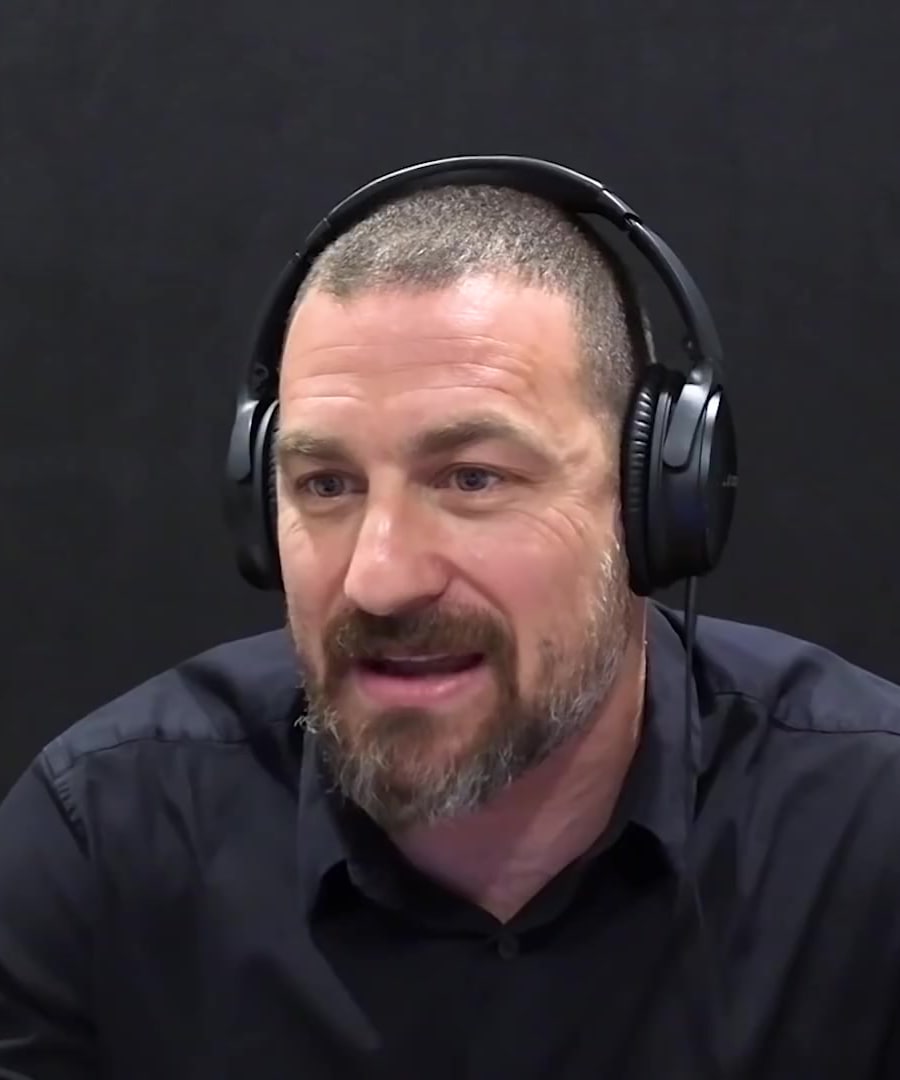
Breathing techniques are powerful tools for managing stress and anxiety. explains the physiological sigh, a breathing pattern that involves a double inhale followed by an extended exhale, which rapidly reduces stress by offloading carbon dioxide from the bloodstream 1. This technique can be consciously driven and is effective in real-time stress management. also highlights the connection between breathing and heart rate variability, emphasizing that longer exhales can slow the heart rate and calm the system 1.
The physiological sigh is a pattern of breathing that we all engage in in deep sleep.
---
Additionally, he discusses how both vision and breathing can influence our internal state, suggesting that these systems can be leveraged to control our mental and emotional well-being 2.
Physical Activity
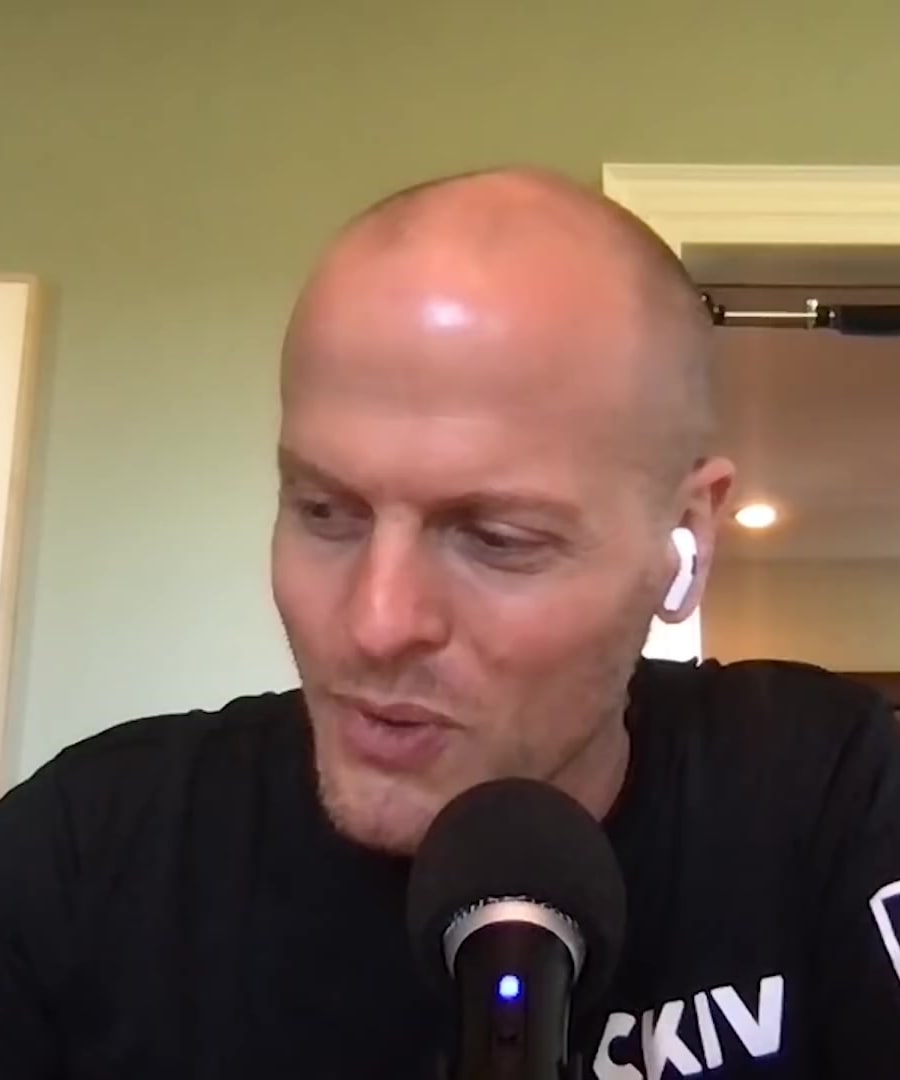
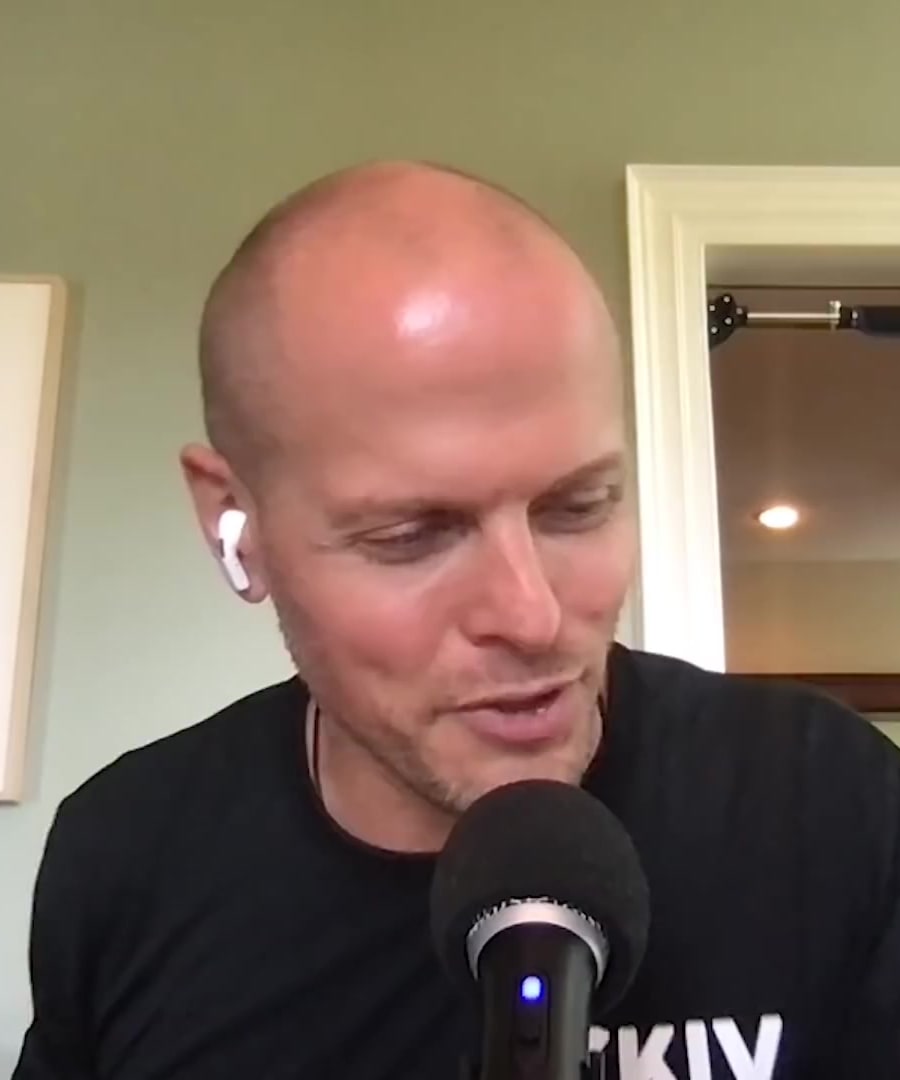
Physical activity plays a crucial role in alleviating stress and enhancing mental well-being. emphasizes the importance of using the body to control the mind, suggesting that activities like weightlifting and running can help reorient mental states 3. He believes that physical movement is a powerful entry point for stabilizing the mind, as opposed to solely relying on cognitive approaches.
I think it is futile to try and rescue thinking with thinking.
---
Huberman shares his personal journey of using exercise to build focus and endurance, highlighting the crossover benefits of different physical activities 4.
Reflective
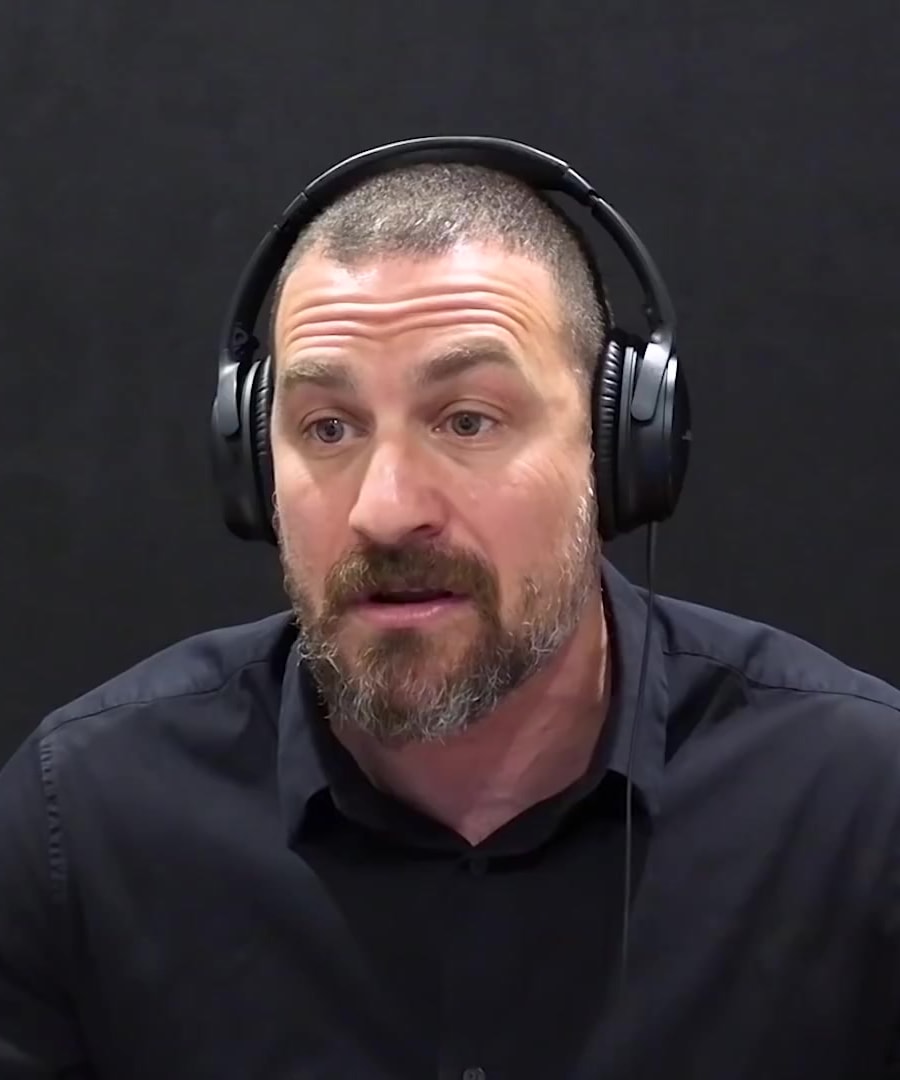
Reflective practices such as journaling, psychoanalysis, and self-hypnosis are valuable for stress relief and self-awareness. shares his experience with psychoanalysis, noting its power in exploring the mind and stabilizing mental states 5. He emphasizes the importance of combining biological insights with reflective practices to enhance mental health.
The work works. Whether or not it's therapy, biology, et cetera, you have to do it.
---
Additionally, Huberman discusses the dynamics of dopamine and serotonin, explaining how these neuromodulators influence motivation and contentment, and how understanding them can aid in achieving a balanced mental state 6.
Related Episodes

Using Science to Optimize Sleep, Learning & Metabolism | Huberman Lab Podcast #3
Answers 383 questionsMaster Your Sleep & Be More Alert When Awake | Huberman Lab Podcast #2
Answers 383 questionsLIVE EVENT Q&A: Dr. Andrew Huberman Question & Answer in Toronto, ON
Answers 383 questionsLIVE EVENT Q&A: Dr. Andrew Huberman at the Sydney Opera House
Answers 383 questionsLIVE EVENT Q&A: Dr. Andrew Huberman at the Brisbane Convention & Exhibition Centre
Answers 383 questionsLIVE EVENT Q&A: Dr. Andrew Huberman Question & Answer in Melbourne, AU
Answers 383 questions
Dr. Matthew Walker: Protocols to Improve Your Sleep | Huberman Lab Guest Series
Answers 383 questionsLIVE EVENT Q&A: Dr. Andrew Huberman at the ICC Sydney Theatre
Answers 383 questionsHow to Optimize Your Brain-Body Function & Health | Huberman Lab Podcast #30
Answers 383 questions