

Optimize Sleep, Enhance Performance, and More | Dr. Andrew Huberman

Topics covered
Popular Clips
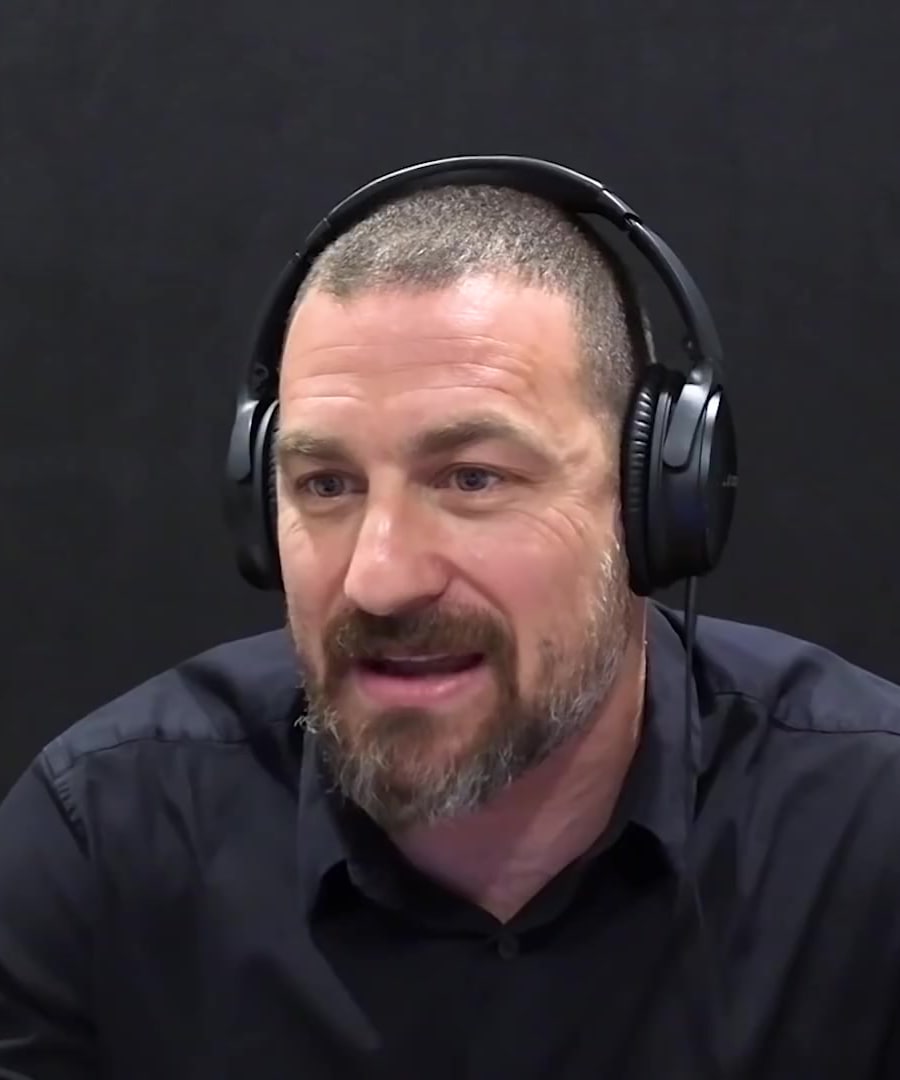

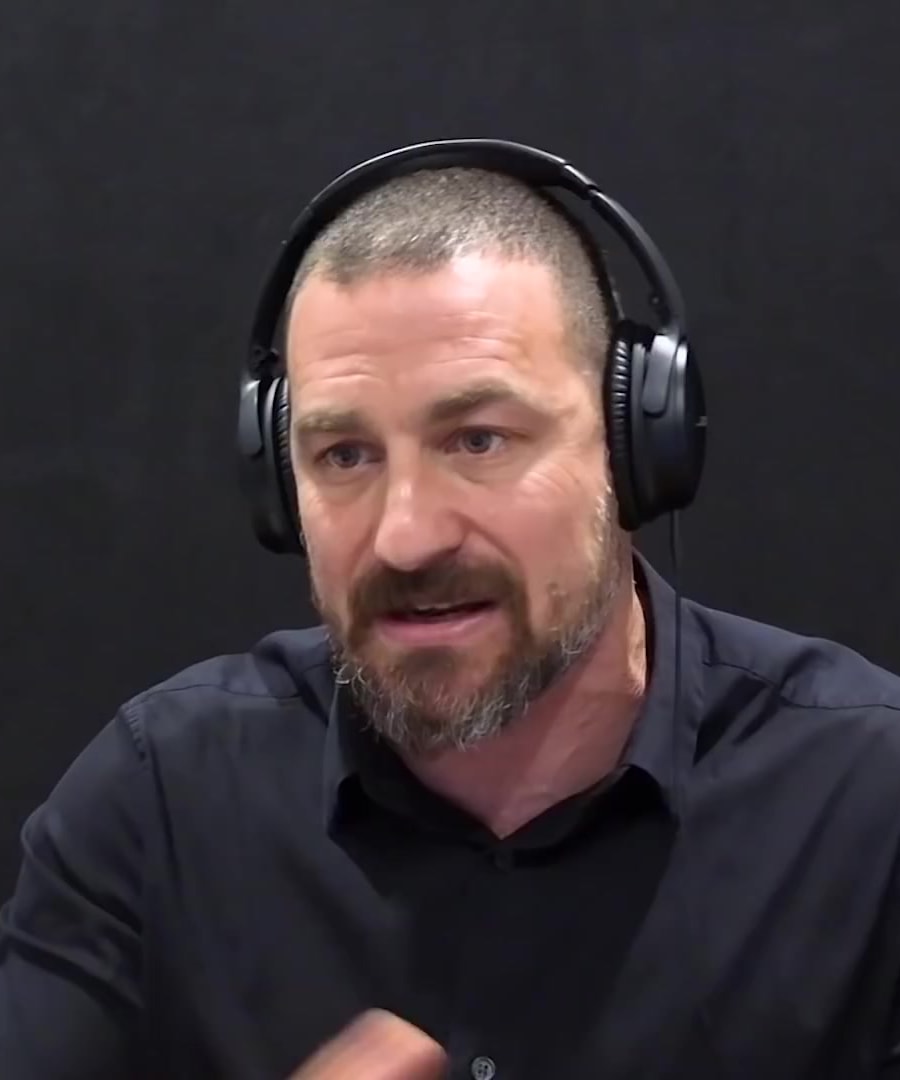






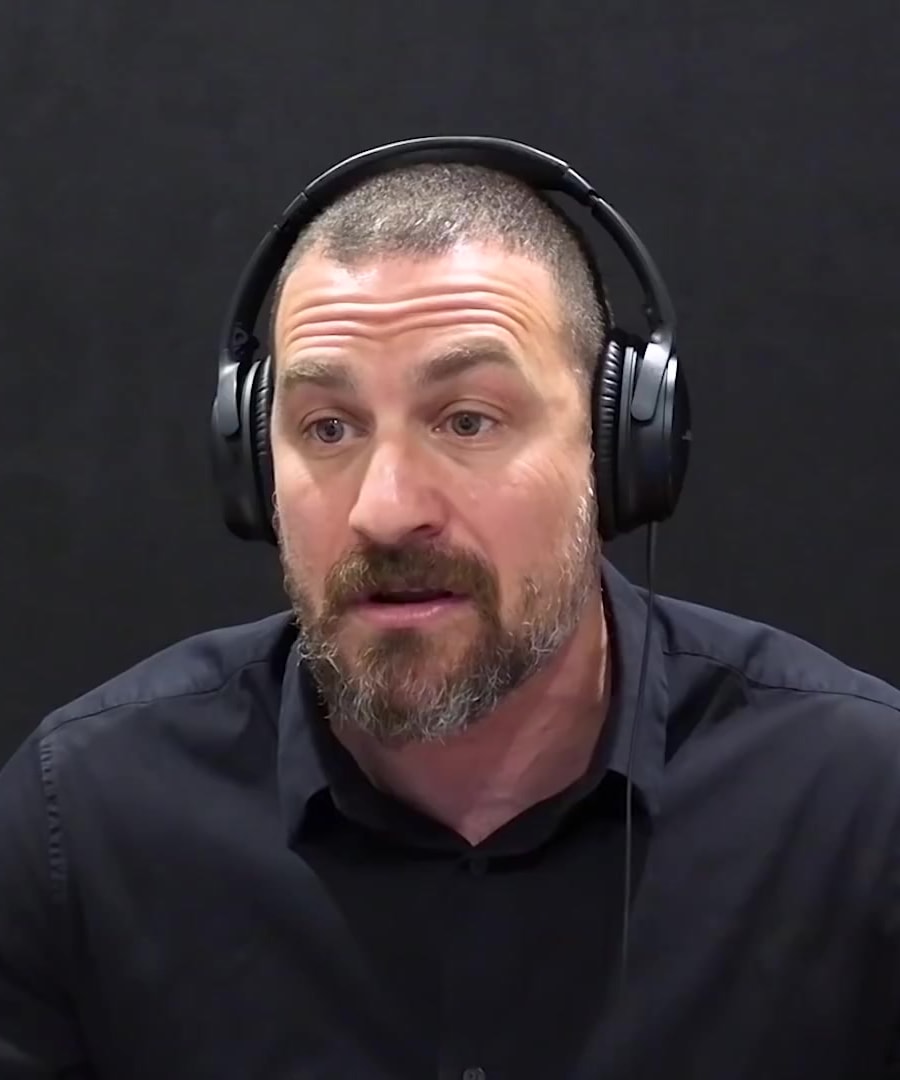


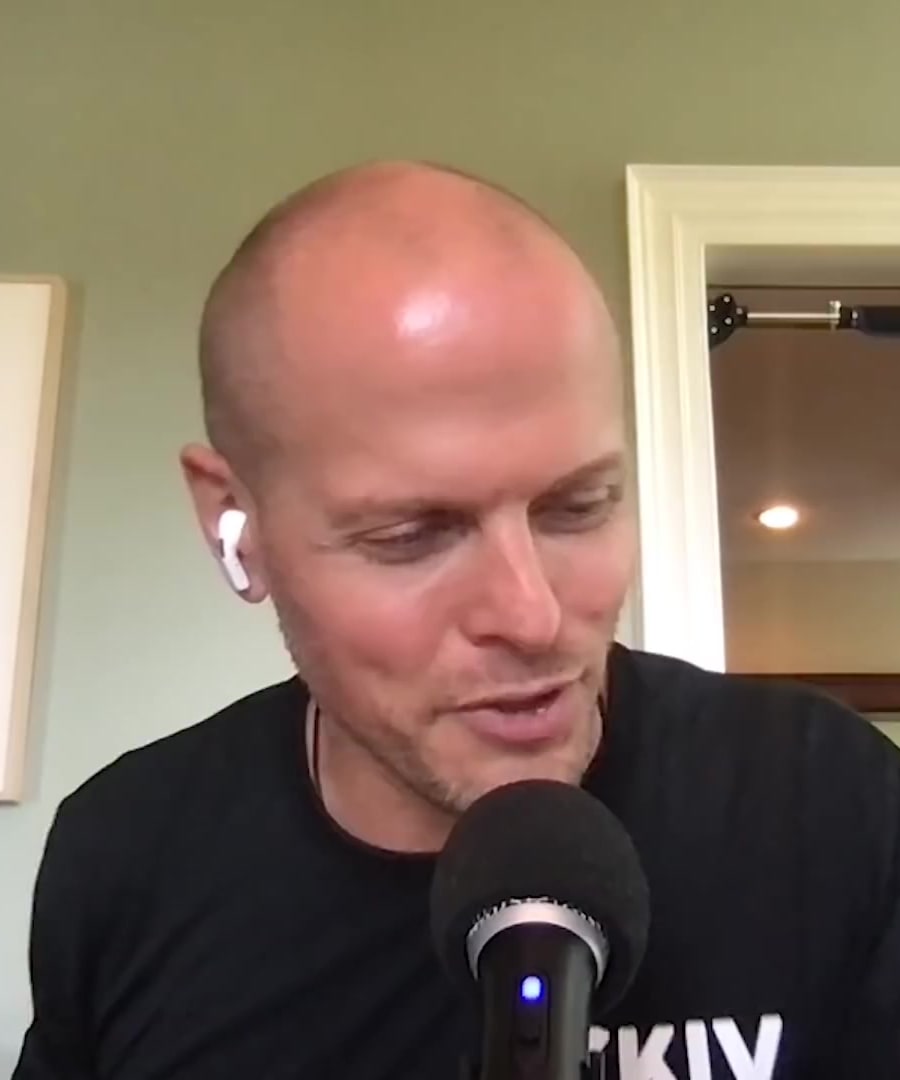
Questions from this episode
- Asked by 2,153 people
- Asked by 1,575 people
- Asked by 1,052 people
- Asked by 855 people
- Asked by 815 people
- Asked by 804 people
- Asked by 659 people
- Asked by 632 people
- Asked by 586 people
- Asked by 556 people
- Asked by 496 people
- Asked by 411 people
- Asked by 385 people
- Asked by 380 people
Episode Highlights
Circadian Rhythms
Understanding circadian rhythms is crucial for optimizing sleep and overall health. explains that exposure to natural light at specific times of the day can significantly influence our internal clocks. Morning light exposure, ideally 14 to 16 hours before bedtime, helps regulate sleep cycles by triggering dopamine release, which enhances mood and motivation 1.
Light is the most powerful stimulus for your biology and central circadian clock.
---
Evening light exposure also plays a role in signaling the brain that it's time to wind down, helping to maintain a consistent sleep schedule 2.
Natural Supplements
Natural supplements can aid sleep and manage stress effectively. advises against melatonin due to its potential hormonal effects and suggests alternatives like magnesium threonate, theanine, and apigenin for better sleep quality 3. These supplements help in turning off thoughts and reducing cortisol levels, which can drift too late in the day, causing sleep issues.
Falling asleep requires turning off your thoughts.
---
He also mentions using ashwagandha to buffer cortisol during stressful periods, emphasizing the importance of cycling supplements to avoid long-term side effects 4.
Non-Sleep Deep Rest
Non-sleep deep rest (NSDR) techniques like Yoga Nidra and hypnosis offer powerful tools for relaxation and sleep enhancement. highlights that these practices help self-direct a state of calm and enhance neuroplasticity, making them effective for stress reduction and learning 5. NSDR protocols involve self-inducing calm through respiration and vision, which can be particularly beneficial for those struggling with sleep.
NSDR is my attempt to create a more friendly language.
---
These zero-cost tools, grounded in peer-reviewed research, can accelerate learning by about 50% when practiced regularly, demonstrating their potential beyond just sleep improvement 6.
Related Episodes

Using Science to Optimize Sleep, Learning & Metabolism | Huberman Lab Podcast #3
Answers 383 questionsMaster Your Sleep & Be More Alert When Awake | Huberman Lab Podcast #2
Answers 383 questionsLIVE EVENT Q&A: Dr. Andrew Huberman Question & Answer in Toronto, ON
Answers 383 questionsLIVE EVENT Q&A: Dr. Andrew Huberman at the Sydney Opera House
Answers 383 questionsLIVE EVENT Q&A: Dr. Andrew Huberman at the Brisbane Convention & Exhibition Centre
Answers 383 questionsLIVE EVENT Q&A: Dr. Andrew Huberman Question & Answer in Melbourne, AU
Answers 383 questions
Dr. Matthew Walker: Protocols to Improve Your Sleep | Huberman Lab Guest Series
Answers 383 questionsLIVE EVENT Q&A: Dr. Andrew Huberman at the ICC Sydney Theatre
Answers 383 questionsHow to Optimize Your Brain-Body Function & Health | Huberman Lab Podcast #30
Answers 383 questions