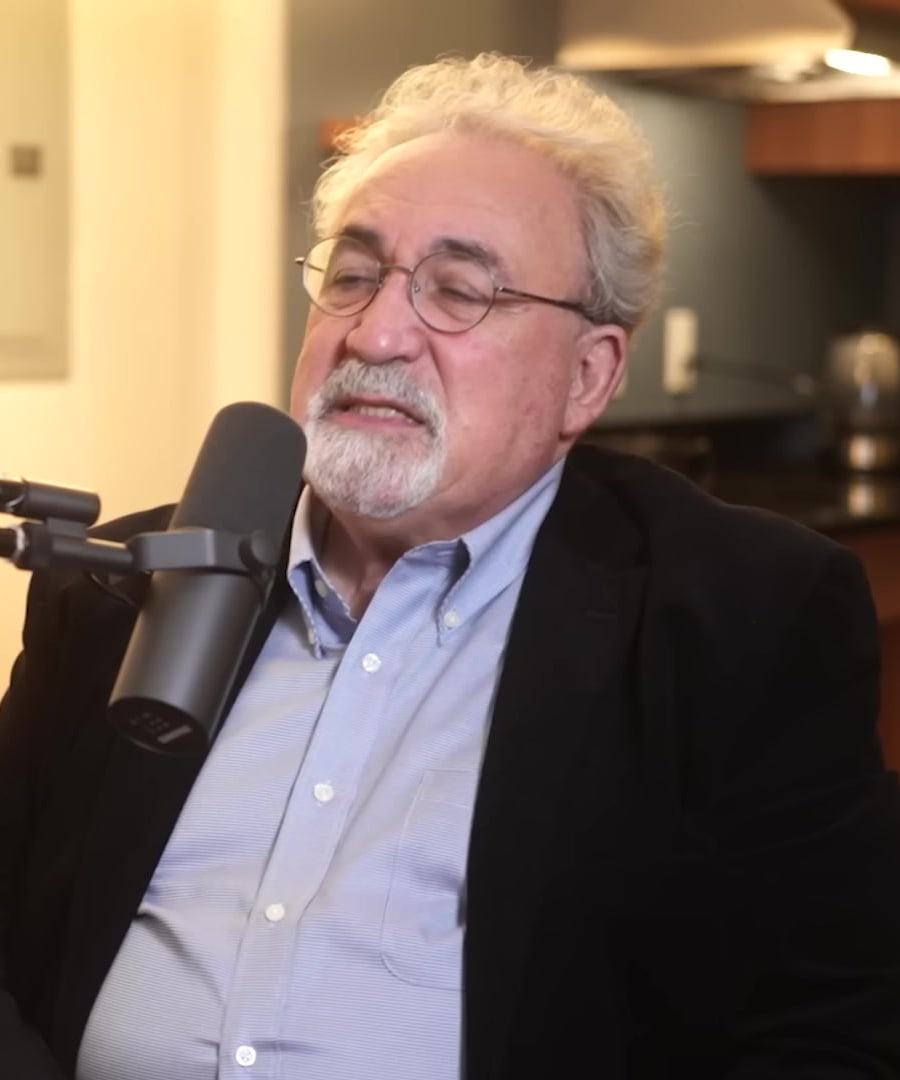
Abbas Amanat: Iran Protests, Mahsa Amini, History, CIA & Nuclear Weapons | Lex Fridman Podcast #334

Topics covered
Popular Clips




Questions from this episode
- Asked by 11 people
Episode Highlights
CIA & Iran
The complex relationship between the United States and Iran has deep historical roots, particularly highlighted by the CIA's involvement in the 1953 coup in Iran. explains that the coup, which removed Prime Minister Mohammad Mossadegh, was a pivotal moment orchestrated with American and British support due to fears of Soviet influence and control over oil resources 1. This event left a lasting impact on Iranian nationalists, who viewed it as a betrayal by Western powers. and Abbas discuss how the U.S. aimed to protect Iran from Soviet influence, yet this involvement has been repeatedly criticized, especially during the 1979 revolution 2.
The Americans viewed Iran as an important country since it has the largest common borders with the Soviet Union.
---
The coup and subsequent events have shaped the perception of the U.S. in Iran, influencing diplomatic relations to this day.
Iran-Israel Tensions
Iran-Israel relations have undergone significant changes, especially after the 1979 Iranian Revolution. notes that prior to the revolution, Iran maintained positive relations with Israel, but this shifted dramatically as the Islamic Republic positioned itself as a staunch supporter of Palestinian rights 3. This support is often seen as a propaganda tool by the Iranian regime, which claims to champion the Palestinian cause while facing internal and external criticism. The rhetoric of the Iranian government, which includes calls for the destruction of Israel, exacerbates tensions and creates anxiety within Israel 4.
It's extremely unwise for Israel to carry on with these policies as they did since 67.
---
The complex dynamics between Iran, Israel, and Palestine continue to influence regional stability and international relations.
Russia-Iran Relations
The evolving relationship between Iran and Russia marks a significant shift in geopolitical alliances. Historically, Iran viewed Russia as a major threat, but recent developments indicate a growing partnership, particularly in military and strategic areas 5. highlights that this alliance is surprising given Iran's historical caution towards Russia, driven by past conflicts and territorial losses. The partnership with Russia, alongside connections with China, reflects Iran's strategic pivot away from Western influences 6.
Iran finds itself now in a greater place of security in alliance with Russia.
---
This realignment raises questions about Iran's future role in regional and global politics, as well as the implications for its relations with other nations.
Related Episodes


Dr. Lex Fridman: Machines, Creativity & Love | Huberman Lab Podcast #29
Answers 383 questionsTools for Managing Stress & Anxiety | Huberman Lab Podcast #10
Answers 383 questionsAMA #8: Balancing Caffeine, Decision Fatigue & Social Isolation
Answers 383 questionsThe Science & Treatment of Bipolar Disorder | Huberman Lab Podcast #82
Answers 383 questionsUnderstanding & Conquering Depression | Huberman Lab Podcast #34
Answers 383 questionsThe Science of Making & Breaking Habits | Huberman Lab Podcast #53
Answers 383 questionsThe Science of Healthy Hair, Hair Loss and How to Regrow Hair | Huberman Lab Podcast
Answers 383 questionsUnderstanding & Controlling Aggression | Huberman Lab Podcast #71
Answers 383 questions
Dr. Jamil Zaki: How to Cultivate a Positive, Growth-Oriented Mindset
Answers 383 questions