Dr. David Anderson: The Biology of Aggression, Mating, & Arousal | Huberman Lab Podcast #89

Topics covered
Popular Clips
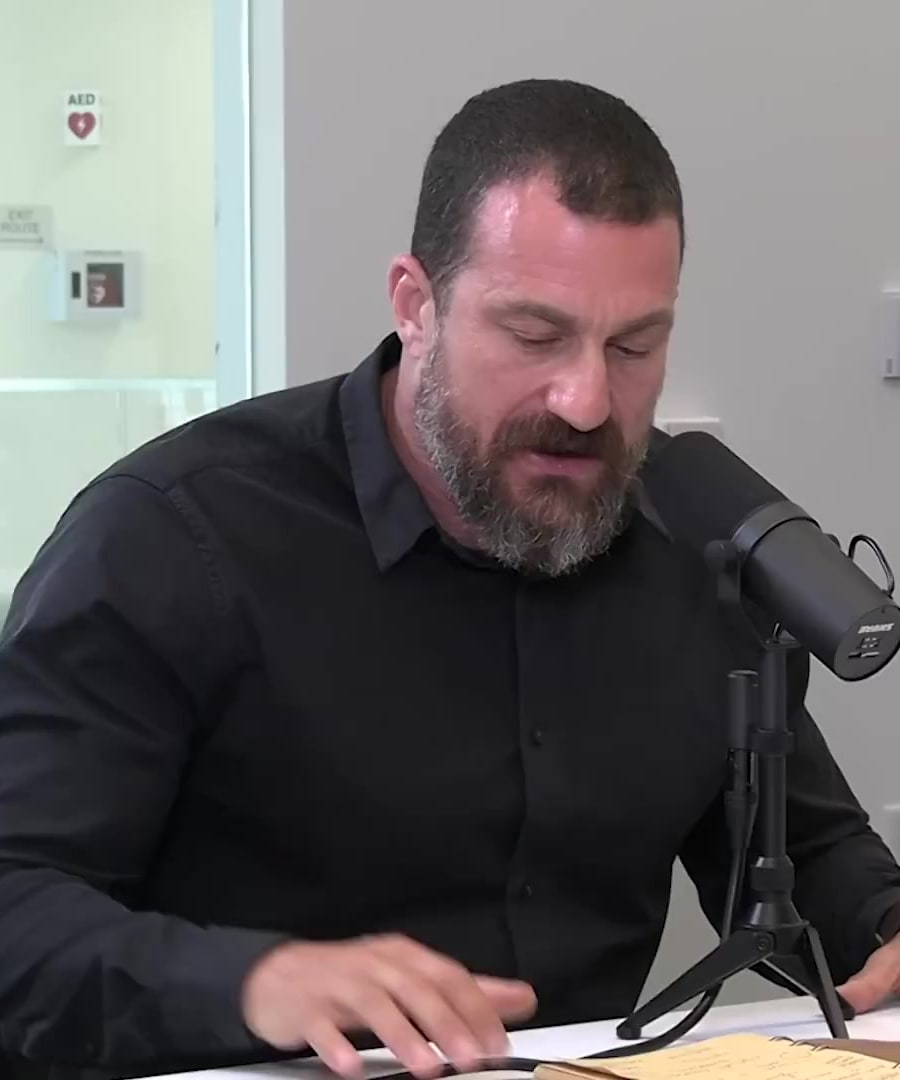
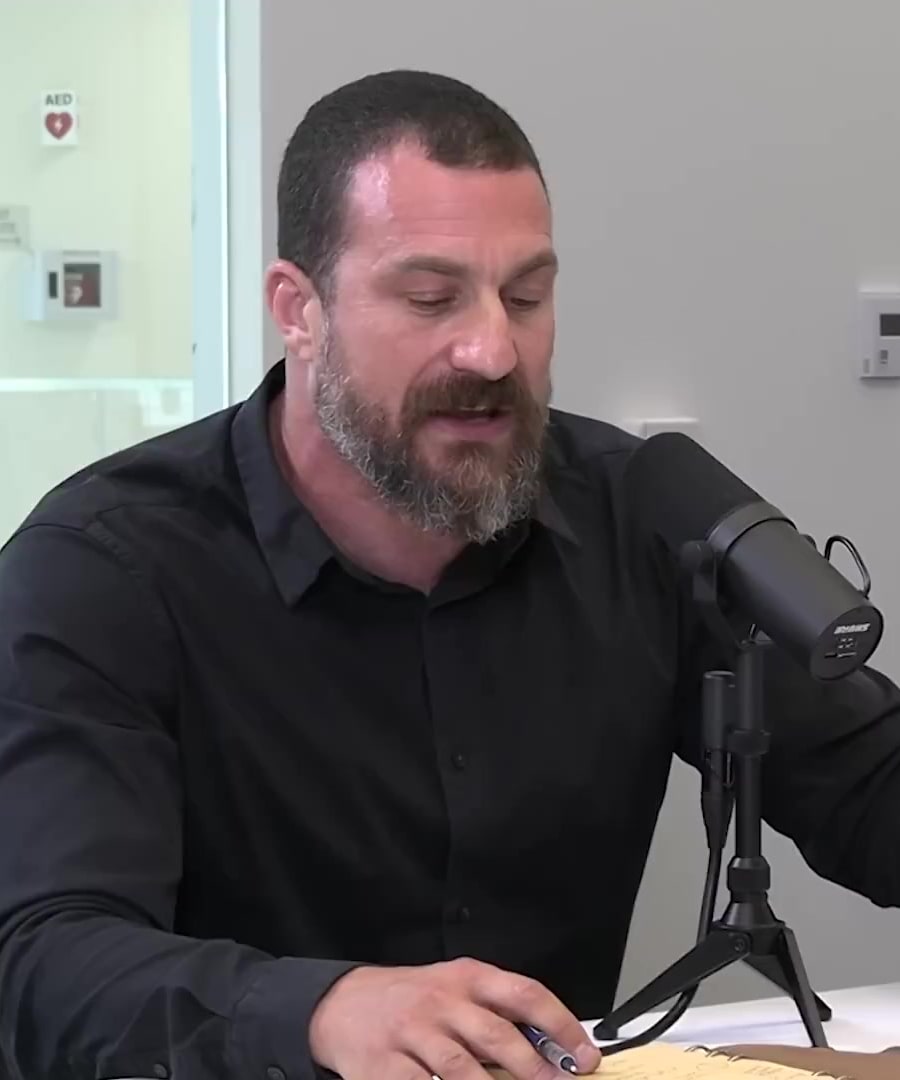
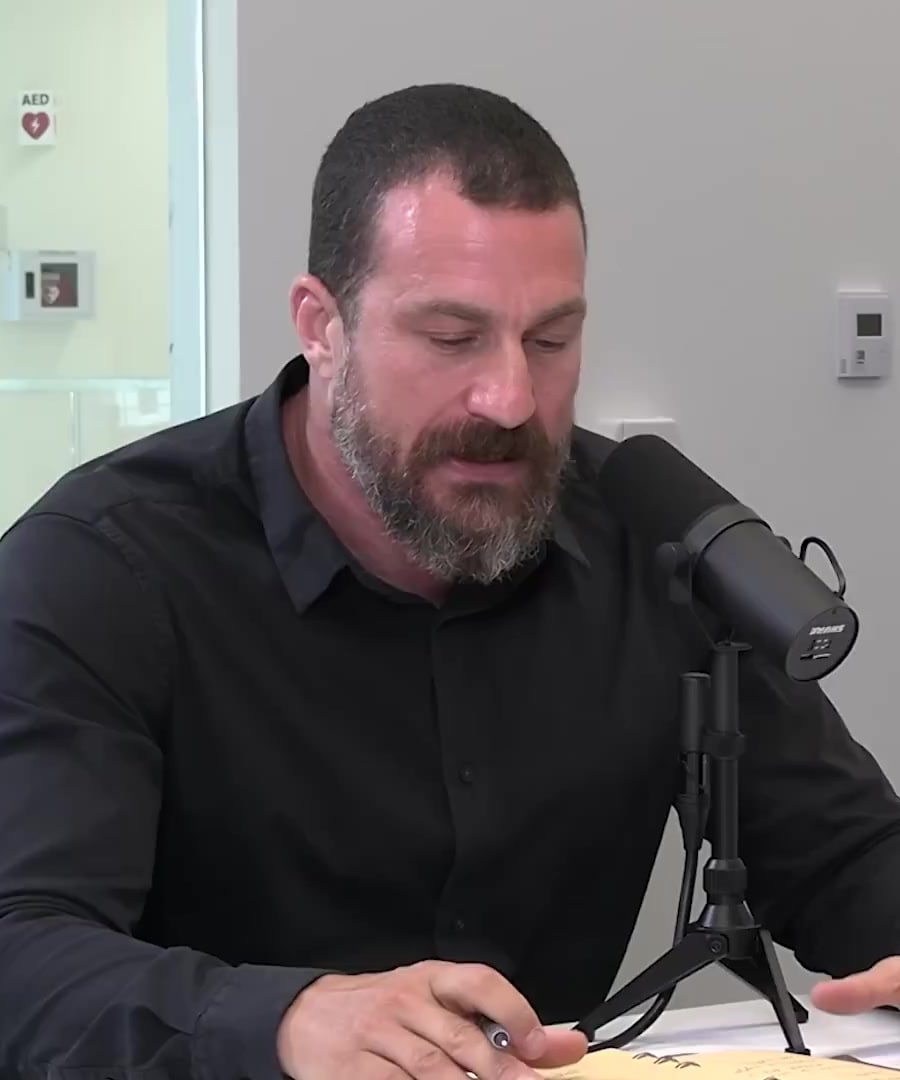

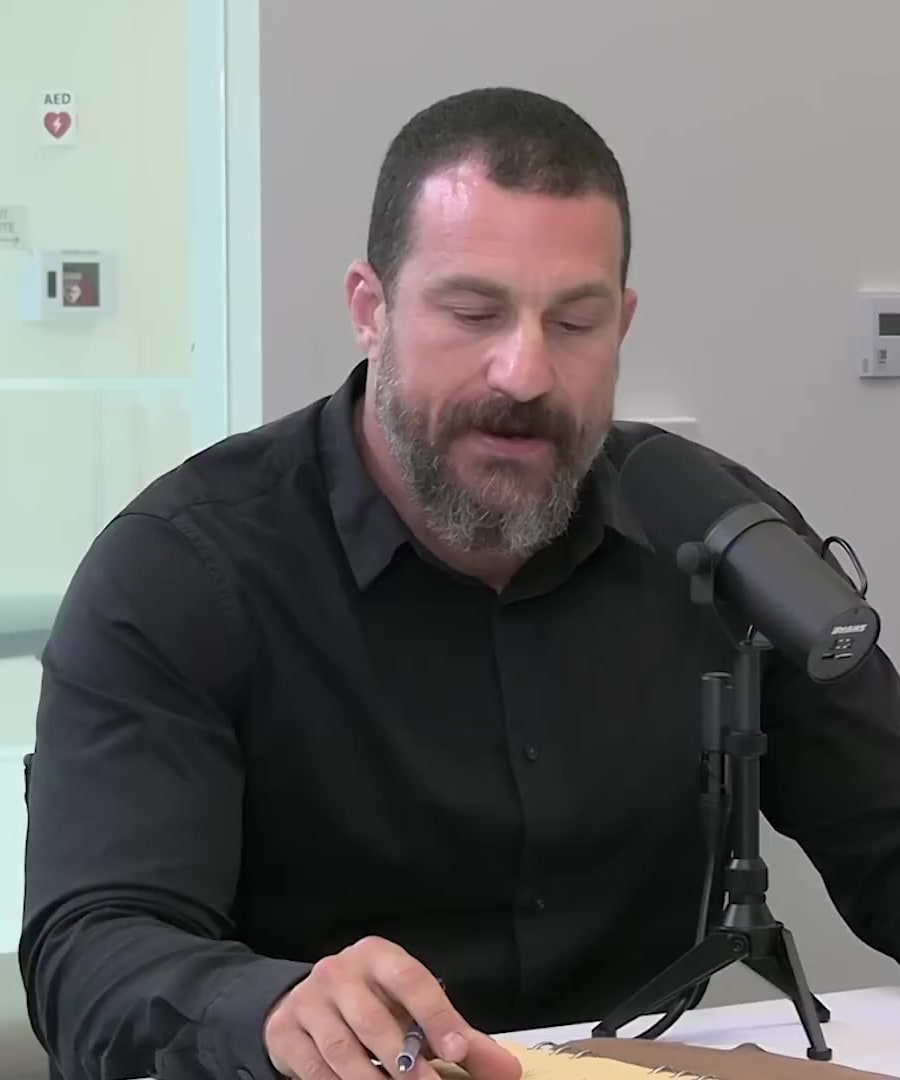



Episode Highlights
Tachykinins
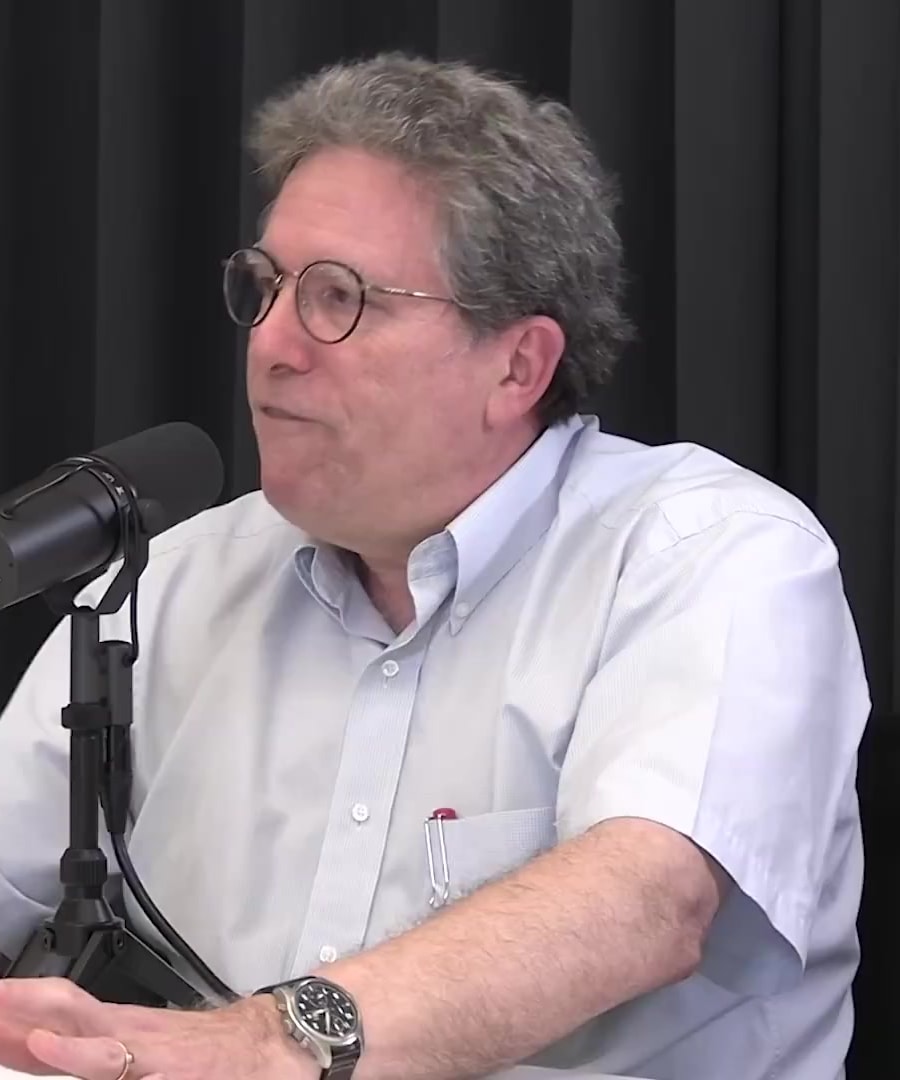
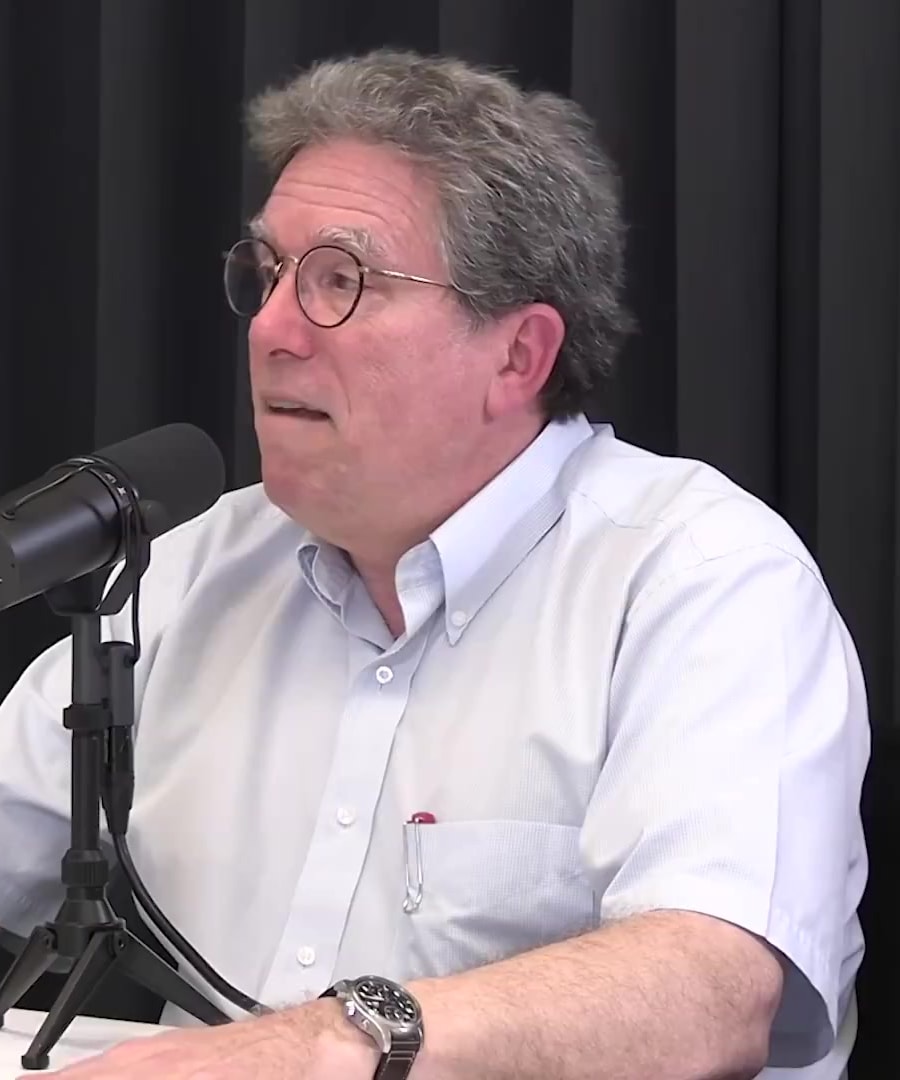
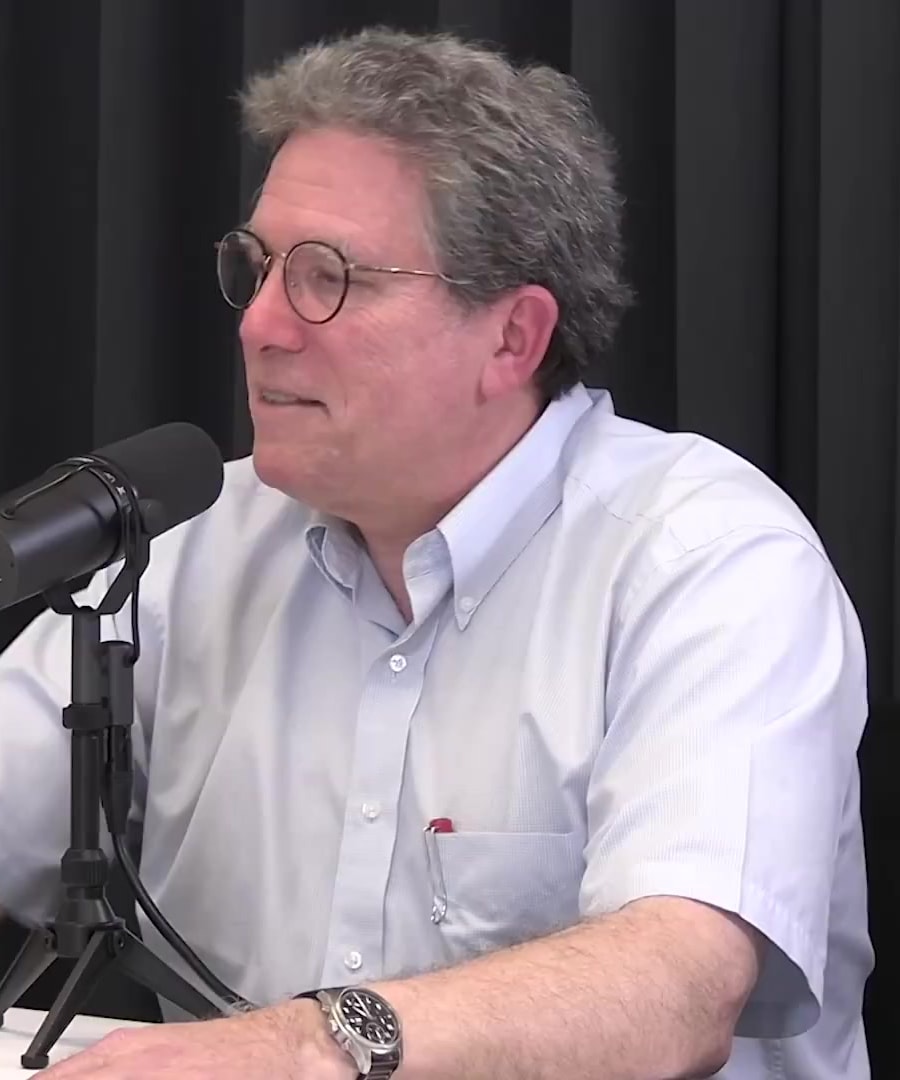
Tachykinins, a family of neuropeptides, play a significant role in modulating aggression and anxiety, particularly in the context of social isolation. explains that these neuropeptides are present in various species, including humans, and are released in specific neurons when activated, influencing behaviors like aggression 1. In flies, social isolation increases tachykinins, leading to heightened aggression, a phenomenon mirrored in mice and potentially humans. Anderson highlights the potential of drugs like Osanatante, which block tachykinins, to mitigate aggression and anxiety induced by isolation 2.
Once you social isolate a mouse and it becomes aggressive, you can never put it back in its cage with its brothers from its litter because it will kill them all overnight. But if you give it this drug, which is called Osanatante, that blocks Tachykinins two, that mouse can be returned to the cage with its brothers and will not attack them.
---
Despite promising results, pharmaceutical companies remain hesitant to pursue further testing due to past failures in clinical trials.
Neurochemical Impact
Social isolation triggers profound neurochemical changes, increasing aggression and anxiety through mechanisms involving tachykinins. and Anderson discuss how these neuropeptides, particularly Tachykinins One and Two, are linked to aggression and anxiety in humans and animals 3. Anderson notes that despite evidence of their role in aggression, economic barriers prevent pharmaceutical companies from exploring these drugs for new applications.
I remain convinced that this family of drugs could have very powerful uses in treating some forms of stress-induced anxiety or aggressiveness in humans.
---
Huberman suggests that small-scale trials could reignite interest, potentially benefiting both humans and pets suffering from separation anxiety 4.
Related Episodes

Understanding & Controlling Aggression | Huberman Lab Podcast #71
Answers 383 questionsThe Science of Emotions & Relationships | Huberman Lab Podcast #13
Answers 383 questionsThe Science of Love, Desire and Attachment | Huberman Lab Podcast #59
Answers 383 questions
Dr. David Berson: Your Brain's Logic & Function | Huberman Lab Podcast #50
Answers 383 questions
Dr. Lisa Feldman Barrett: How to Understand Emotions | Huberman Lab Podcast
Answers 383 questionsThe Science of Setting & Achieving Goals | Huberman Lab Podcast #55
Answers 383 questionsThe Science & Treatment of Bipolar Disorder | Huberman Lab Podcast #82
Answers 383 questionsHow to Increase Motivation & Drive | Huberman Lab Podcast #12
Answers 383 questionsThe Science of How to Optimize Testosterone & Estrogen | Huberman Lab Podcast #15
Answers 383 questionsThe Science of Healthy Hair, Hair Loss and How to Regrow Hair | Huberman Lab Podcast
Answers 383 questions