Dr. Karl Deisseroth: Understanding & Healing the Mind | Huberman Lab Podcast #26

Topics covered
Popular Clips


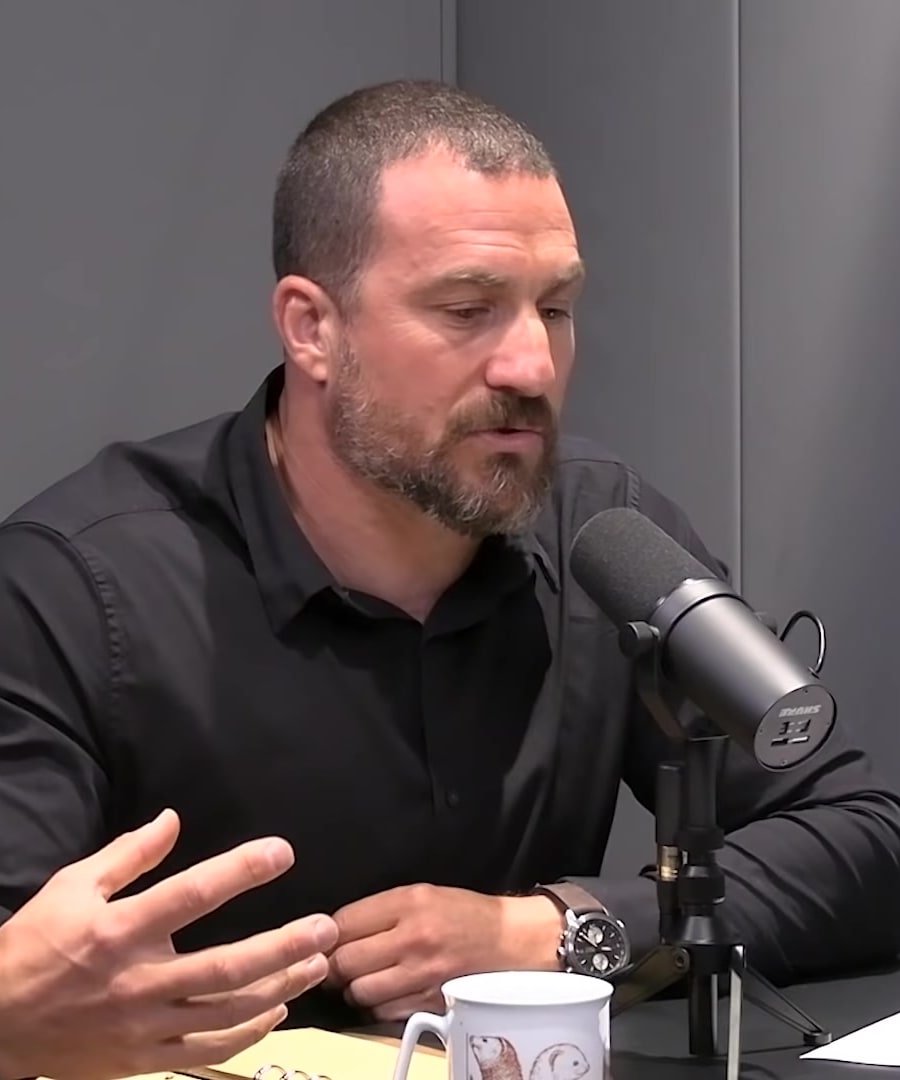

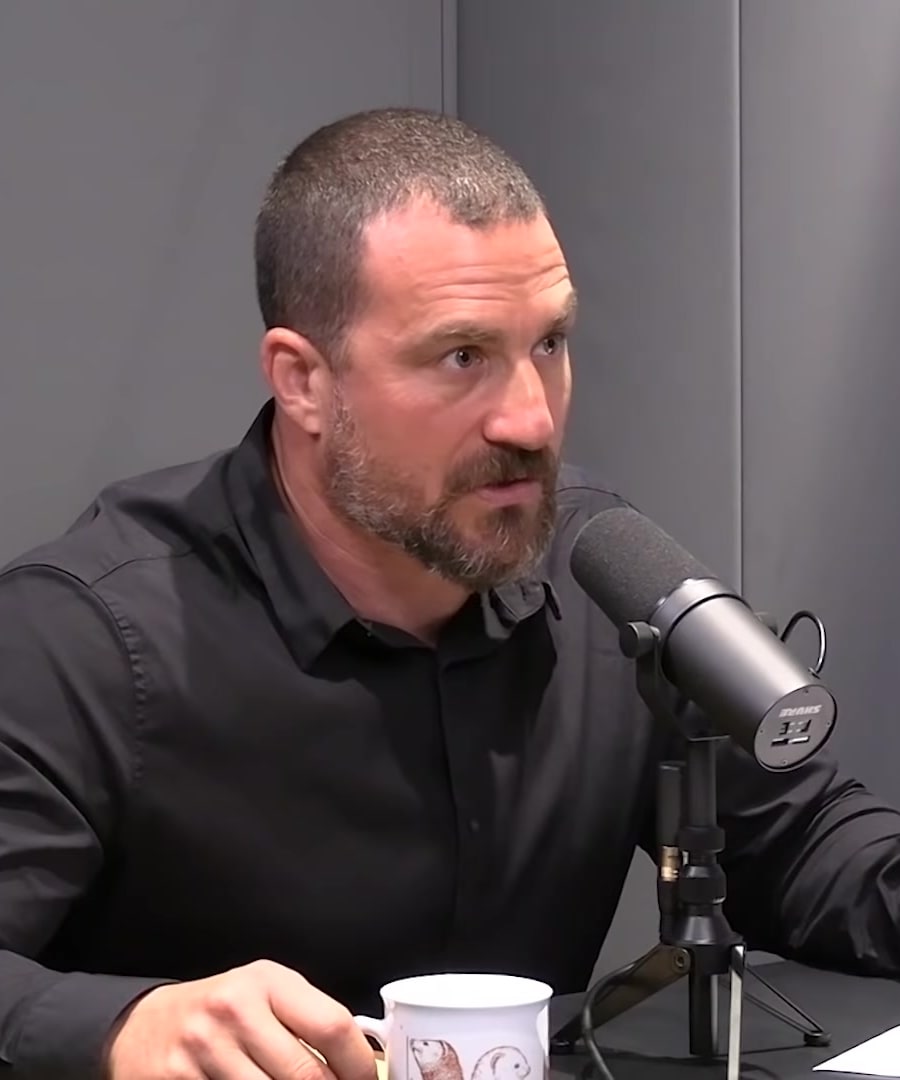
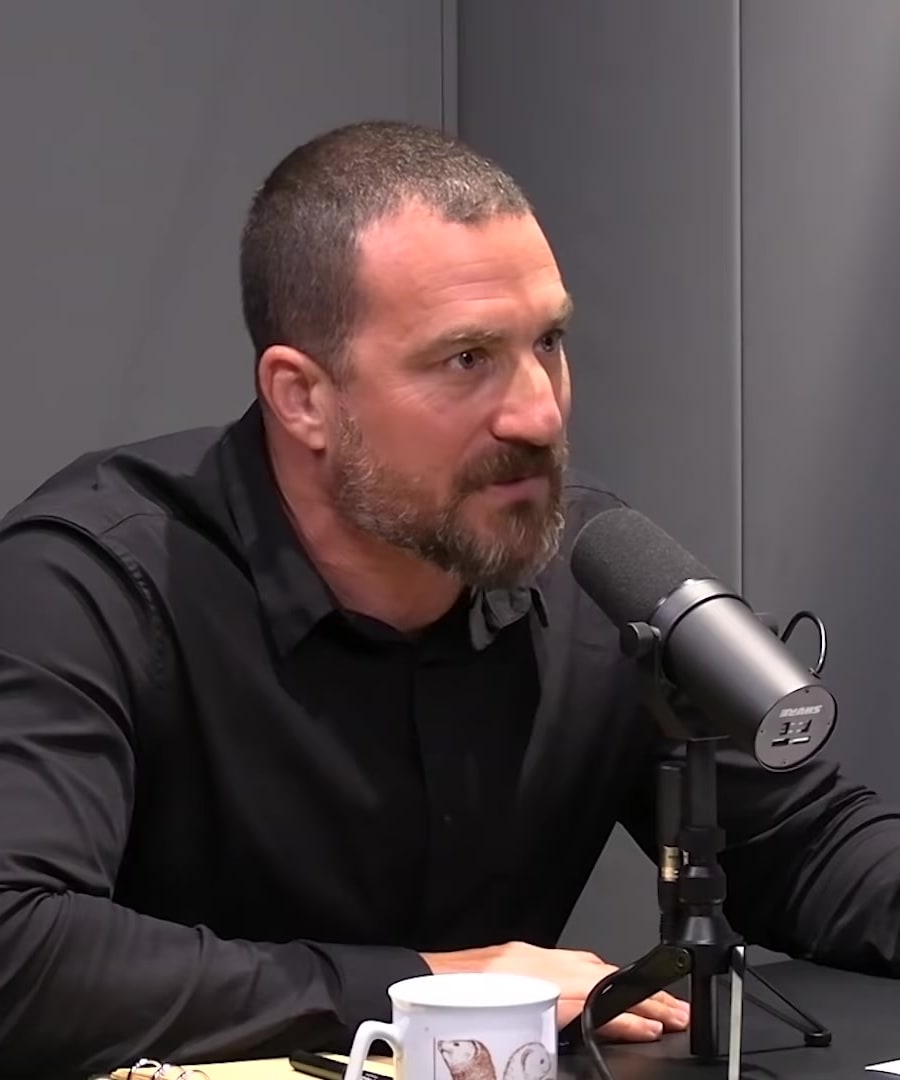
Questions from this episode
- Asked by 1,205 people
- Asked by 101 people
- Asked by 96 people
- Asked by 62 people
- Asked by 60 people
- Asked by 60 people
- Asked by 47 people
- Asked by 43 people
- Asked by 32 people
- Asked by 29 people
- Asked by 29 people
- Asked by 27 people
- Asked by 21 people
- Asked by 18 people
Episode Highlights
Optogenetics
Dr. explores the revolutionary potential of optogenetics in psychiatric treatments. This technique involves using light to control neurons in the brain, offering precise intervention possibilities that traditional drugs often lack. explains how optogenetics can target specific cells, akin to a conductor directing an orchestra, allowing for real-time manipulation of brain activity 1. He highlights a groundbreaking application where optogenetics restored partial vision in a blind patient, marking a significant milestone in the field 2.
Optogenetics is a transformative technology, poised to change how we treat psychiatric illnesses and understand brain functions.
---
This approach is not only promising for treating mental disorders but also for enhancing our understanding of brain circuitry 3.
Vagus Nerve
The potential of vagus nerve stimulation (VNS) in treating depression is explored, with discussing its current use and future enhancements through optogenetics. VNS involves electrical stimulation of the vagus nerve, which can influence brain regions associated with mood regulation. However, its effectiveness varies, and side effects can limit its application 4.
The vagus nerve is a superhighway to the brain, offering a non-invasive route for potential treatments.
---
Optogenetics could refine this approach by targeting specific neurons, potentially reducing side effects and increasing efficacy 5. In clinical settings, uses real-time adjustments to optimize patient outcomes, highlighting the dynamic nature of this treatment 6.
Brain-Machine Interfaces
Brain-machine interfaces (BMIs) represent a frontier in psychiatric treatment, with discussing their potential to revolutionize how we address mental disorders. These interfaces involve implanting devices that can both read and stimulate brain activity, offering a closed-loop system for managing symptoms. notes that while current applications are invasive, they hold promise for more precise interventions in the future 7.
Even a single stimulation electrode in the brain can help people with OCD quite powerfully.
---
Real-time brain stimulation, already practiced in clinics, exemplifies the immediate benefits and challenges of BMIs, as adjustments are made based on patient feedback and observed effects 6.
Related Episodes

Understanding & Conquering Depression | Huberman Lab Podcast #34
Answers 383 questionsThe Science & Treatment of Bipolar Disorder | Huberman Lab Podcast #82
Answers 383 questionsHow to Optimize Your Brain-Body Function & Health | Huberman Lab Podcast #30
Answers 383 questions
Dr. David Berson: Your Brain's Logic & Function | Huberman Lab Podcast #50
Answers 383 questionsControl Pain & Heal Faster with Your Brain | Huberman Lab Podcast #9
Answers 383 questionsTools for Managing Stress & Anxiety | Huberman Lab Podcast #10
Answers 383 questionsHow Your Nervous System Works & Changes | Huberman Lab Podcast #1
Answers 383 questionsThe Science & Process of Healing from Grief | Huberman Lab Podcast #74
Answers 383 questionsHow to Focus to Change Your Brain | Huberman Lab Podcast #6
Answers 383 questions