Dr. Karl Deisseroth: Understanding & Healing the Mind | Huberman Lab Podcast #26

Topics covered
Popular Clips

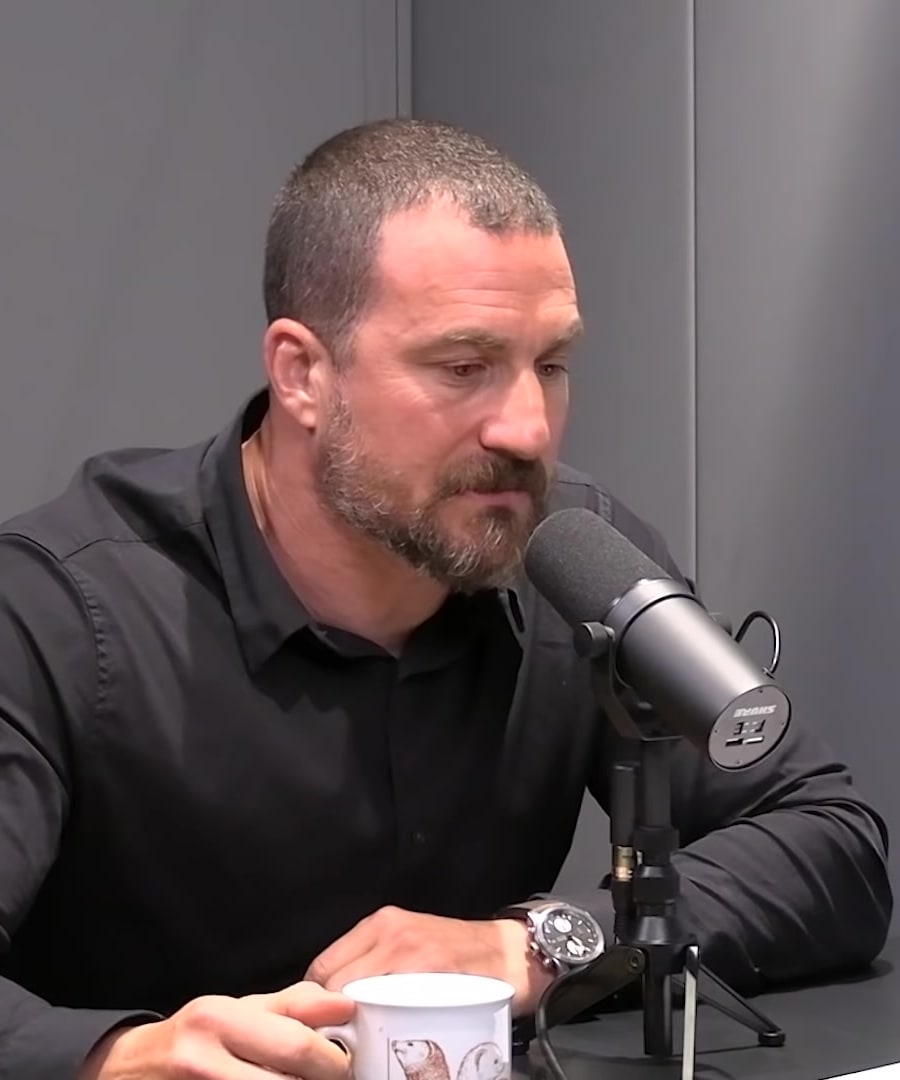

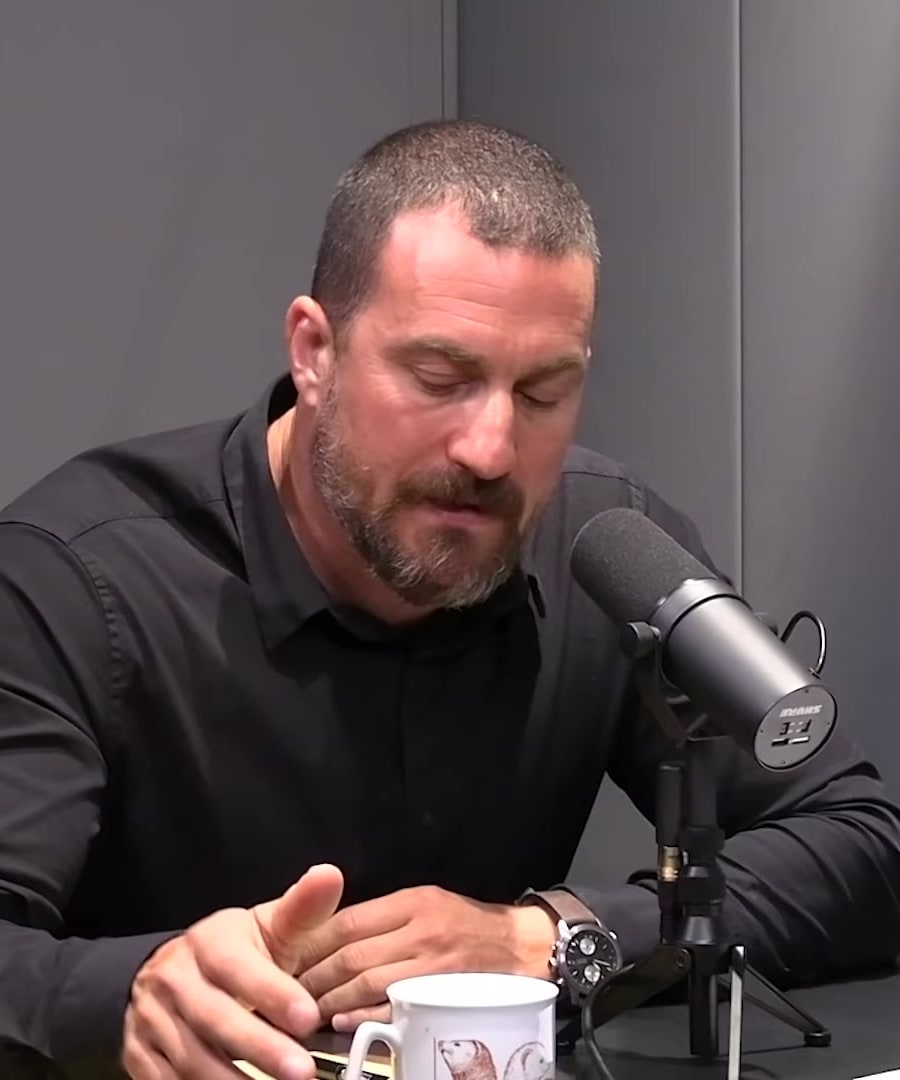
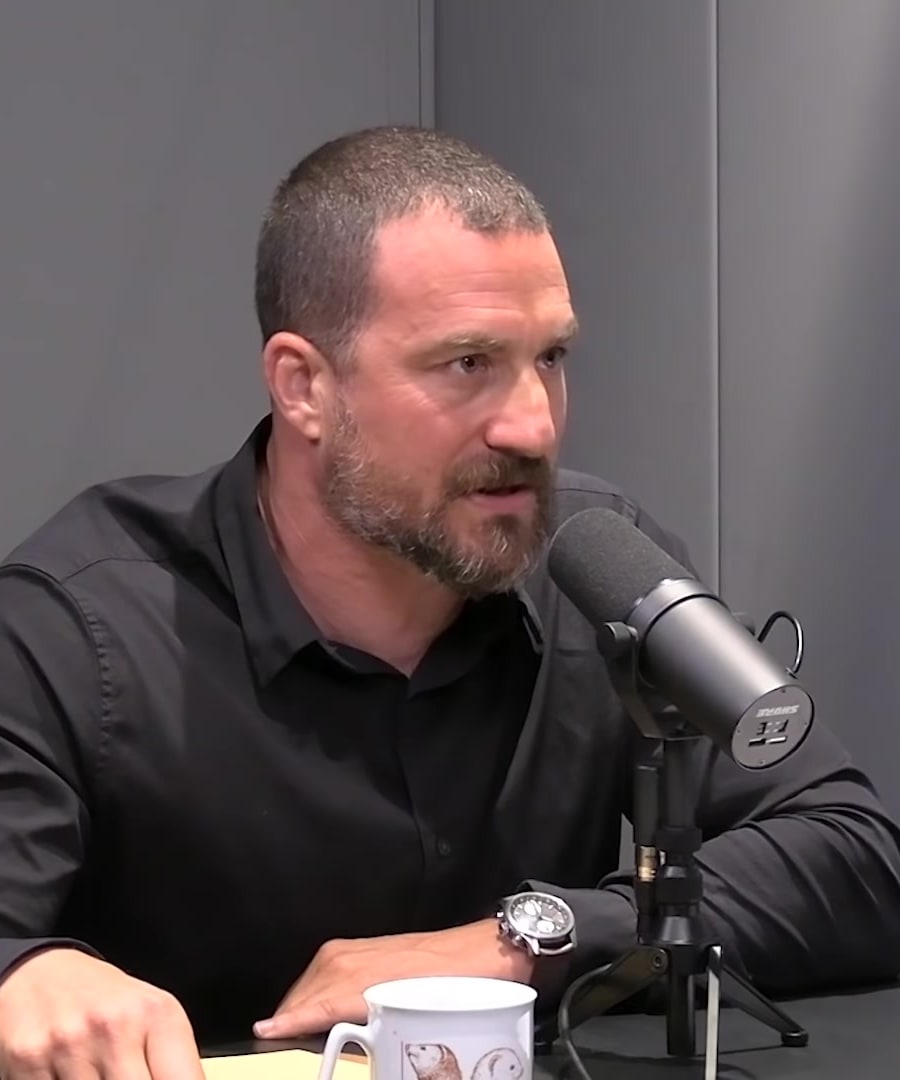
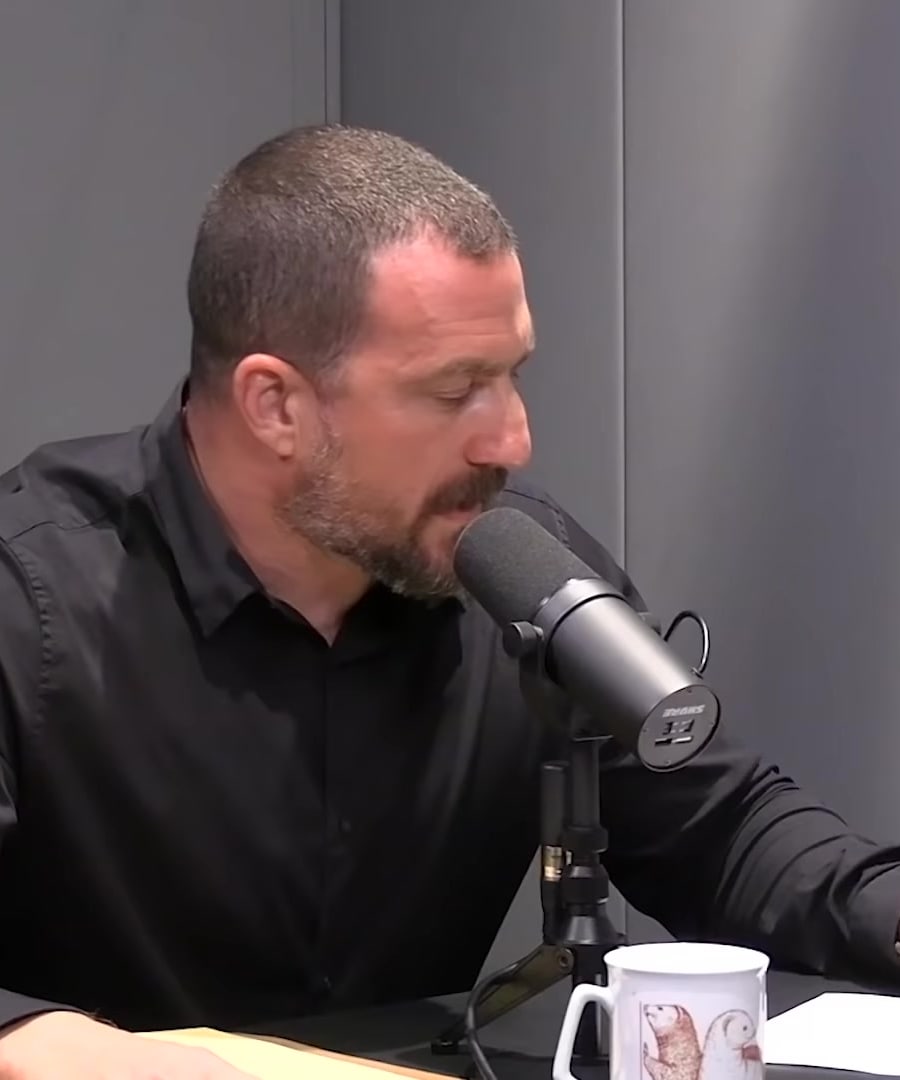
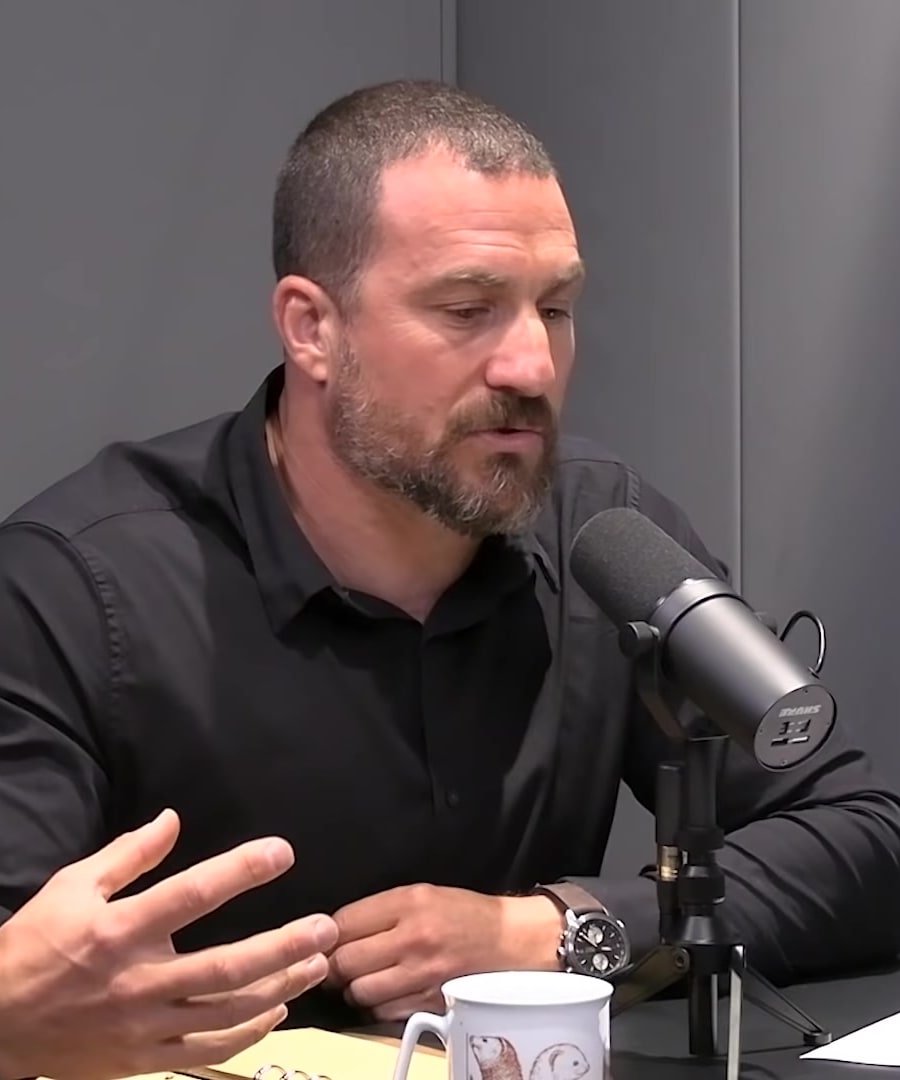

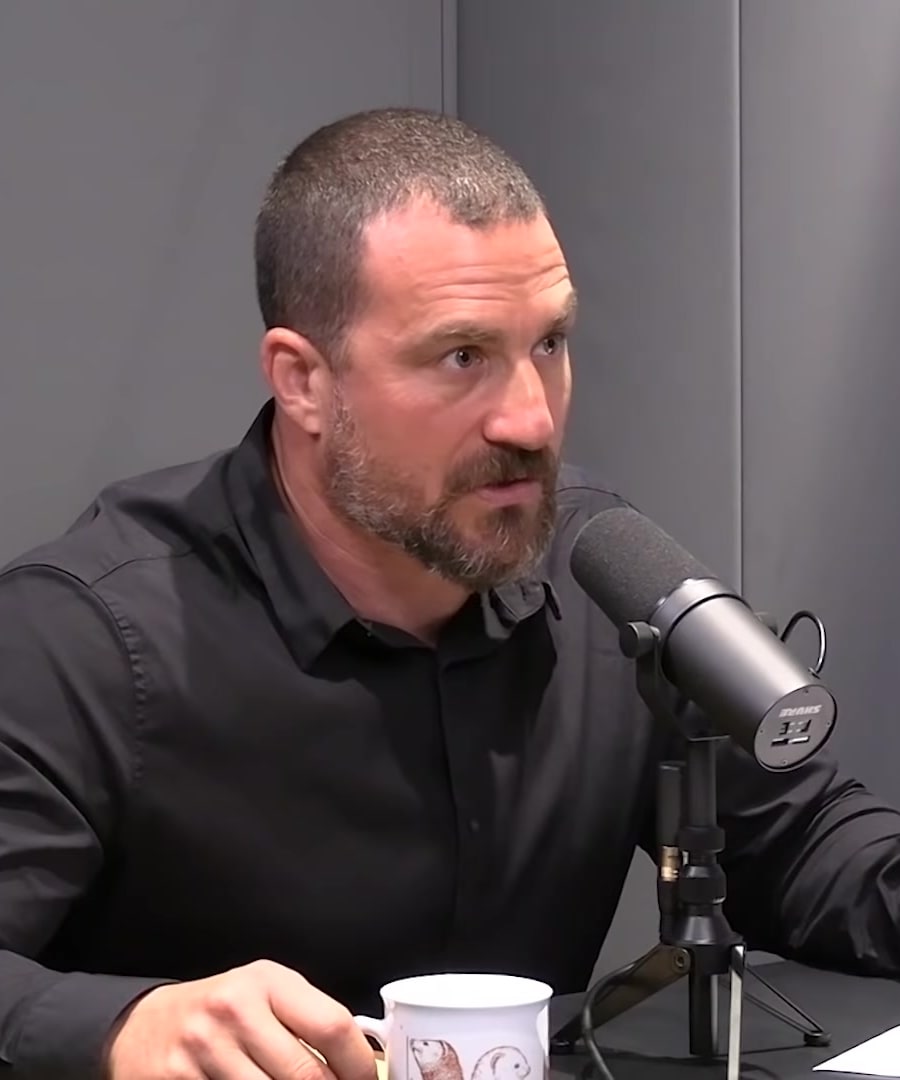
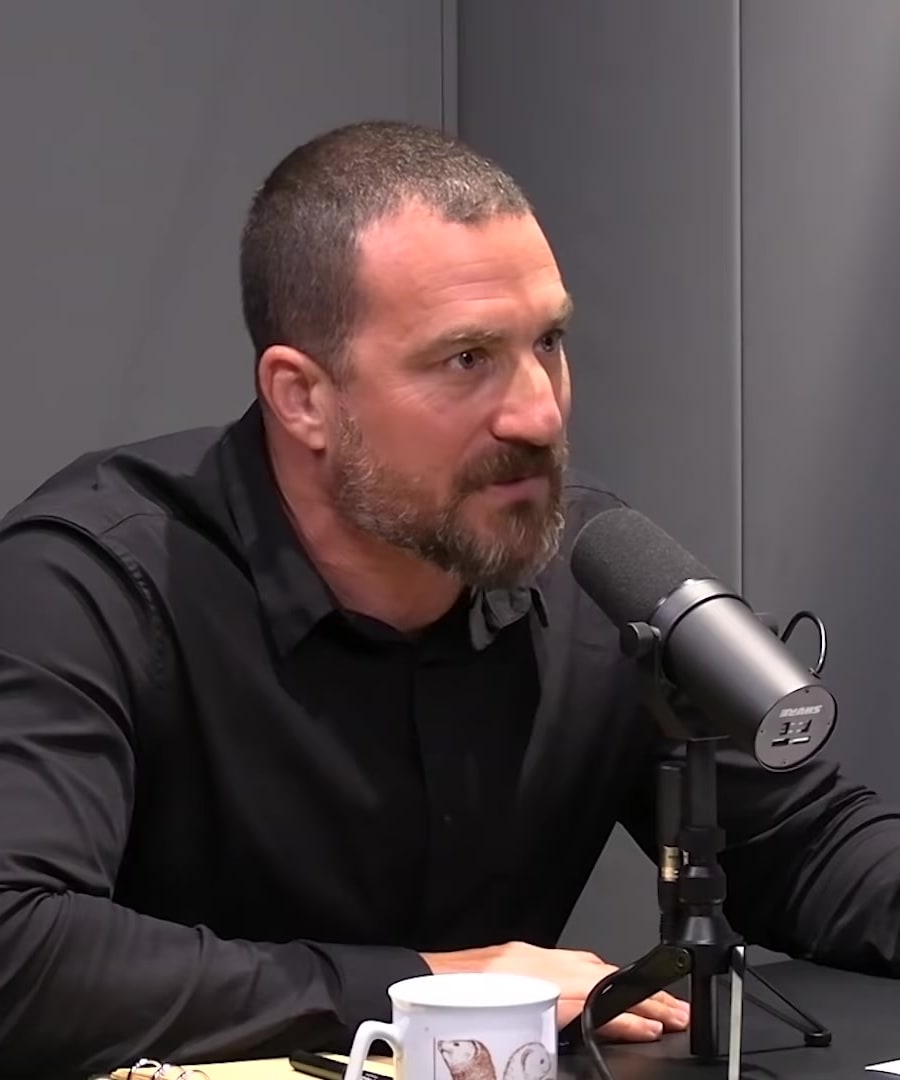
Questions from this episode
- Asked by 1,205 people
- Asked by 101 people
- Asked by 96 people
- Asked by 62 people
- Asked by 60 people
- Asked by 60 people
- Asked by 47 people
- Asked by 43 people
- Asked by 32 people
- Asked by 29 people
- Asked by 29 people
- Asked by 27 people
- Asked by 21 people
- Asked by 18 people
Episode Highlights
Depression Symptoms
Understanding depression involves recognizing its complex symptoms, such as hopelessness and changes in sleep and eating patterns. emphasizes the importance of identifying these vegetative signs, which vary among individuals, to diagnose depression accurately 1. He also highlights the potential of technology in early detection, suggesting that devices could help individuals recognize depressive episodes through behavioral changes 2. This approach empowers patients by giving them agency over their mental health.
Sometimes other people observing them can give them the earliest warning signs of depression.
---
notes that early morning awakening is a common early indicator of depression, which can prompt individuals to seek treatment 2.
Schizophrenia
Treating schizophrenia presents significant challenges due to the complexity of its symptoms and the side effects of effective medications. discusses the role of antipsychotics like Clozapine, which, despite their efficacy in alleviating symptoms like auditory hallucinations, come with severe side effects 3. He stresses the need for basic science to advance our understanding of social interaction deficits in autism, which could inform better treatments for schizophrenia 4.
The most effective antipsychotic is something called Clozapine, which has unquestionably the most side effects.
---
adds that understanding the brain circuits involved in these disorders is crucial for developing more precise treatments 4.
ADHD Insights
ADHD diagnosis and treatment are evolving with advancements in technology and understanding of behavioral patterns. explains that ADHD symptoms must be consistent across different life domains to confirm a diagnosis, and mentions the potential of EEG-based diagnostics to improve accuracy 5. He also explores the impact of modern digital distractions, suggesting that behaviors like frequent phone checking might mimic ADHD symptoms but do not qualify as a psychiatric disorder 6.
We don't diagnose something unless it's disrupting what we call social or occupational functioning.
---
Andrew Huberman6.
Related Episodes

Understanding & Conquering Depression | Huberman Lab Podcast #34
Answers 383 questionsThe Science & Treatment of Bipolar Disorder | Huberman Lab Podcast #82
Answers 383 questionsHow to Optimize Your Brain-Body Function & Health | Huberman Lab Podcast #30
Answers 383 questions
Dr. David Berson: Your Brain's Logic & Function | Huberman Lab Podcast #50
Answers 383 questionsControl Pain & Heal Faster with Your Brain | Huberman Lab Podcast #9
Answers 383 questionsTools for Managing Stress & Anxiety | Huberman Lab Podcast #10
Answers 383 questionsHow Your Nervous System Works & Changes | Huberman Lab Podcast #1
Answers 383 questionsThe Science & Process of Healing from Grief | Huberman Lab Podcast #74
Answers 383 questionsHow to Focus to Change Your Brain | Huberman Lab Podcast #6
Answers 383 questions