Dr. Natalie Crawford: Female Hormone Health, Fertility & Vitality

Topics covered
Popular Clips
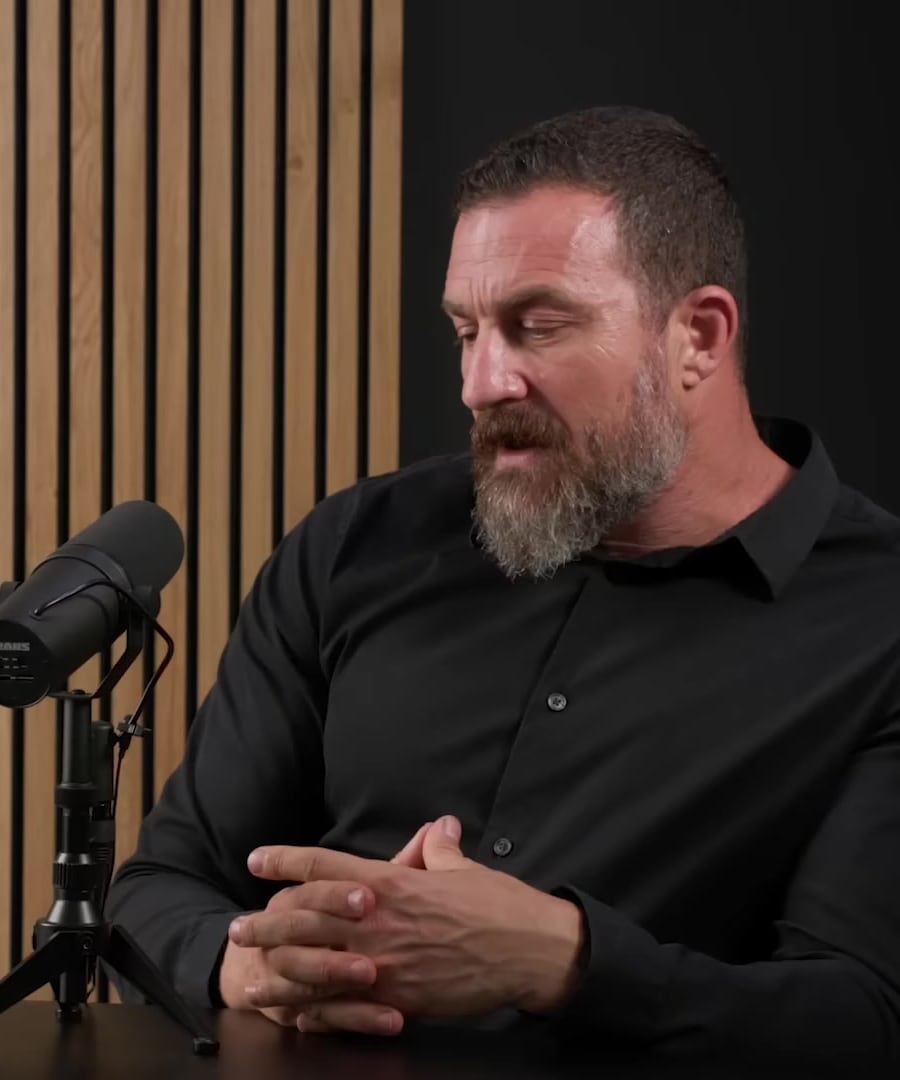
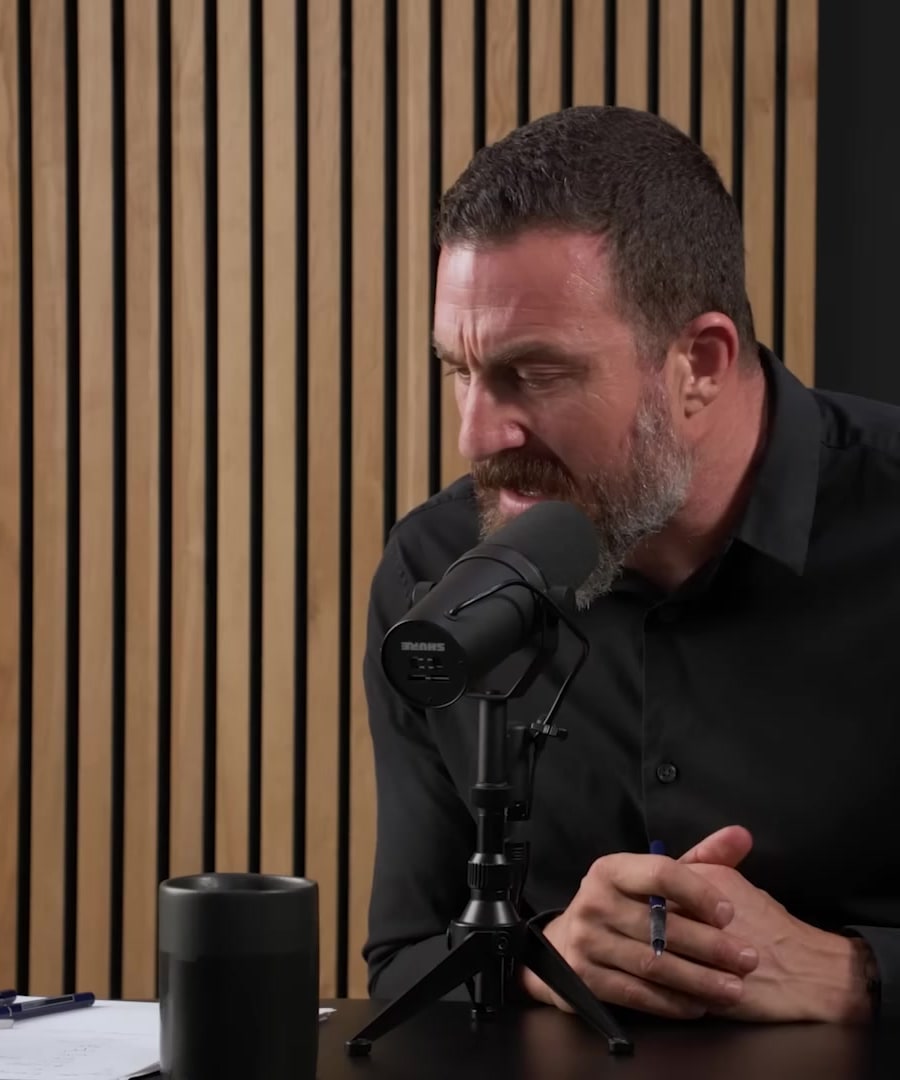
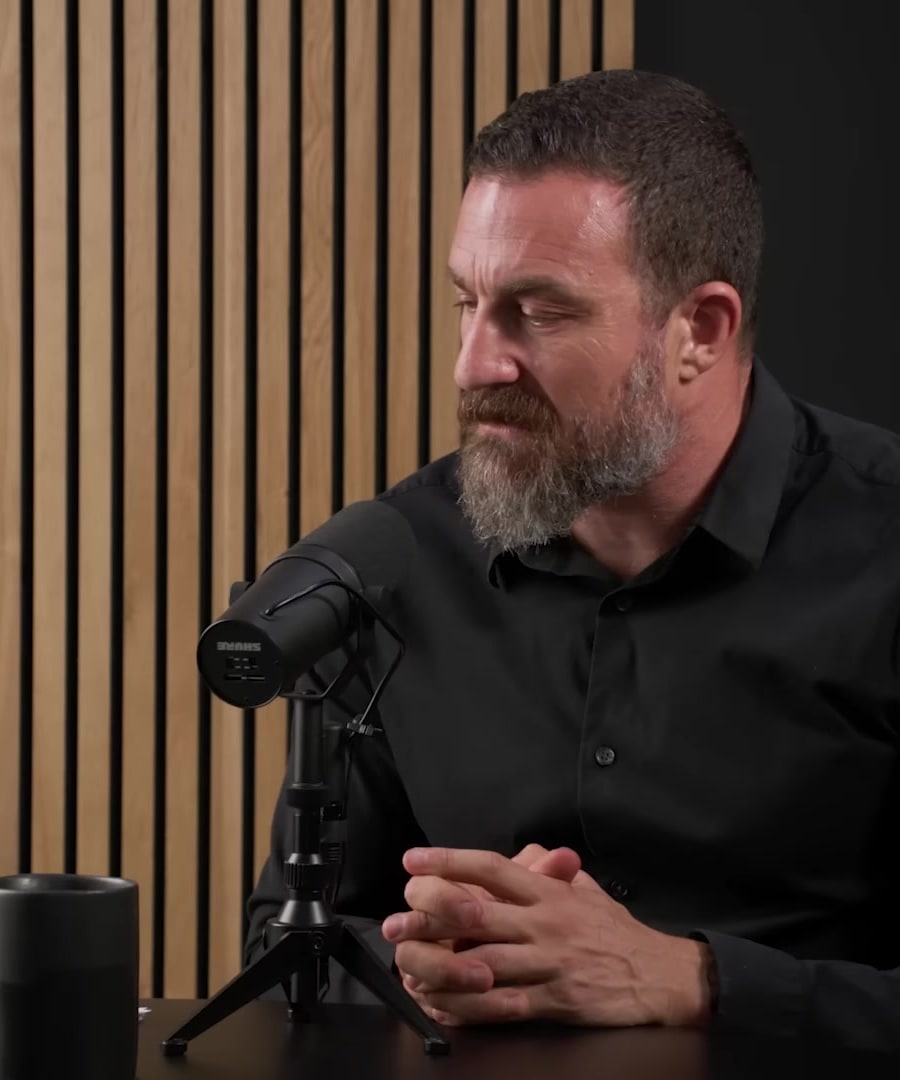
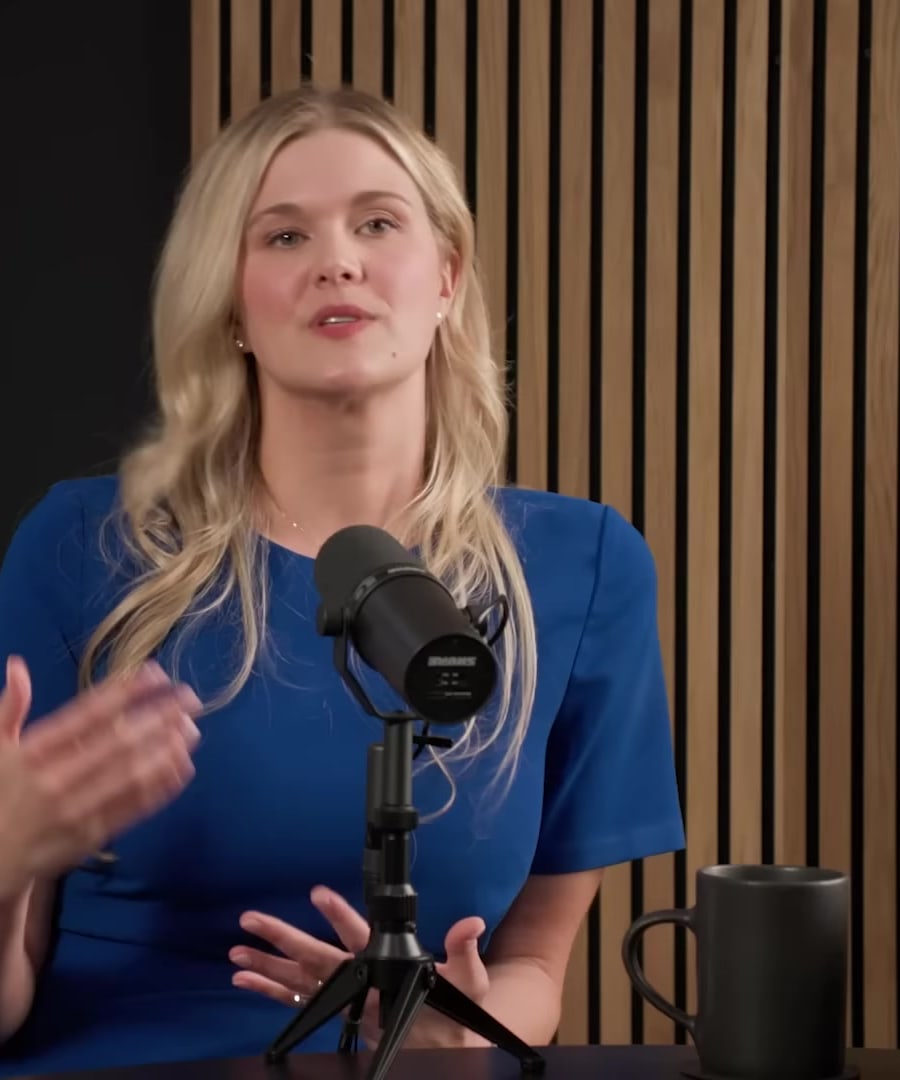

Episode Highlights
IVF Evolution
In vitro fertilization (IVF) has evolved significantly, improving neonatal outcomes by shifting from fresh to frozen embryo transfers. explains that fresh transfers were associated with high hormonal environments, leading to issues like growth restriction and preterm birth. Now, frozen transfers allow for a more natural uterine environment, enhancing fetal outcomes 1. Despite advancements, IVF still carries a slightly higher risk of birth defects and developmental disorders, often linked to underlying infertility issues rather than the procedure itself 2. highlights the importance of understanding these nuances, as misconceptions about IVF and autism persist 2.
The lore out there is that higher incidence of autism in IVF babies, but it sounds like a good percentage of those could be because of age related factors as well as technology related factors.
---
Understanding these factors helps clarify the real risks and benefits of IVF, emphasizing the role of age and technology in outcomes 1.
Egg Freezing & ICSI
Egg freezing and IVF share similar initial procedures, but differ in post-harvest processes. describes how egg freezing involves suppressing and then stimulating the ovaries to harvest eggs, which are then frozen for future use 3. This method preserves fertility without diminishing the ovarian reserve, offering a viable option for those planning future pregnancies 4. Intracytoplasmic Sperm Injection (ICSI) is often used in conjunction with IVF to enhance fertilization success by injecting a single sperm directly into an egg 5.
ICSI has, in a lot of those original IVF studies, got some of the bad reputation of being the problem with why you might see that 1% rise of birth defects.
---
Despite past concerns, ICSI is now a standard practice, improving outcomes for many patients by addressing fertilization challenges 5.
ICSI Benefits
ICSI offers significant advantages for those facing fertility challenges, particularly when using donor sperm or dealing with conditions like PCOS. notes that ICSI can improve success rates compared to intrauterine insemination (IUI), making it a preferred choice for many 6. The process involves selecting the best sperm based on morphology and motility, which enhances the chances of successful fertilization and embryo development 7.
ICSI is taking a sperm that under the microscope looks normal in shape and moves well, and you're pulling it up into a little needle and you're essentially using a little laser on the side of the egg.
---
This meticulous approach helps reduce the number of failed transfers and miscarriages, offering a more efficient path to pregnancy for many couples 7.
Related Episodes

How to Optimize Fertility in Males & Females | Huberman Lab Podcast
Answers 383 questions
Dr. Michael Eisenberg: Improving Male Sexual Health, Function & Fertility
Answers 383 questions
Dr. Kyle Gillett: Tools for Hormone Optimization in Males | Huberman Lab Podcast 102
Answers 383 questions
Dr. Shanna Swan: How to Safeguard Your Hormone Health & Fertility
Answers 383 questions
Dr. Rhonda Patrick: Micronutrients for Health & Longevity | Huberman Lab Podcast #70
Answers 383 questions