Rick Rubin: How to Access Your Creativity | Huberman Lab Podcast

Topics covered
Popular Clips

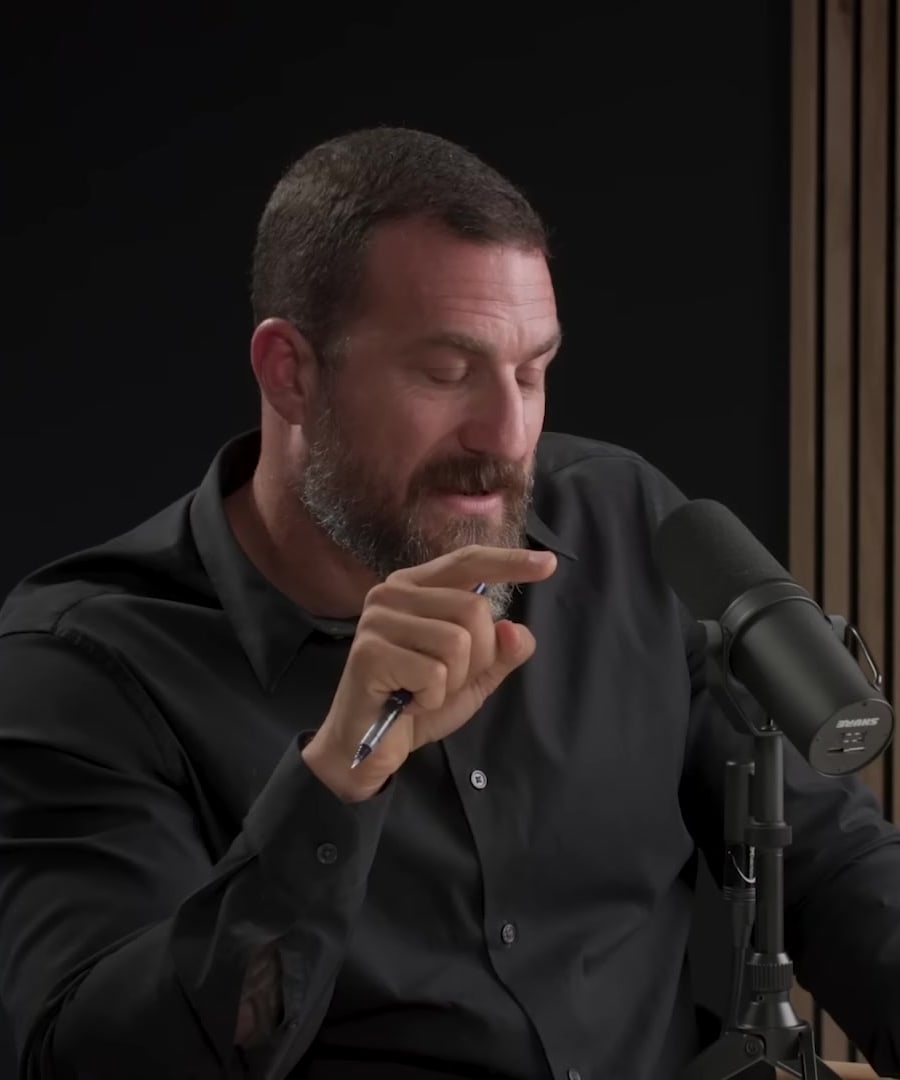
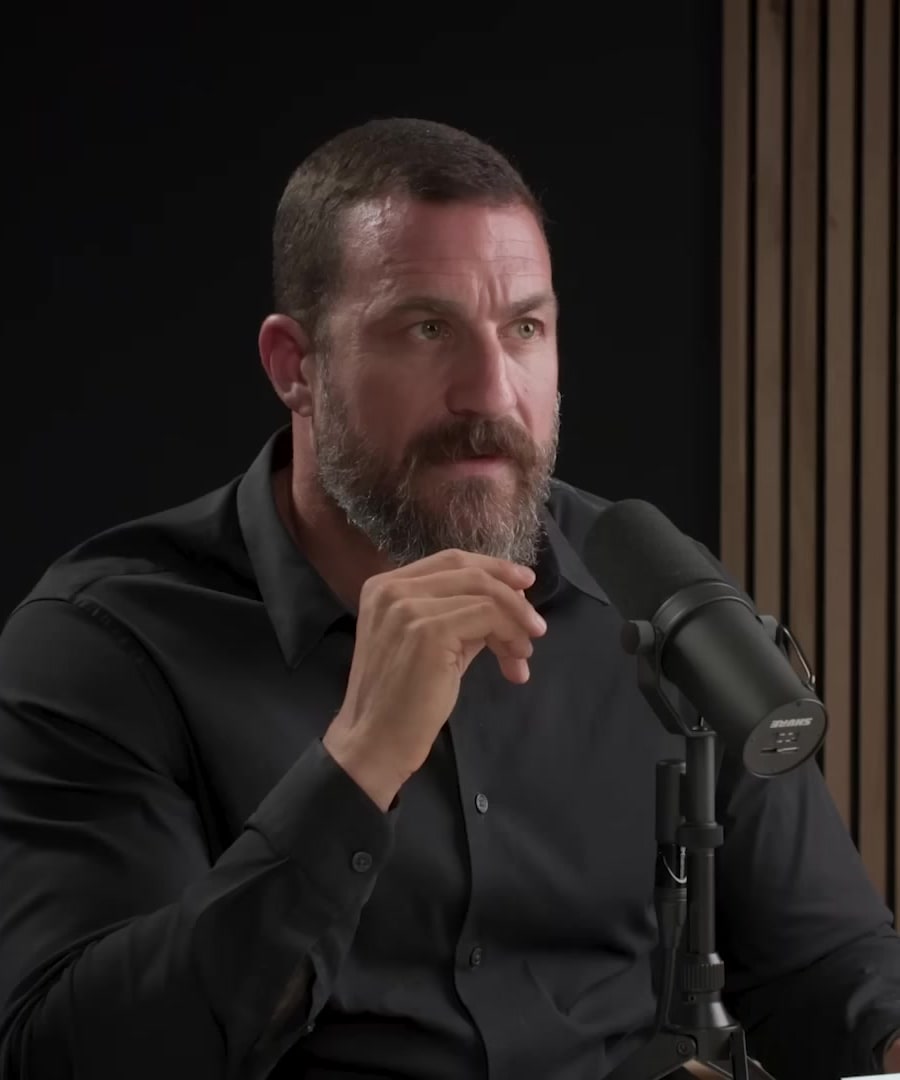
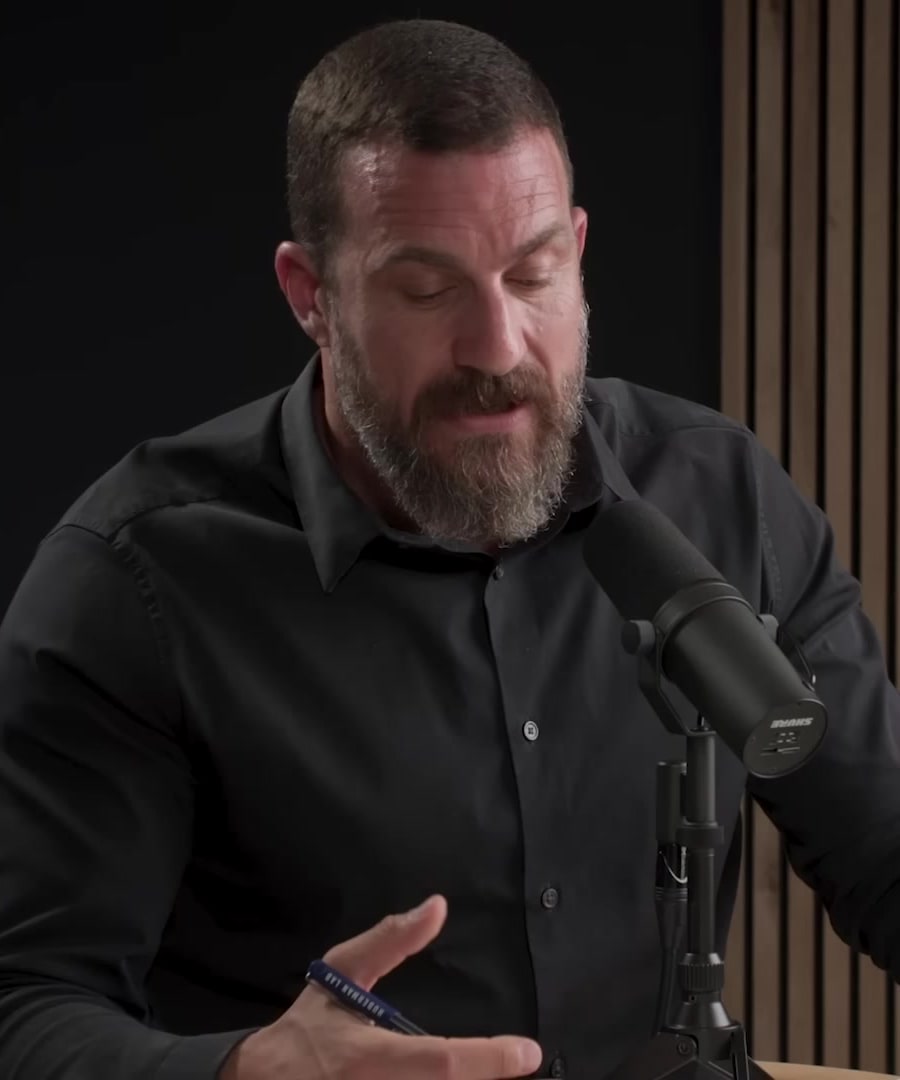
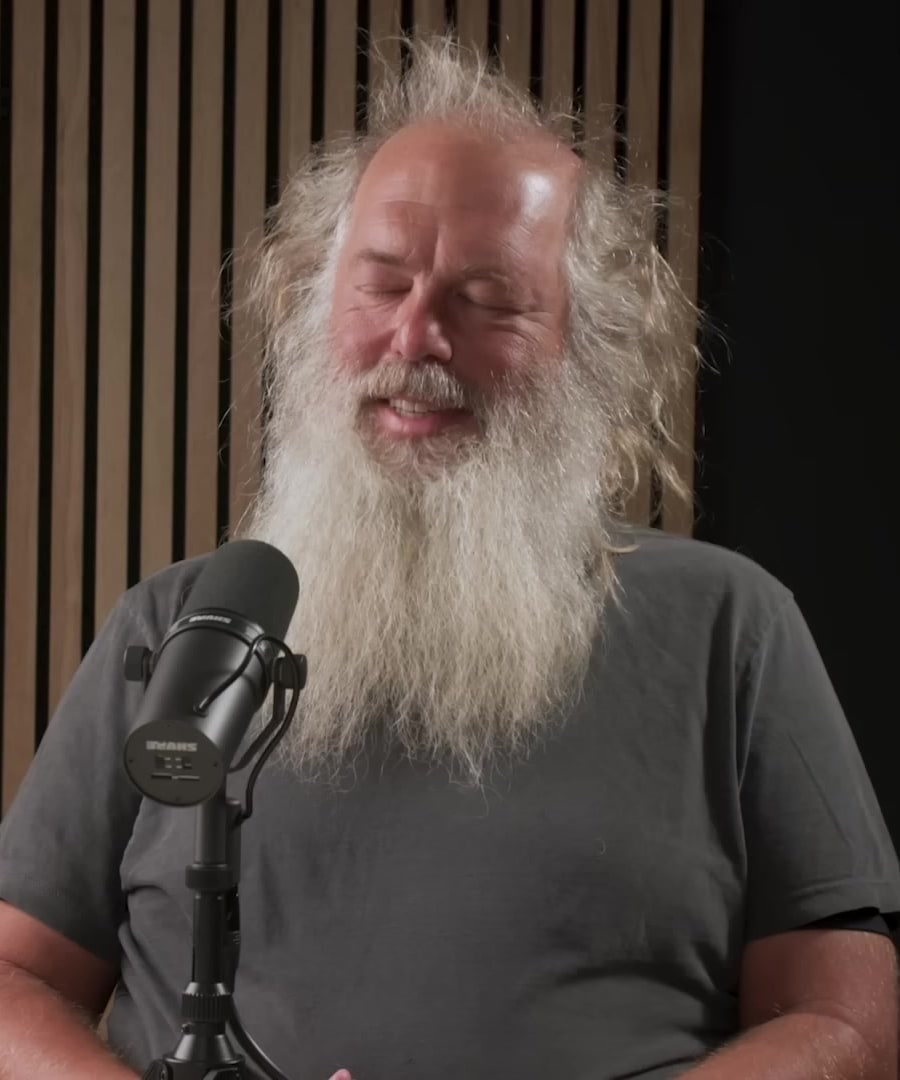
Questions from this episode
- Asked by 1,204 people
- Asked by 378 people
- Asked by 230 people
- Asked by 172 people
- Asked by 101 people
- Asked by 92 people
- Asked by 86 people
- Asked by 69 people
- Asked by 67 people
- Asked by 60 people
- Asked by 60 people
- Asked by 60 people
- Asked by 53 people
- Asked by 48 people
- Asked by 47 people
Episode Highlights
Creative Phases
Rick Rubin shares insights into the phases of creativity, emphasizing the importance of seed collection, experimentation, crafting, and completion. He explains that while deadlines can hinder the experimental phase, they can be beneficial during the completion phase, helping to finalize projects without compromising quality 1. Rubin notes that creativity is not a linear process, and one often moves back and forth between phases, collecting seeds of inspiration continuously 2.
I'm always in phase one. And then probably to some degree, there's always some version of experimentation going on.
---
This approach allows for flexibility and adaptation, ensuring that creativity remains dynamic and responsive to new ideas.
Decision-Making
In creative decision-making, Rick Rubin highlights the importance of remaining open to various possibilities and non-linear paths. He uses the analogy of a conveyor belt to describe how creative ideas and experiences pass by, requiring one to decide which to pursue 3. Rubin stresses that being too attached to past methods can limit creativity, as each project may require a different approach 3.
The way that I did it worked for me. Right before that happened, I did something that I was told that everyone else who did what you did, they all lost weight for whatever reason I didn't.
---
This mindset encourages adaptability and openness to new experiences, fostering a more innovative creative process.
Structure Balance
Balancing structure and fluidity is crucial in the creative process, as Rick Rubin explains. While structure, like deadlines, can provide necessary focus and motivation, too much rigidity can stifle creativity 4. Rubin advocates for total focus on a project during dedicated times, while also allowing for disengagement to refresh and gain new perspectives 5.
I dedicate all of myself for that period of time, whatever it is, whether it be 20 minutes or whether it be 5 hours, whatever it is. Total focus and no outside distraction whatsoever.
---
This balance ensures that creativity is nurtured without being overwhelmed by constraints, allowing for both depth and breadth in creative endeavors.
Related Episodes


Rick Rubin: Protocols to Access Creative Energy and Process
Answers 383 questions
Tim Ferriss: How to Learn Better & Create Your Best Future | Huberman Lab Podcast
Answers 383 questionsHow to Use Music to Boost Motivation, Mood & Improve Learning | Huberman Lab Podcast
Answers 383 questionsNutrients For Brain Health & Performance | Huberman Lab Podcast #42
Answers 383 questionsHow to Focus to Change Your Brain | Huberman Lab Podcast #6
Answers 383 questionsHow To Build Endurance In Your Brain & Body | Huberman Lab Podcast #23
Answers 383 questionsHow to Learn Skills Faster | Huberman Lab Podcast #20
Answers 383 questions