How Smell, Taste & Pheromone-Like Chemicals Control You | Huberman Lab Podcast #25

Topics covered
Popular Clips



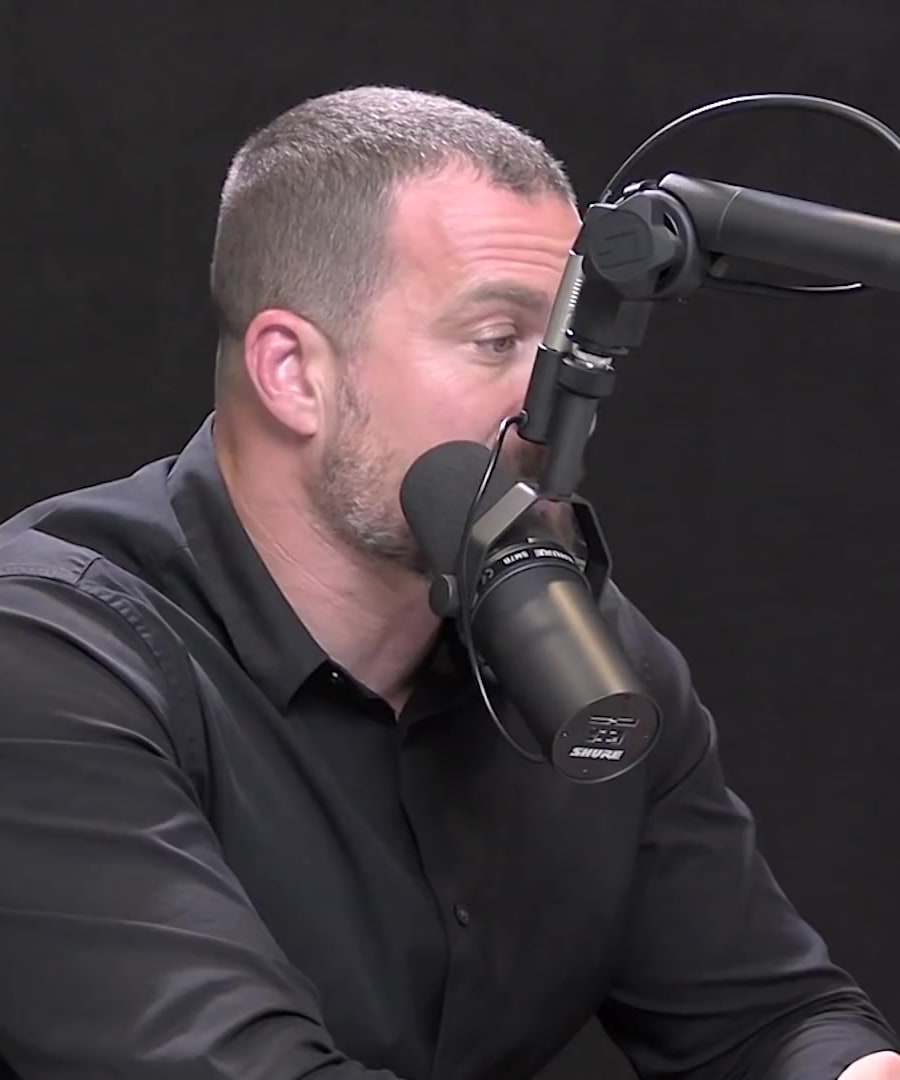











Episode Highlights
Breath & Cognition
Breathing patterns significantly influence cognitive functions, with nasal breathing enhancing alertness and learning capabilities. explains that inhaling through the nose increases brain arousal and attention, making it a powerful tool for improving focus and memory retention 1. He suggests that those struggling with attention or memory should practice nasal breathing to boost cognitive performance 2.
Sniffing itself is a powerful modulator of our cognition and our ability to learn.
---
This practice can be particularly beneficial during tasks that require intense concentration, as it primes the brain for optimal learning and information retention.
Scent & Alertness
Specific scents can trigger alertness and cognitive arousal, with peppermint and ammonia being notable examples. highlights that these scents activate olfactory neurons linked to the brain's arousal centers, such as the amygdala, enhancing attention and alertness 3. While smelling salts, which contain ammonia, can provide an intense wake-up effect, they should be used cautiously due to potential risks 4.
Scents like peppermint... trigger specific olfactory neurons that communicate with the specific centers of the brain.
---
For those interested in exploring these effects, Huberman recommends consulting scientific literature to understand the implications and safe usage of such stimuli 5.
Related Episodes

How to Control Your Sense of Pain & Pleasure | Huberman Lab Podcast #32
Answers 383 questionsHow Your Nervous System Works & Changes | Huberman Lab Podcast #1
Answers 383 questionsHow Our Hormones Control Our Hunger, Eating & Satiety | Huberman Lab Podcast #16
Answers 383 questionsHow Foods and Nutrients Control Our Moods | Huberman Lab Podcast #11
Answers 383 questionsThe Science of How to Optimize Testosterone & Estrogen | Huberman Lab Podcast #15
Answers 383 questionsHow to Optimize Your Brain-Body Function & Health | Huberman Lab Podcast #30
Answers 383 questions
The Chemistry of Food & Taste | Dr. Harold McGee
Answers 383 questionsThe Science of Love, Desire and Attachment | Huberman Lab Podcast #59
Answers 383 questionsThe Science of Emotions & Relationships | Huberman Lab Podcast #13
Answers 383 questionsUsing Salt to Optimize Mental & Physical Performance | Huberman Lab Podcast #63
Answers 383 questionsThe Science of Hearing, Balance & Accelerated Learning | Huberman Lab Podcast #27
Answers 383 questionsThe Science of Vision, Eye Health & Seeing Better | Huberman Lab Podcast #24
Answers 383 questions