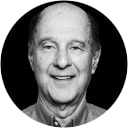
David Kennedy on the Great Depression and the New Deal
Topics covered
Popular Clips

Episode Highlights
New Deal Coalition
Franklin Roosevelt's New Deal coalition was a masterstroke in political strategy, uniting diverse groups under the Democratic Party. explains how Roosevelt mobilized labor unions and ethnic communities, particularly Catholics and Jews, to form a long-lasting political alliance 1. This coalition dominated U.S. politics for decades, with Roosevelt's strategic appointments and policies ensuring loyalty to the Democratic Party.
Roosevelt understood that here was a constituency or a potential constituency that he could mobilize politically and attach to the Democratic party for at least another generation.
---
The coalition's impact was profound, shifting the political landscape and influencing future Democratic strategies 2.
Strategic Appointments
Roosevelt's strategic appointments were pivotal in consolidating support across various demographics. highlights how Roosevelt appointed over 50 Catholics to the federal bench in his first eight years, a stark contrast to his Republican predecessors 1. This deliberate outreach to immigrant communities strengthened their loyalty to the Democratic Party.
He was deliberately reaching out to those communities, these immigrant communities especially, and cultivating their loyalty.
---
Additionally, Roosevelt's administration began turning the African American vote towards the Democrats, a significant shift from their historical alignment with the Republican Party 2.
Related Episodes

Understanding & Conquering Depression | Huberman Lab Podcast #34
Answers 383 questions
Dr. David Yeager: How to Master Growth Mindset to Improve Performance
Answers 383 questions
David Goggins: How to Build Immense Inner Strength
Answers 383 questionsAMA #8: Balancing Caffeine, Decision Fatigue & Social Isolation
Answers 383 questions
Dr. Karl Deisseroth: Understanding & Healing the Mind | Huberman Lab Podcast #26
Answers 383 questionsAMA #15: Fluoride Benefits/Risks & Vagus Nerve Stimulation
Answers 383 questionsThe Science & Treatment of Bipolar Disorder | Huberman Lab Podcast #82
Answers 383 questions
Dr. David Berson: Your Brain's Logic & Function | Huberman Lab Podcast #50
Answers 383 questions