

How to Learn Skills Faster | Huberman Lab Podcast #20

Topics covered
Popular Clips
Questions from this episode
- Asked by 1,209 people
- Asked by 231 people
- Asked by 172 people
- Asked by 133 people
- Asked by 120 people
- Asked by 92 people
- Asked by 92 people
- Asked by 73 people
- Asked by 73 people
- Asked by 62 people
- Asked by 61 people
- Asked by 60 people
- Asked by 57 people
- Asked by 50 people
- Asked by 50 people
Episode Highlights
Neural Mechanisms
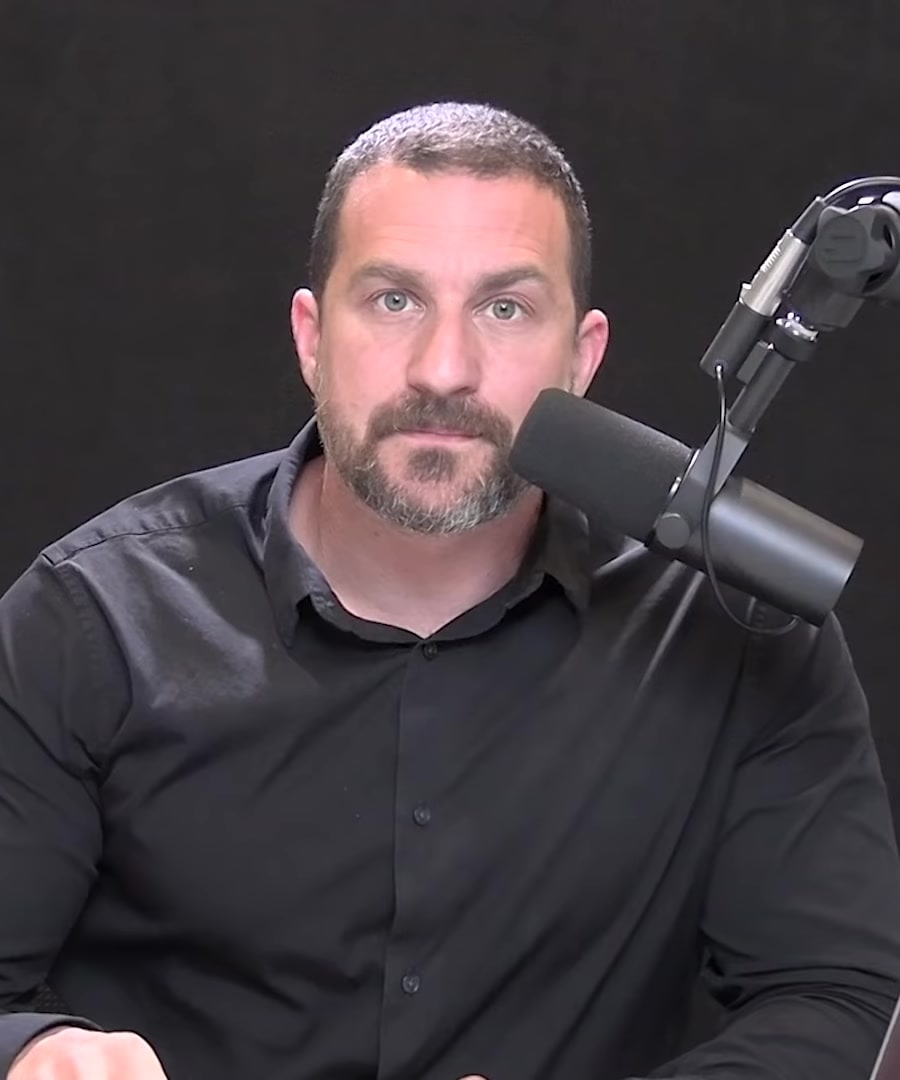
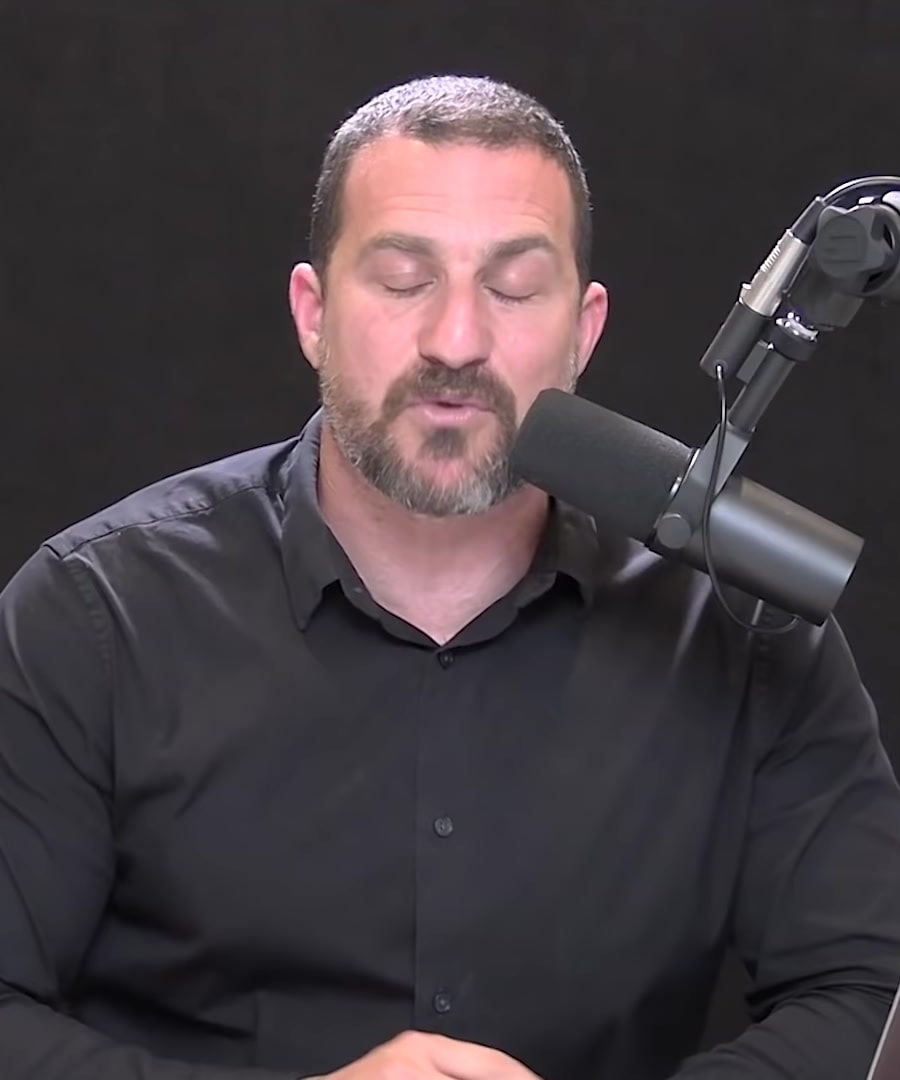
Understanding the neural mechanisms involved in skill learning is crucial for effective acquisition. explains that lower motor neurons in the spinal cord are responsible for muscle activation, while upper motor neurons communicate with central pattern generators (CPGs) to control rhythmic movements 1. These CPGs, located in the spinal cord, manage repetitive actions like walking or cycling, even in the absence of higher brain functions 2. Huberman emphasizes the importance of sensory perception, movement, and proprioception in skill learning, noting that proprioception allows us to sense limb positioning subconsciously 3.
CPGs are amazing, and they control a lot of our already learned behavior. When you're really good at something, CPGs are controlling a lot of that behavior.
---
These insights underscore the complexity and efficiency of our nervous system in mastering skills.
Open vs. Closed-Loop
Skill acquisition can be categorized into open-loop and closed-loop processes, each with distinct characteristics. describes open-loop skills as those where feedback is received after the action, such as throwing darts, while closed-loop skills involve continuous feedback, like adjusting stride during a run 4. Recognizing whether a skill is open or closed-loop is essential for optimizing learning strategies. Huberman also highlights the role of post-training mental rehearsal, where the brain replays sequences to consolidate motor skills more rapidly 5.
You should always know before you try and learn a skill, whether or not it's open loop or closed loop.
---
This understanding aids in tailoring practice sessions to enhance skill development effectively.
Related Episodes

Tim Ferriss: How to Learn Better & Create Your Best Future | Huberman Lab Podcast
Answers 383 questionsHow to Focus to Change Your Brain | Huberman Lab Podcast #6
Answers 383 questionsUsing Failures, Movement & Balance to Learn Faster | Huberman Lab Podcast #7
Answers 383 questionsThe Science of Hearing, Balance & Accelerated Learning | Huberman Lab Podcast #27
Answers 383 questionsUnderstand & Improve Memory Using Science-Based Tools | Huberman Lab Podcast #72
Answers 383 questionsHow To Build Endurance In Your Brain & Body | Huberman Lab Podcast #23
Answers 383 questionsTools for Managing Stress & Anxiety | Huberman Lab Podcast #10
Answers 383 questionsThe Science of Making & Breaking Habits | Huberman Lab Podcast #53
Answers 383 questionsHow Your Nervous System Works & Changes | Huberman Lab Podcast #1
Answers 383 questionsThe Science of Setting & Achieving Goals | Huberman Lab Podcast #55
Answers 383 questions