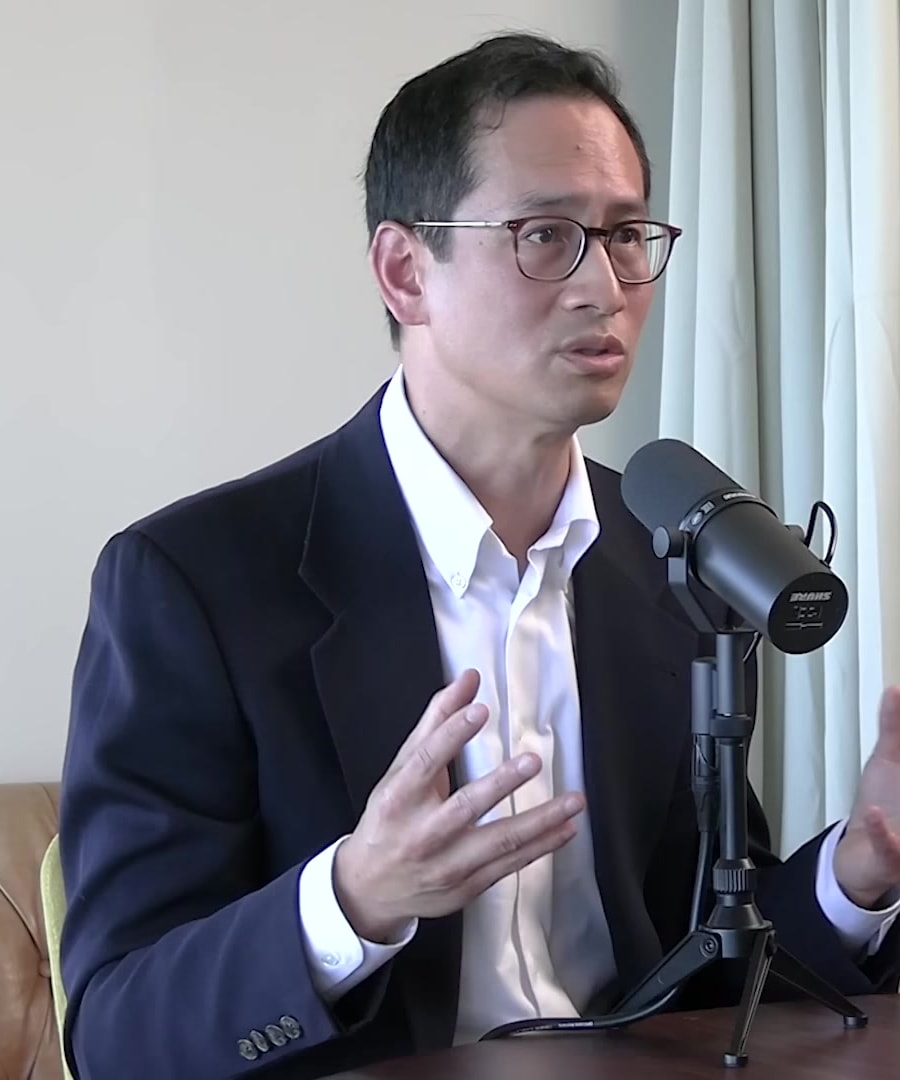
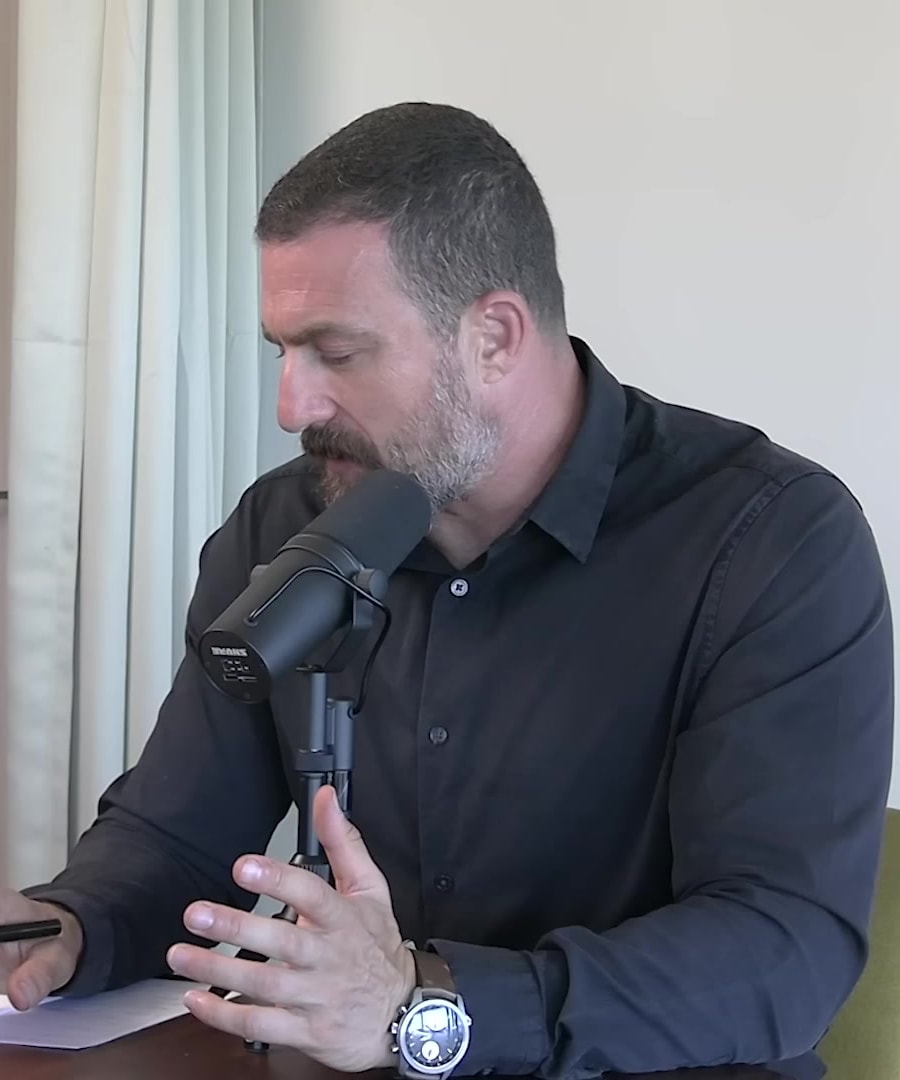
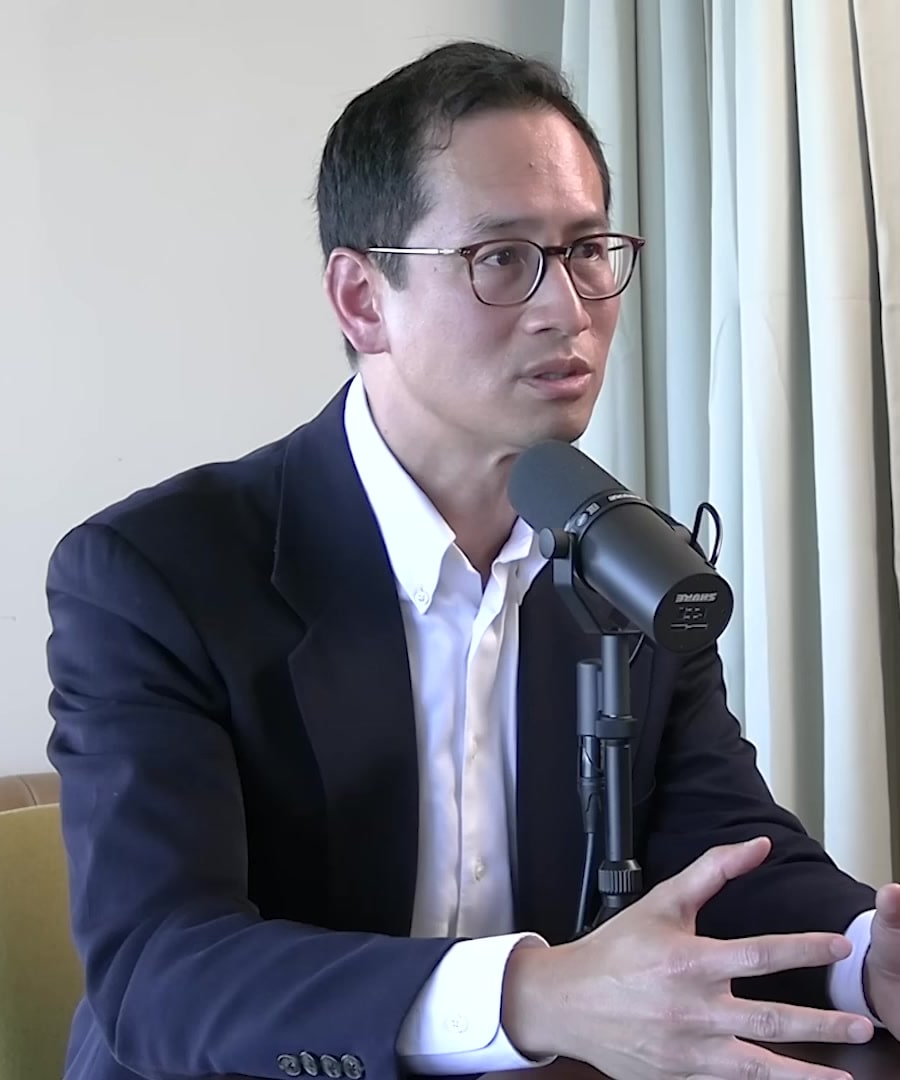
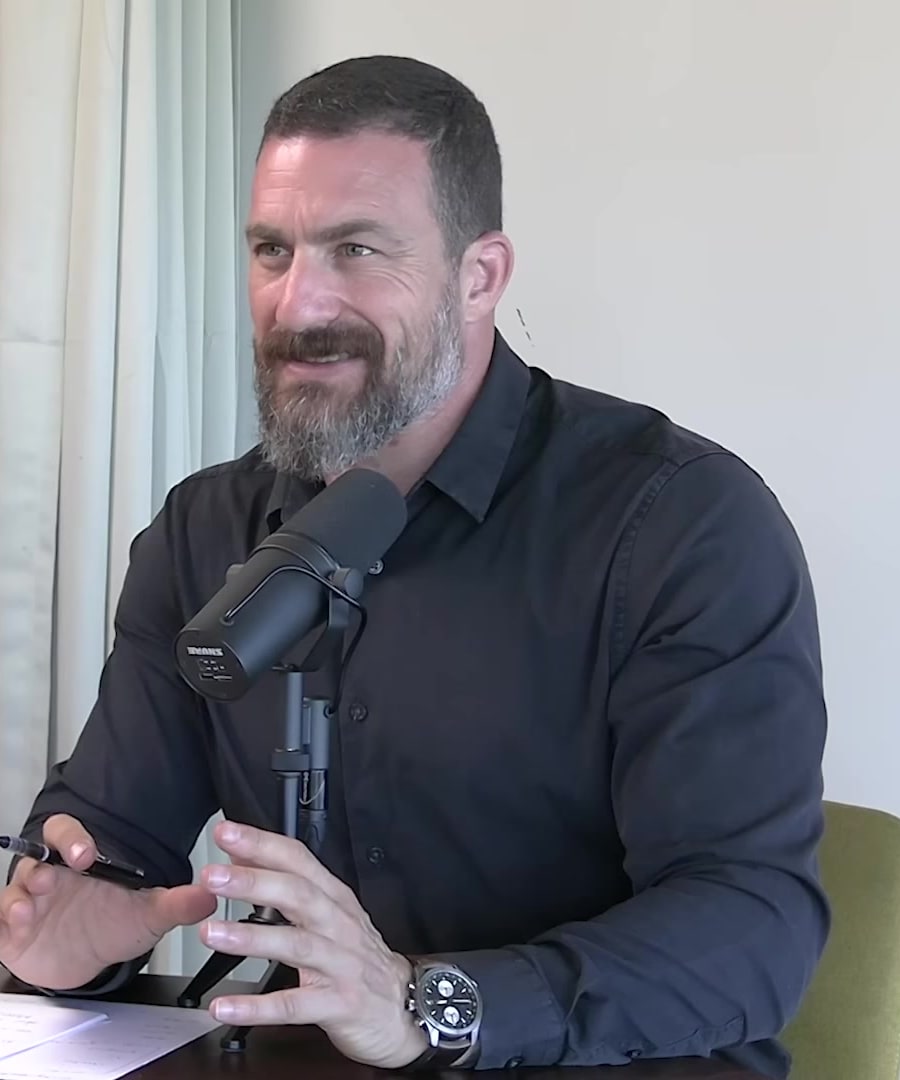
Dr. Eddie Chang: The Science of Learning & Speaking Languages | Huberman Lab Podcast #95

Topics covered
Popular Clips
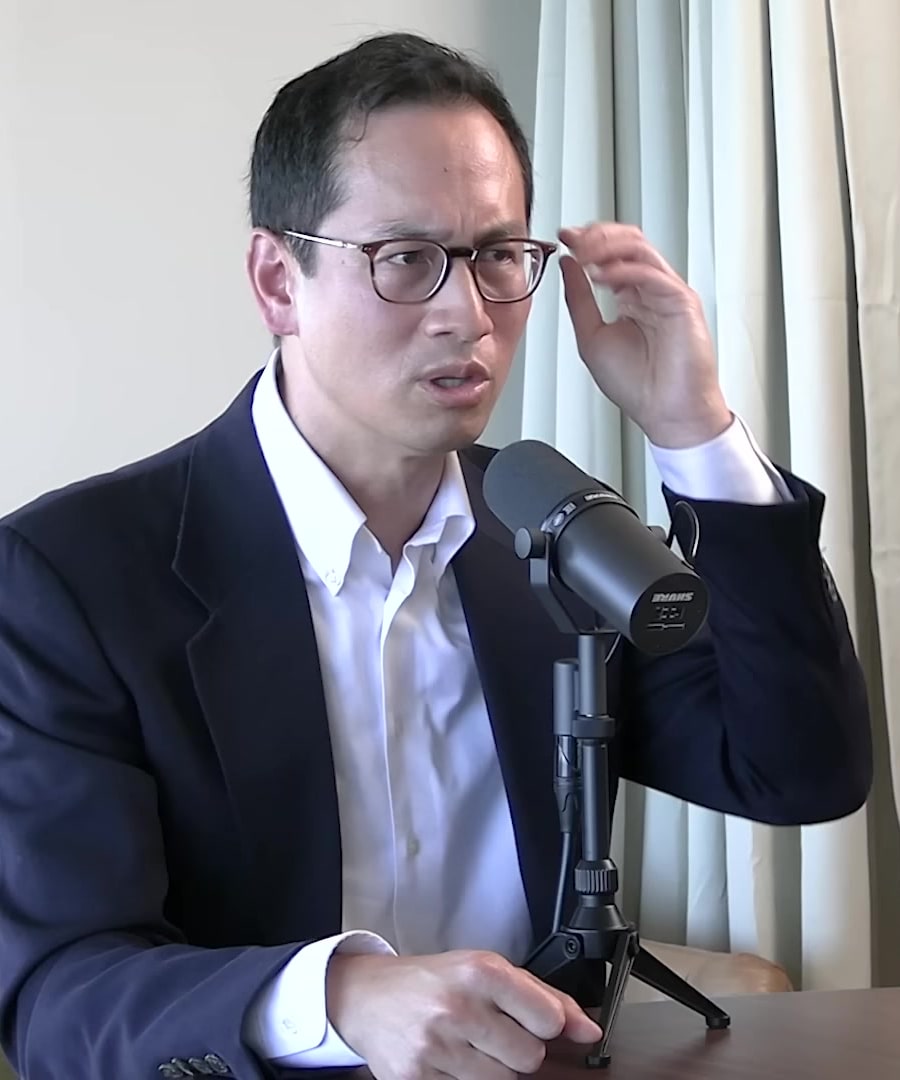
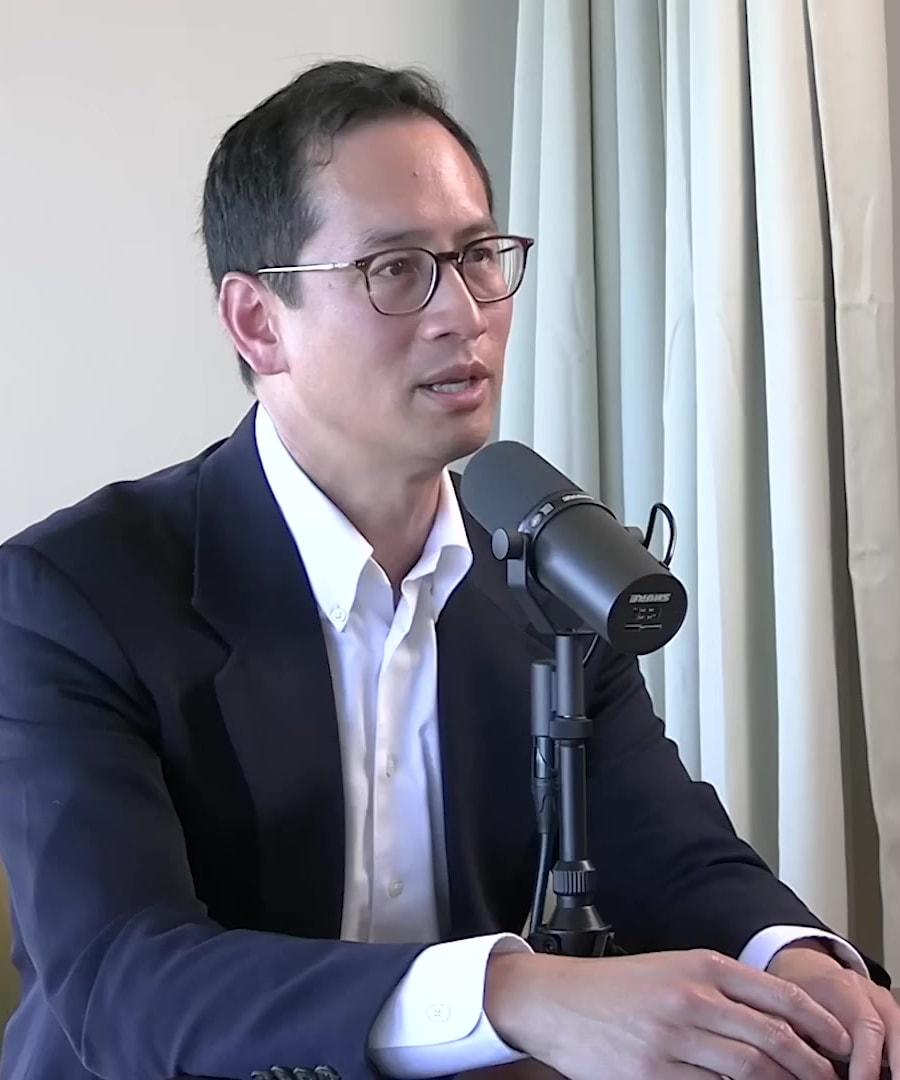
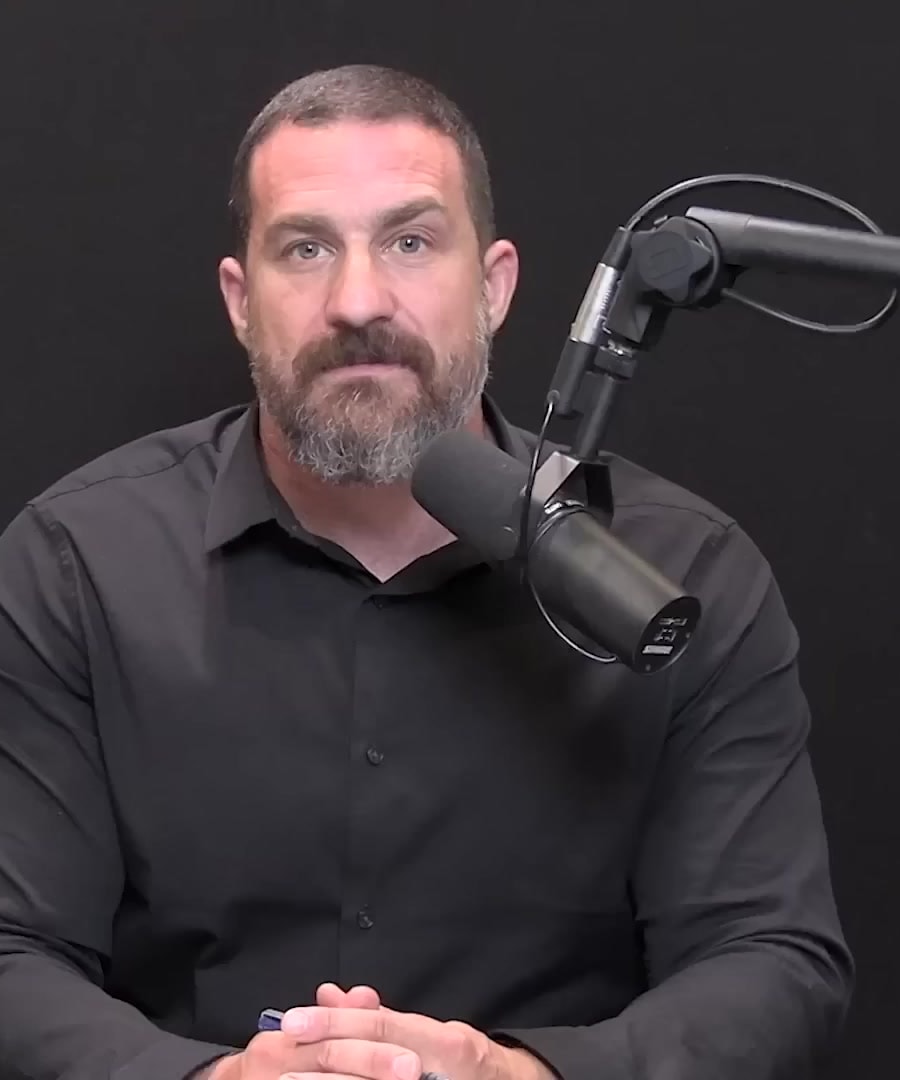

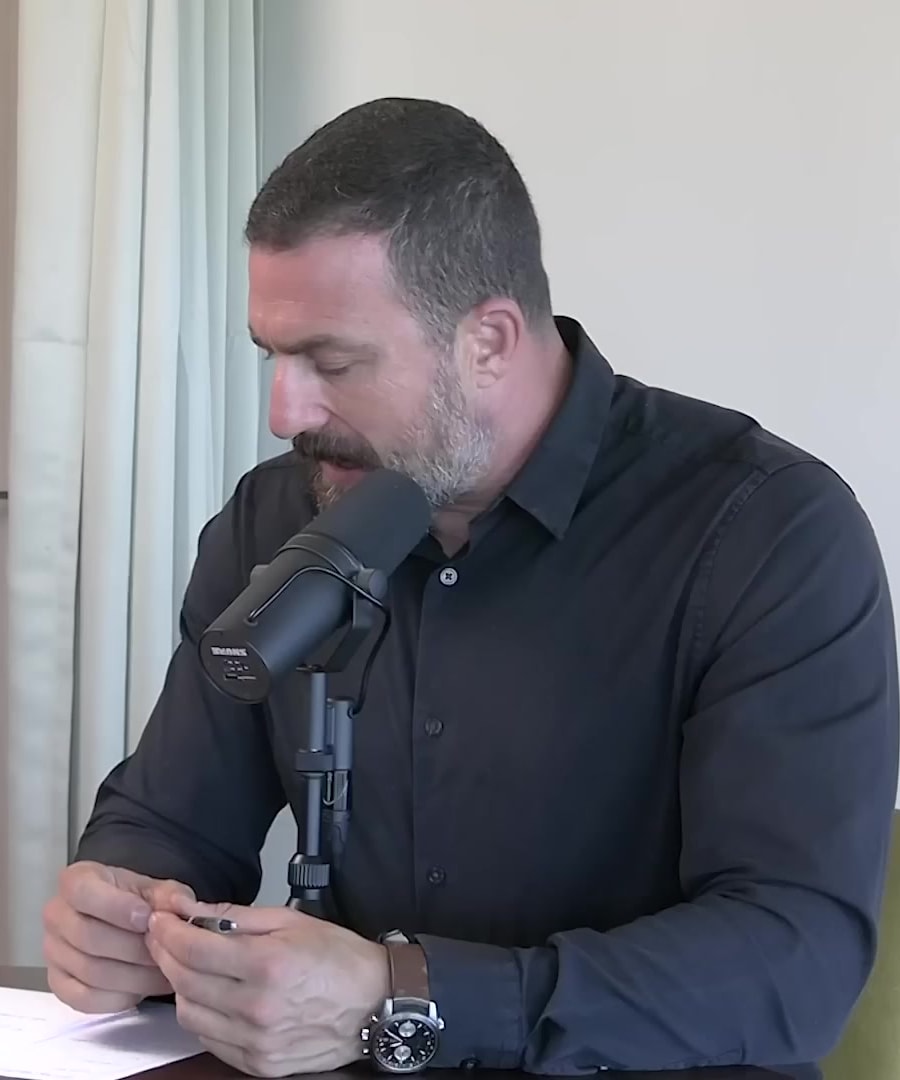
Questions from this episode
- Asked by 1,203 people
- Asked by 230 people
- Asked by 172 people
- Asked by 92 people
- Asked by 86 people
- Asked by 74 people
- Asked by 60 people
- Asked by 42 people
- Asked by 37 people
- Asked by 35 people
- Asked by 35 people
- Asked by 27 people
- Asked by 27 people
Episode Highlights
Epilepsy & Emotions
Epilepsy's impact on emotions is profound, often mimicking other neuropsychiatric conditions. shares a case where a young woman was misdiagnosed with anxiety, only to discover her symptoms were due to seizures activating the amygdala, a brain region linked to emotions 1. This highlights the complexity of diagnosing epilepsy, as seizures can manifest in various forms, including absence seizures, which temporarily disconnect consciousness without obvious physical signs 2. Emotional responses can also be triggered by stimulating specific brain areas, such as the orbital frontal cortex, which can reduce stress when activated 3.
The brain has different functions and these different nodes that help process the way we feel.
---
Understanding these nuances is crucial for accurate diagnosis and treatment.
Treatment Options
Modern treatment options for epilepsy include medications, surgery, and dietary interventions like the ketogenic diet. and discuss how medications can control seizures for many, but about a third of patients require additional interventions, such as surgery or brain stimulators 4. The ketogenic diet, originally used for pediatric epilepsy, can be life-changing for some, though its effectiveness varies 5. These advancements highlight the importance of personalized treatment plans, as each patient's response to therapy can differ significantly.
For some people, just like with some medications, it can be a life-changing thing.
---
Continued research and innovation are essential to improving outcomes for those with epilepsy.
Brain Mapping
Mapping brain areas involved in epilepsy is crucial for understanding and treating the condition. describes the process of brain mapping during awake surgeries, where specific regions are stimulated to observe their effects on speech and movement 6. This technique helps identify critical areas to avoid during surgery, ensuring essential functions are preserved. Traditional views of brain areas like Broca's and Wernicke's, responsible for speech production and comprehension, are being challenged by new findings that suggest a more complex organization 7.
It's a constant reminder of this really special thing that the brain does was compute.
---
These insights are reshaping our understanding of the brain's role in language and epilepsy.
Related Episodes

How to Focus to Change Your Brain | Huberman Lab Podcast #6
Answers 383 questionsThe Science of Hearing, Balance & Accelerated Learning | Huberman Lab Podcast #27
Answers 383 questions
Dr. David Berson: Your Brain's Logic & Function | Huberman Lab Podcast #50
Answers 383 questionsUnderstand & Improve Memory Using Science-Based Tools | Huberman Lab Podcast #72
Answers 383 questionsThe Science of Making & Breaking Habits | Huberman Lab Podcast #53
Answers 383 questionsHow Your Nervous System Works & Changes | Huberman Lab Podcast #1
Answers 383 questions
Dr. Karl Deisseroth: Understanding & Healing the Mind | Huberman Lab Podcast #26
Answers 383 questions