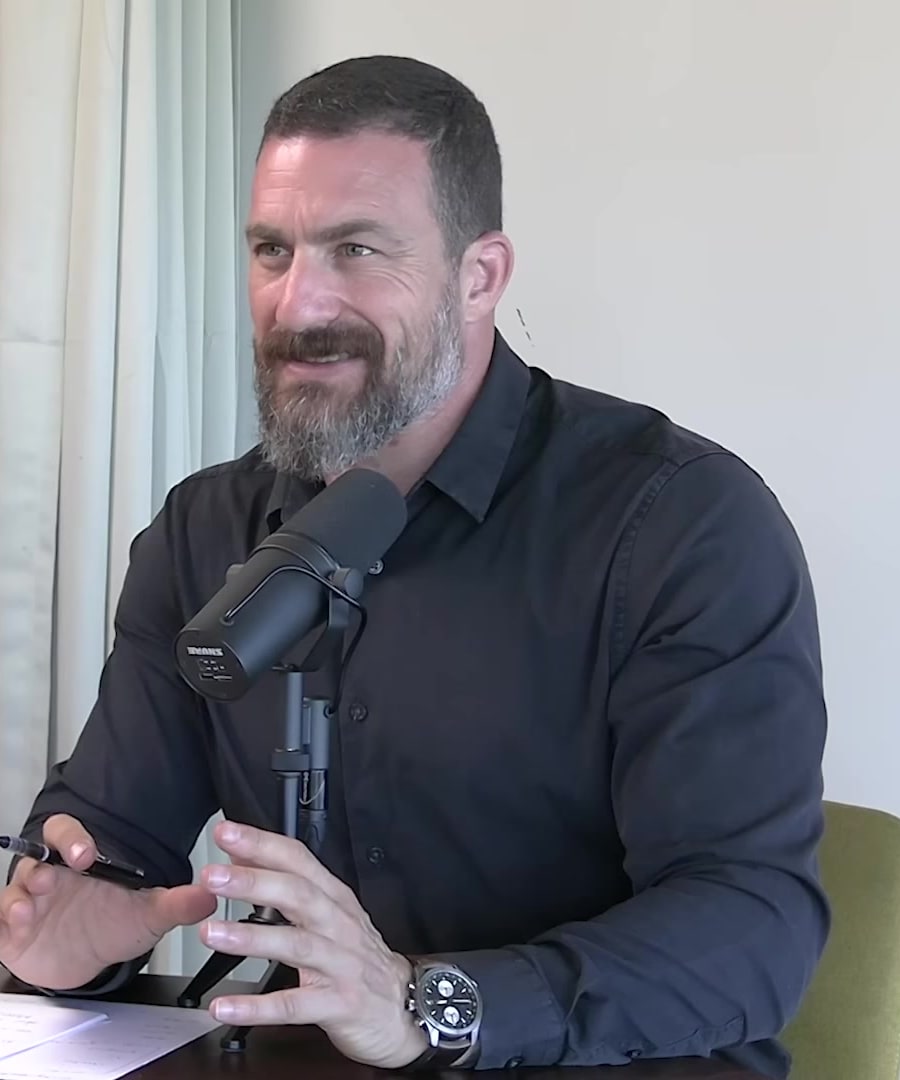
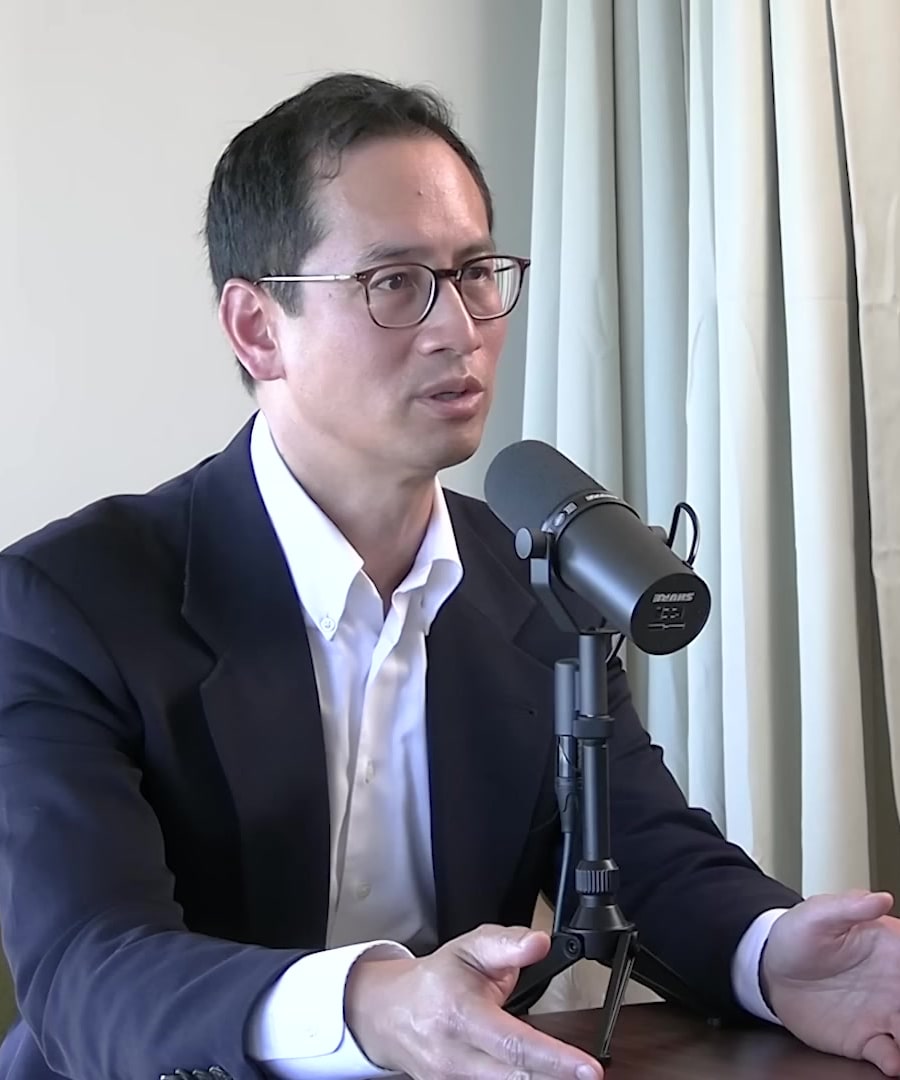
Dr. Eddie Chang: The Science of Learning & Speaking Languages | Huberman Lab Podcast #95

Topics covered
Popular Clips
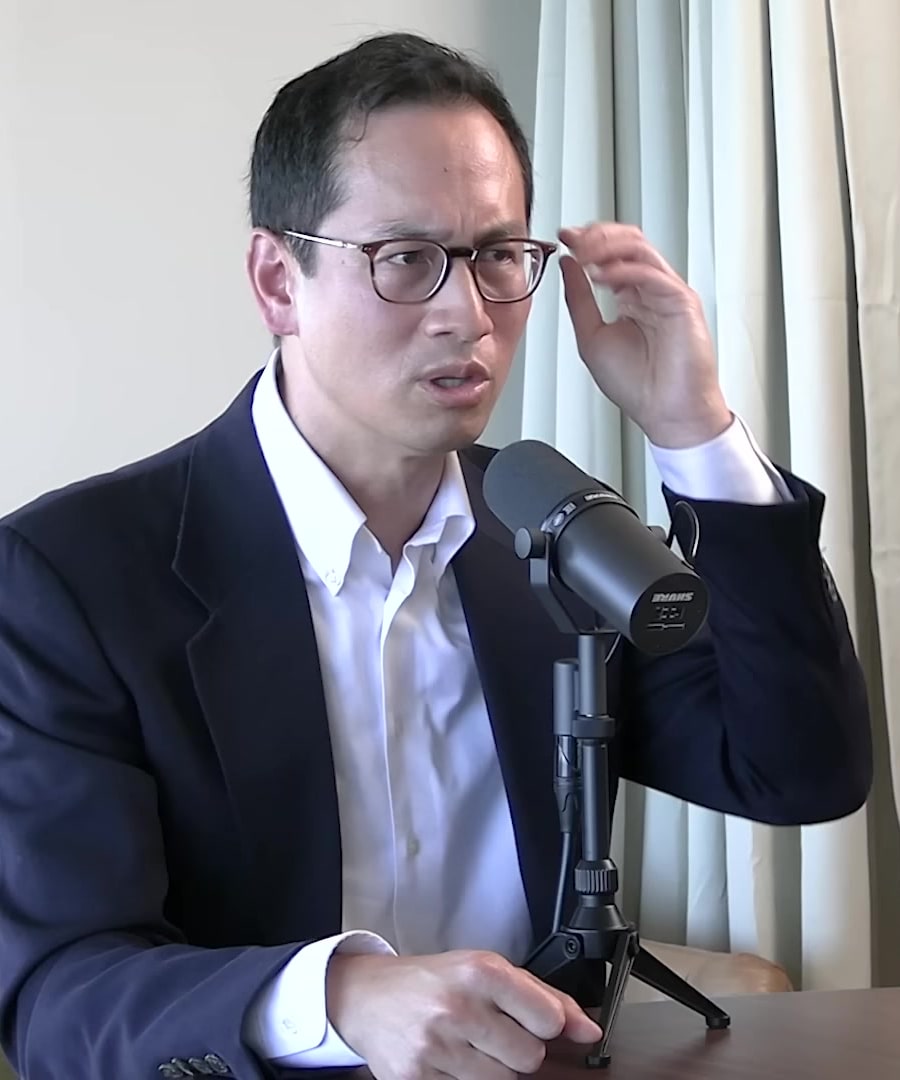
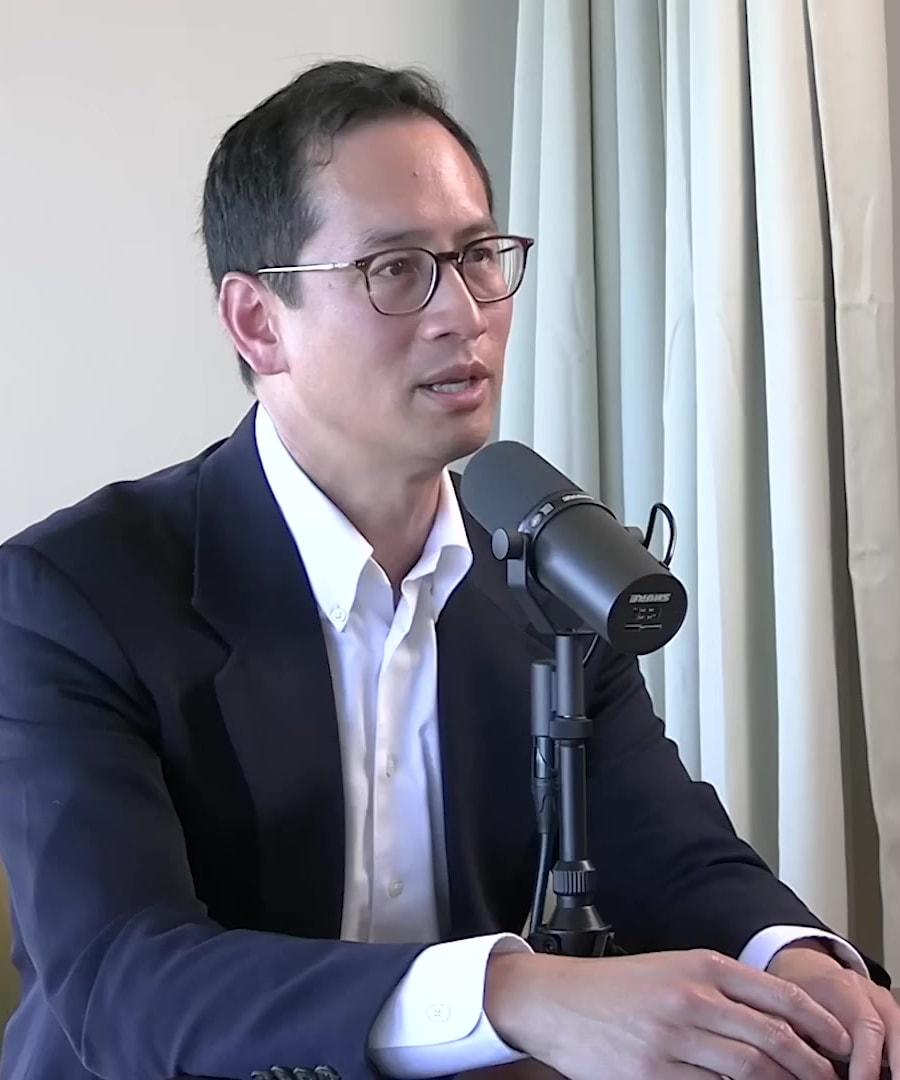
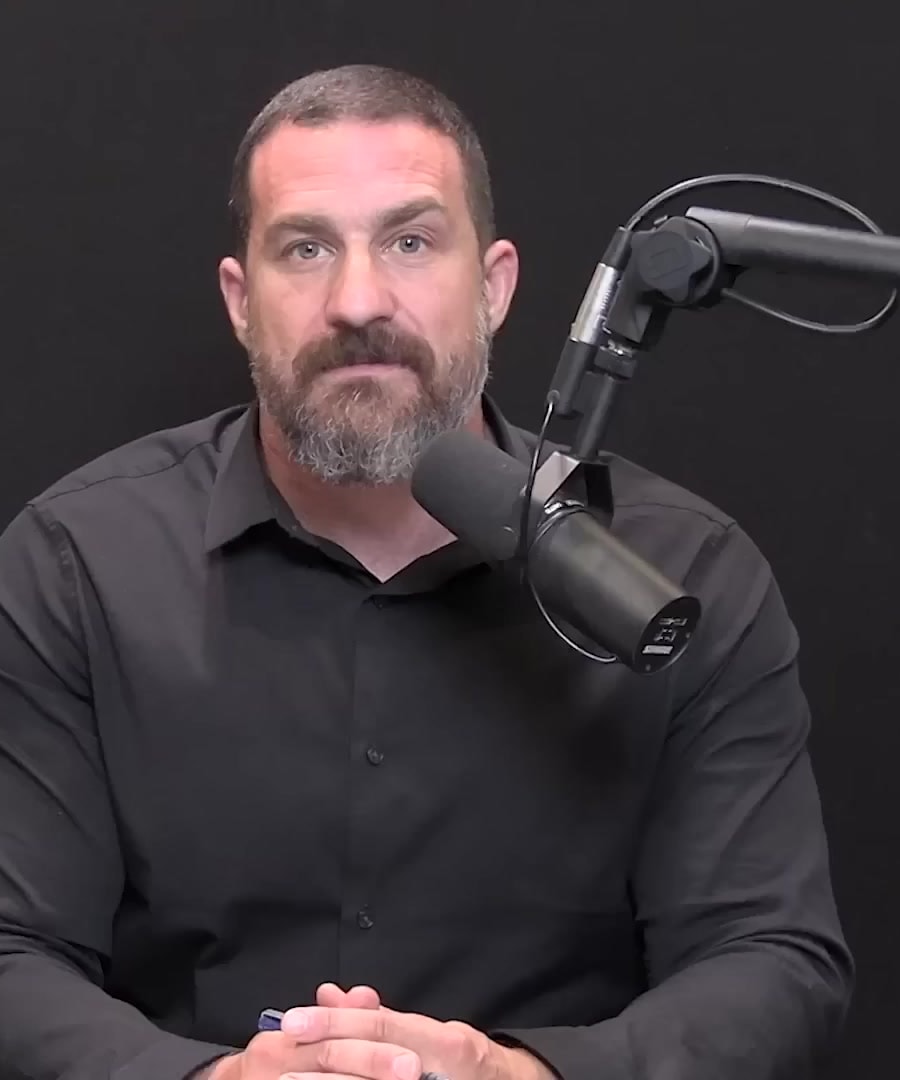
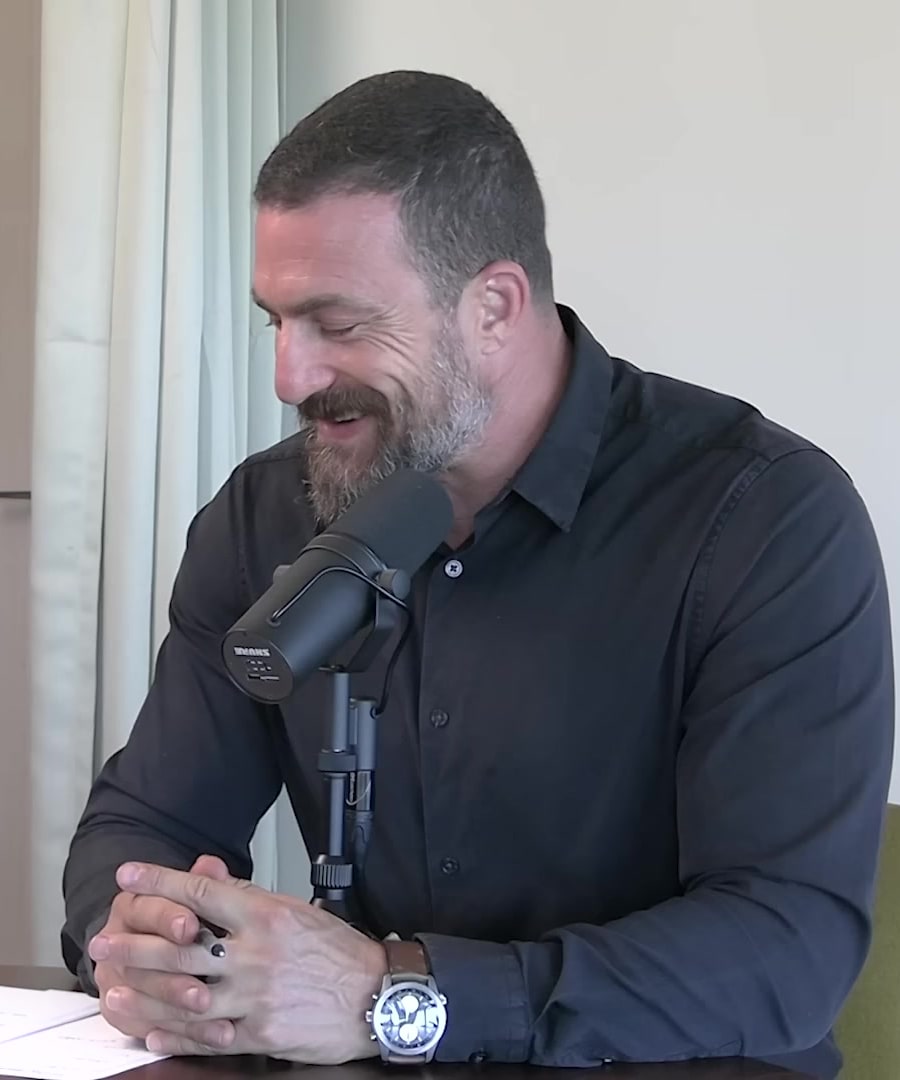
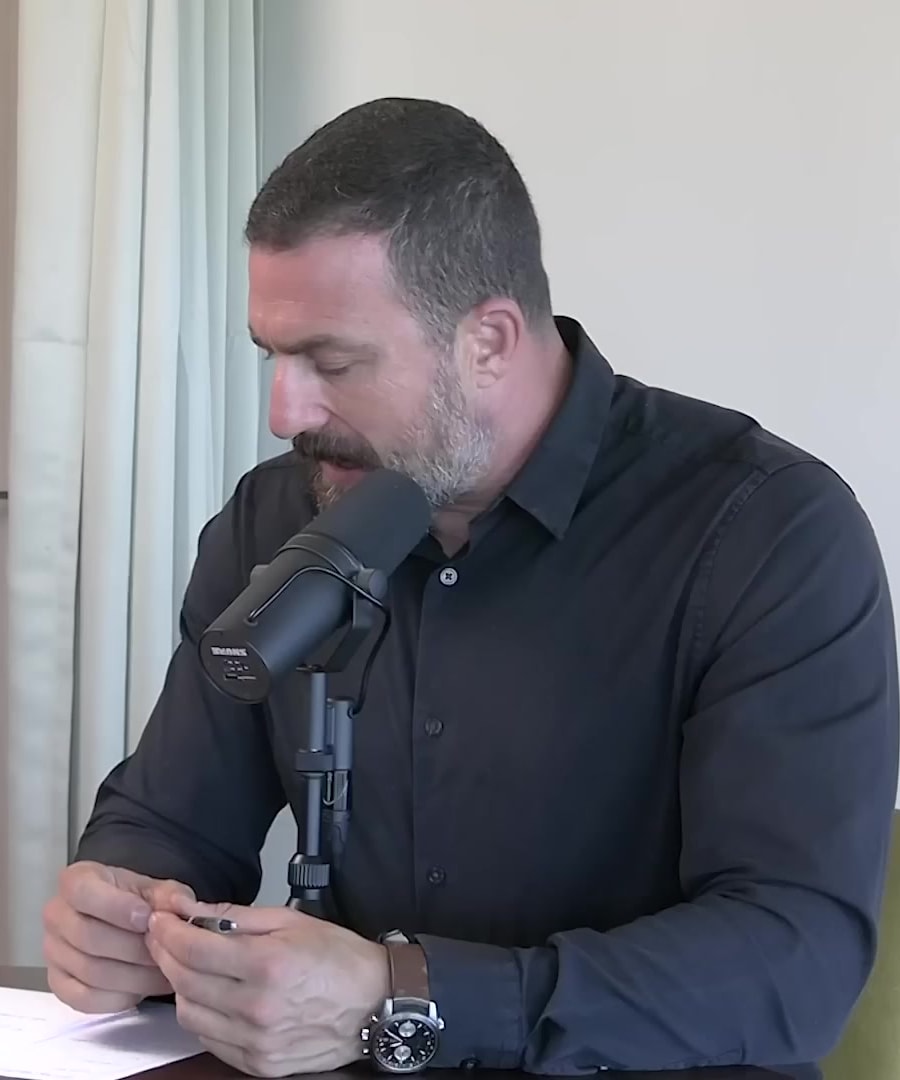
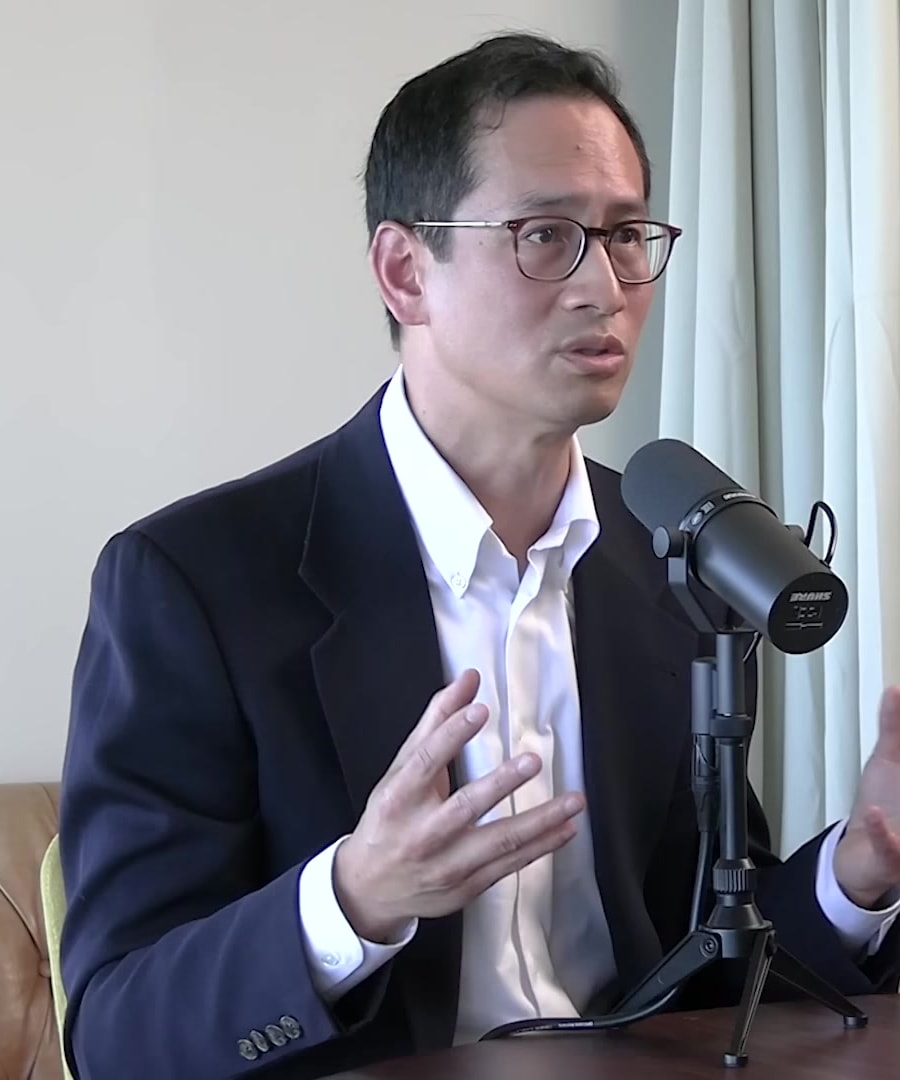
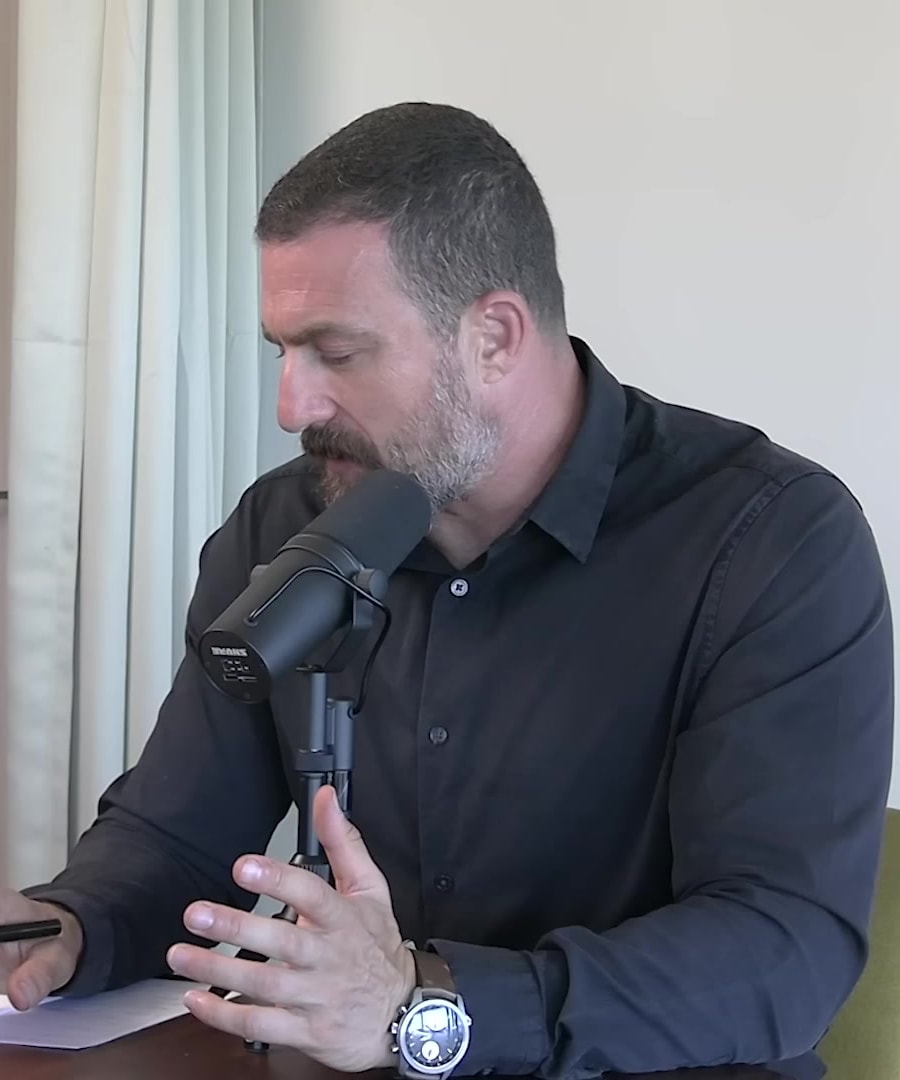
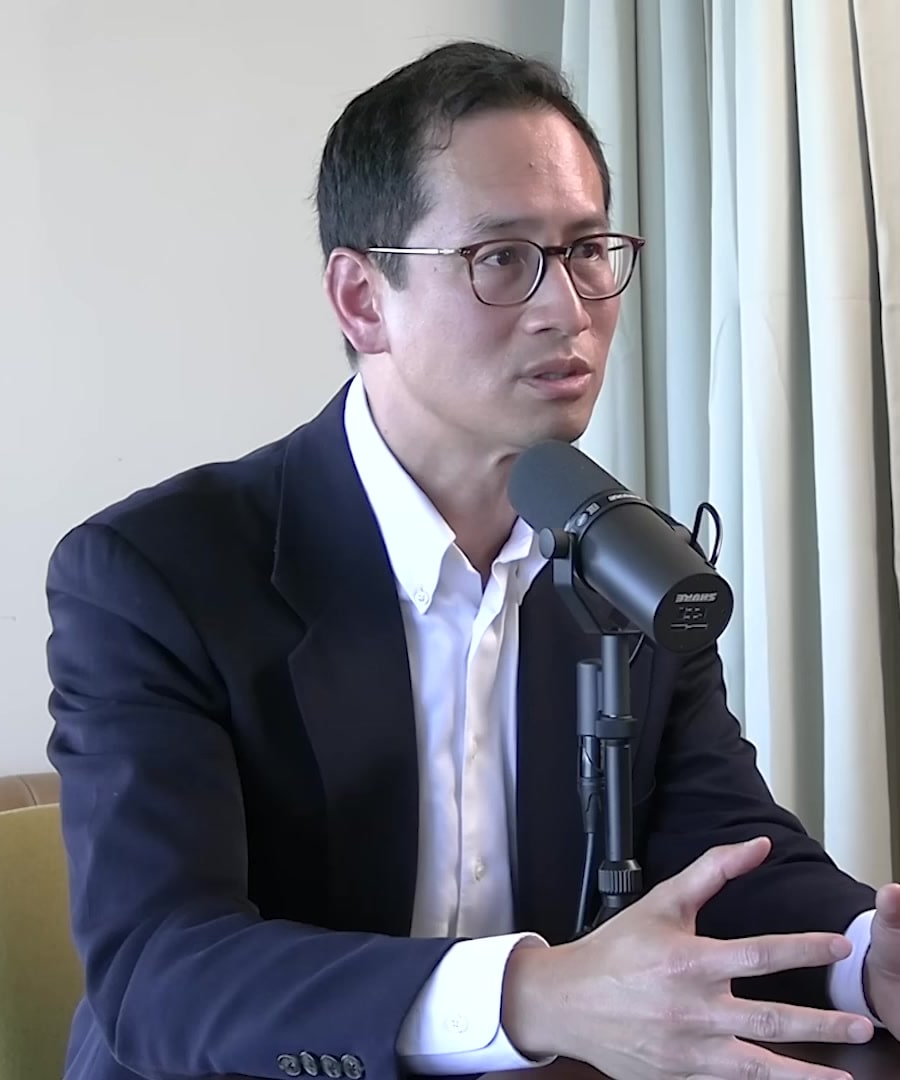
Questions from this episode
- Asked by 1,203 people
- Asked by 230 people
- Asked by 172 people
- Asked by 92 people
- Asked by 86 people
- Asked by 74 people
- Asked by 60 people
- Asked by 42 people
- Asked by 37 people
- Asked by 35 people
- Asked by 35 people
- Asked by 27 people
- Asked by 27 people
Episode Highlights
Brain Mapping
In the realm of brain mapping, shares insights into how specific brain areas are identified and mapped, particularly those related to speech and language. He explains that during awake brain surgeries, they use electrical stimulation to probe areas of the brain, identifying regions crucial for language and motor functions 1. This technique allows them to protect essential areas while addressing pathological issues like tumors or epilepsy. describes the fascinating process of observing how stimulating certain brain areas can temporarily halt speech, highlighting the brain's intricate role in language generation 2.
Some of these areas you stimulate and altogether you can shut down someone's talking. So person says I wanted to say it but I couldn't get the words out.
---
The mapping process reveals complex patterns of neural activity, offering a deeper understanding of how the brain processes speech sounds 3.
Speech vs. Language
The distinction between speech and language is crucial in understanding brain processing. clarifies that speech involves the physical act of producing sounds, while language encompasses the broader comprehension and interpretation of these sounds 4. He notes that different brain areas are responsible for these functions, with speech being a subset of language that includes syntax, semantics, and pragmatics. This differentiation is vital for identifying how various brain regions contribute to communication.
Speech corresponds to the communication signal. It corresponds to me moving my mouth and my vocal track to generate words.
---
emphasizes that while traditional views have localized speech and language to specific brain areas, recent findings suggest a more complex network is involved 5.
Lateralization
Language lateralization explores how language functions are predominantly organized in one hemisphere of the brain. explains that for most right-handed individuals, language processing occurs in the left hemisphere, although this is not absolute 6. He discusses how traditional textbook knowledge, which often simplifies brain functions to specific areas, is being challenged by new research findings. This research shows that language processing involves a more distributed network across the brain 7.
For people who are right handed, 99% of the time, the language part of the brain is on the left side.
---
highlights the importance of revisiting and updating our understanding of brain lateralization to reflect these complexities 8.
Related Episodes

How to Focus to Change Your Brain | Huberman Lab Podcast #6
Answers 383 questionsThe Science of Hearing, Balance & Accelerated Learning | Huberman Lab Podcast #27
Answers 383 questions
Dr. David Berson: Your Brain's Logic & Function | Huberman Lab Podcast #50
Answers 383 questionsUnderstand & Improve Memory Using Science-Based Tools | Huberman Lab Podcast #72
Answers 383 questionsThe Science of Making & Breaking Habits | Huberman Lab Podcast #53
Answers 383 questionsHow Your Nervous System Works & Changes | Huberman Lab Podcast #1
Answers 383 questions
Dr. Karl Deisseroth: Understanding & Healing the Mind | Huberman Lab Podcast #26
Answers 383 questions