Tools for Managing Stress & Anxiety | Huberman Lab Podcast #10

Topics covered
Popular Clips
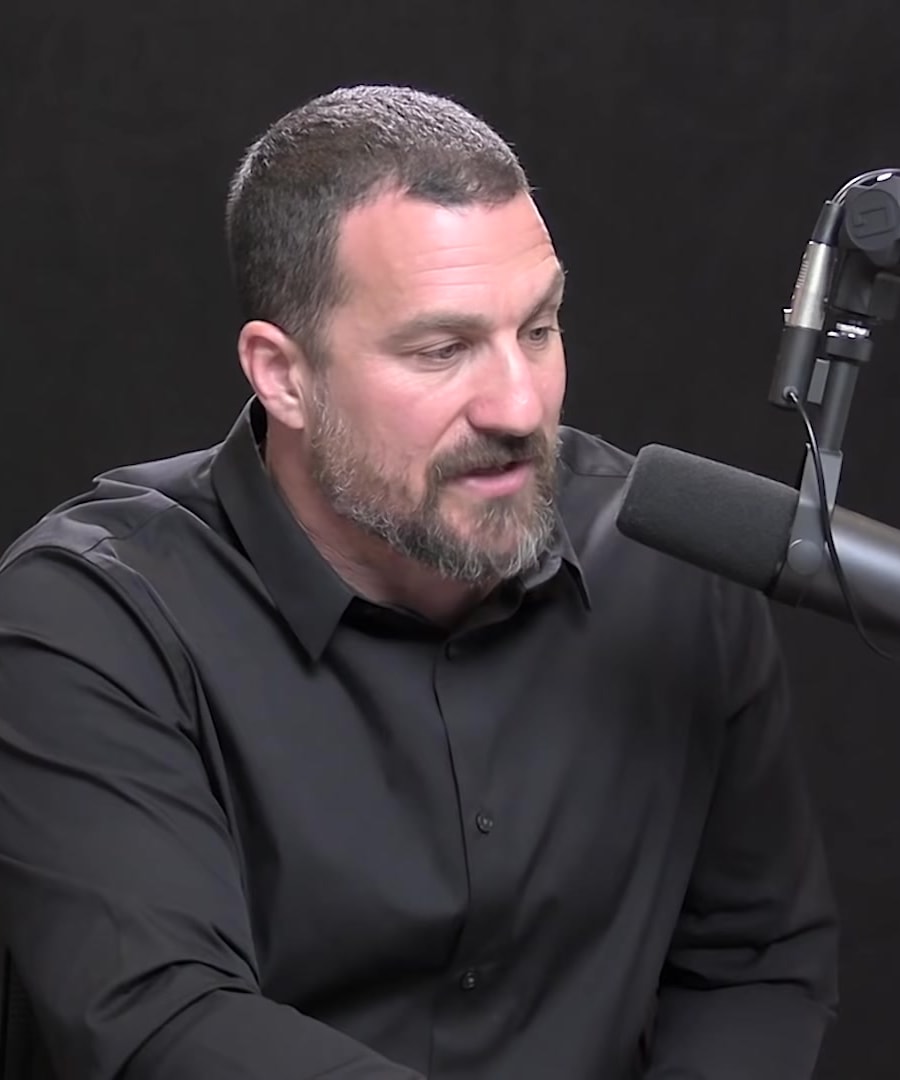
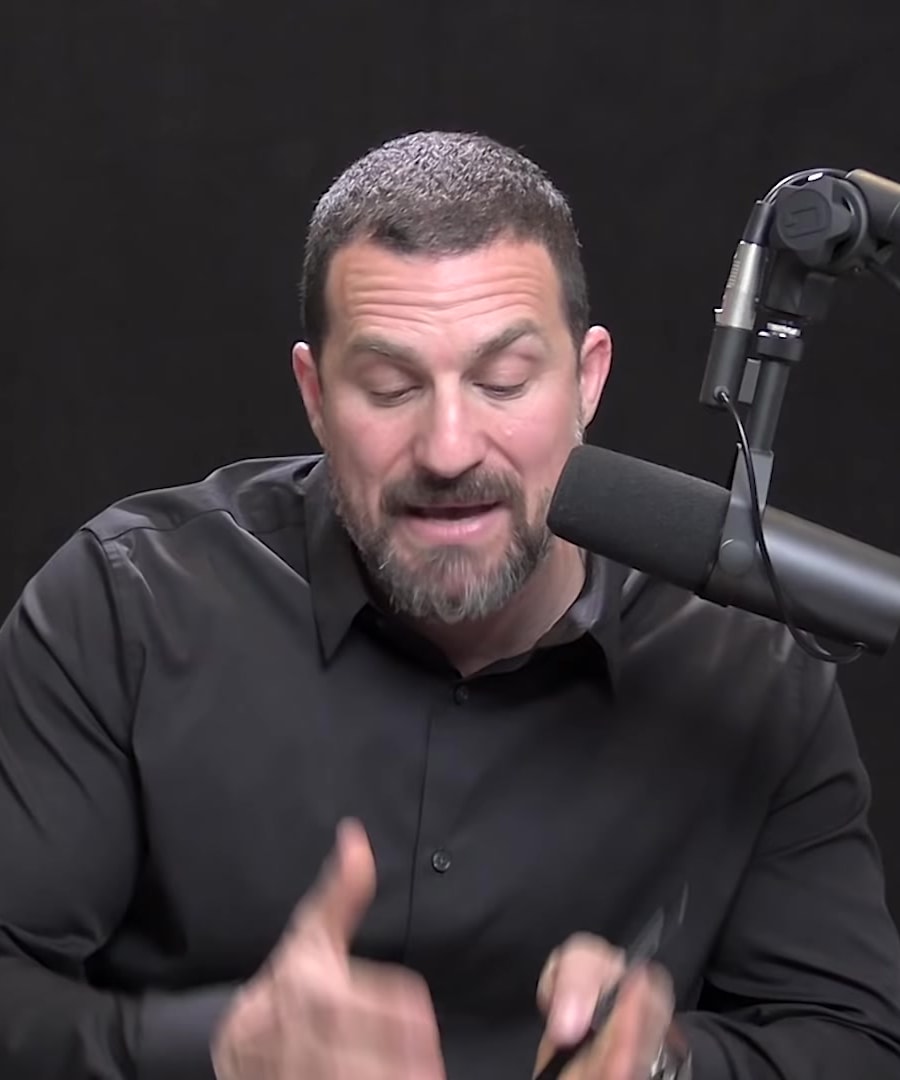
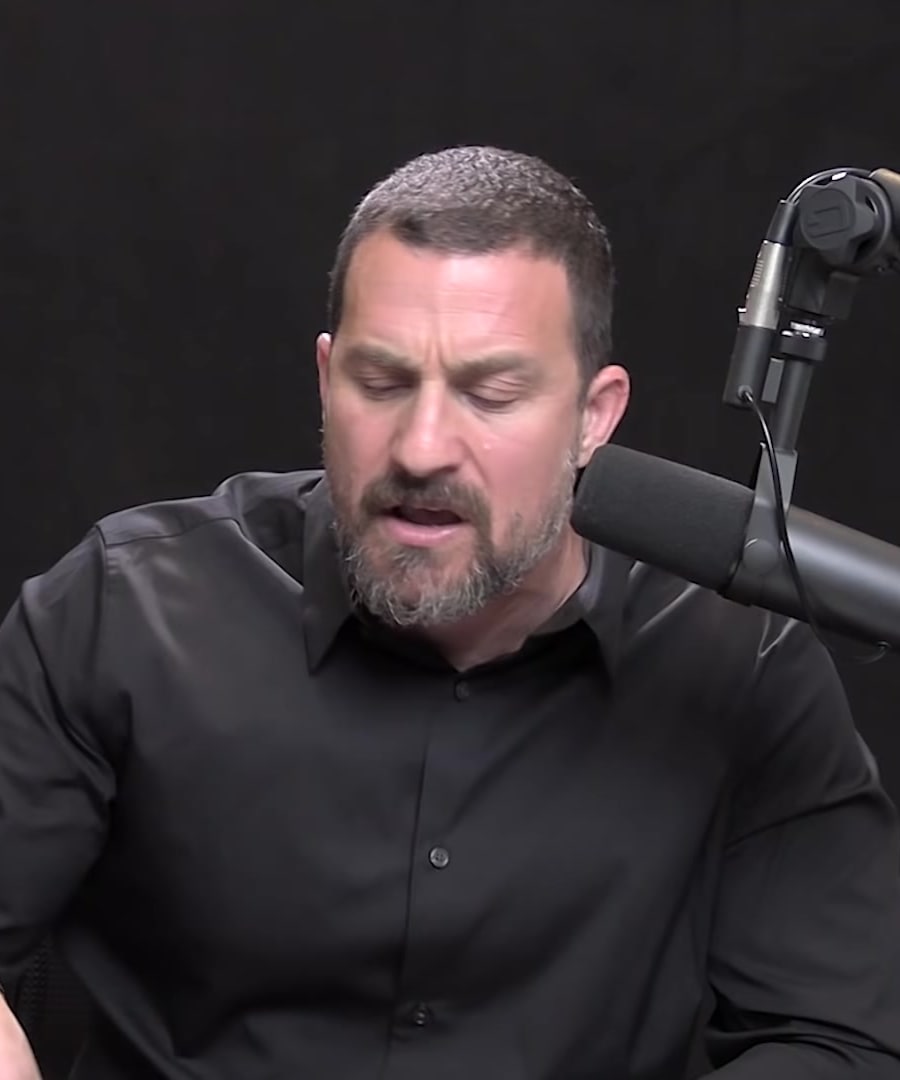
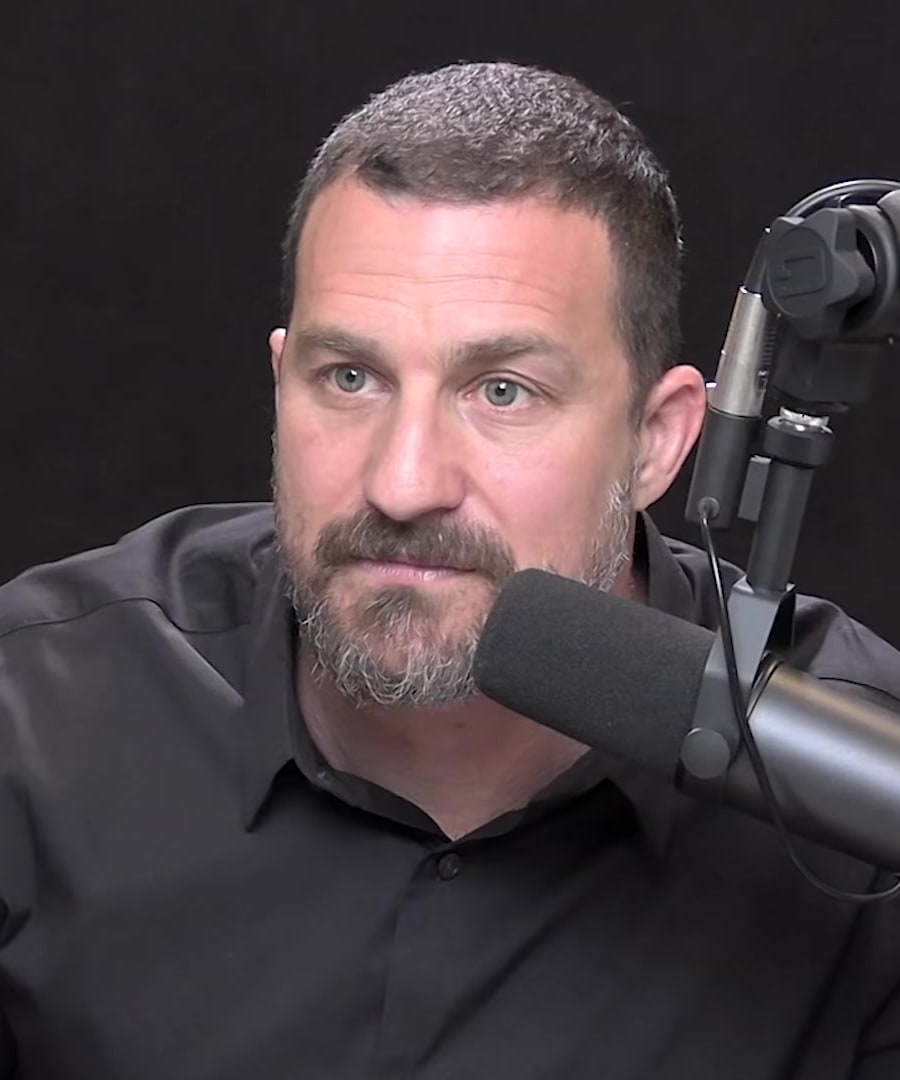
Questions from this episode
- Asked by 3,979 people
- Asked by 1,203 people
- Asked by 799 people
- Asked by 667 people
- Asked by 618 people
- Asked by 583 people
- Asked by 554 people
- Asked by 324 people
- Asked by 267 people
- Asked by 235 people
- Asked by 221 people
- Asked by 216 people
- Asked by 191 people
- Asked by 166 people
- Asked by 160 people
Episode Highlights
Physiological Sigh
The physiological sigh is a powerful breathing technique designed to reduce stress quickly and effectively. explains that this method involves a double inhale followed by a long exhale, which can be done voluntarily to control stress responses in real-time 1. This technique leverages the connection between the brain and diaphragm, allowing individuals to manage their heart rate and stress levels directly 2.
When you are stressed in your mind and body, so you're feeling really agitated, activated, and worried, and you use a tool like the physiological sigh or exhale-emphasized breathing, you will notice that then your brain and your mind becomes more available for controlling the stress response and reacting to it.
---
Huberman emphasizes the importance of not rushing the heart rate reduction, as a gradual decrease is more beneficial and prevents adverse effects like fainting 3.
Cyclic Breathing
Cyclic breathing, a technique involving rapid, deliberate breathing patterns, is used to release adrenaline and enhance immunity. highlights that this method, popularized by Wim Hof, mimics the stress response to combat infections by liberating killer immune cells 4. This breathing pattern involves cycles of deep inhales and exhales, followed by breath holds, which can significantly reduce symptoms of infection 5.
When adrenaline is released in the body, you are in a better position to combat infections.
---
While effective, Huberman cautions against performing this technique near water due to the risk of fainting and emphasizes the need for medical clearance before attempting it 6.
Related Episodes

The Science of Emotions & Relationships | Huberman Lab Podcast #13
Answers 383 questionsUnderstanding & Conquering Depression | Huberman Lab Podcast #34
Answers 383 questionsUnderstand & Improve Memory Using Science-Based Tools | Huberman Lab Podcast #72
Answers 383 questionsScience-Based Tools for Increasing Happiness | Huberman Lab Podcast #98
Answers 383 questionsThe Science & Process of Healing from Grief | Huberman Lab Podcast #74
Answers 383 questionsUnderstanding & Controlling Aggression | Huberman Lab Podcast #71
Answers 383 questionsThe Science & Treatment of Bipolar Disorder | Huberman Lab Podcast #82
Answers 383 questionsHow To Build Endurance In Your Brain & Body | Huberman Lab Podcast #23
Answers 383 questionsHow Your Nervous System Works & Changes | Huberman Lab Podcast #1
Answers 383 questions