

The Science of Creativity & How to Enhance Creative Innovation | Huberman Lab Podcast 103

Topics covered
Popular Clips









Questions from this episode
- Asked by 1,200 people
- Asked by 339 people
- Asked by 218 people
- Asked by 212 people
- Asked by 186 people
- Asked by 169 people
- Asked by 99 people
- Asked by 94 people
- Asked by 83 people
- Asked by 77 people
- Asked by 75 people
- Asked by 72 people
- Asked by 72 people
- Asked by 71 people
- Asked by 70 people
Episode Highlights
Divergent Thinking
Divergent thinking is a crucial component of creativity, involving the generation of multiple ideas from a single stimulus. explains that this process is facilitated by engaging in activities that activate pseudo-random pathways in the brain, such as walking or pacing, which enhance neural connectivity 1. He emphasizes the importance of having foundational skills in a domain to truly benefit from divergent thinking, as it allows for the exploration of new ideas within a familiar framework 1.
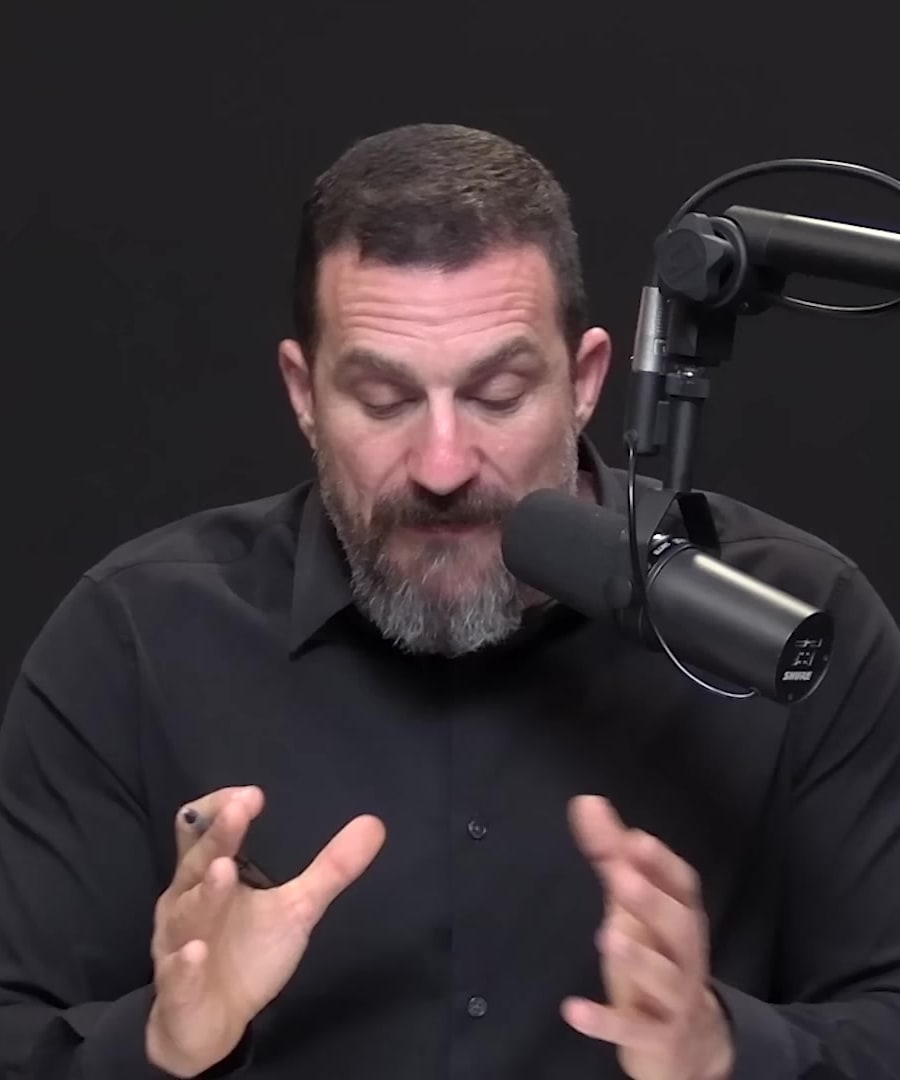
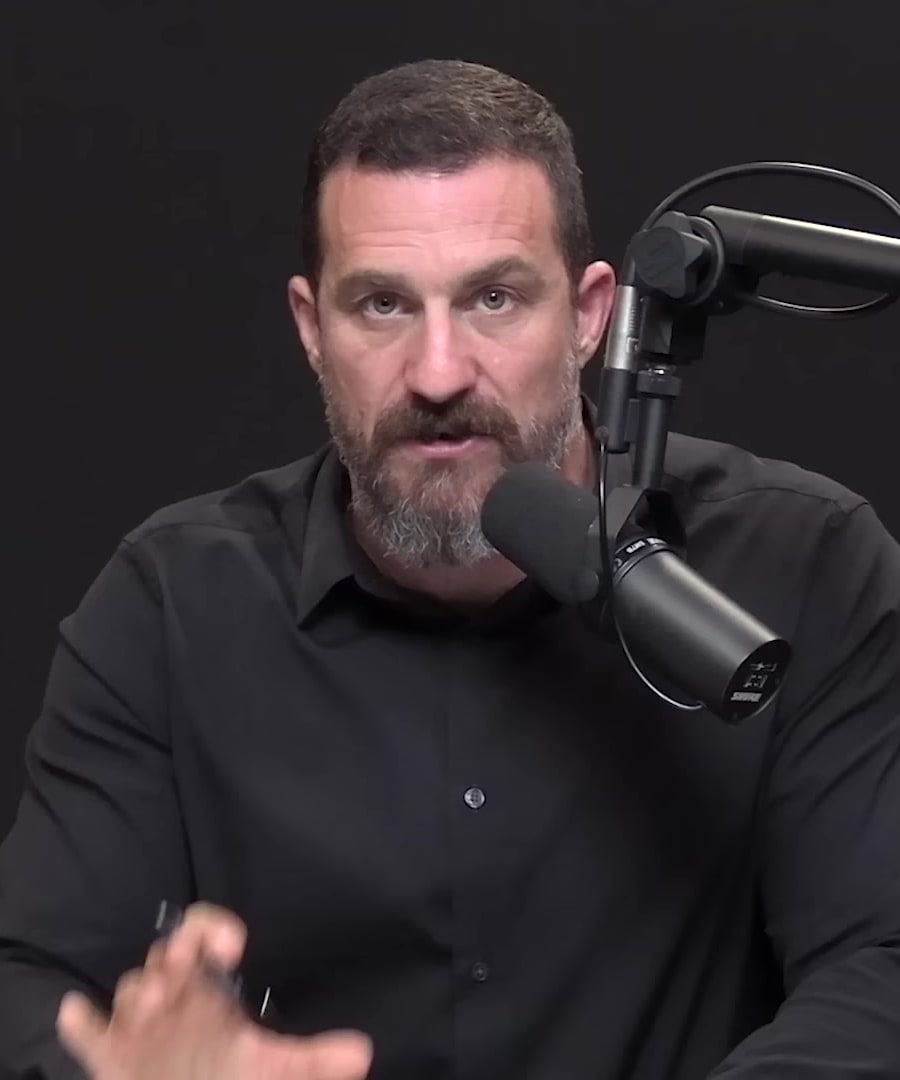
Divergent thinking involves taking one simple stimulus and trying to radiate out from that as many different divergent situations, properties, characteristics, events, things from that one specific element.
---
Additionally, practices like non-sleep deep rest (NSDR) can significantly boost divergent thinking by increasing dopamine release, which is essential for creativity 2.
Convergent Thinking
Convergent thinking complements divergent thinking by focusing on refining and testing ideas to find solutions that are both novel and practical. describes it as the process of combining elements to form a coherent concept, like identifying a plane that can land on water from the words "wing," "water," and "engine" 3. This type of thinking requires persistence and focus, tapping into distinct brain circuits that differ from those used in divergent thinking 4.
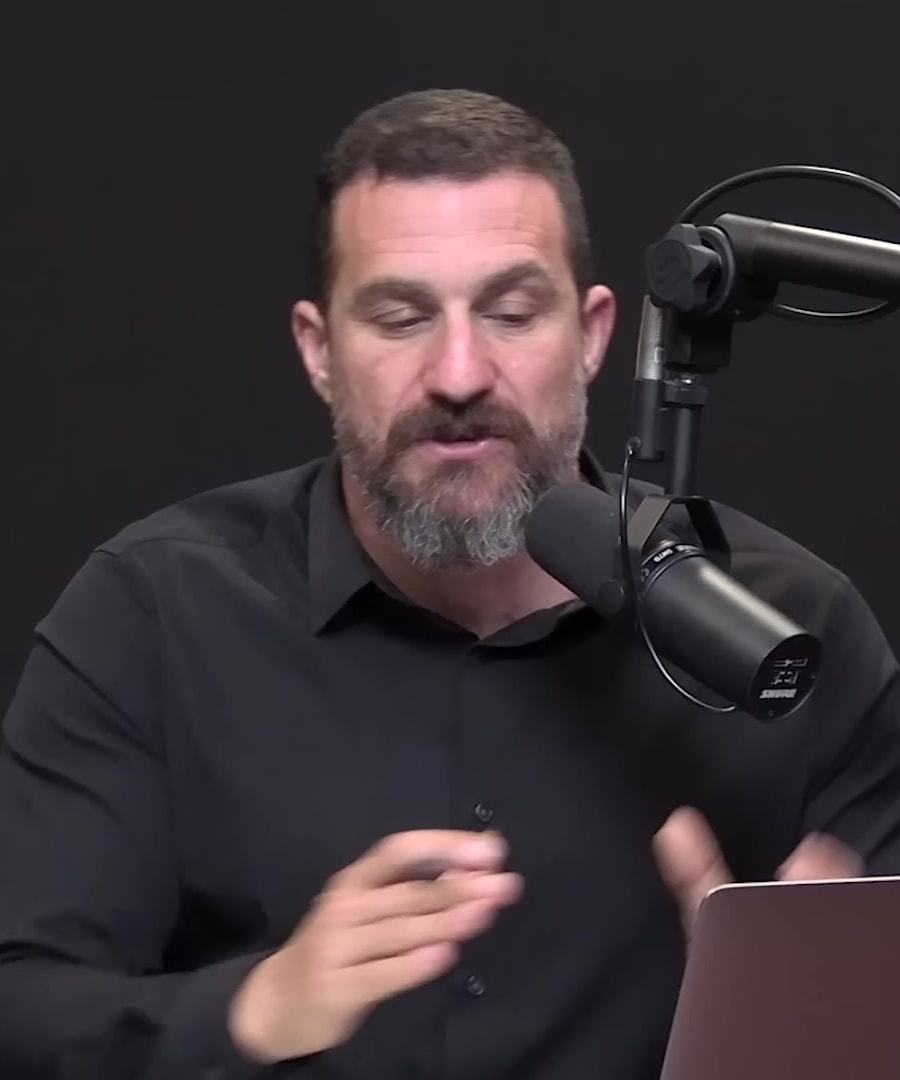
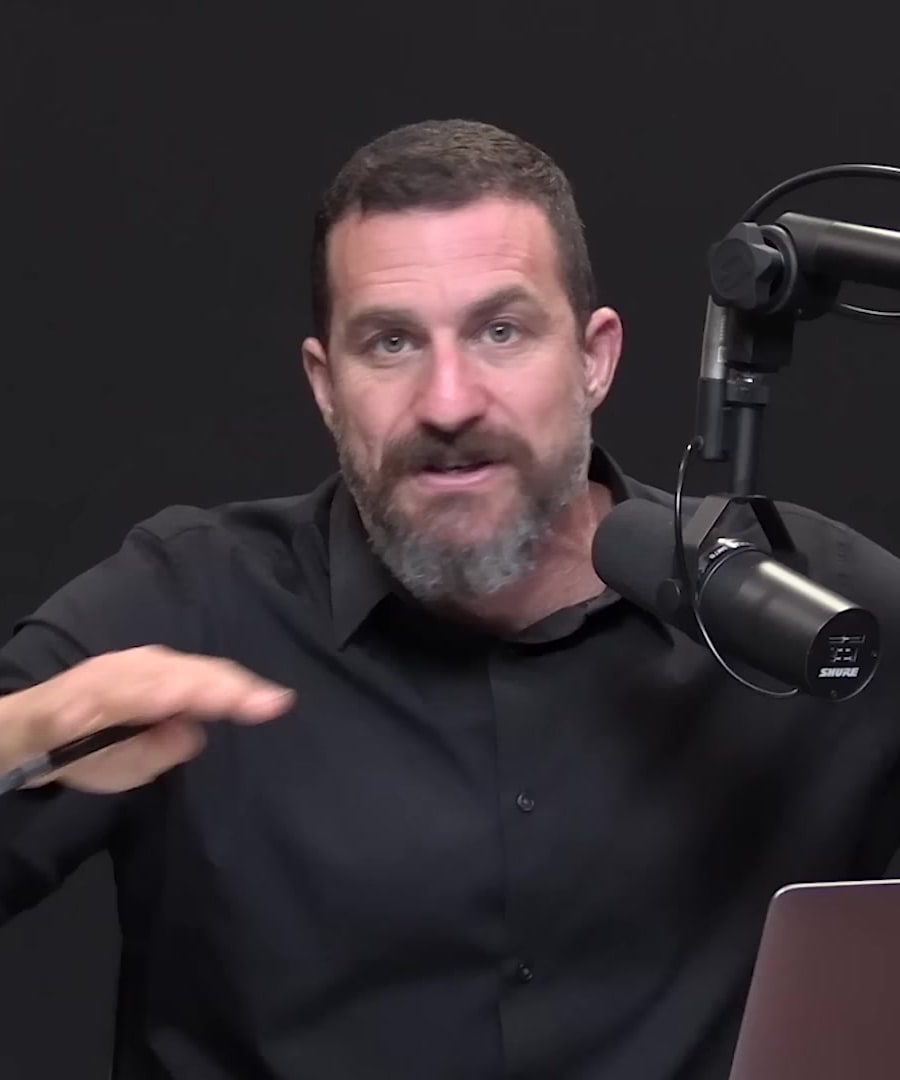
Convergent thinking is, as the name suggests, just the opposite of divergent thinking.
---
Huberman highlights the importance of both thinking styles in the creative process, as they allow for the exploration and validation of ideas 4.
Dopamine's Role
Dopamine plays a pivotal role in both divergent and convergent thinking, acting through different neural pathways to facilitate creativity. explains that dopamine is not just about pleasure, but also about motivation and movement, which are essential for creative exploration 5. He clarifies that dopamine operates within four major brain circuits, with specific pathways supporting divergent and convergent thinking 5.
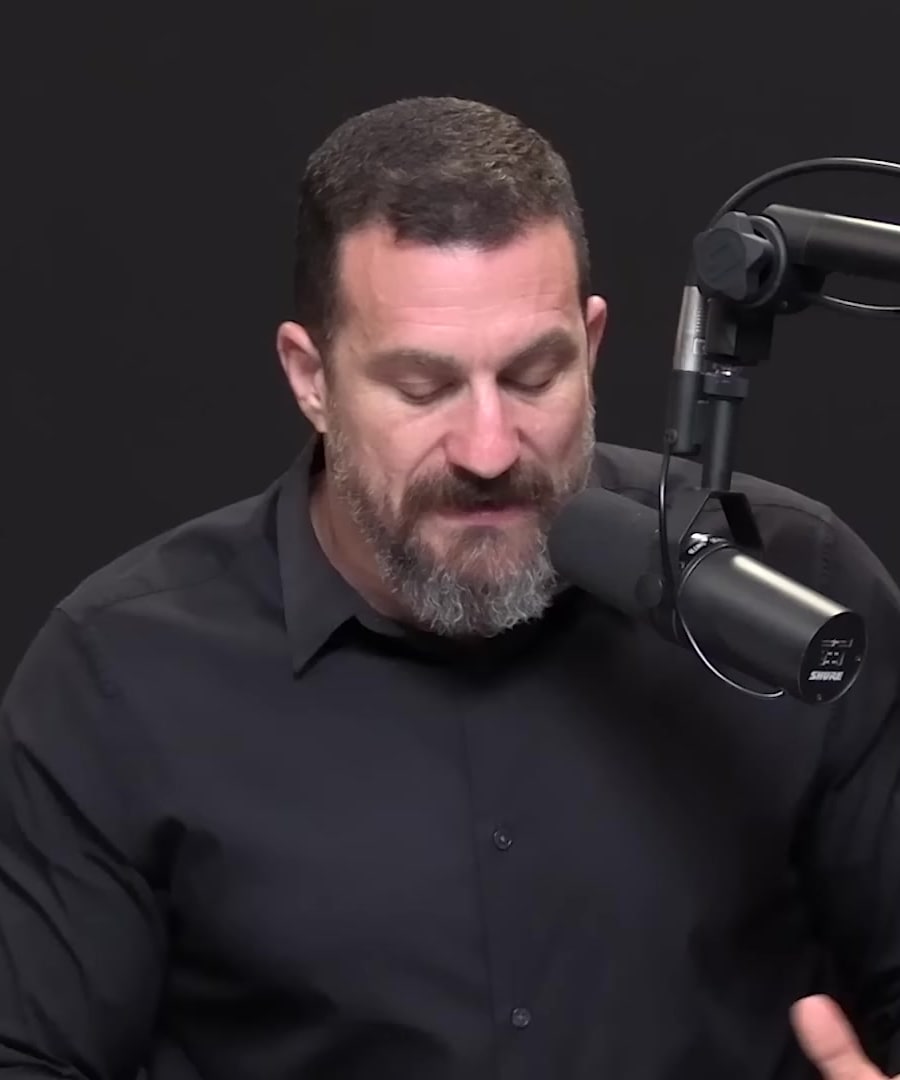
Dopamine is really about motivation and desire and movement.
---
Understanding how to engage these pathways can provide tools for enhancing creativity, allowing individuals to explore ideas and test their novelty and usefulness 6.
Related Episodes


Rick Rubin: How to Access Your Creativity | Huberman Lab Podcast
Answers 383 questionsThe Science of Setting & Achieving Goals | Huberman Lab Podcast #55
Answers 383 questionsHow to Use Music to Boost Motivation, Mood & Improve Learning | Huberman Lab Podcast
Answers 383 questions
Tim Ferriss: How to Learn Better & Create Your Best Future | Huberman Lab Podcast
Answers 383 questionsThe Science of Emotions & Relationships | Huberman Lab Podcast #13
Answers 383 questionsThe Science of Making & Breaking Habits | Huberman Lab Podcast #53
Answers 383 questions
Ido Portal: The Science & Practice of Movement | Huberman Lab Podcast #77
Answers 383 questionsScience-Based Tools for Increasing Happiness | Huberman Lab Podcast #98
Answers 383 questionsThe Science of Hearing, Balance & Accelerated Learning | Huberman Lab Podcast #27
Answers 383 questionsThe Science of Vision, Eye Health & Seeing Better | Huberman Lab Podcast #24
Answers 383 questionsThe Science of Healthy Hair, Hair Loss and How to Regrow Hair | Huberman Lab Podcast
Answers 383 questionsHow to Increase Motivation & Drive | Huberman Lab Podcast #12
Answers 383 questions