LIVE EVENT Q&A: Dr. Andrew Huberman Question & Answer in Melbourne, AU

Topics covered
Popular Clips

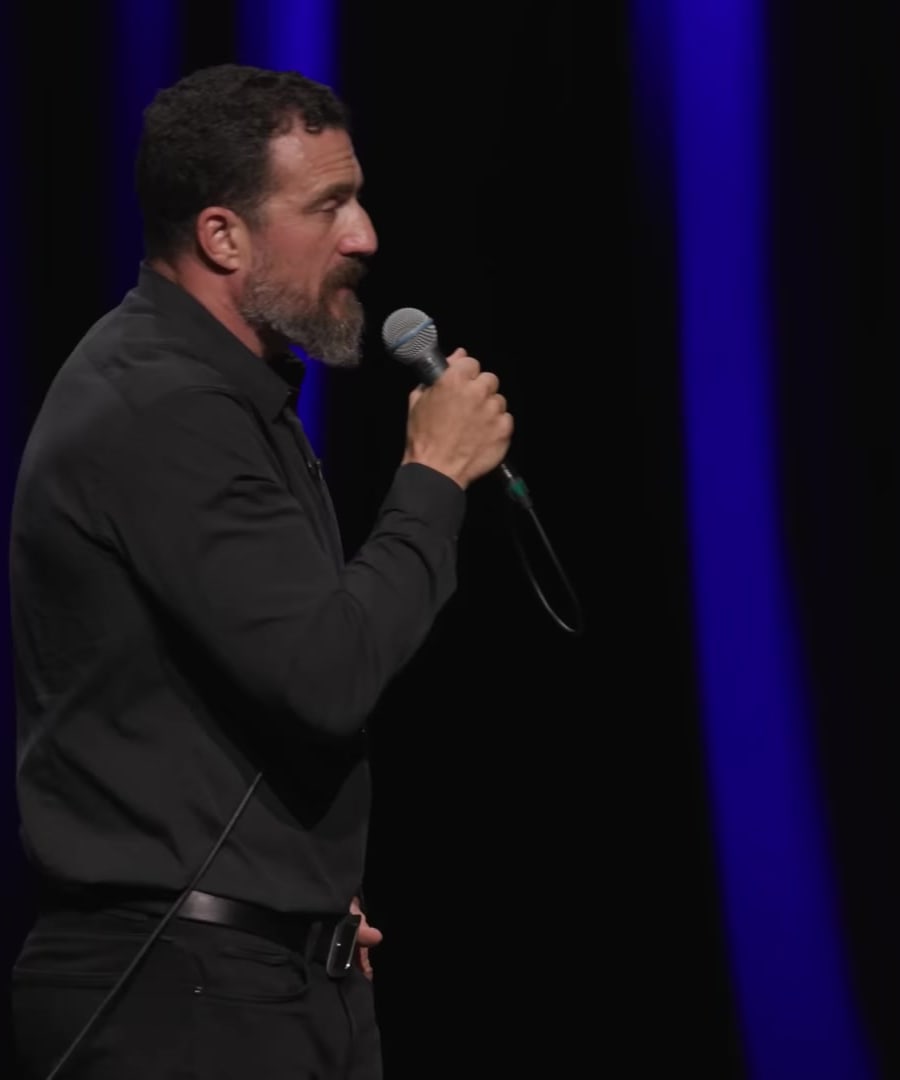
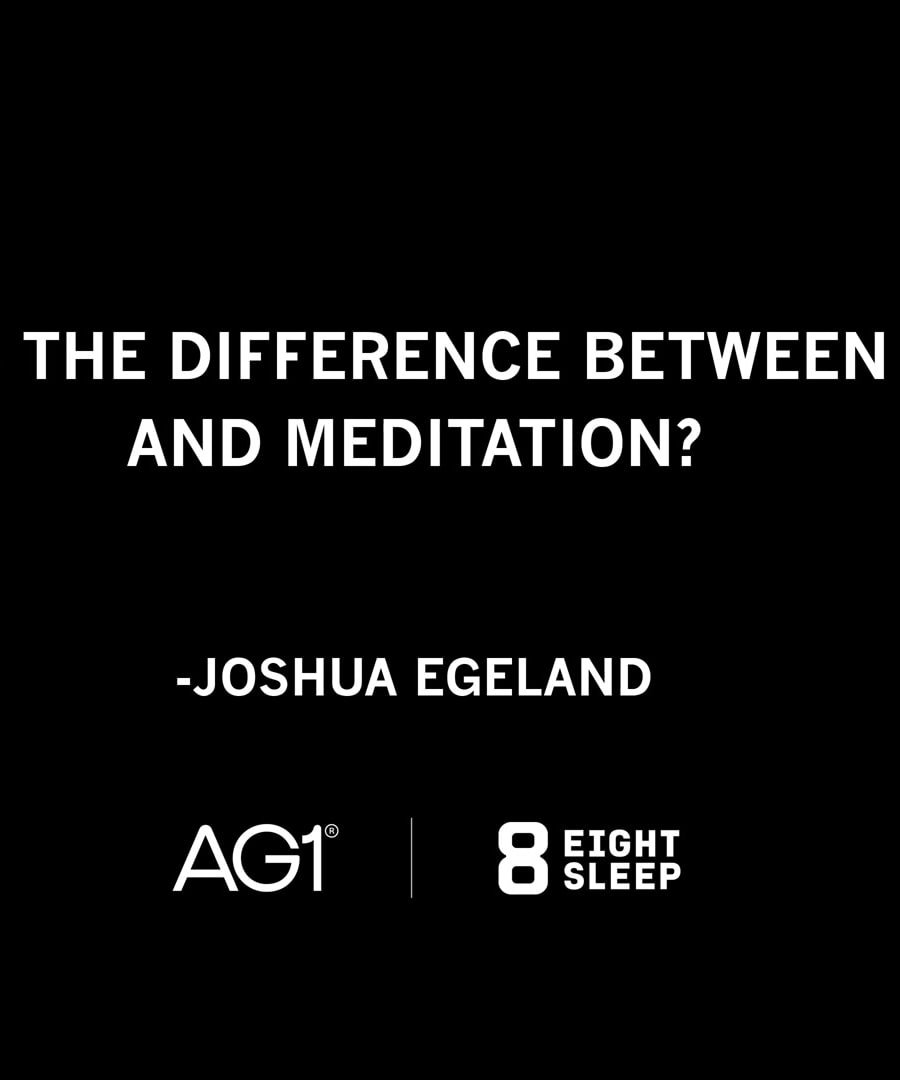
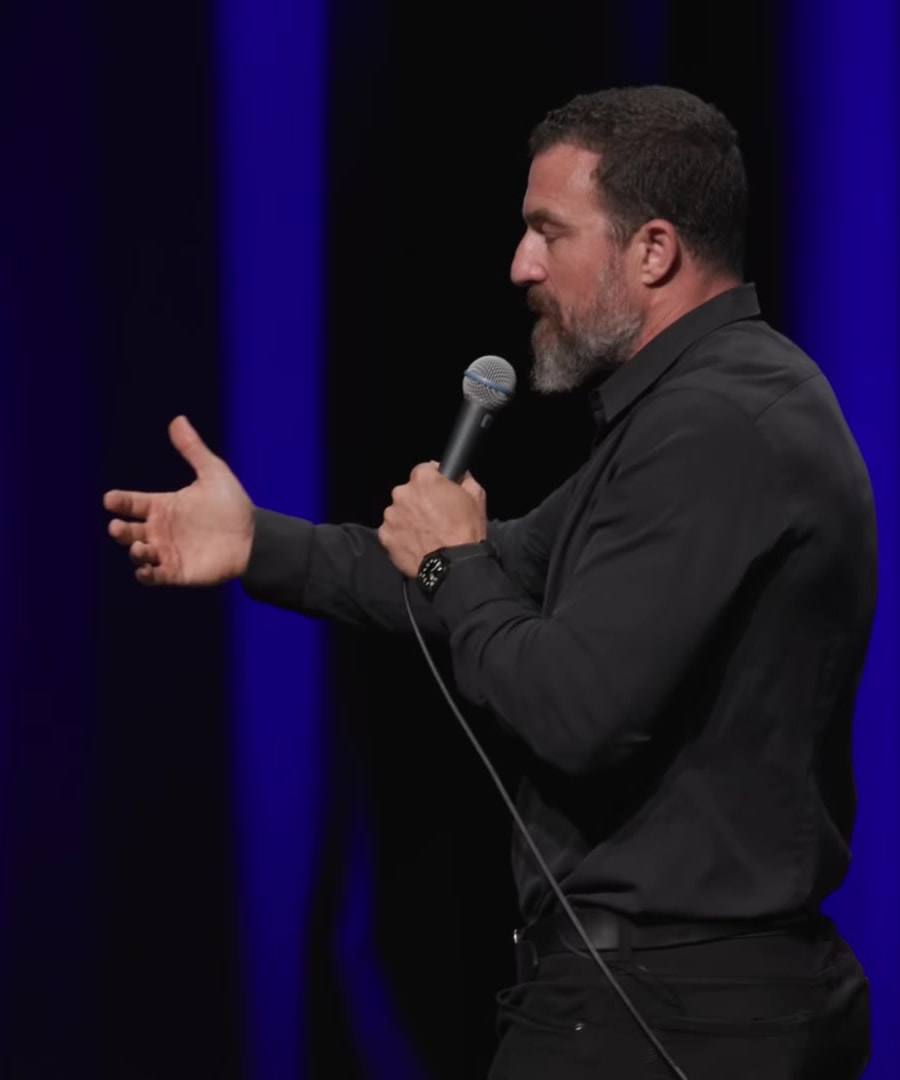
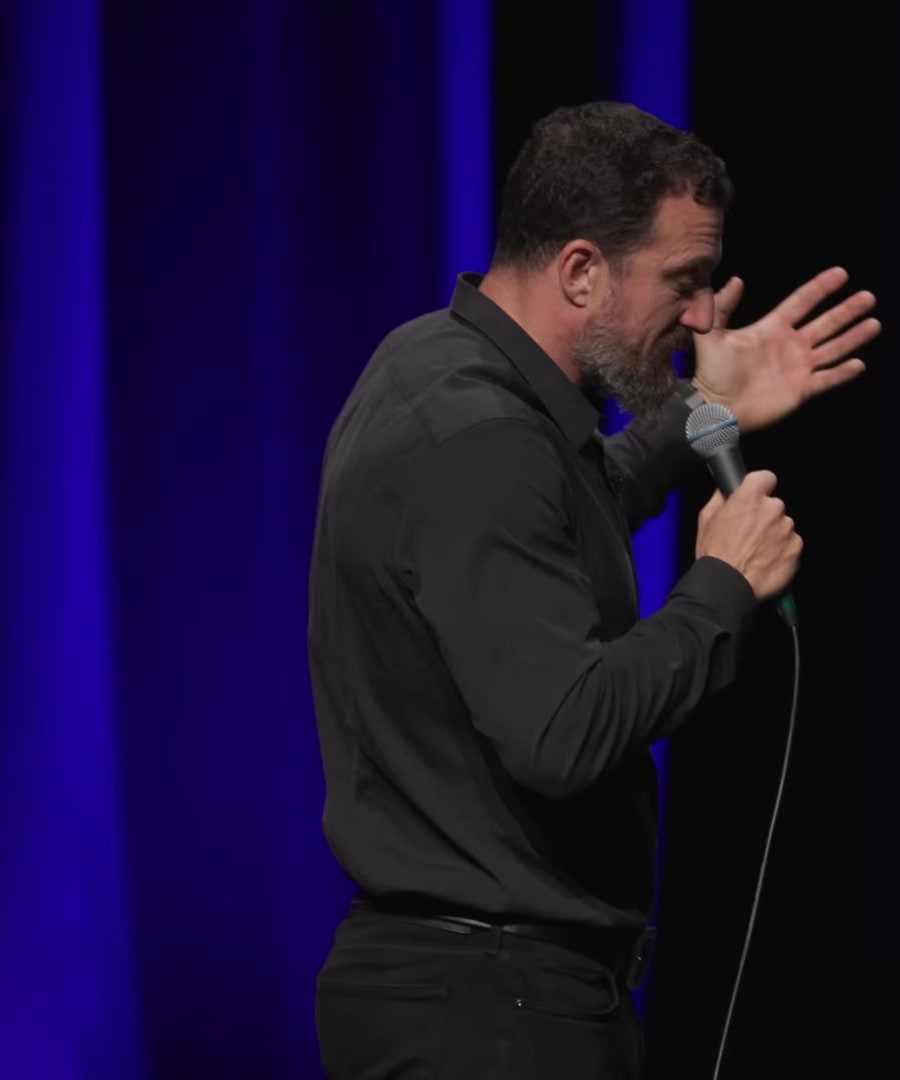

Questions from this episode
- Asked by 1,203 people
- Asked by 1,042 people
- Asked by 406 people
- Asked by 378 people
- Asked by 342 people
- Asked by 257 people
- Asked by 250 people
- Asked by 244 people
- Asked by 230 people
- Asked by 226 people
- Asked by 219 people
- Asked by 213 people
- Asked by 172 people
Episode Highlights
NSDR Benefits
Non-Sleep Deep Rest (NSDR) offers a unique approach to relaxation and cognitive restoration, distinct from traditional meditation. explains that NSDR, inspired by yoga Nidra, involves a state where the body is still but the mind remains alert, promoting neuroplasticity and increasing dopamine levels in the brain 1. This practice can enhance sleep quality and restore mental and physical energy without cost, making it accessible to many 2.
Non-sleep deep rest is very effective at restoring cognitive and physical vigor and can indeed offset some degree of sleep loss.
---
In contrast, meditation focuses more on concentration and stress reduction, with benefits like improved memory and focus, but it may not replenish energy as effectively as NSDR 2.
Trauma Protocols
Addressing childhood trauma requires a nuanced understanding of its impact on the nervous system. highlights that trauma can lead to maladaptive functioning, necessitating neuroplasticity to rewire the nervous system 3. Various methods, such as psychedelics, talk therapy, and breathwork, aim to facilitate this rewiring, though a structured framework for treatment is still lacking 3.
Trauma can be best defined as an adverse event that changes the nervous system in a way that causes maladaptive functioning going forward.
---
He emphasizes the importance of developing comprehensive tools to address trauma effectively, acknowledging the diverse approaches currently in use 3.
Related Episodes

LIVE EVENT Q&A: Dr. Andrew Huberman at the Sydney Opera House
Answers 383 questionsLIVE EVENT Q&A: Dr. Andrew Huberman Question & Answer in Toronto, ON
Answers 383 questionsLIVE EVENT Q&A: Dr. Andrew Huberman at the Brisbane Convention & Exhibition Centre
Answers 383 questionsLIVE EVENT Q&A: Dr. Andrew Huberman at the ICC Sydney Theatre
Answers 383 questions
Dr. David Berson: Your Brain's Logic & Function | Huberman Lab Podcast #50
Answers 383 questions
Dr. Karl Deisseroth: Understanding & Healing the Mind | Huberman Lab Podcast #26
Answers 383 questionsAMA #16: Sleep, Vertigo, TBI, OCD, Tips for Travelers, Gut-Brain Axis & More
Answers 383 questionsHow to Optimize Your Brain-Body Function & Health | Huberman Lab Podcast #30
Answers 383 questions
Dr. Gary Steinberg: How to Improve Brain Health & Offset Neurodegeneration
Answers 383 questionsHow To Build Endurance In Your Brain & Body | Huberman Lab Podcast #23
Answers 383 questions