LIVE EVENT Q&A: Dr. Andrew Huberman at the ICC Sydney Theatre

Topics covered
Popular Clips

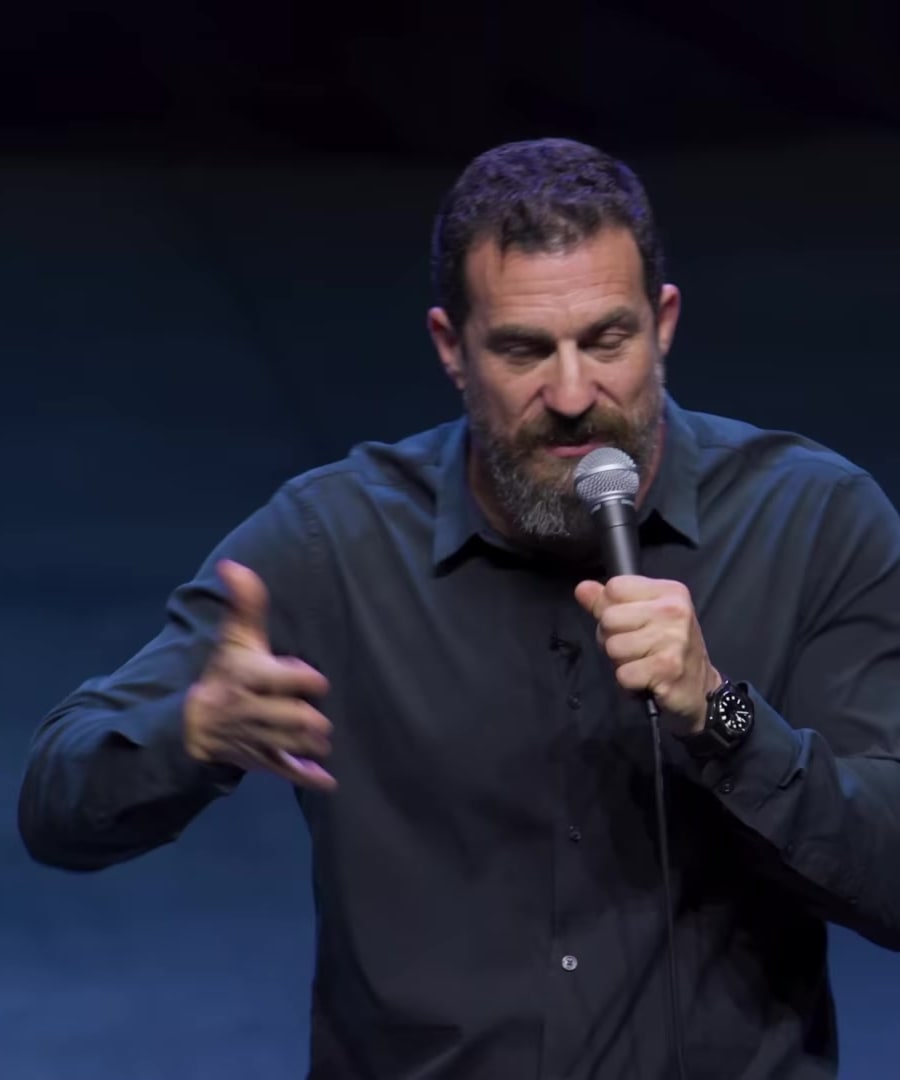

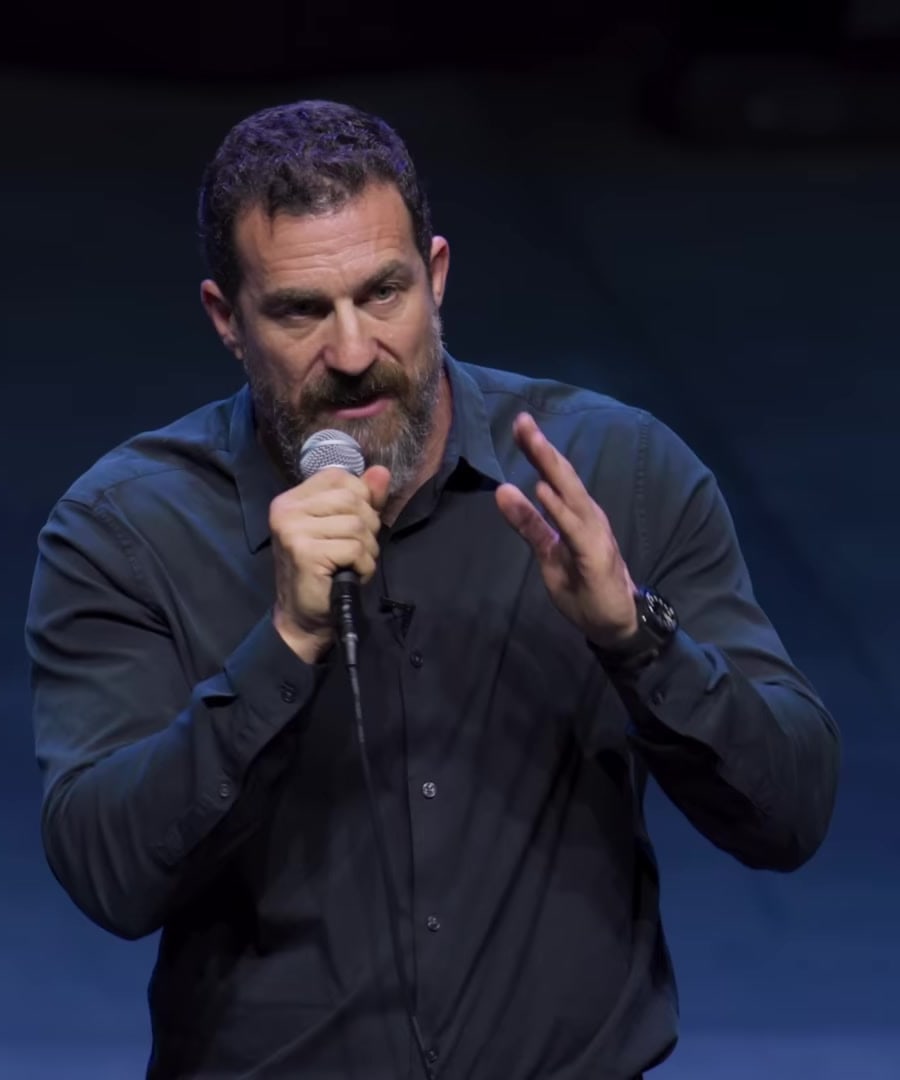



Questions from this episode
- Asked by 3,193 people
- Asked by 2,215 people
- Asked by 1,940 people
- Asked by 1,207 people
- Asked by 1,045 people
- Asked by 406 people
- Asked by 383 people
- Asked by 358 people
- Asked by 344 people
- Asked by 308 people
- Asked by 231 people
- Asked by 219 people
- Asked by 213 people
- Asked by 202 people
- Asked by 192 people
Episode Highlights
Psilocybin & LSD
explores the therapeutic potential of psilocybin and LSD, highlighting their distinct effects and applications. He notes that psilocybin, resembling serotonin, can enhance brain connectivity, offering promising results in treating major depression, though not without risks 1. LSD, on the other hand, presents a longer and more intense experience, making it less practical for clinical settings 1. Huberman shares his personal experiences with these substances, cautioning against their use during adolescence due to the brain's developmental stage 2.
Being a child, an adolescent or a teenager is a psychedelic experience and your brain is still wiring up in all sorts of interesting ways.
---
He emphasizes the importance of medical supervision and appropriate settings for their use 2.
MDMA Benefits
MDMA, often known as ecstasy, is discussed by for its potential therapeutic benefits, particularly in treating PTSD. He highlights the importance of purity and clinical support, noting that MDMA can significantly increase serotonin and dopamine levels, which may aid in developing empathy and self-love 3. Clinical trials have shown promising results, with up to 67% remission of PTSD when used in controlled settings 3.
Our best evidence that MDMA, taken in the appropriate clinically supported context, can act as an empathogen, can help people develop empathy for themselves and help relieve trauma.
---
Huberman stresses the need for caution and professional guidance when using MDMA for therapeutic purposes 3.
DMT & Ayahuasca
addresses the intriguing effects of DMT and ayahuasca, substances known for their intense and rapid impact on consciousness. He mentions ongoing research by Robin Carter Harris at UCSF, emphasizing the need for more human studies to understand these substances better 4. Huberman's podcast supports such research, aiming to fill gaps in scientific knowledge and provide insights that can benefit the public 4.
There are a few great studies on DMT in ayahuasca. Just as long as we're expanding into the full trip down to the jungle and the data are interesting.
---
He underscores the challenges in securing funding for innovative research, highlighting his efforts to support studies that could lead to significant breakthroughs 4.
Related Episodes

LIVE EVENT Q&A: Dr. Andrew Huberman at the Brisbane Convention & Exhibition Centre
Answers 383 questionsLIVE EVENT Q&A: Dr. Andrew Huberman Question & Answer in Toronto, ON
Answers 383 questionsLIVE EVENT Q&A: Dr. Andrew Huberman at the Sydney Opera House
Answers 383 questionsLIVE EVENT Q&A: Dr. Andrew Huberman Question & Answer in Melbourne, AU
Answers 383 questionsAMA #16: Sleep, Vertigo, TBI, OCD, Tips for Travelers, Gut-Brain Axis & More
Answers 383 questionsMaster Your Sleep & Be More Alert When Awake | Huberman Lab Podcast #2
Answers 383 questionsTools for Managing Stress & Anxiety | Huberman Lab Podcast #10
Answers 383 questions
Dr. Matthew Walker: Protocols to Improve Your Sleep | Huberman Lab Guest Series
Answers 383 questionsUsing Science to Optimize Sleep, Learning & Metabolism | Huberman Lab Podcast #3
Answers 383 questions