Dr. Anna Lembke: Understanding & Treating Addiction | Huberman Lab Podcast #33

Topics covered
Popular Clips

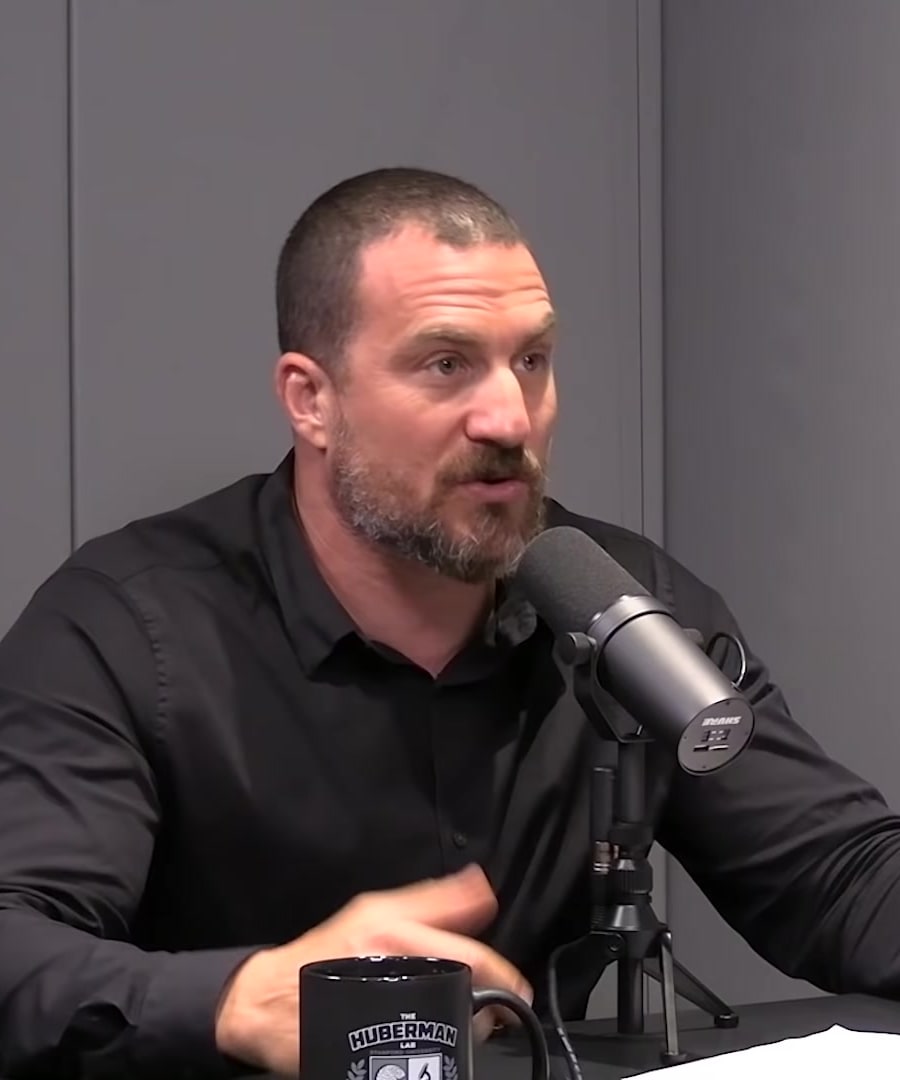

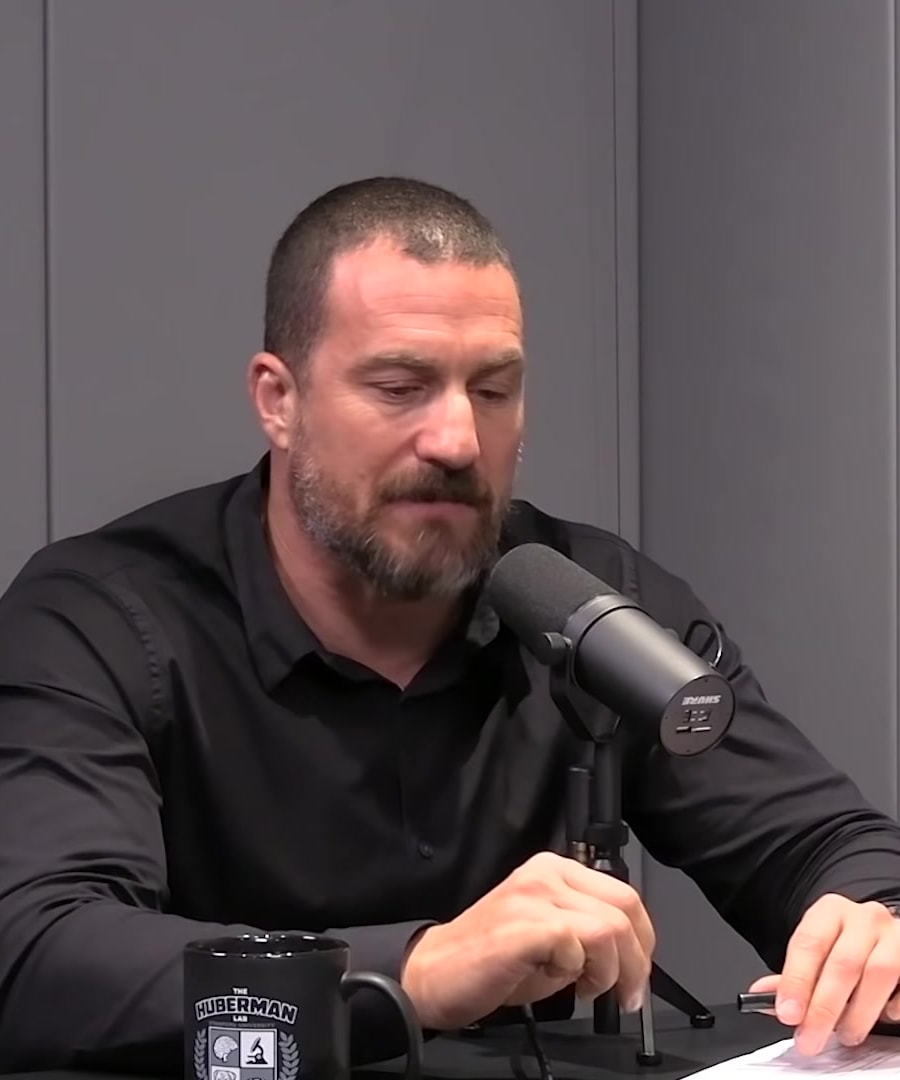



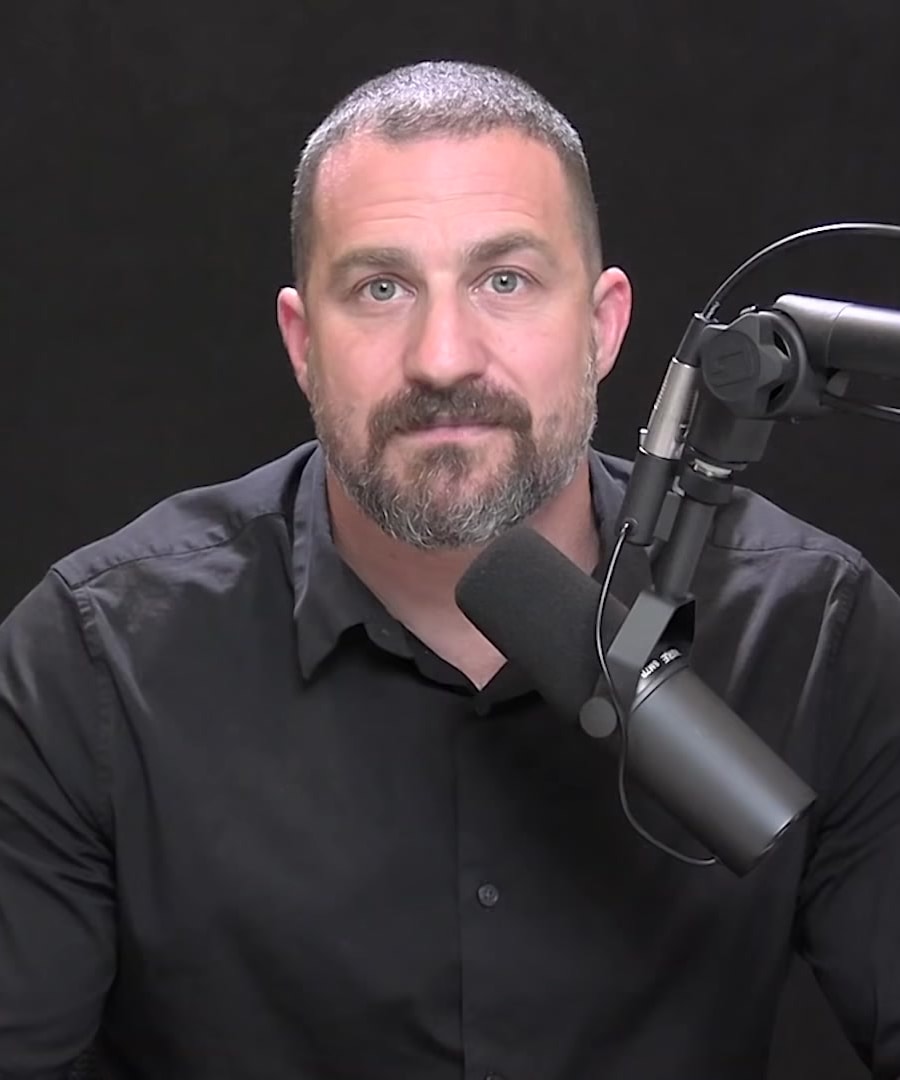
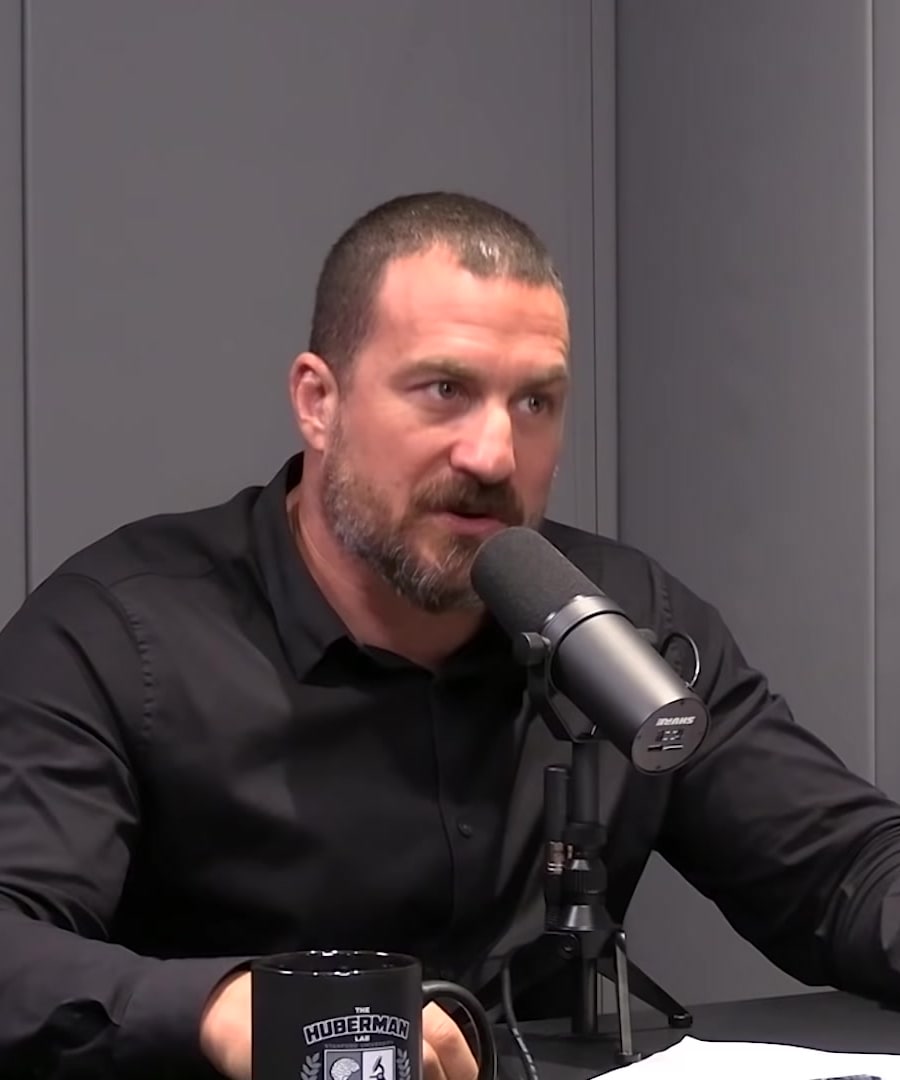




Questions from this episode
- Asked by 292 people
- Asked by 201 people
- Asked by 114 people
- Asked by 101 people
- Asked by 83 people
- Asked by 79 people
- Asked by 77 people
- Asked by 76 people
- Asked by 63 people
- Asked by 60 people
- Asked by 58 people
- Asked by 54 people
- Asked by 49 people
- Asked by 47 people
- Asked by 45 people
Episode Highlights
Addiction Basics
Dr. explains that addiction, whether to substances or behaviors, shares a common biological foundation. This universality stems from the brain's pleasure-pain balance, where the same neural circuits process both sensations 1. highlights this concept using a seesaw analogy, illustrating how the brain strives for equilibrium, tipping towards pain after experiencing pleasure 2. This mechanism underscores why different addictions, from gambling to video games, follow similar patterns 3.
Nature did not evolve 20 different mechanisms for 20 different types of addiction.
---
Understanding this balance is crucial for conceptualizing and treating addictions effectively.
Unconventional Addictions
Unconventional addictions reveal the brain's adaptability in seeking pleasure, as shares a poignant story of a patient addicted to water, highlighting the extreme lengths to which addiction can manifest 4. Social media, engineered to be addictive, exemplifies modern challenges, requiring mindful usage to prevent maladaptive behaviors 5. and Anna also discuss the controversial use of psychedelics in treating addiction, a method that challenges traditional dopamine-based understanding 6.
If you have this disease of addiction, you can even get addiction to water.
---
These insights emphasize the diverse manifestations of addiction and the need for innovative treatment approaches.
Truth in Recovery
Truth-telling plays a pivotal role in addiction recovery, as explains how honesty strengthens neural connections crucial for overcoming addiction 7. This process involves not just avoiding lies about substance use but embracing truth in all aspects of life 8. notes that addressing past lies and making amends is essential for recovery, fostering a sense of renewal and connection 9.
Telling the truth is important to leading a balanced life.
---
This approach not only aids in personal healing but also enhances interpersonal relationships, creating a supportive environment for sustained recovery.
Related Episodes

Understanding & Conquering Depression | Huberman Lab Podcast #34
Answers 383 questionsHow to Increase Motivation & Drive | Huberman Lab Podcast #12
Answers 383 questionsHow to Control Your Sense of Pain & Pleasure | Huberman Lab Podcast #32
Answers 383 questions
Dr. Karl Deisseroth: Understanding & Healing the Mind | Huberman Lab Podcast #26
Answers 383 questionsThe Science & Treatment of Bipolar Disorder | Huberman Lab Podcast #82
Answers 383 questionsThe Science of Emotions & Relationships | Huberman Lab Podcast #13
Answers 383 questions
Dr. Lisa Feldman Barrett: How to Understand Emotions | Huberman Lab Podcast
Answers 383 questionsControl Pain & Heal Faster with Your Brain | Huberman Lab Podcast #9
Answers 383 questionsADHD & How Anyone Can Improve Their Focus | Huberman Lab Podcast #37
Answers 383 questionsThe Science of Making & Breaking Habits | Huberman Lab Podcast #53
Answers 383 questions