Andrew Huberman: Neuroscience of Optimal Performance | Lex Fridman Podcast #139

Topics covered
Popular Clips






Episode Highlights
Communication Philosophy
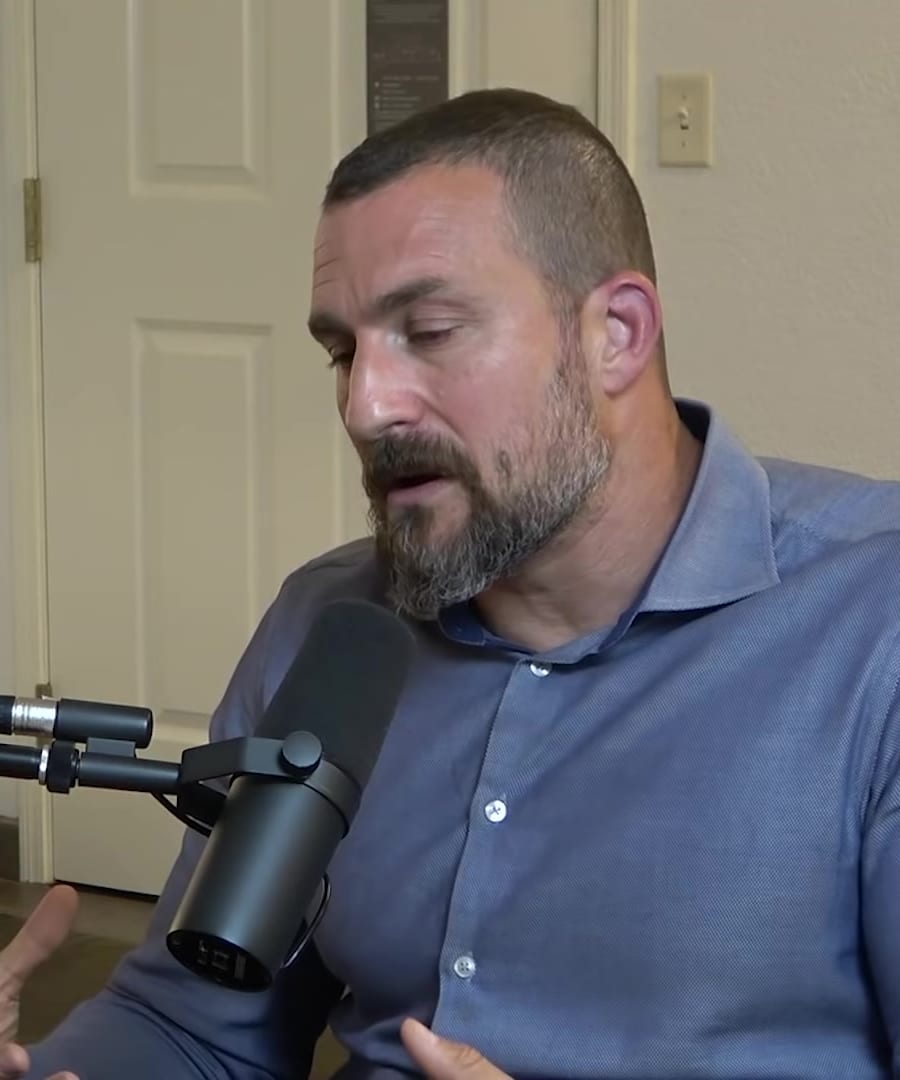
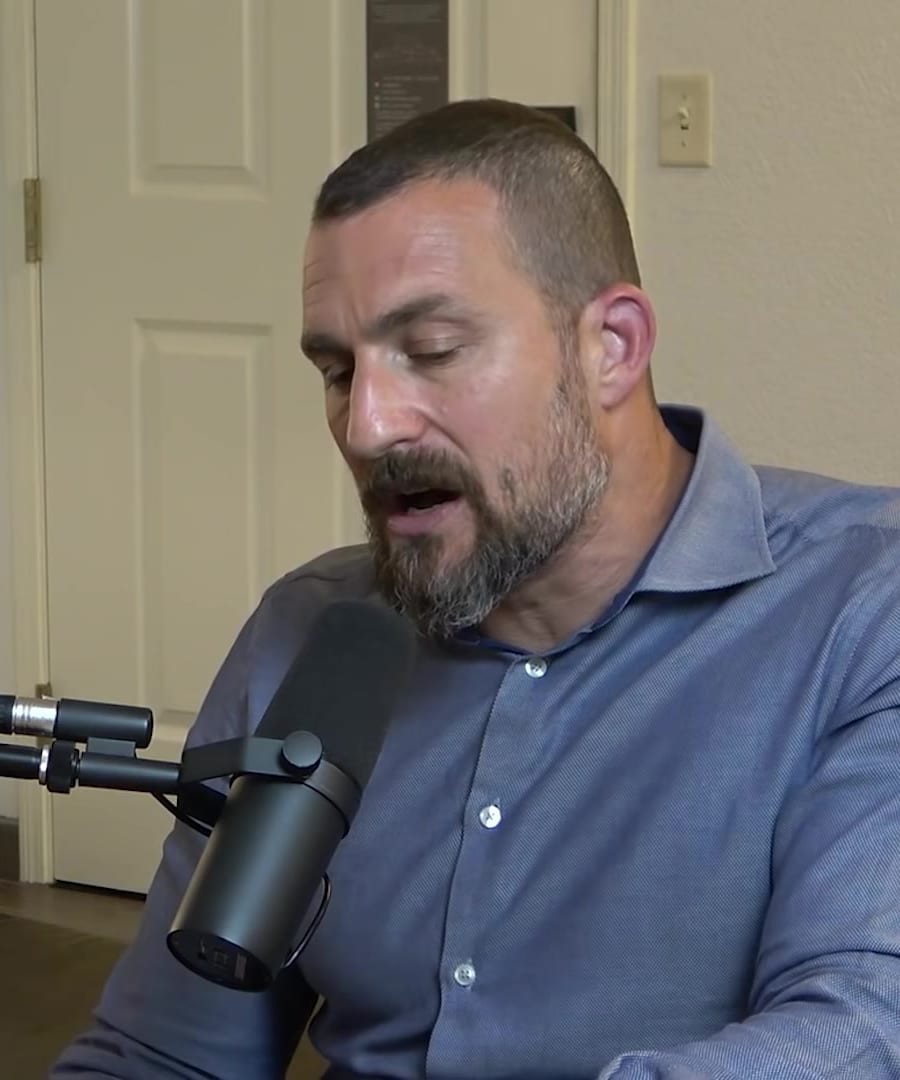
shares his philosophy on effective science communication, emphasizing the importance of making complex ideas accessible without oversimplifying them. He believes in presenting information in a way that sparks curiosity and encourages further exploration, likening it to offering a variety of choices to guests at a dinner party 1. praises Andrew for his ability to inspire and educate, highlighting the significance of institutions like Stanford and MIT in fostering such talents 2.
I try and package it into a form that people can access. The reception has been really wonderful.
---
Andrew's passion for sharing knowledge stems from a genuine excitement about discoveries and insights, which he feels compelled to share with others.
Communication Challenges
The challenges of science communication are multifaceted, with noting the difficulty in balancing rigorous research with public engagement. He acknowledges the pressure on researchers to be productive, which can limit time for meaningful discussions and idea exchange 3. Despite these challenges, Andrew is committed to increasing scientific literacy and paving the way for future scientists to make significant contributions 3.
A big goal of mine is to try and at least pave the way so that these really brilliant and forward-thinking younger scientists can make the biggest possible dent.
---
He also highlights the importance of visual and sensory systems in shaping our understanding of space and time, which plays a crucial role in how scientific concepts are communicated and perceived 4.
Related Episodes

LIVE EVENT Q&A: Dr. Andrew Huberman Question & Answer in Toronto, ON
Answers 383 questionsHow to Optimize Your Brain-Body Function & Health | Huberman Lab Podcast #30
Answers 383 questions
Dr. David Berson: Your Brain's Logic & Function | Huberman Lab Podcast #50
Answers 383 questionsWelcome to the Huberman Lab Podcast
Answers 383 questionsLIVE EVENT Q&A: Dr. Andrew Huberman Question & Answer in Melbourne, AU
Answers 383 questionsHow to Focus to Change Your Brain | Huberman Lab Podcast #6
Answers 383 questions
Dr. Karl Deisseroth: Understanding & Healing the Mind | Huberman Lab Podcast #26
Answers 383 questionsLIVE EVENT Q&A: Dr. Andrew Huberman at the Sydney Opera House
Answers 383 questionsHow To Build Endurance In Your Brain & Body | Huberman Lab Podcast #23
Answers 383 questionsHow Your Nervous System Works & Changes | Huberman Lab Podcast #1
Answers 383 questionsThe Science of Setting & Achieving Goals | Huberman Lab Podcast #55
Answers 383 questions