John Hopfield: Physics View of the Mind and Neurobiology | Lex Fridman Podcast #76

Topics covered
Popular Clips
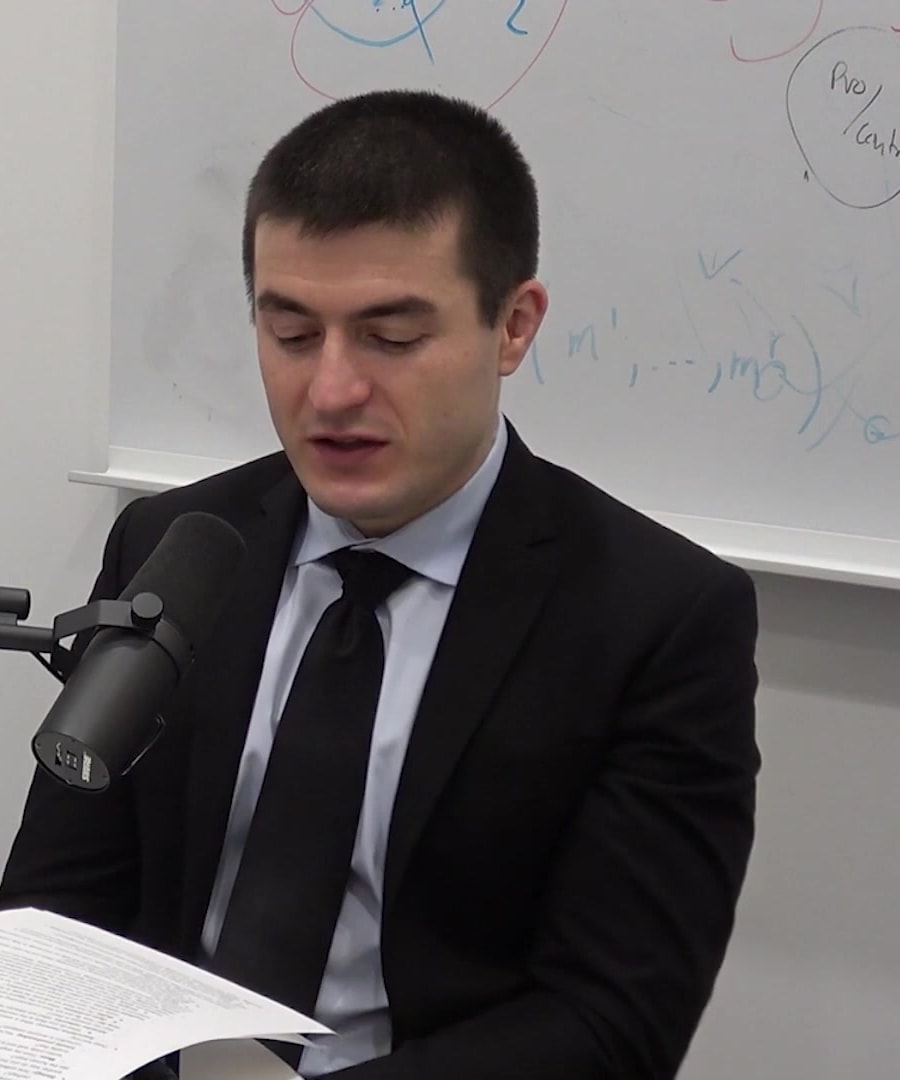


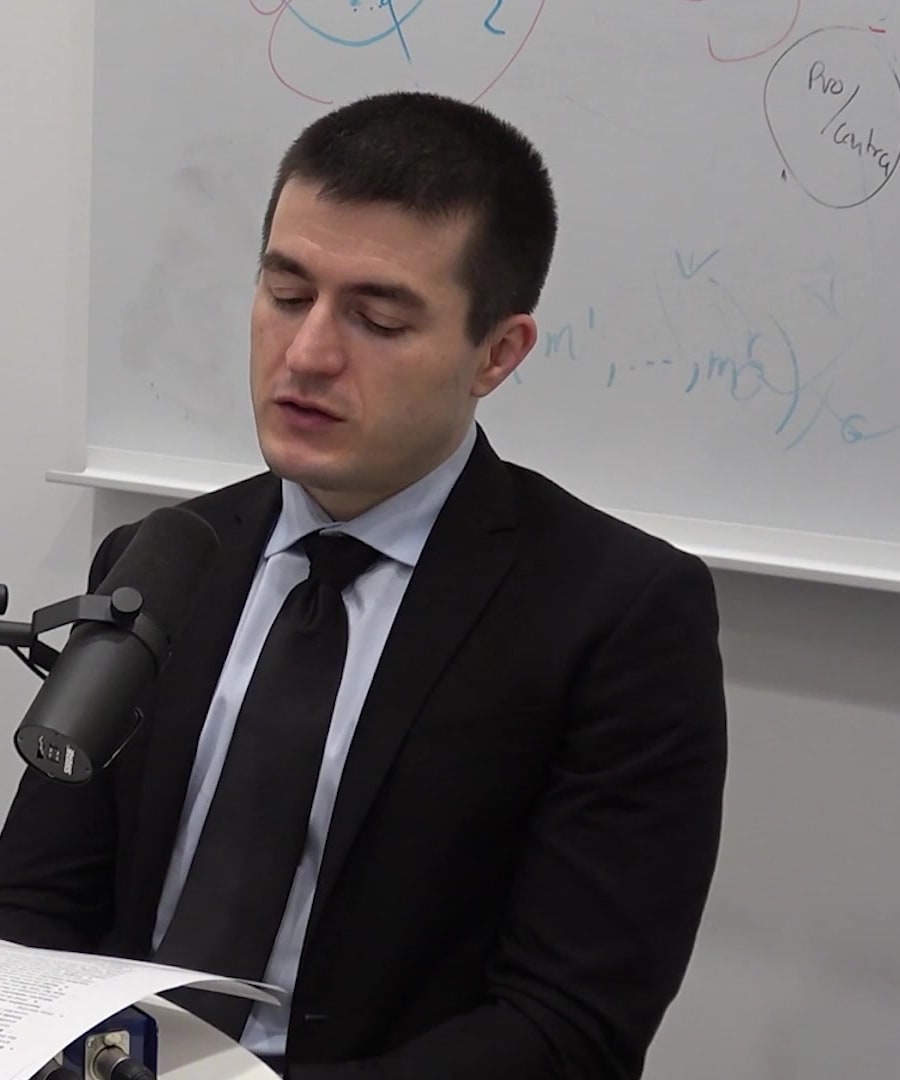
Episode Highlights
Associative Memory
explores the concept of associative memory through the lens of Hopfield networks, which are foundational to modern deep learning. He explains that associative memory allows us to link disparate pieces of information, such as recognizing a person from a few descriptive cues without explicit identifiers 1. This process involves compacting information into useful chunks rather than storing every detail, which is crucial for intelligent behavior 1.
It's this ability to link things together, link experiences together, which goes under the general name of associative memory.
---
highlights Hopfield's interdisciplinary approach, noting his impact on fields like genetics and neuroscience through the application of theoretical physics 2.
Error Correction
Hopfield networks also provide insights into error correction within associative memory systems. describes how these networks can complete patterns by filling in missing information, akin to how a physical system corrects errors 3. This robustness is essential for maintaining accurate computations despite potential disruptions.
An error correction system is a system which if you get a little bit off that trajectory, will push you back under that trajectory again.
---
emphasizes that while these models don't fully explain the learning process, they offer a framework for understanding how learned information is expressed and maintained 3.
Related Episodes


Dr. Lex Fridman: Machines, Creativity & Love | Huberman Lab Podcast #29
Answers 383 questionsHow Your Nervous System Works & Changes | Huberman Lab Podcast #1
Answers 383 questions
Dr. David Berson: Your Brain's Logic & Function | Huberman Lab Podcast #50
Answers 383 questionsHow to Focus to Change Your Brain | Huberman Lab Podcast #6
Answers 383 questions
Dr. Karl Deisseroth: Understanding & Healing the Mind | Huberman Lab Podcast #26
Answers 383 questionsWelcome to the Huberman Lab Podcast
Answers 383 questionsThe Science of Making & Breaking Habits | Huberman Lab Podcast #53
Answers 383 questionsUsing Your Nervous System to Enhance Your Immune System | Huberman Lab Podcast #44
Answers 383 questionsUsing Play to Rewire & Improve Your Brain | Huberman Lab Podcast #58
Answers 383 questions