John Hopfield: Physics View of the Mind and Neurobiology | Lex Fridman Podcast #76

Topics covered
Popular Clips
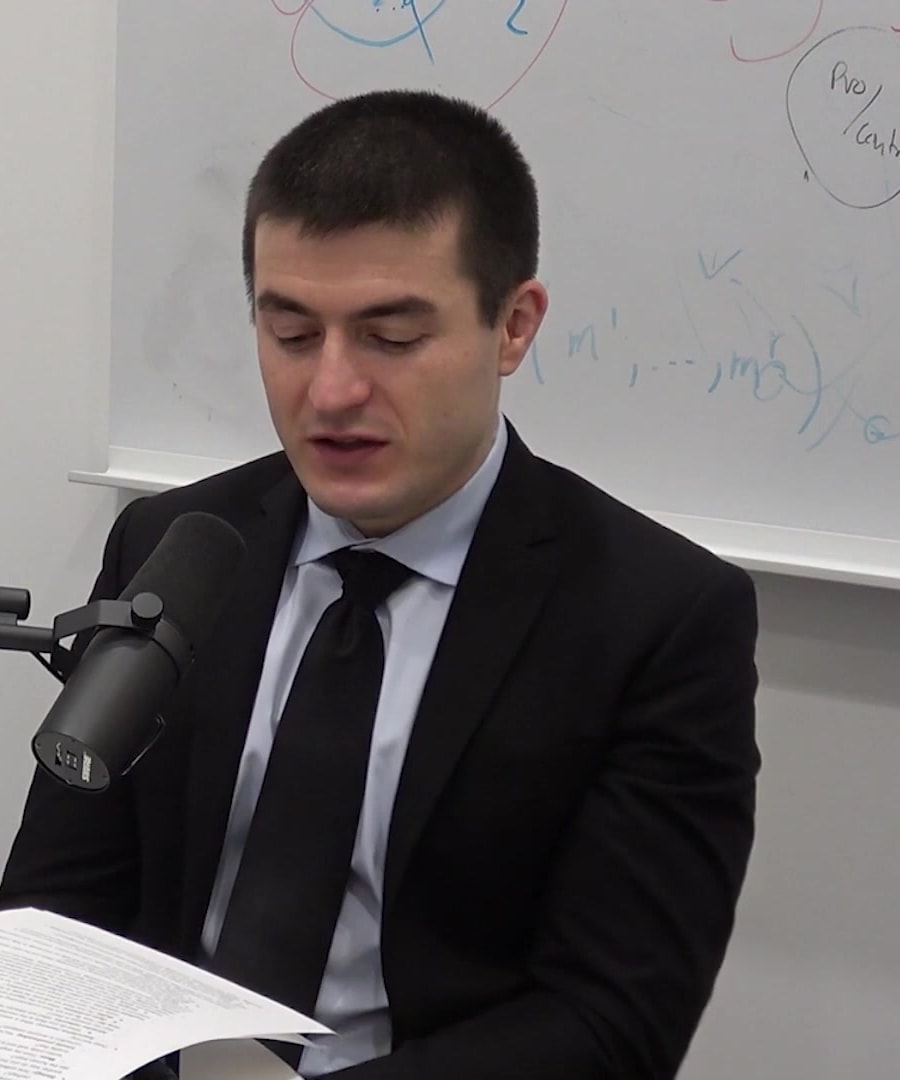


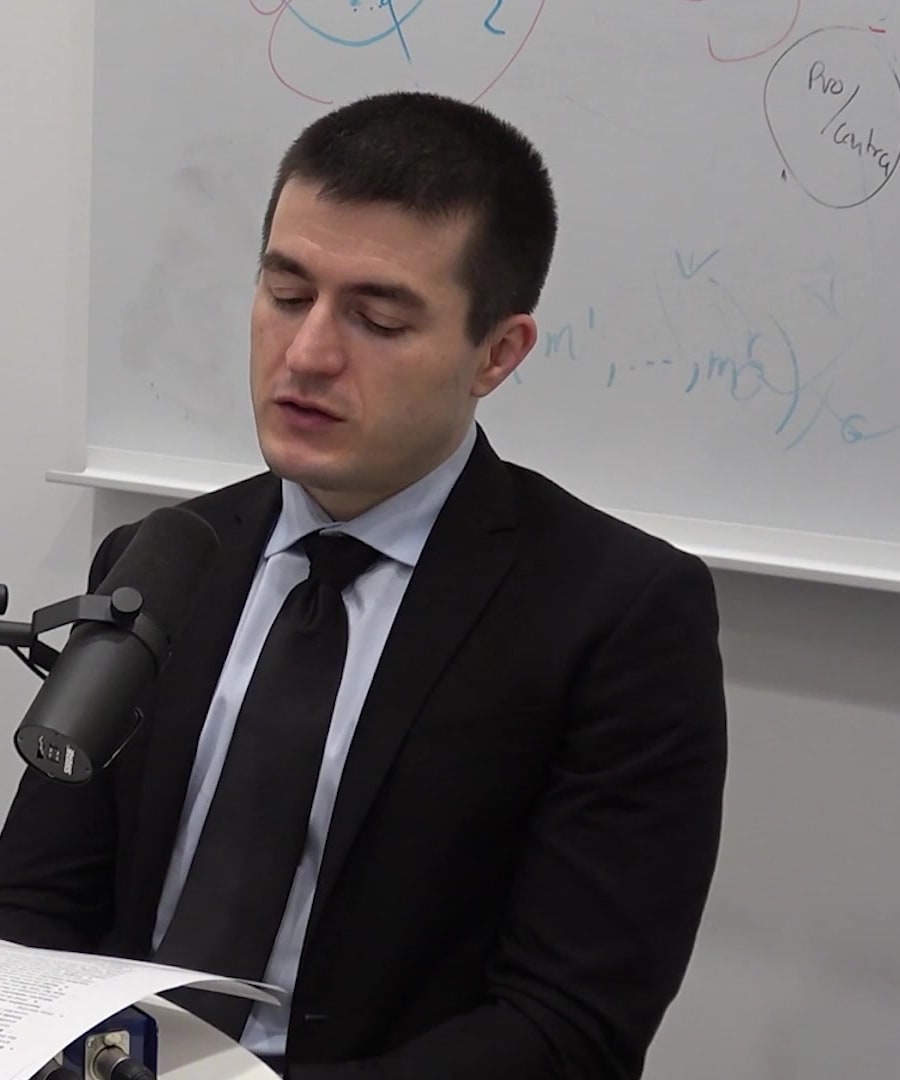
Episode Highlights
Neural Networks
The discussion between and highlights the fundamental differences between biological and artificial neural networks. John explains that while artificial networks are inspired by biology, they lack the complex collective properties found in biological systems, such as brain rhythms, which are absent in AI 1. He notes that the evolution of neural networks, including Boltzmann machines and Hopfield networks, has led to advancements in AI, yet they still fall short of replicating the intricacies of the human brain 2.
It's going to be a long time before that kind of thing, which can take place in large complex networks of things, is actually used in the computation.
---
Lex and John agree that while AI can achieve impressive feats, it remains a simplified model of neurobiology, requiring further generations of development to truly mimic human cognition.
Adaptation
Adaptation in biological systems is a key point of intrigue for , who contrasts it with artificial systems. He describes how evolution refines biological quirks into useful features, a process not mirrored in artificial neural networks 3. John emphasizes that adaptation occurs both over evolutionary time and within an individual's lifetime, making biology a complex, multi-dimensional system 4.
Adaptation is everything when you get down to it.
---
This dual adaptation process, he notes, is what makes neurobiology challenging yet fascinating, as it combines evolutionary and developmental changes that artificial systems have yet to replicate.
Related Episodes


Dr. Lex Fridman: Machines, Creativity & Love | Huberman Lab Podcast #29
Answers 383 questionsHow Your Nervous System Works & Changes | Huberman Lab Podcast #1
Answers 383 questions
Dr. David Berson: Your Brain's Logic & Function | Huberman Lab Podcast #50
Answers 383 questionsHow to Focus to Change Your Brain | Huberman Lab Podcast #6
Answers 383 questions
Dr. Karl Deisseroth: Understanding & Healing the Mind | Huberman Lab Podcast #26
Answers 383 questionsWelcome to the Huberman Lab Podcast
Answers 383 questionsThe Science of Making & Breaking Habits | Huberman Lab Podcast #53
Answers 383 questionsUsing Your Nervous System to Enhance Your Immune System | Huberman Lab Podcast #44
Answers 383 questionsUsing Play to Rewire & Improve Your Brain | Huberman Lab Podcast #58
Answers 383 questions