LIVE EVENT Q&A: Dr. Andrew Huberman at the Sydney Opera House

Topics covered
Popular Clips

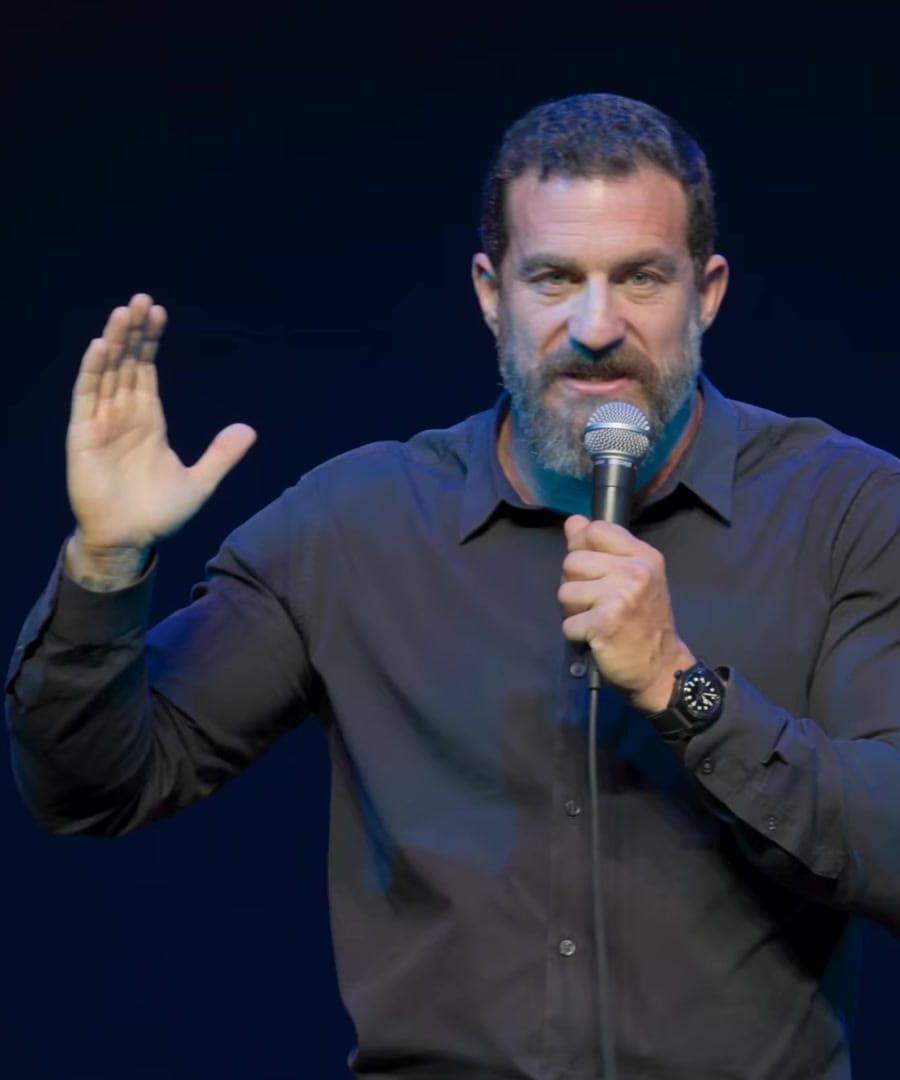
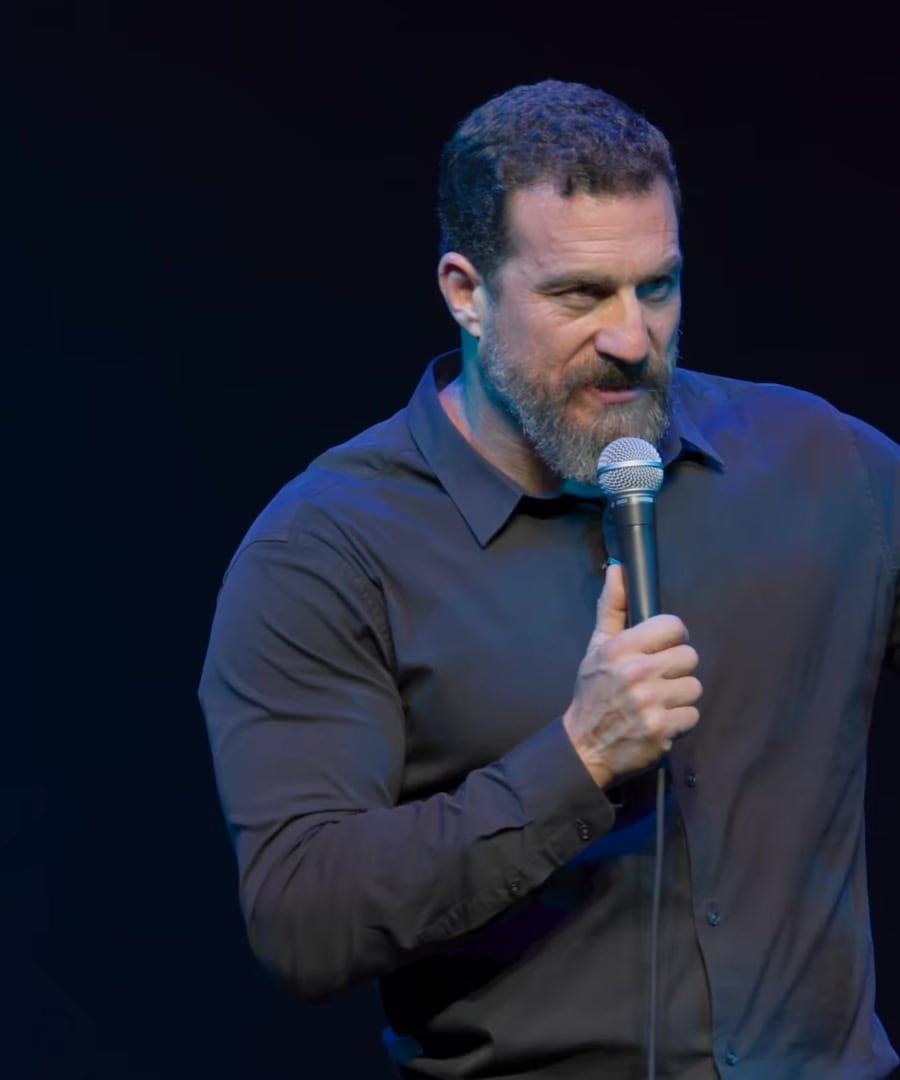
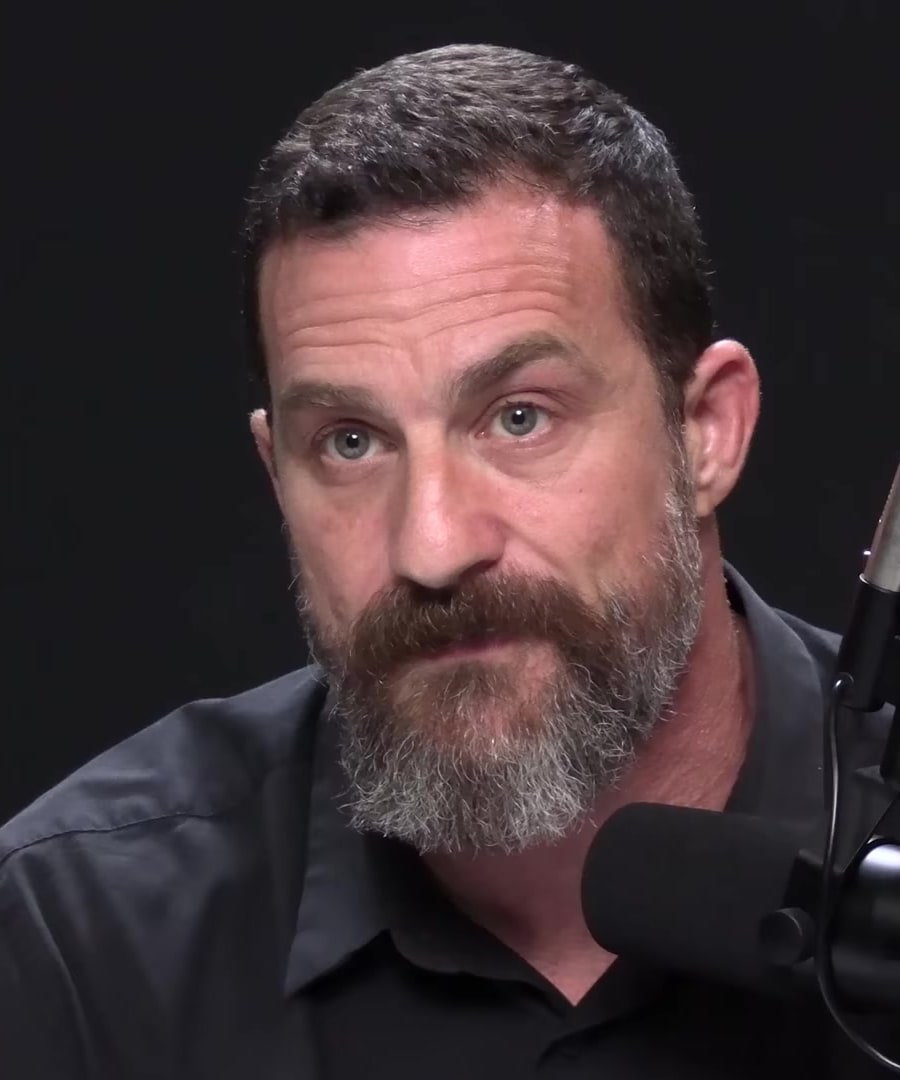
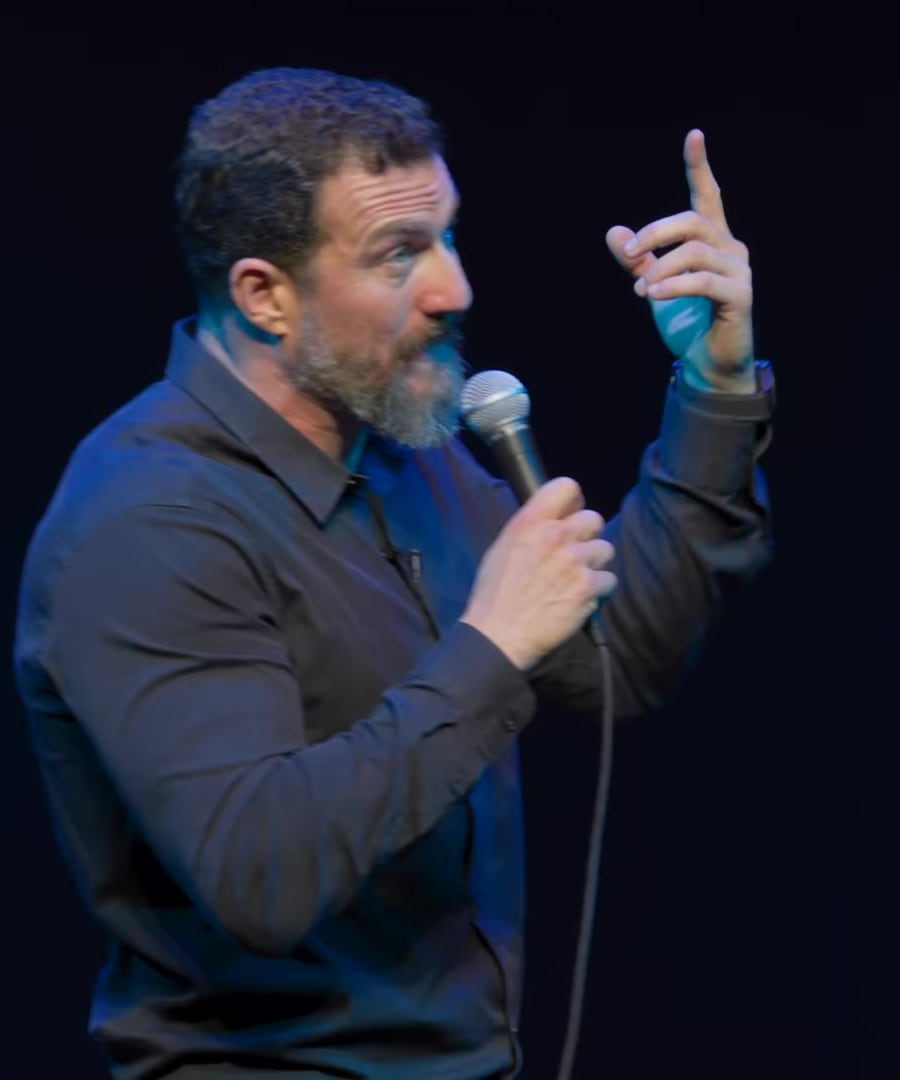

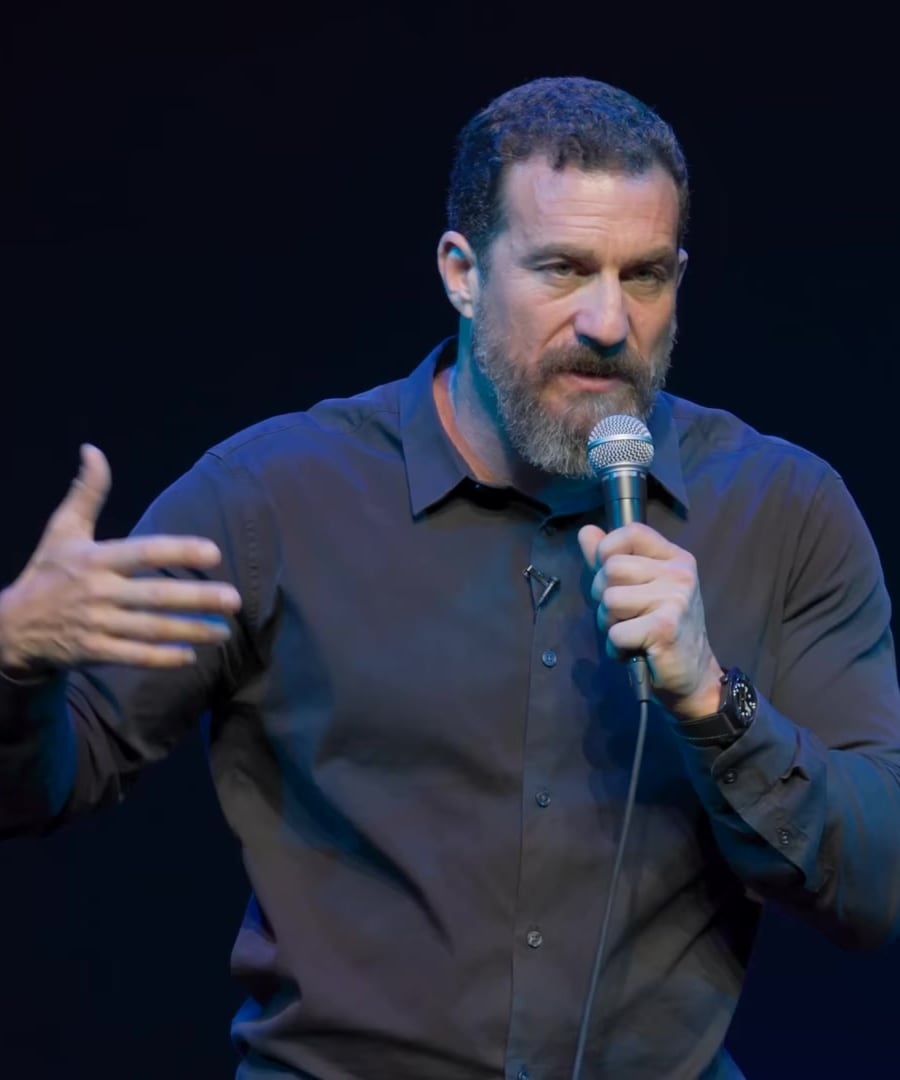
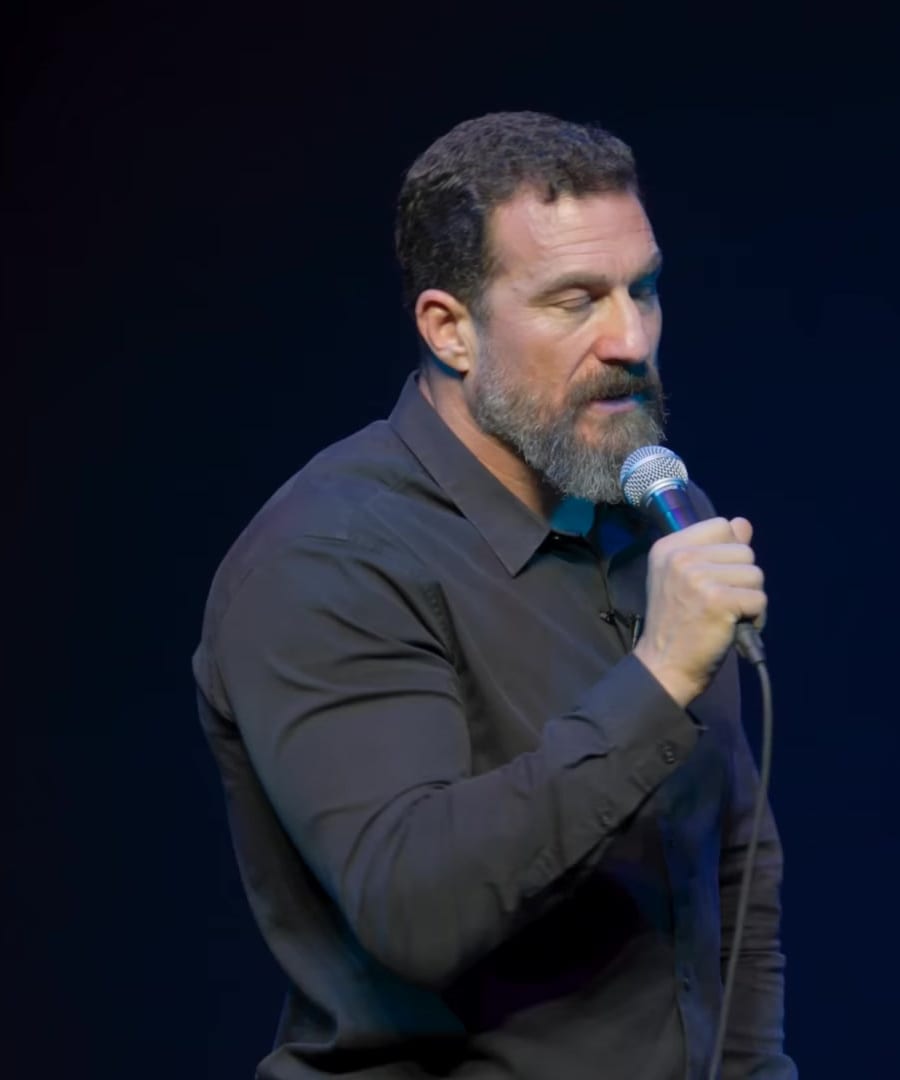

Questions from this episode
- Asked by 2,454 people
- Asked by 2,149 people
- Asked by 1,280 people
- Asked by 1,203 people
- Asked by 1,149 people
- Asked by 1,042 people
- Asked by 810 people
- Asked by 651 people
- Asked by 583 people
- Asked by 304 people
- Asked by 282 people
- Asked by 267 people
- Asked by 262 people
- Asked by 258 people
Episode Highlights
Sunlight's Role
Sunlight plays a crucial role in regulating our circadian clocks, influencing sleep cycles and overall well-being. explains that morning sunlight exposure after your temperature minimum can advance your clock, making you want to wake up and go to bed earlier. Conversely, exposure before this minimum delays your clock, leading to later sleep and wake times 1.
Viewing sunlight in the middle of the day does not do the same thing. It doesn't shift your circadian clock.
---
Understanding these mechanisms can help in adjusting sleep schedules, especially when traveling or adapting to new routines 2.
Travel Strategies
Traveling across time zones can disrupt circadian rhythms, but strategic light exposure can help reset them. shares his jet lag protocol, emphasizing the importance of aligning with local light cues and eating schedules to adjust sleep patterns 3. He notes that wearing sunglasses or using red light in the evening can aid in maintaining or shifting your internal clock.
The temperature minimum and the role of light before or after it, either delaying or advancing your clock, that's the heavy hammer in this whole process.
---
These strategies are essential for anyone experiencing jet lag or irregular sleep patterns due to modern lifestyles 4.
Temperature's Impact
Body temperature significantly influences sleep quality, with cooling techniques playing a pivotal role. highlights that a drop in core body temperature is necessary for falling and staying asleep, while an increase is needed to wake up refreshed 5. Techniques like saunas or warm baths can help cool the core by initially warming the body, prompting the brain to lower internal temperatures.
Warm up to cool down to fall asleep. Stay cool to stay asleep. Warm up to wake up.
---
These insights underscore the importance of temperature regulation in optimizing sleep and overall health 6.
Related Episodes

LIVE EVENT Q&A: Dr. Andrew Huberman Question & Answer in Melbourne, AU
Answers 383 questionsLIVE EVENT Q&A: Dr. Andrew Huberman at the ICC Sydney Theatre
Answers 383 questionsLIVE EVENT Q&A: Dr. Andrew Huberman Question & Answer in Toronto, ON
Answers 383 questionsLIVE EVENT Q&A: Dr. Andrew Huberman at the Brisbane Convention & Exhibition Centre
Answers 383 questionsAMA #16: Sleep, Vertigo, TBI, OCD, Tips for Travelers, Gut-Brain Axis & More
Answers 383 questions
Dr. David Berson: Your Brain's Logic & Function | Huberman Lab Podcast #50
Answers 383 questionsHow to Optimize Your Brain-Body Function & Health | Huberman Lab Podcast #30
Answers 383 questionsUsing Science to Optimize Sleep, Learning & Metabolism | Huberman Lab Podcast #3
Answers 383 questions
Dr. Gary Steinberg: How to Improve Brain Health & Offset Neurodegeneration
Answers 383 questionsTools for Managing Stress & Anxiety | Huberman Lab Podcast #10
Answers 383 questions
Dr. Karl Deisseroth: Understanding & Healing the Mind | Huberman Lab Podcast #26
Answers 383 questionsHow To Build Endurance In Your Brain & Body | Huberman Lab Podcast #23
Answers 383 questions