Understanding & Controlling Aggression | Huberman Lab Podcast #71

Topics covered
Popular Clips









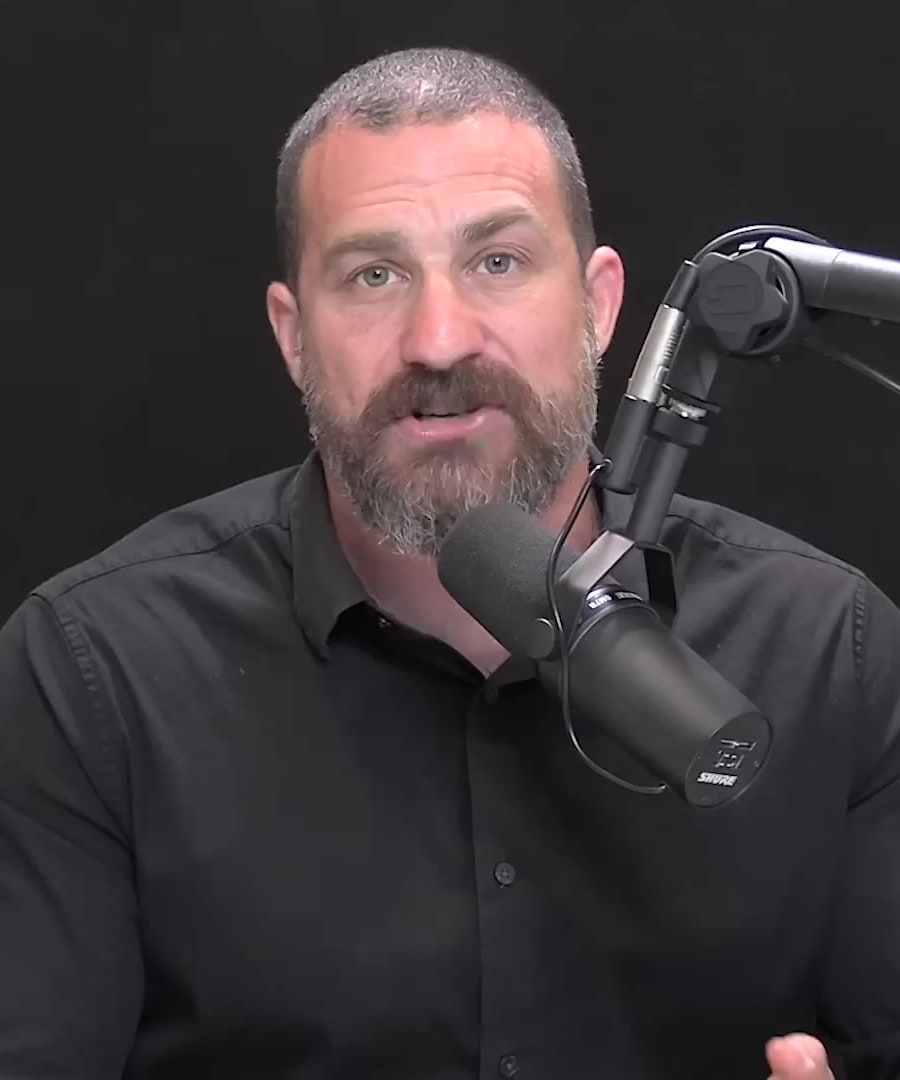

Questions from this episode
- Asked by 3,058 people
- Asked by 2,902 people
- Asked by 1,593 people
- Asked by 1,325 people
- Asked by 1,265 people
- Asked by 1,238 people
- Asked by 1,176 people
- Asked by 1,034 people
- Asked by 822 people
- Asked by 611 people
- Asked by 602 people
- Asked by 564 people
- Asked by 513 people
- Asked by 472 people
- Asked by 467 people
Episode Highlights
Dietary Interventions
Nutritional components like omega-3 fatty acids play a crucial role in reducing aggressive behaviors. highlights studies showing that omega-3s can modulate mood and emotional tone, potentially reducing impulsivity and aggression in individuals predisposed to such behaviors 1. He emphasizes the importance of obtaining omega-3s from whole foods, though supplements can also be beneficial, especially in doses of one to three grams per day 1.
Supplementation with omega-3 fatty acids has been shown to reduce impulsivity and aggressiveness in certain contexts.
---
also stresses the importance of high-quality supplements and mentions the partnership with Momentous supplements to ensure quality and efficacy 2.
Supplementation Techniques
Supplements like acetyl L-carnitine have shown promise in modulating aggression, particularly in ADHD cases. discusses a study where acetyl L-carnitine significantly improved symptoms of ADHD, including reductions in aggressive behavior 3. The study, conducted on children, demonstrated that acetyl L-carnitine could be an effective and well-tolerated treatment for reducing aggression 3.
Carnitine appeared to be an effective and well-tolerated treatment for a group of children with ADHD.
---
suggests combining L-carnitine with omega-3 supplementation and other dietary adjustments to further reduce aggressive tendencies 4.
Related Episodes

Tools for Managing Stress & Anxiety | Huberman Lab Podcast #10
Answers 383 questionsUnderstanding & Conquering Depression | Huberman Lab Podcast #34
Answers 383 questionsThe Science of Emotions & Relationships | Huberman Lab Podcast #13
Answers 383 questionsControl Pain & Heal Faster with Your Brain | Huberman Lab Podcast #9
Answers 383 questionsThe Science & Treatment of Bipolar Disorder | Huberman Lab Podcast #82
Answers 383 questionsHow Our Hormones Control Our Hunger, Eating & Satiety | Huberman Lab Podcast #16
Answers 383 questions
Dr. Karl Deisseroth: Understanding & Healing the Mind | Huberman Lab Podcast #26
Answers 383 questionsUnderstand & Improve Memory Using Science-Based Tools | Huberman Lab Podcast #72
Answers 383 questionsHow Foods and Nutrients Control Our Moods | Huberman Lab Podcast #11
Answers 383 questionsHow Your Nervous System Works & Changes | Huberman Lab Podcast #1
Answers 383 questions